ISTANBUL
Arnavutköy
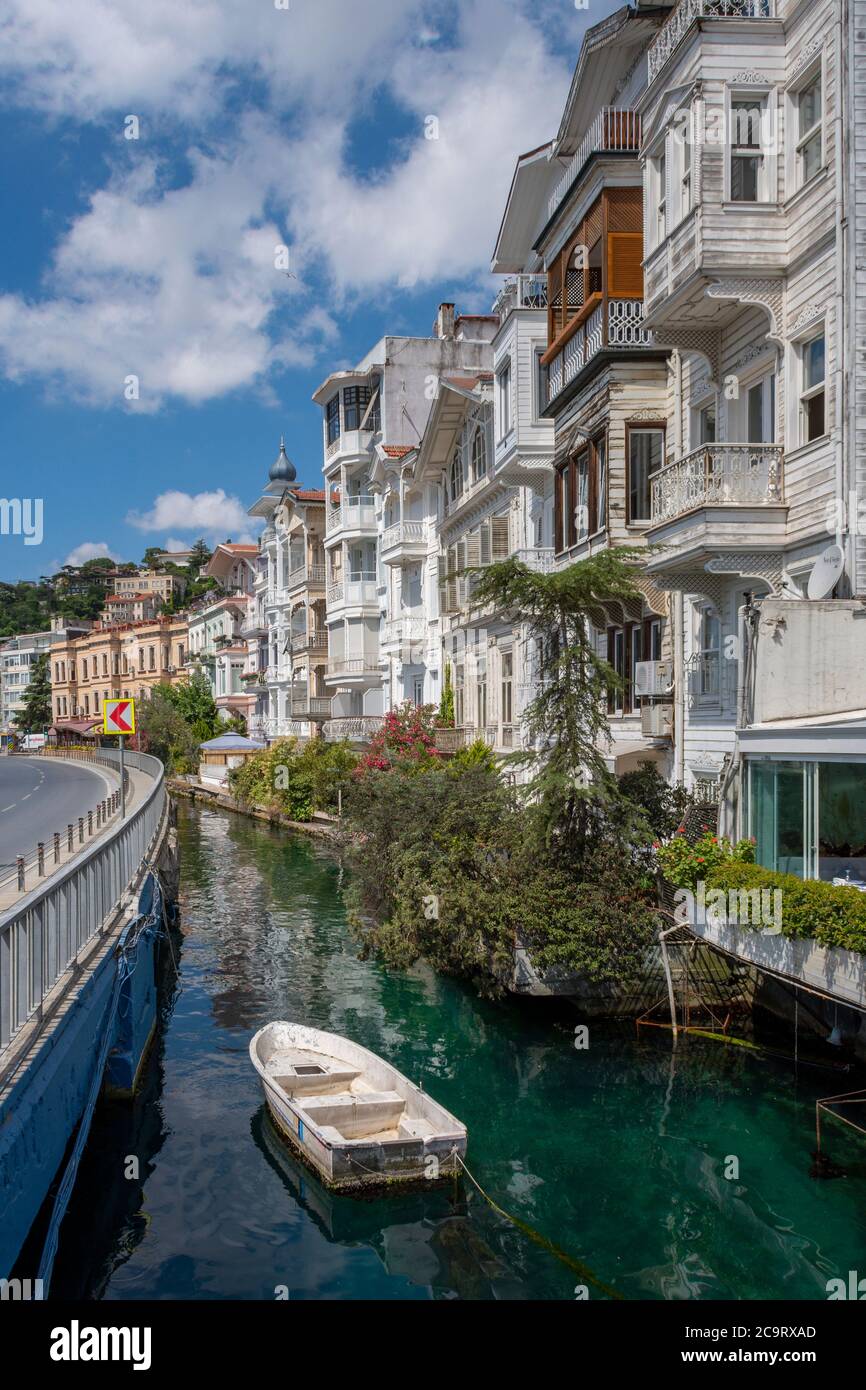
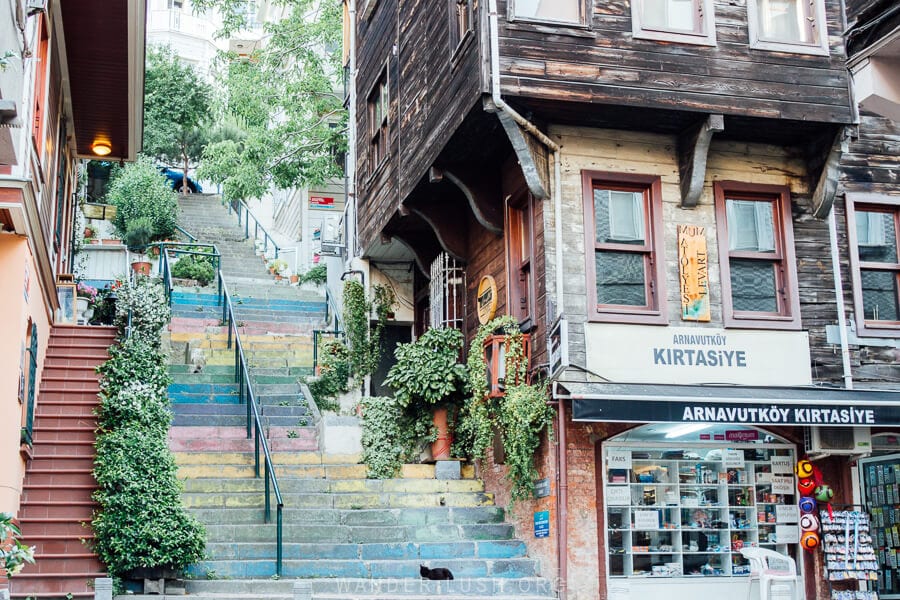
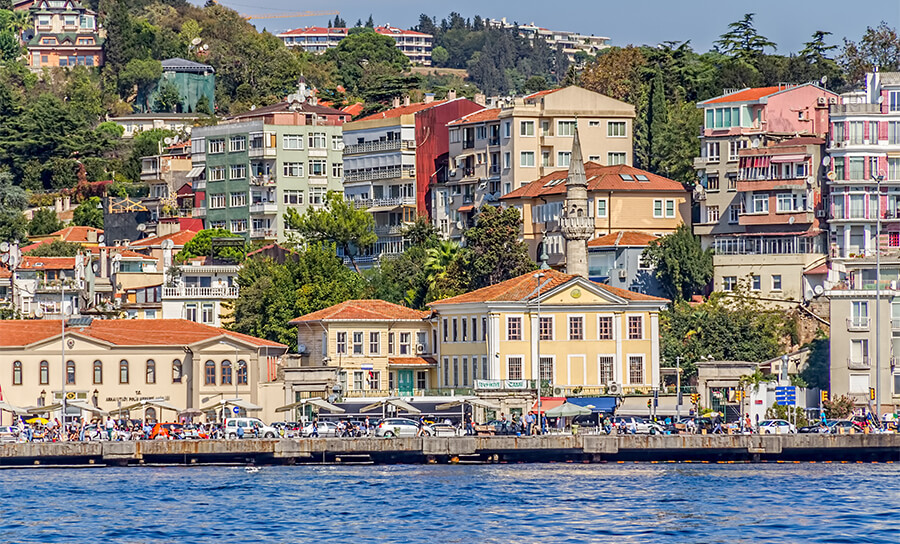
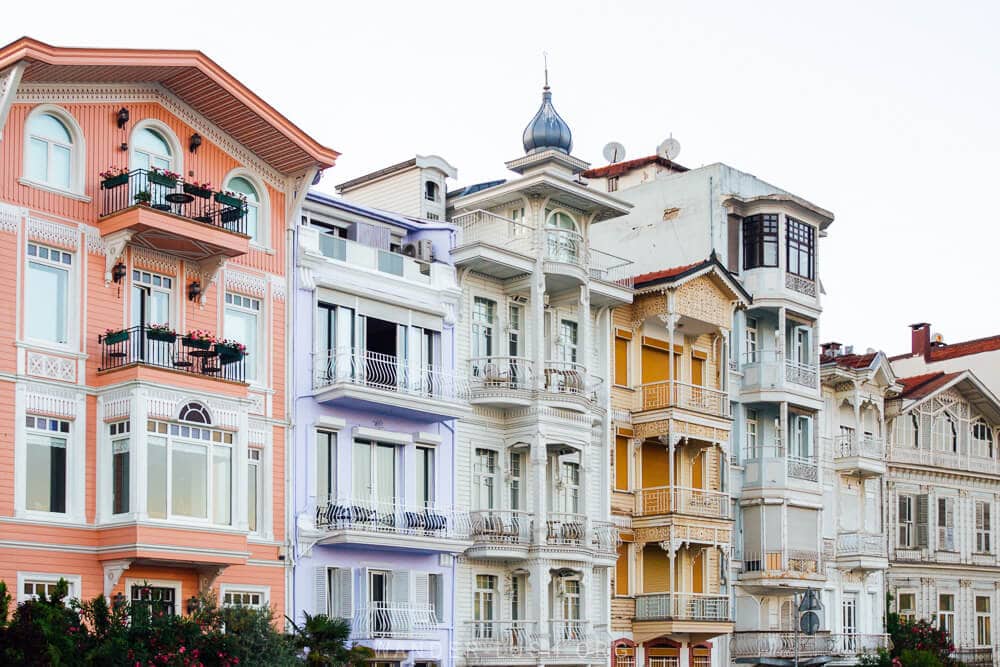
Arnavutköy is a historic and charming neighborhood located along the European shore of the Bosphorus Strait in Istanbul. Known for its picturesque waterfront, narrow streets, and a mix of architectural styles, Arnavutköy has a unique blend of Ottoman-era wooden houses, Art Nouveau buildings, and modern residences. This neighborhood has a rich history dating back to the Byzantine and Ottoman periods, and its name, meaning "Albanian Village," reflects the Albanian settlers who moved there during the Ottoman era.
Istanbul Military Museum
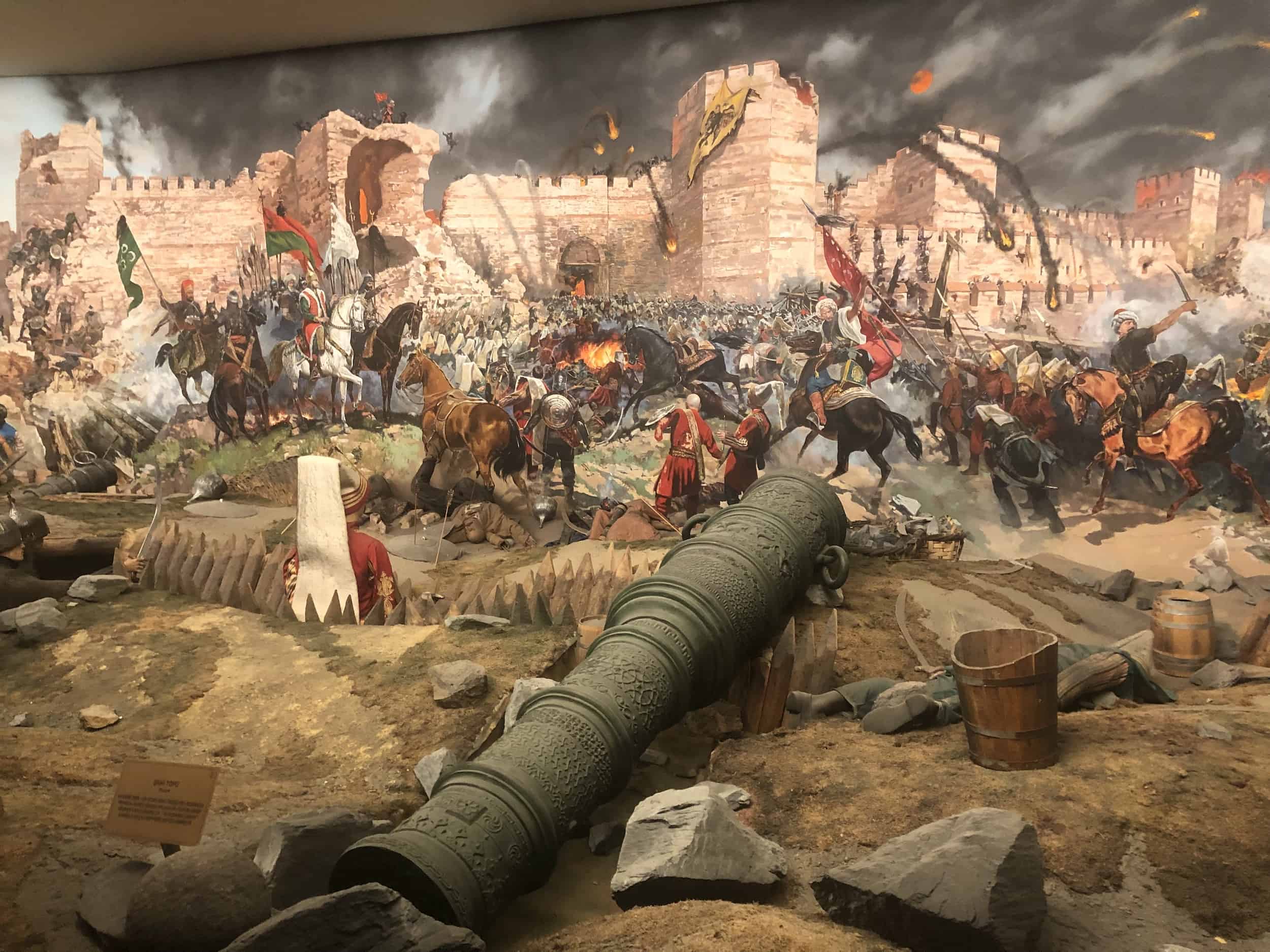
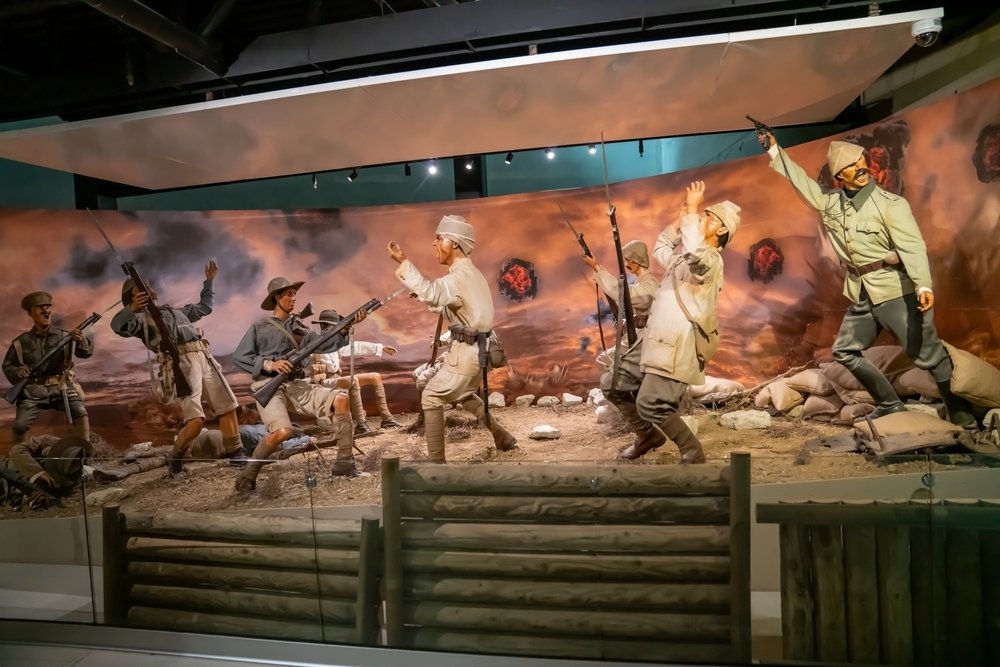
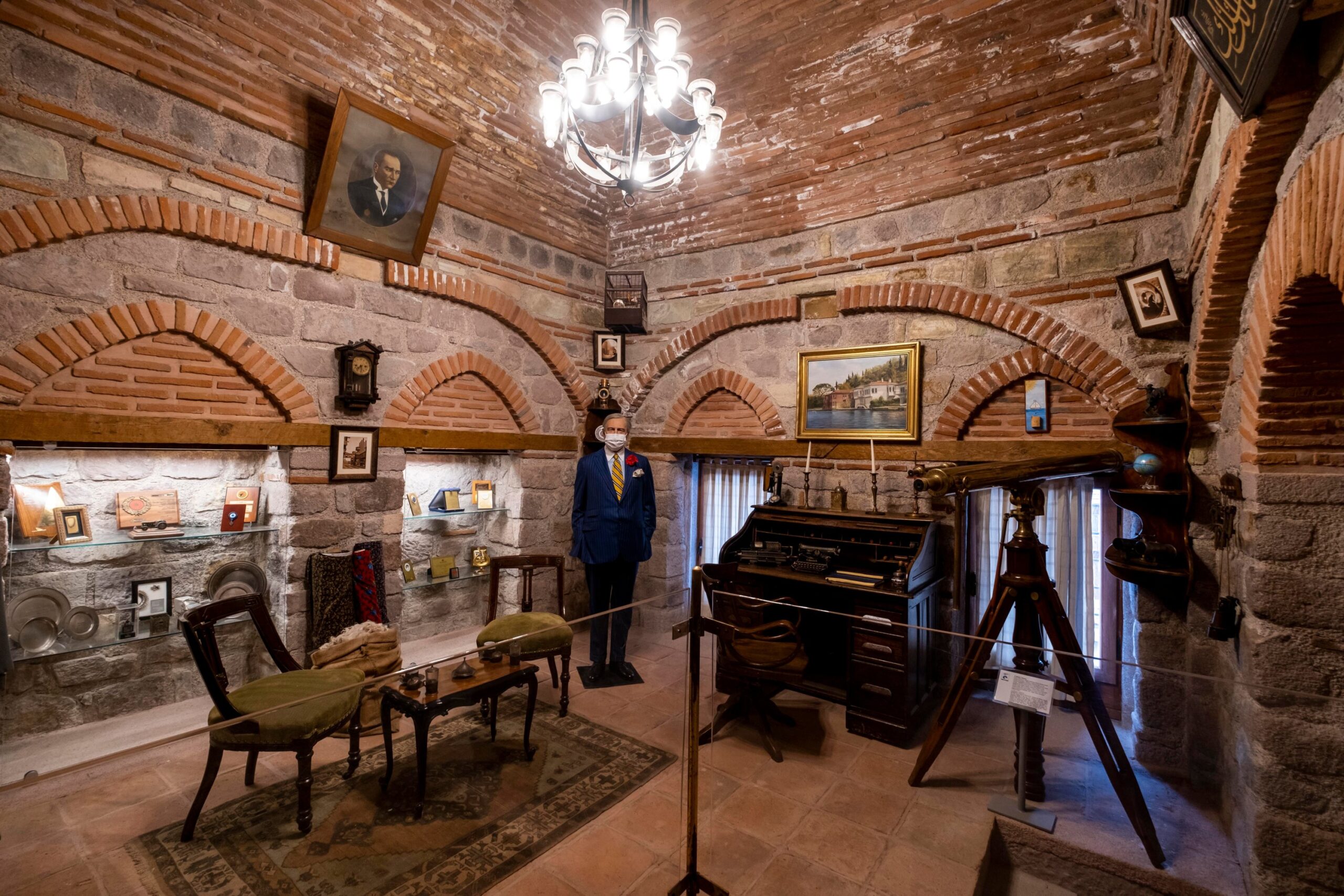
The Istanbul Military Museum (Askerî Müze) is a treasure trove of military history and artifacts that span over a millennium. Housed in the former Ottoman Imperial Military Academy, the museum offers a comprehensive overview of the military heritage of the region, from the Byzantine era through the Ottoman Empire and into the modern Turkish Republic. Key exhibits include an extensive collection of Ottoman weapons, armor, uniforms, and battle standards, as well as detailed dioramas and maps depicting significant battles and campaigns.
Camlica Hill
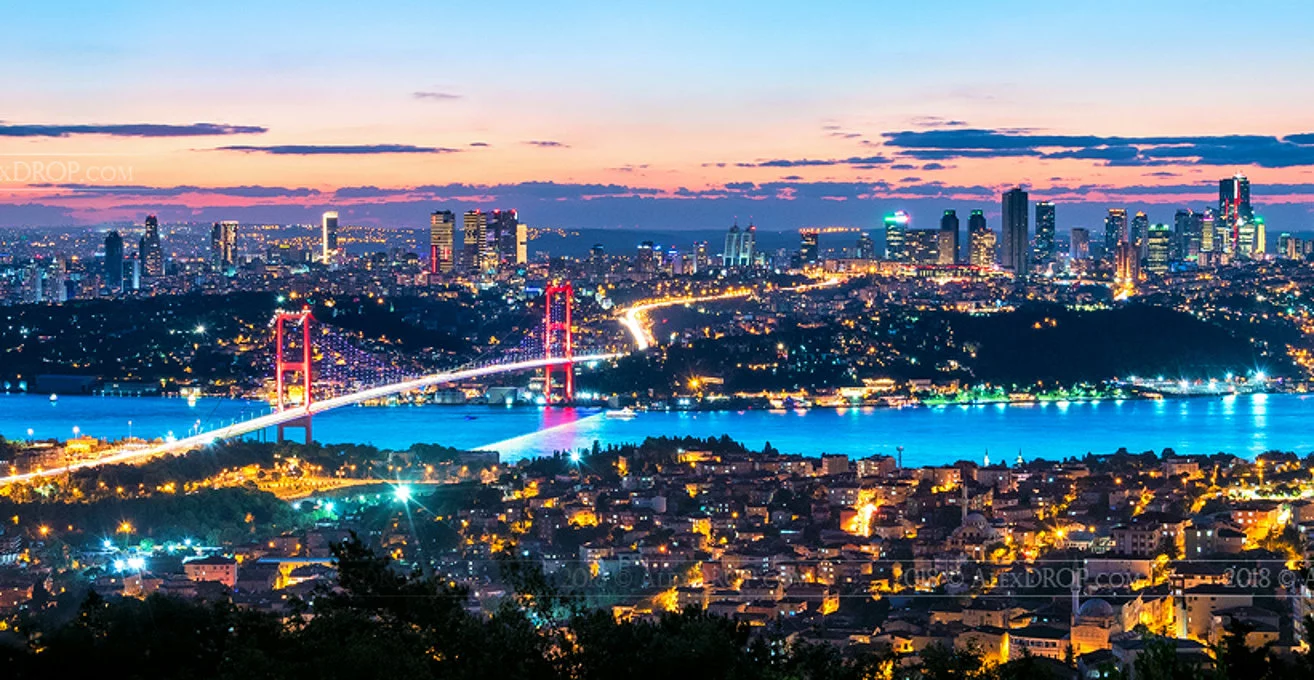
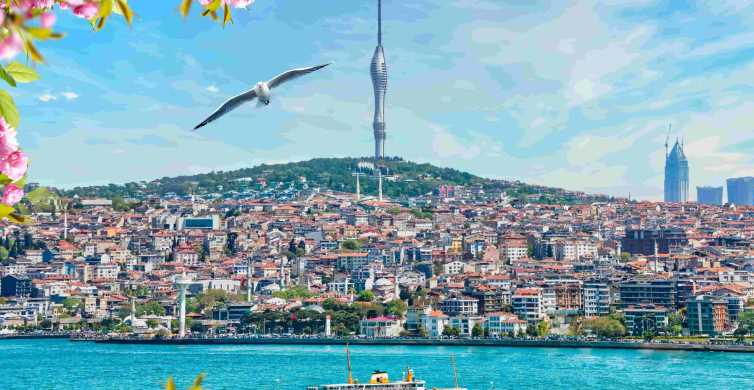
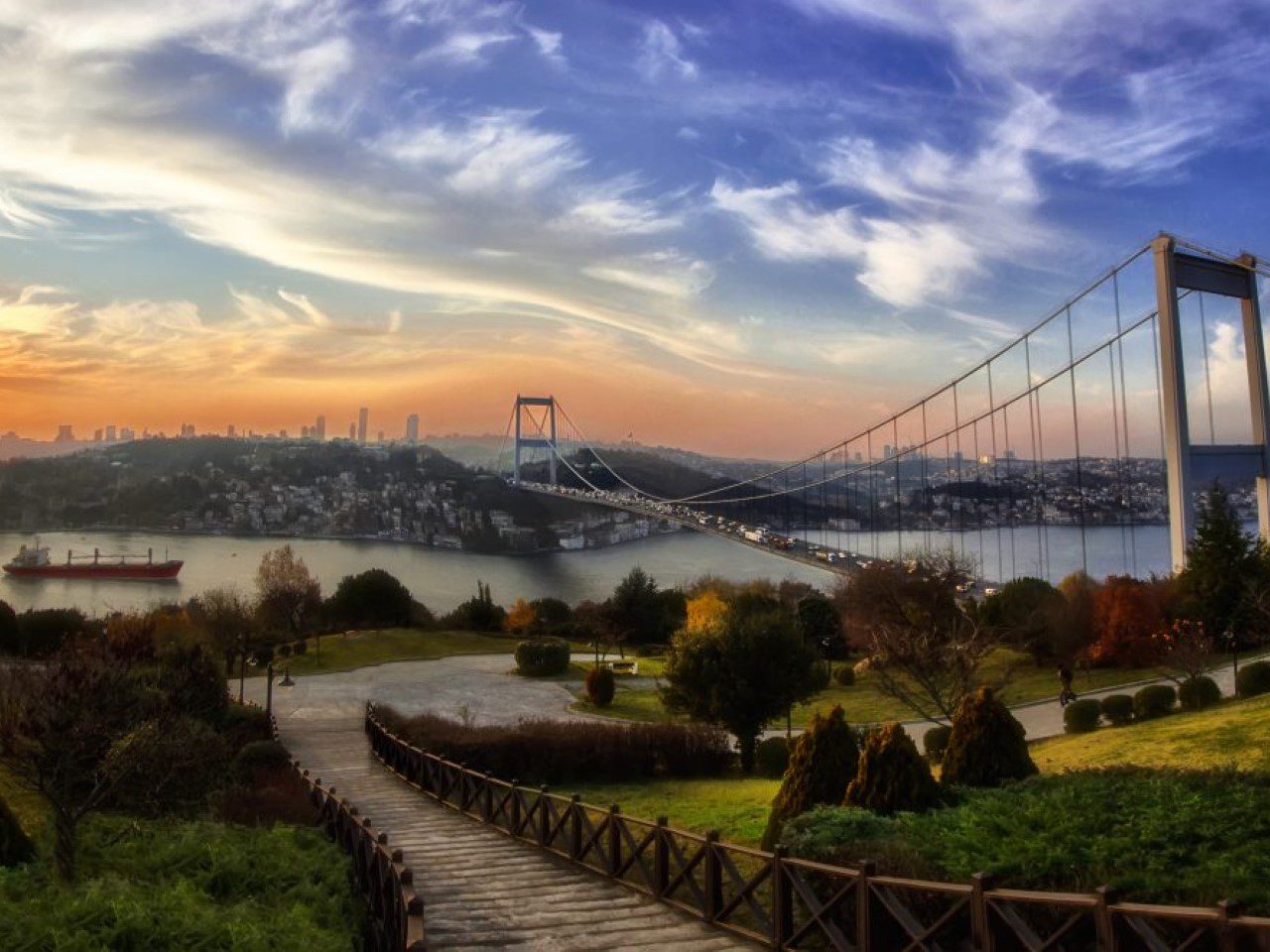
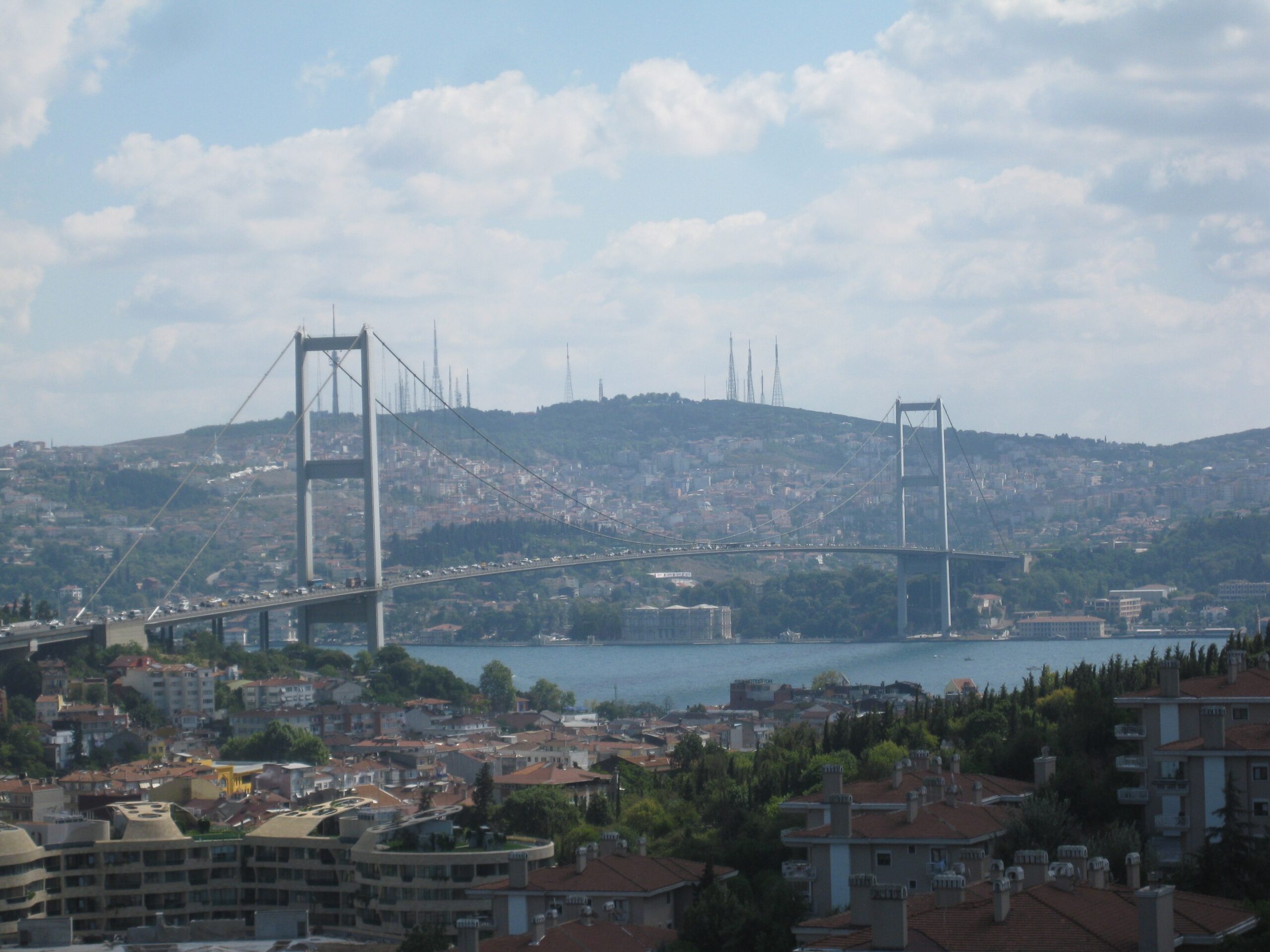
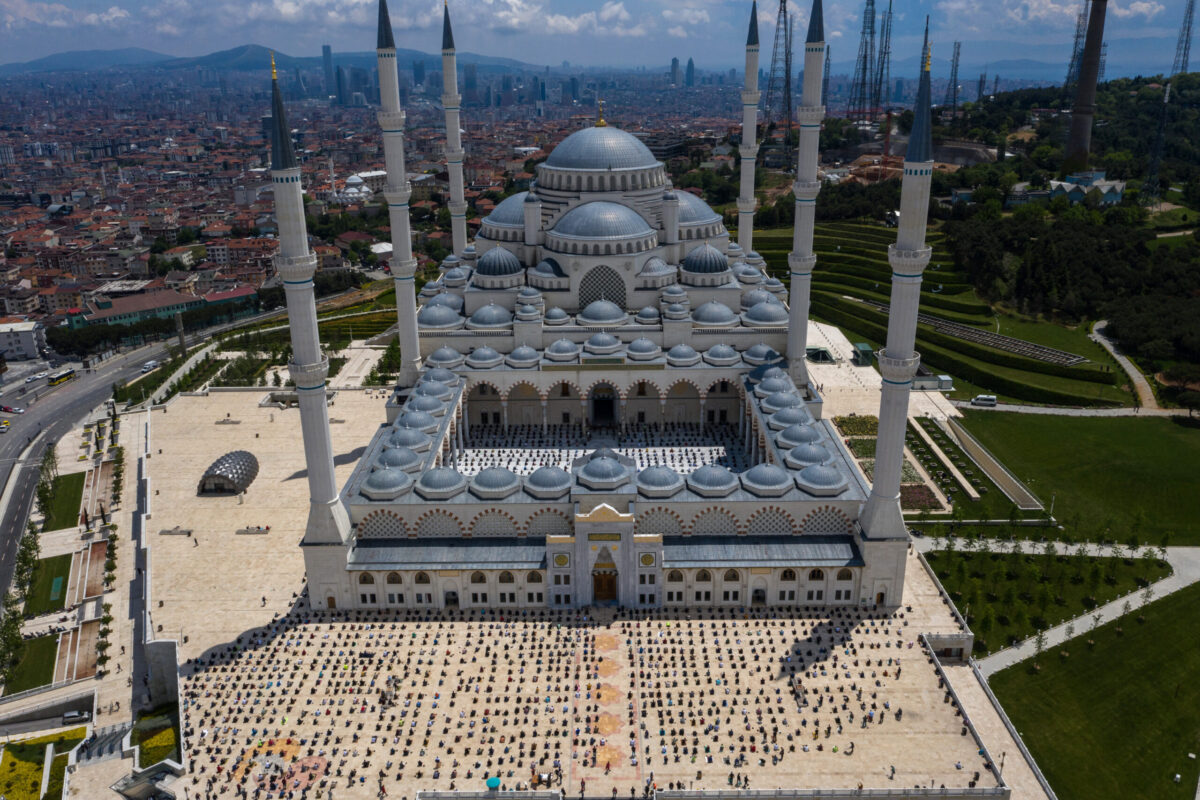
Çamlıca Hill, located on the Asian side of Istanbul, Turkey, is one of the city's highest and most scenic vantage points, offering breathtaking panoramic views of the Bosphorus, the Sea of Marmara, and the sprawling metropolis of Istanbul. The hill is divided into two main sections: Büyük Çamlıca (Big Çamlıca) and Küçük Çamlıca (Little Çamlıca), both renowned for their lush greenery, beautiful gardens, and tranquil picnic spots. Historically, Çamlıca Hill has been a favorite leisure destination for locals and visitors alike, providing a serene escape from the bustling city below. In addition to its natural beauty, Çamlıca Hill is home to several important landmarks, including the grand Çamlıca Mosque, one of the largest mosques in Turkey, completed in 2019.
Çukurcuma
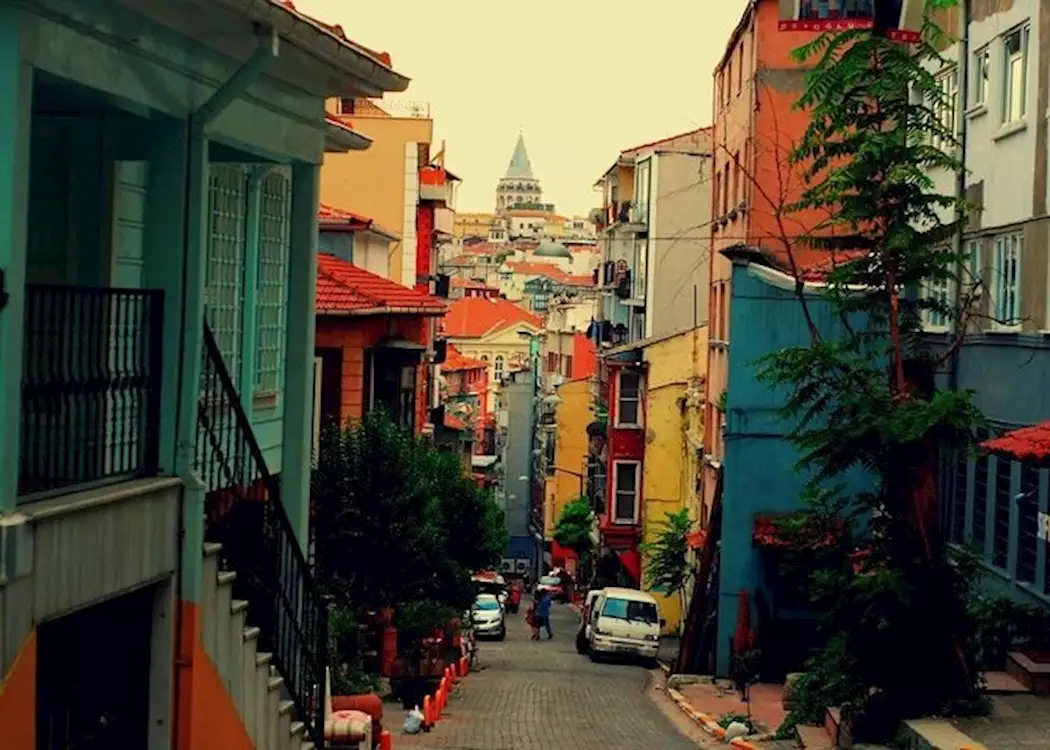
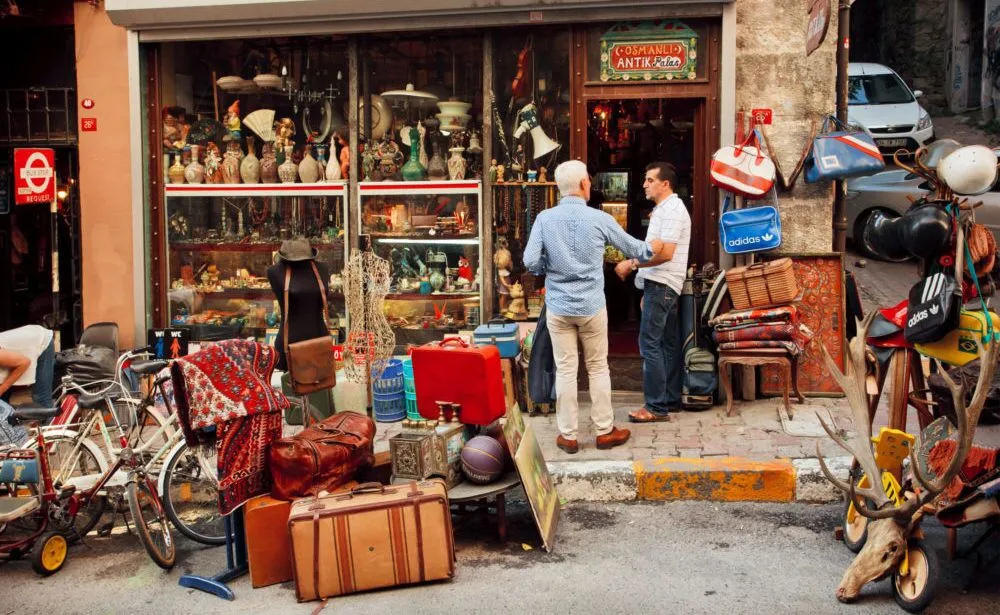
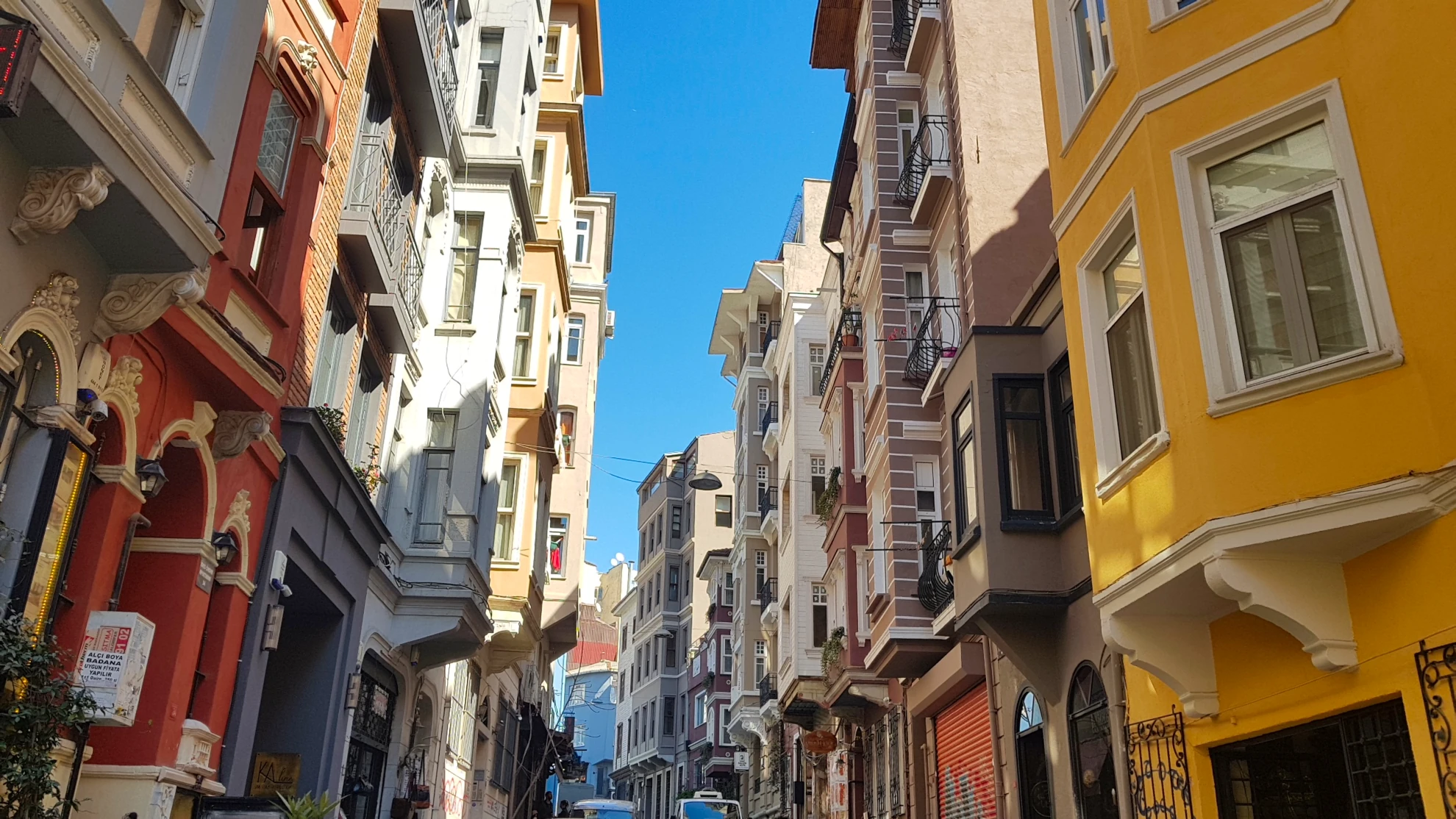
Çukurcuma is a quaint and culturally rich neighborhood nestled in the Beyoğlu district of Istanbul. Known for its charming narrow streets and historic architecture, Çukurcuma is a haven for antique lovers, artists, and those seeking a taste of Istanbul's bohemian spirit. The area is dotted with numerous antique shops, vintage boutiques, art galleries, and cozy cafes, offering a unique shopping and cultural experience.
Historically, Çukurcuma has been home to various communities, including Armenians, Greeks, and Jews, which is reflected in its diverse architectural styles and cultural landmarks. One of the neighborhood's notable attractions is the Museum of Innocence, founded by Nobel laureate Orhan Pamuk. The museum, inspired by Pamuk's novel of the same name, provides an intimate glimpse into the lives of Istanbul's residents through meticulously curated artifacts and personal stories.
Theodosius Cistern
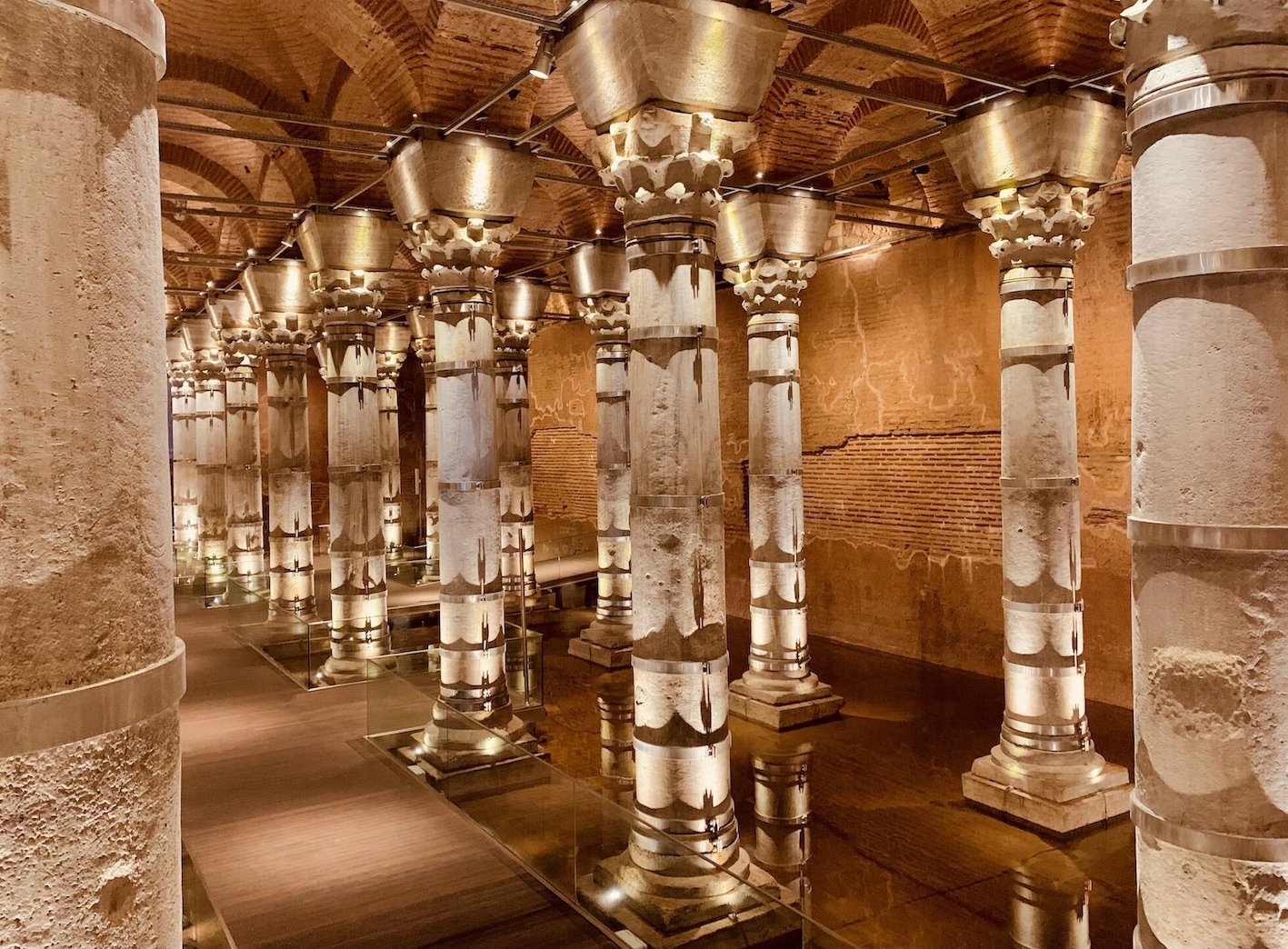
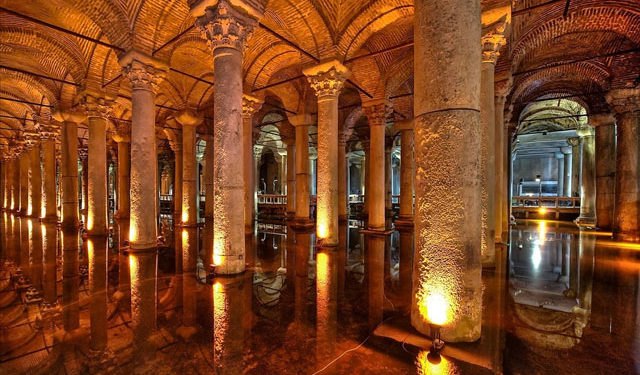
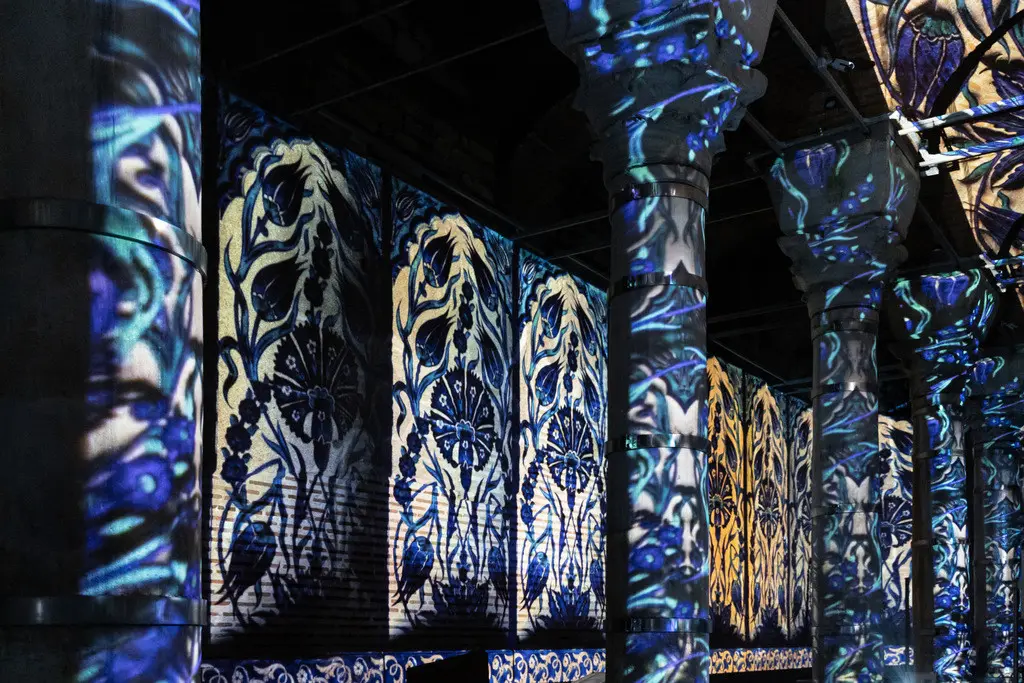
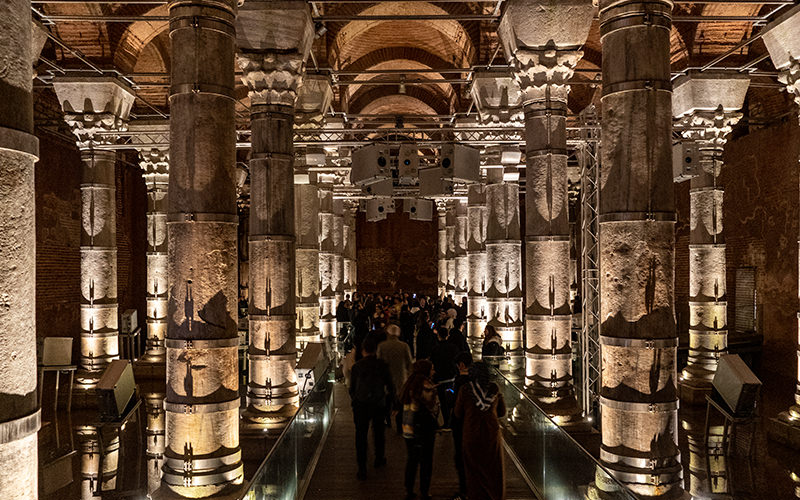
The Theodosius Cistern, also known as Şerefiye Cistern, is an ancient underground water reservoir located in the historic Sultanahmet district. Constructed during the reign of Emperor Theodosius II in the 5th century, this cistern was part of the city's extensive water supply system, designed to store and supply water to Constantinople, the capital of the Byzantine Empire. The Theodosius Cistern is smaller yet exquisitely preserved compared to the more famous Basilica Cistern.
Fener & Balat
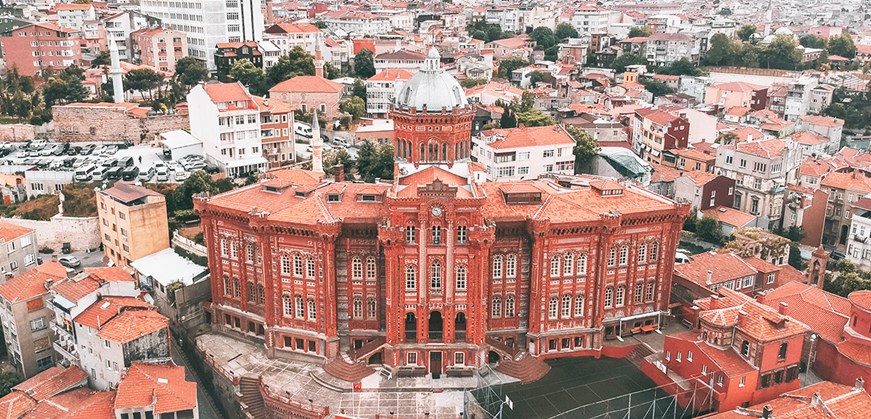
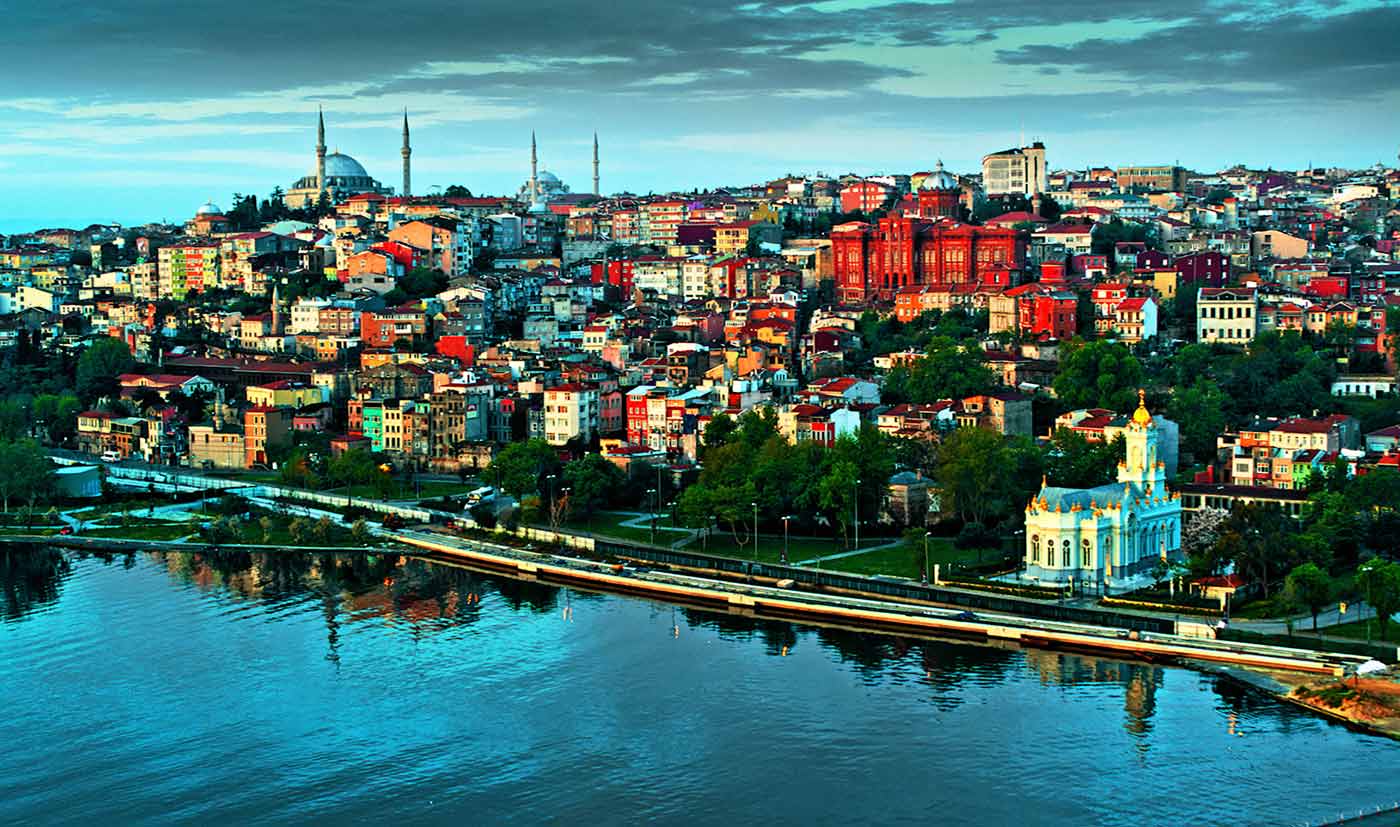
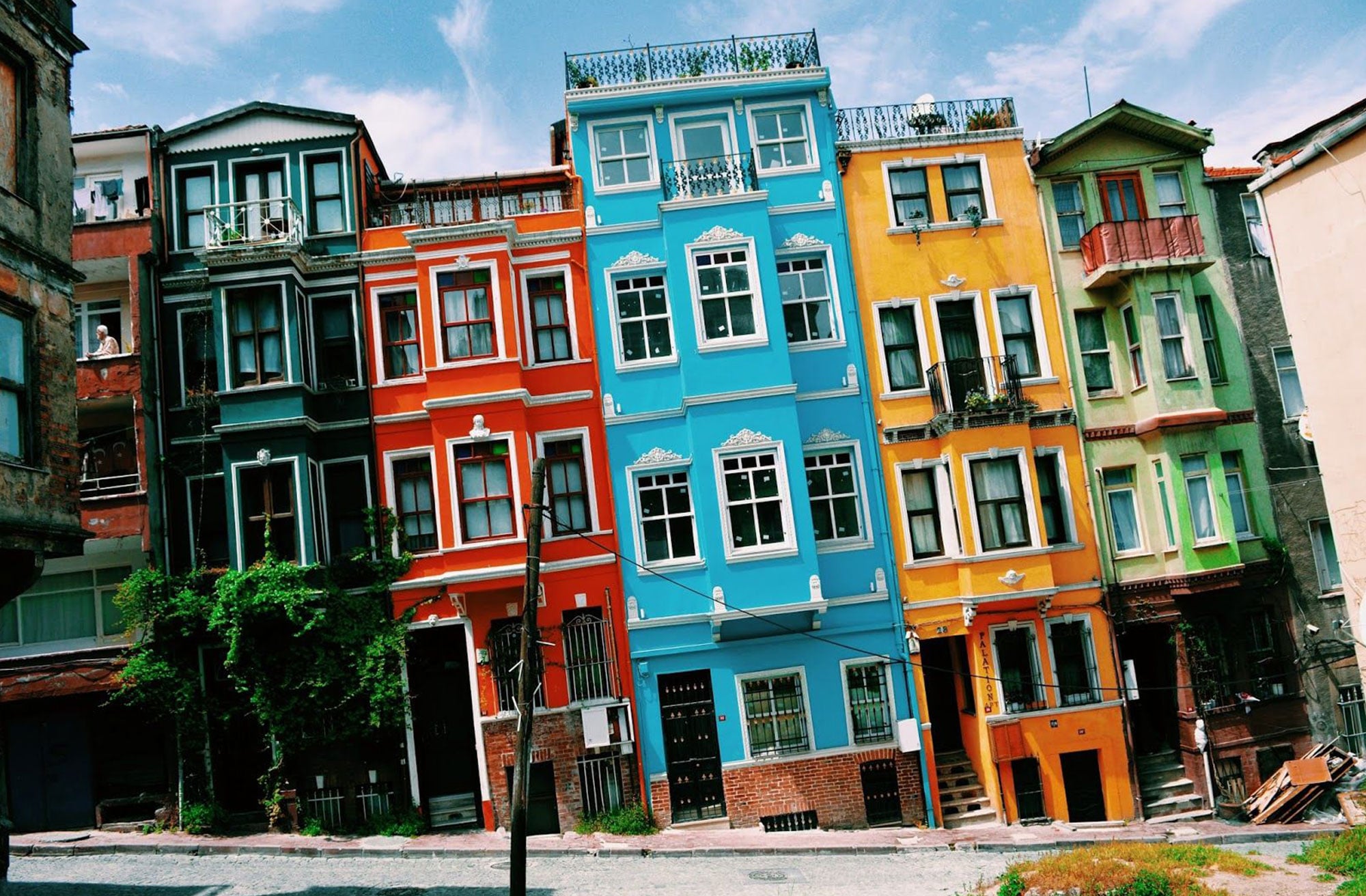
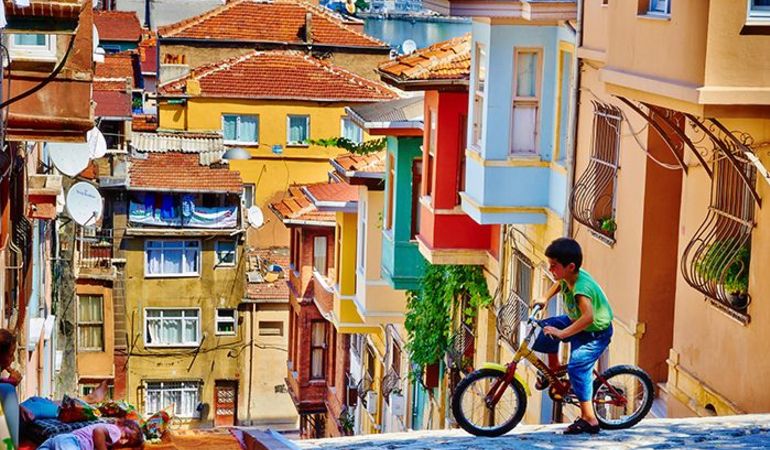
Fener and Balat are two adjacent historic neighborhoods located along the Golden Horn in Istanbul. These areas are known for their rich cultural heritage, vibrant streets, and a unique blend of Byzantine, Ottoman, and Greek influences. Fener has historically been the center of Istanbul's Greek Orthodox community and is home to the Ecumenical Patriarchate of Constantinople, often referred to as the Vatican of the Eastern Orthodox Church. The neighborhood is filled with colorful wooden houses, narrow cobblestone streets, and several important churches, including the Church of St. George.
Balat, on the other hand, was traditionally a Jewish quarter and features an array of synagogues, historic houses, and lively markets. The neighborhood's history dates back to the Byzantine period, and it has maintained its eclectic character through centuries of diverse inhabitants. Today, Fener and Balat are popular destinations for both locals and tourists, offering a glimpse into Istanbul's multicultural past. Visitors can explore the area's vibrant street art, quaint cafes, and antique shops while soaking in the historical ambiance that these neighborhoods so richly provide.
Karaköy
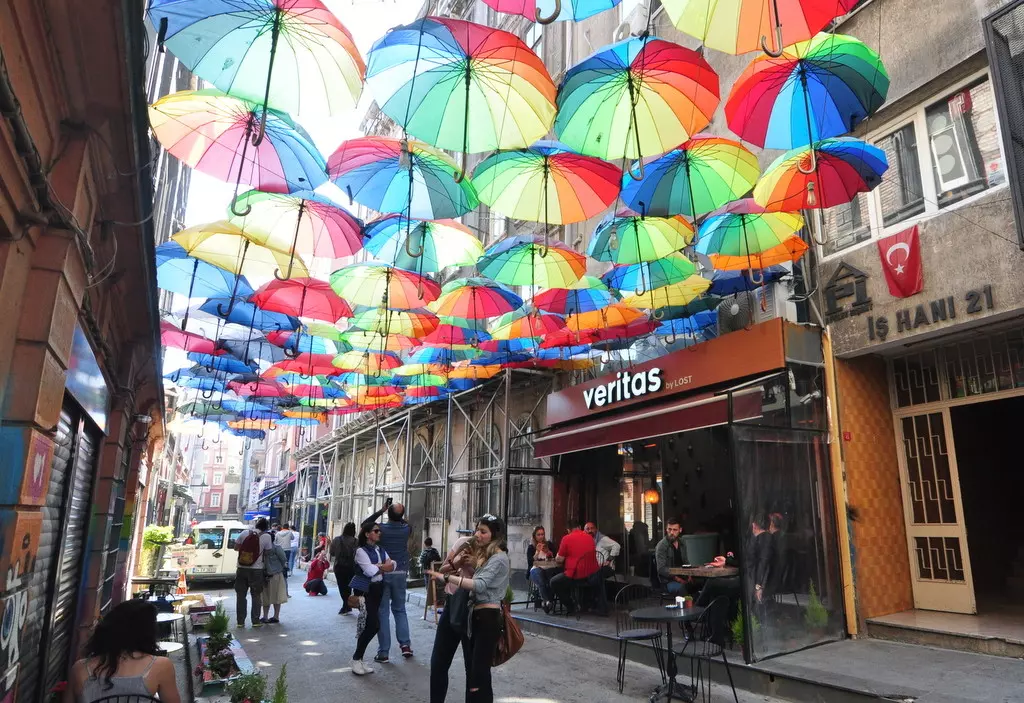
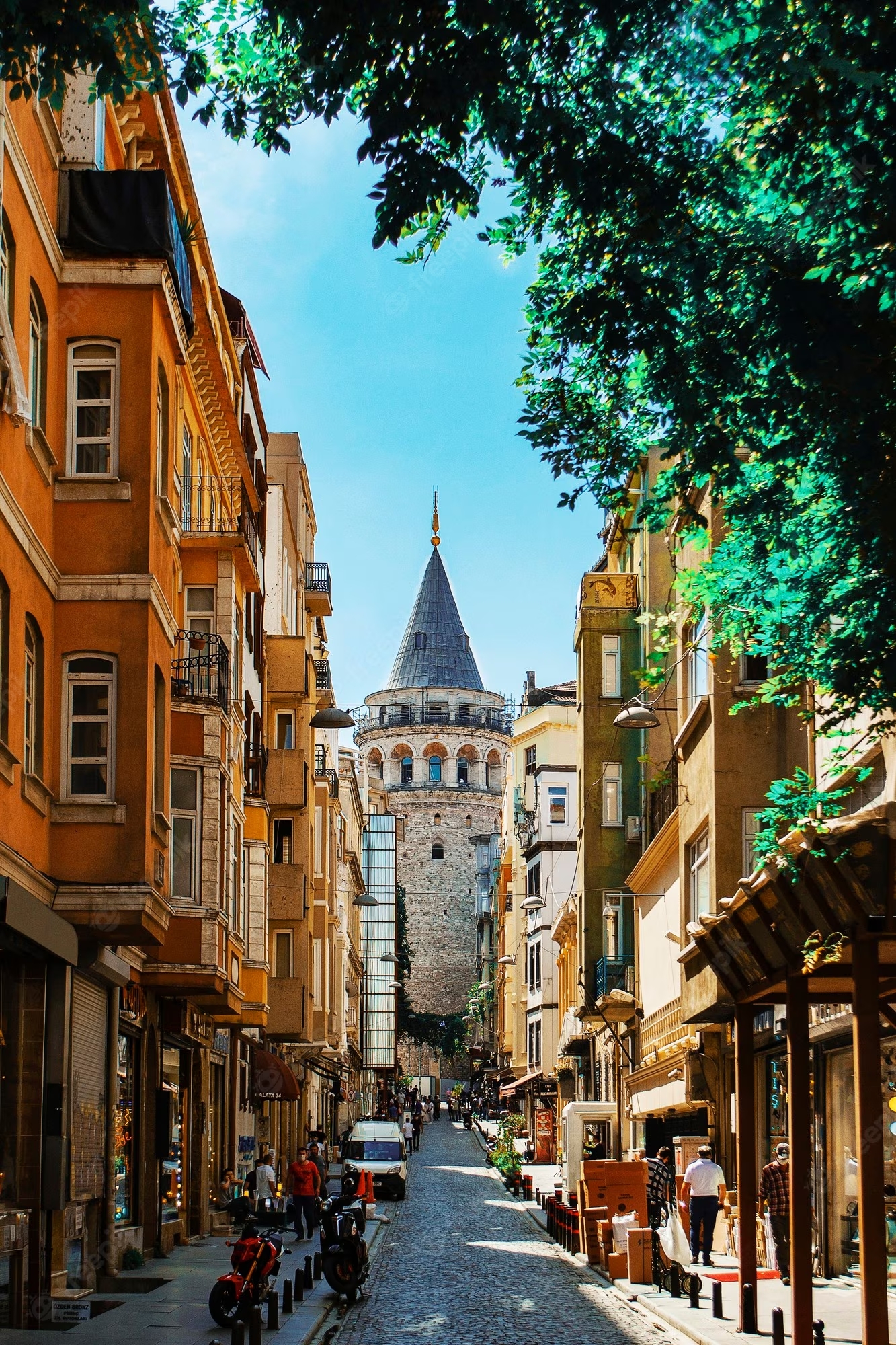
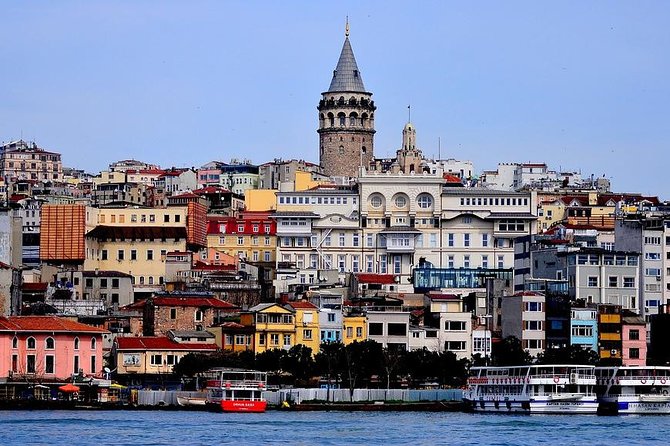
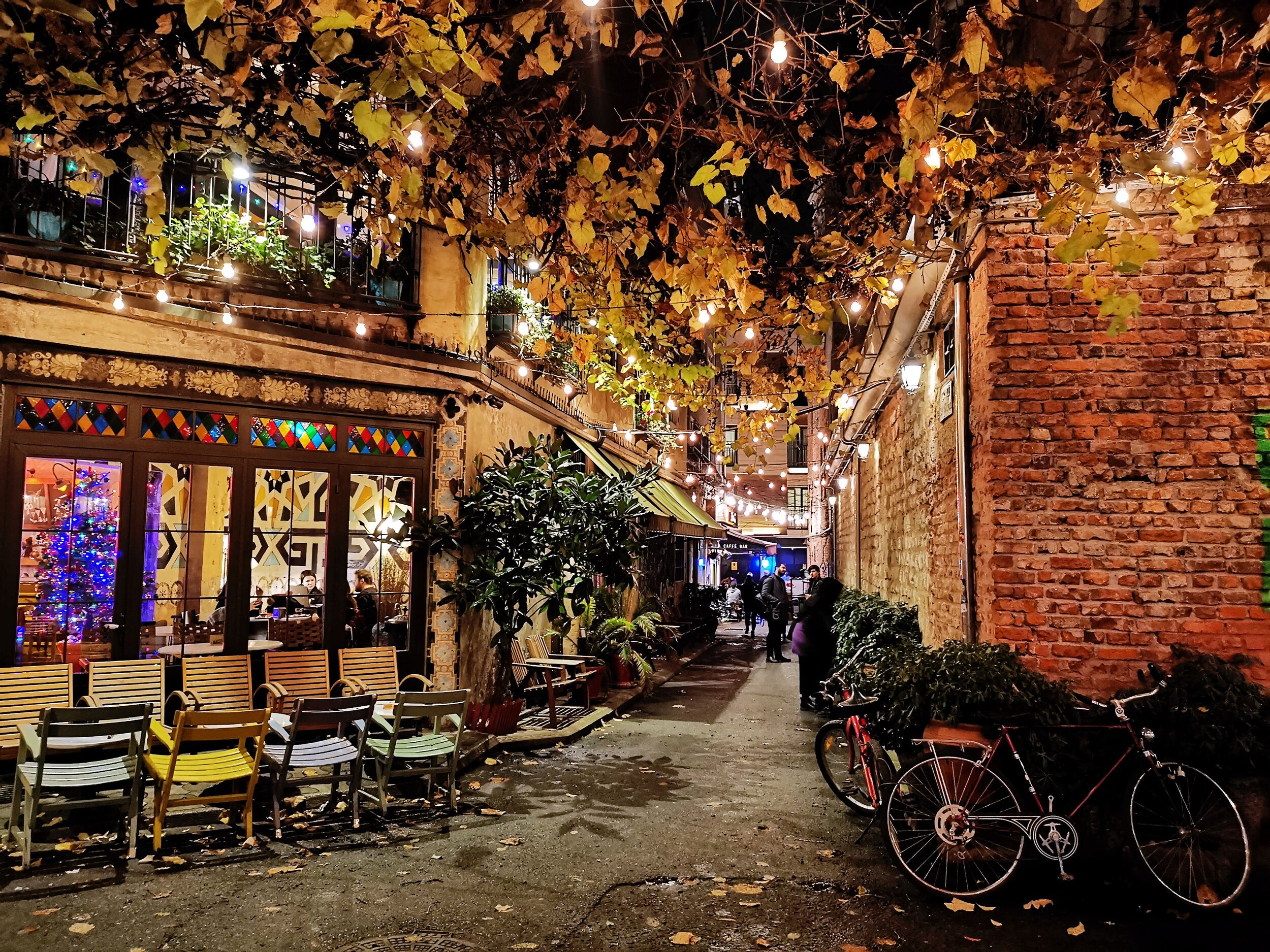
Karaköy is a vibrant and historically significant neighborhood located on the northern shore of the Golden Horn in Istanbul. Once known as Galata, Karaköy has been a major commercial and maritime hub since Byzantine and Ottoman times. The area is characterized by its eclectic mix of old and new, with historic buildings, modern art galleries, trendy boutiques, and a plethora of cafes and restaurants.
One of the most iconic landmarks in Karaköy is the Galata Tower, a medieval stone tower that offers panoramic views of Istanbul. The neighborhood is also home to numerous historic churches, mosques, and synagogues, reflecting its diverse cultural and religious history. Notably, the Kamondo Stairs, an elegant, curving staircase built in the 19th century, is a popular spot for both tourists and locals.
Kariye Camii
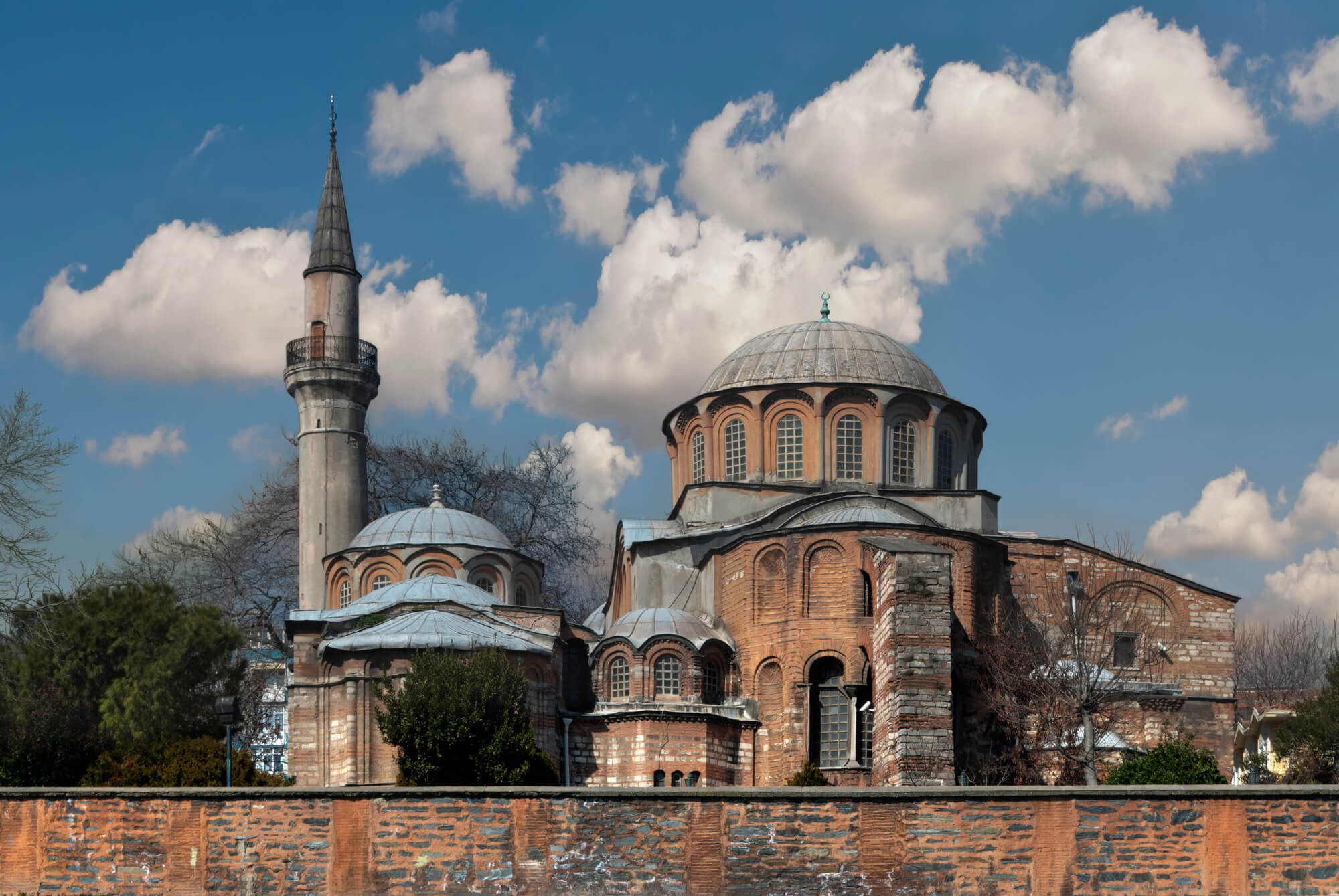
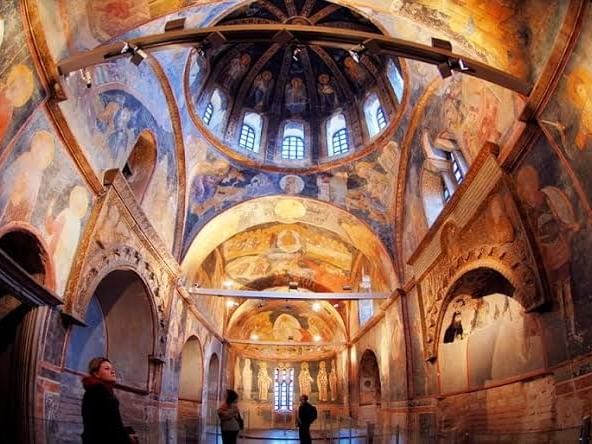
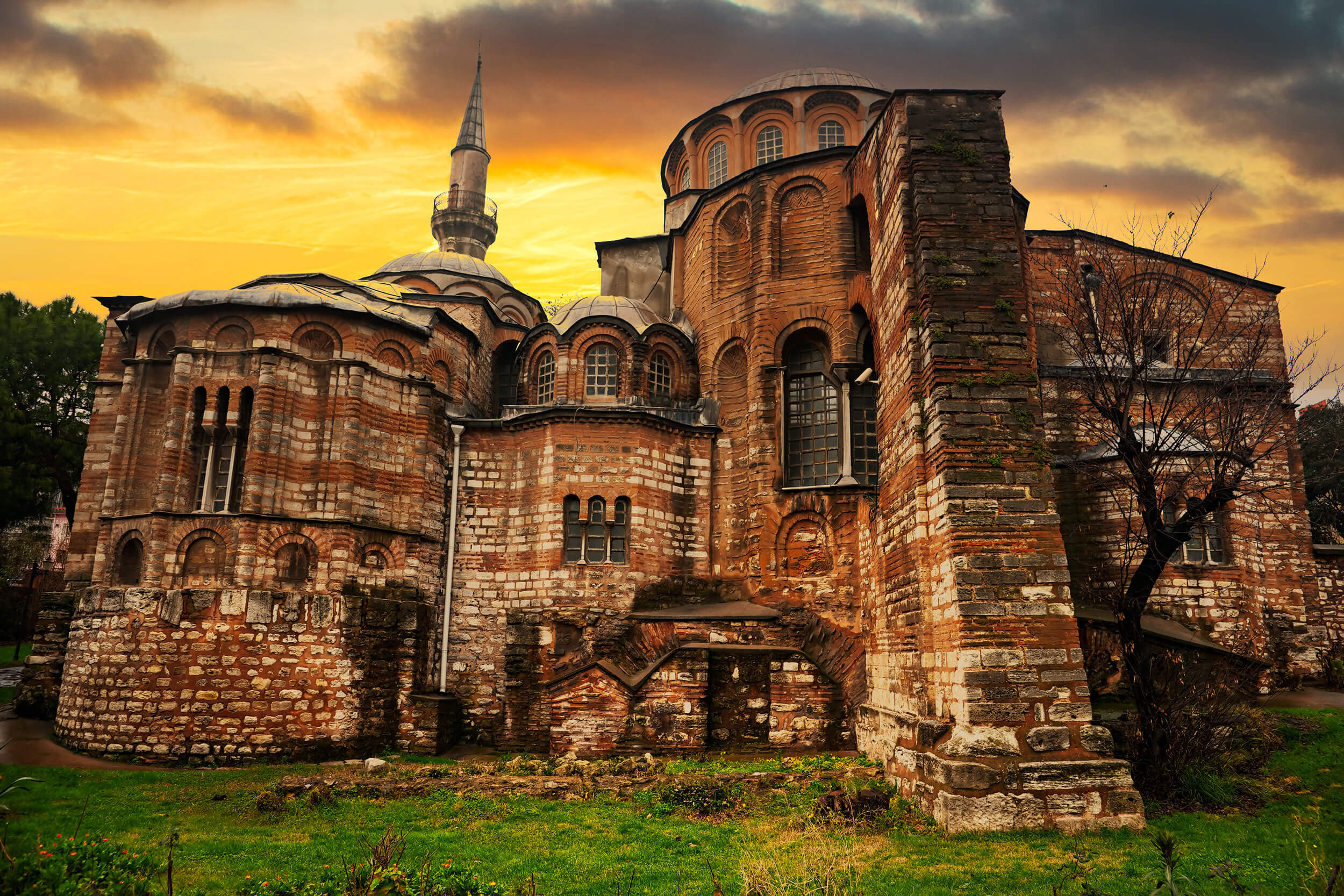
Kariye Camii, also known as the Chora Church, is a former Byzantine church and mosque located in the Edirnekapı neighborhood of Istanbul. Originally built as part of a monastery complex in the 4th century, it was rebuilt and adorned with stunning mosaics and frescoes during the 14th century, showcasing some of the finest examples of Byzantine art. These artworks depict scenes from the life of Christ and the Virgin Mary, offering a vivid glimpse into the religious and artistic culture of the Byzantine Empire. Converted into a mosque during the Ottoman era and later into a museum, Kariye Camii stands as a testament to the city's layered history and cultural richness, attracting visitors who admire its intricate and well-preserved mosaics and frescoes.
Süleymaniye Mosque
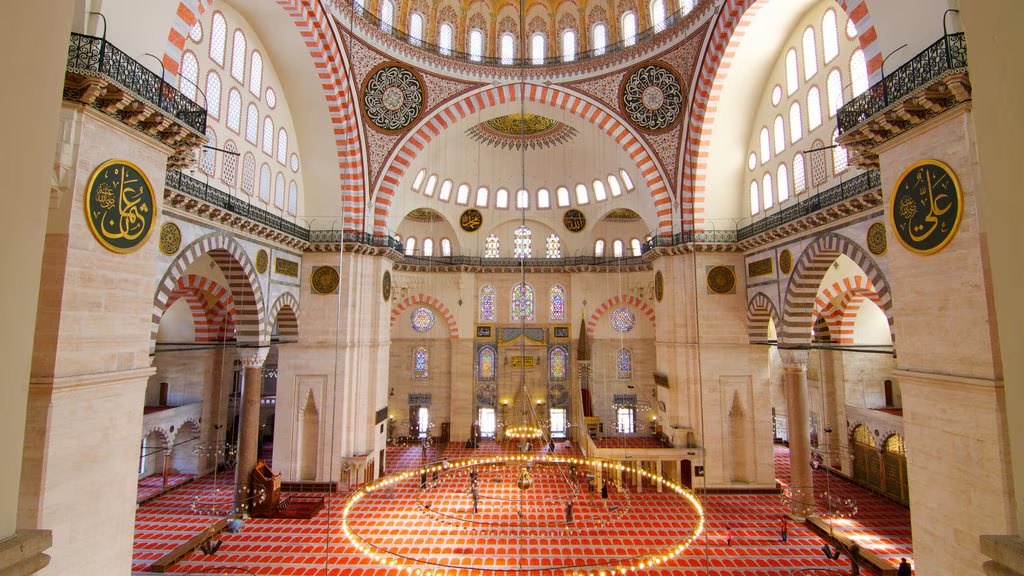
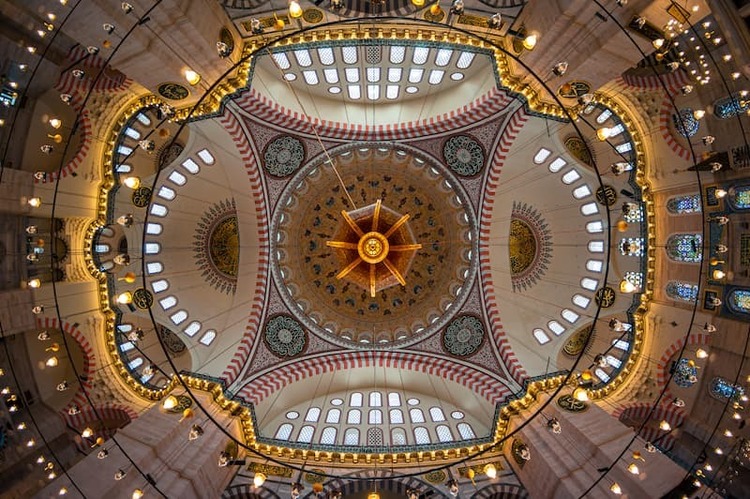
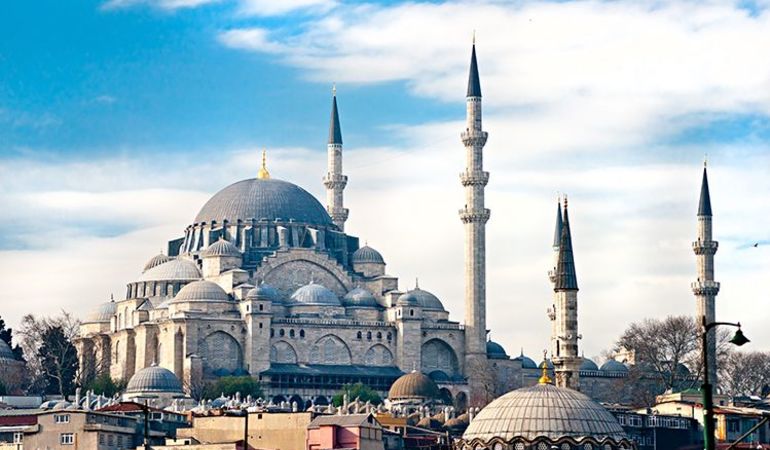
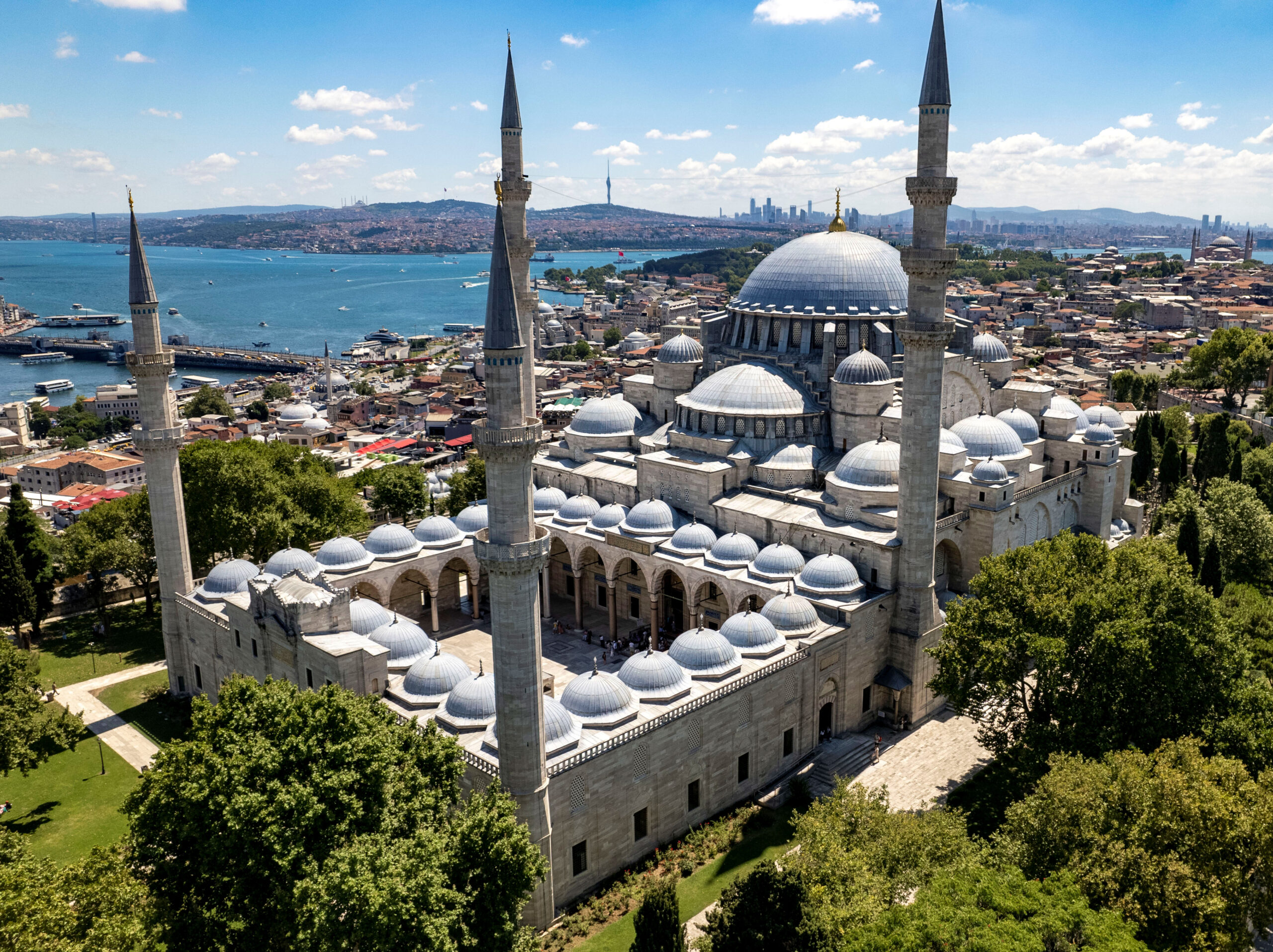
The Süleymaniye Mosque, an iconic masterpiece of Ottoman architecture, is located on the Third Hill of Istanbul. Commissioned by Sultan Suleiman the Magnificent and designed by the renowned architect Mimar Sinan, the mosque was completed in 1557. It stands as one of the largest and most majestic mosques in Istanbul, featuring a grand central dome, four towering minarets, and an expansive courtyard. The interior is equally impressive, with elegant calligraphy, intricate tile work, and a serene atmosphere. The complex also includes a hospital, a kitchen, a school, and the tombs of Sultan Suleiman and his wife Hürrem Sultan, reflecting its historical and cultural significance. Overlooking the Golden Horn, the Süleymaniye Mosque offers breathtaking views of Istanbul and remains a symbol of the city's rich Ottoman heritage.
Çamlıca Mosque
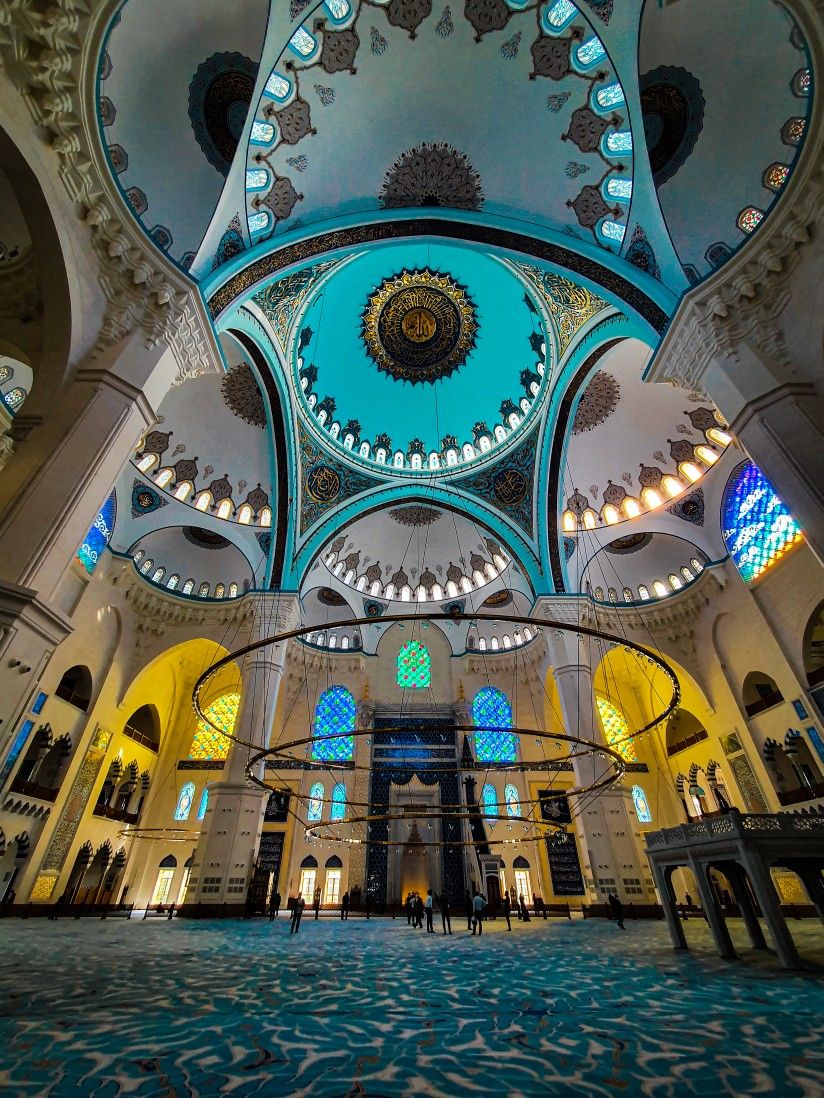
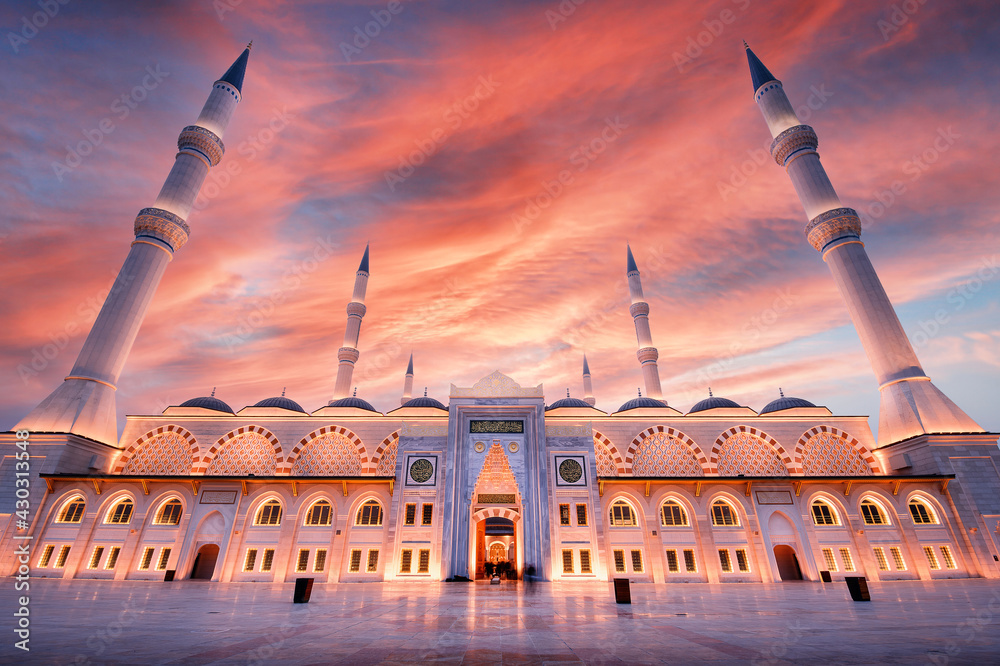
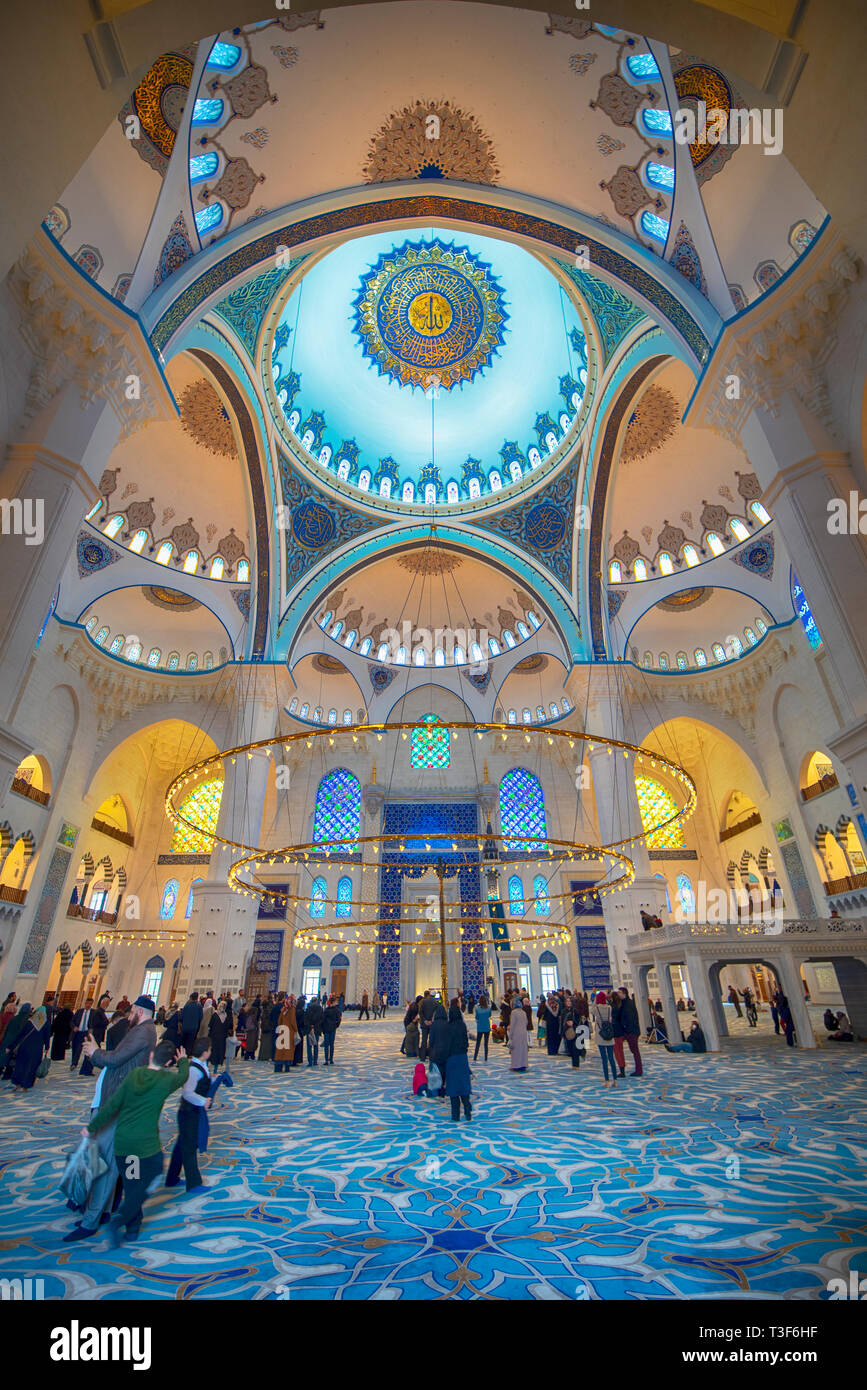
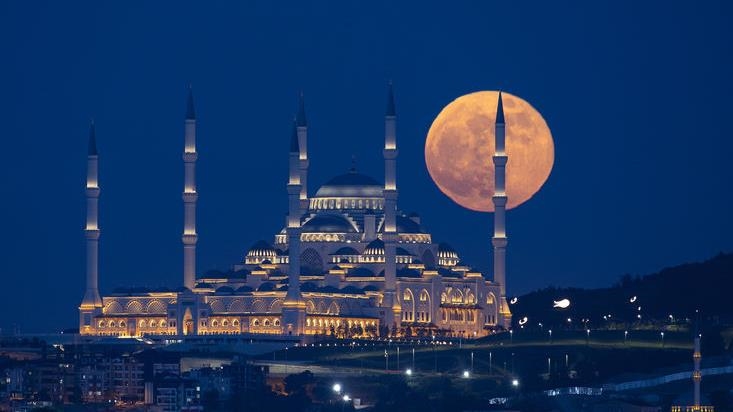
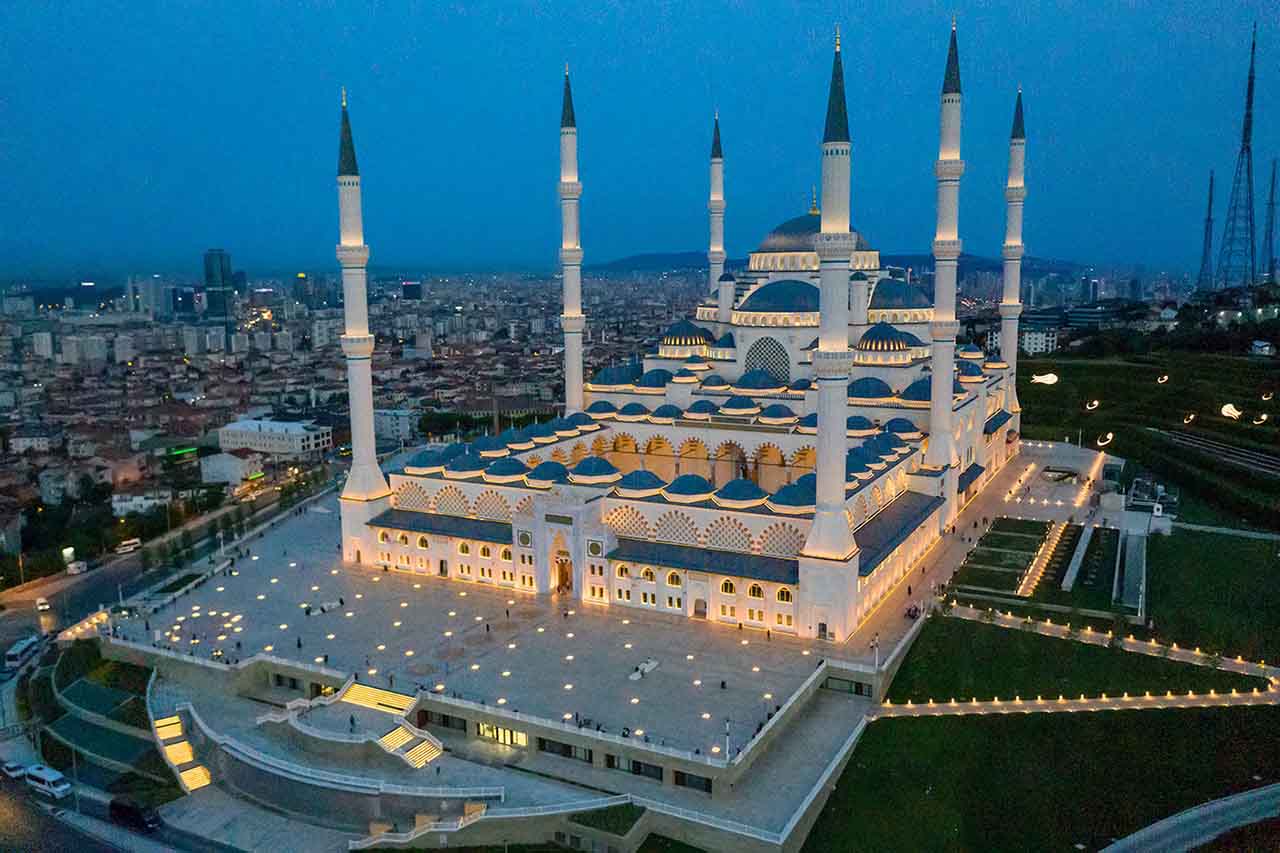
The Çamlıca Mosque, located on Çamlıca Hill on the Asian side of Istanbul, is the largest mosque in the country and a remarkable example of contemporary Ottoman-inspired architecture. Completed in 2019, the mosque can accommodate up to 63,000 worshippers and features six minarets, symbolizing the six articles of Islamic faith. Its grand design includes a massive central dome, spacious courtyards, and beautifully adorned interiors with intricate calligraphy and tile work. The complex also houses a museum, an art gallery, a library, and a conference hall, making it a significant cultural and social center. Perched atop one of Istanbul's highest points, the Çamlıca Mosque offers stunning panoramic views of the city and the Bosphorus, serving as a prominent landmark and a testament to modern Islamic architectural achievements.
Marmara İlahiyat Mosque
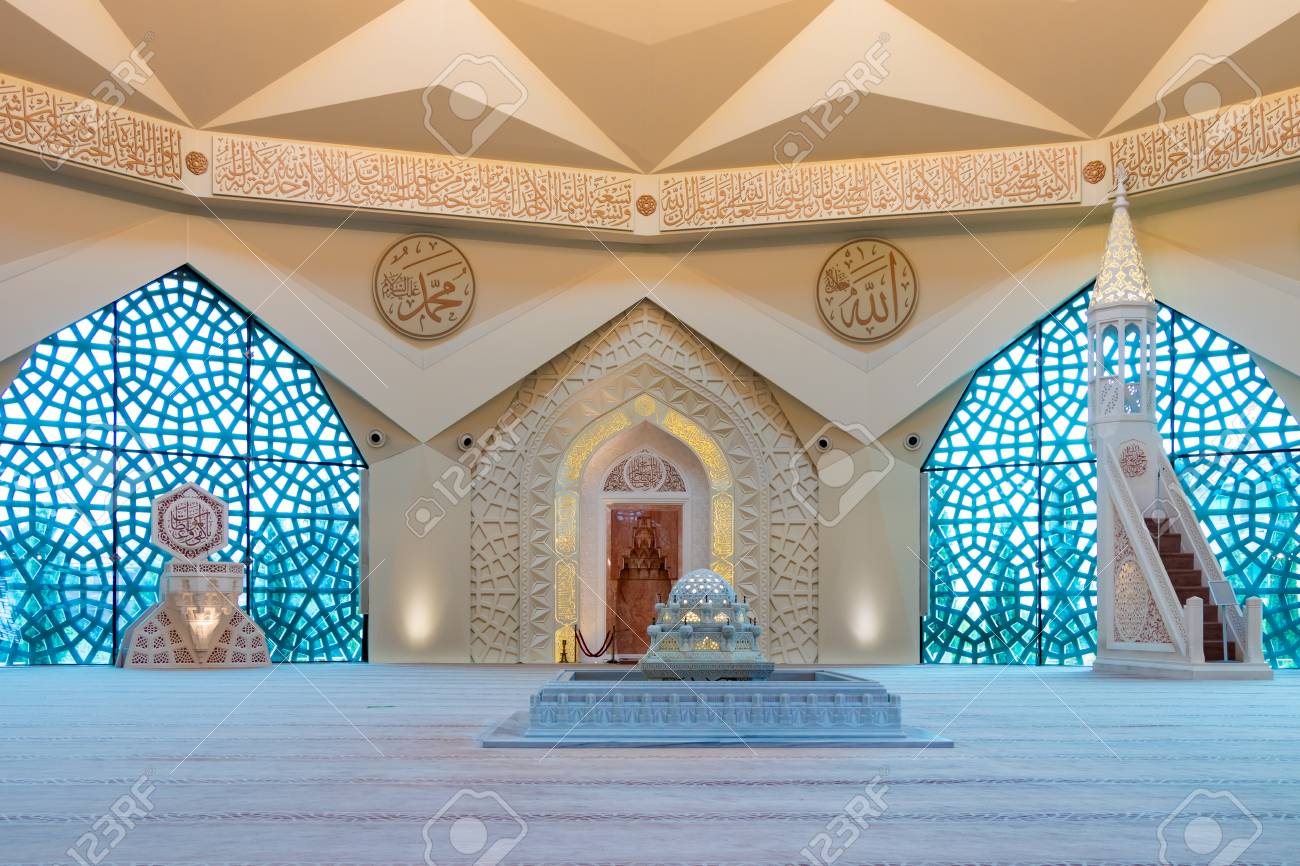
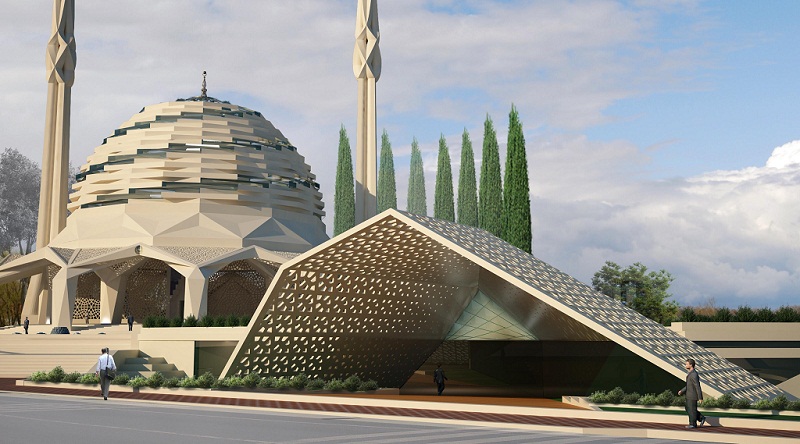
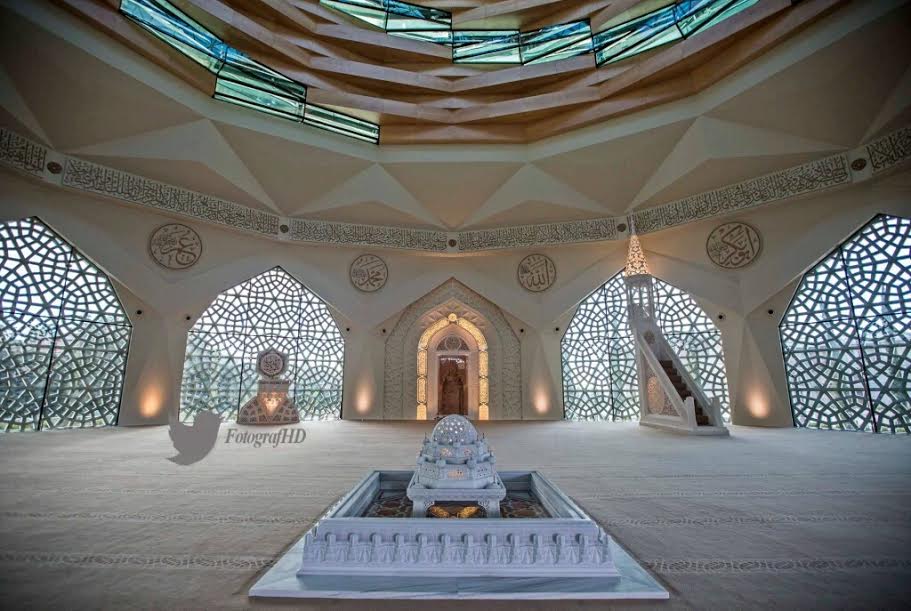
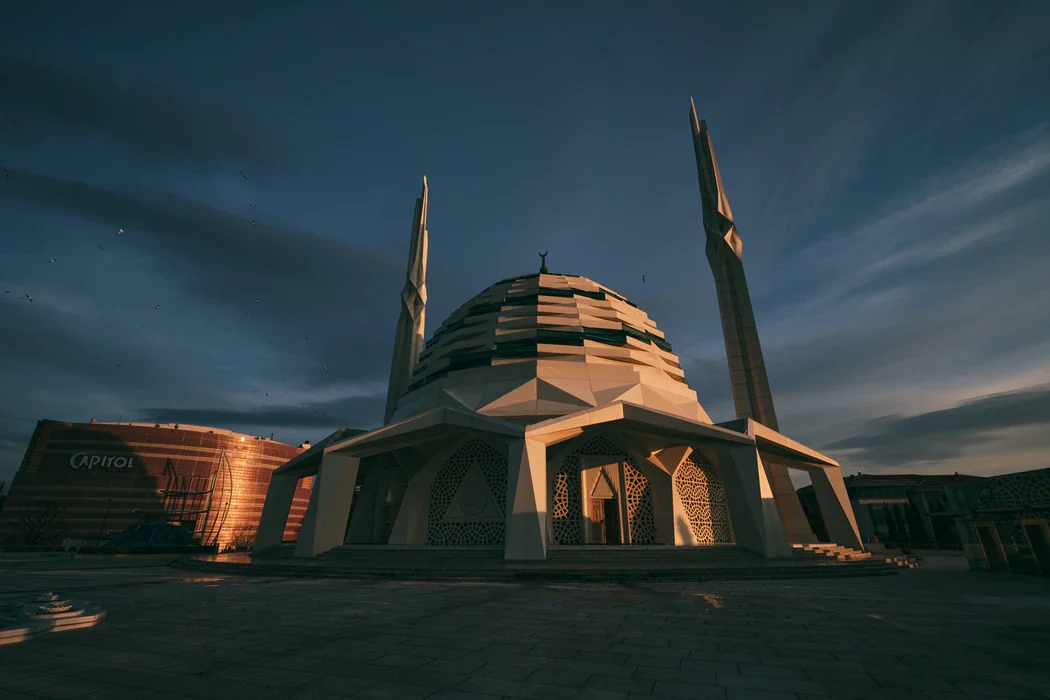
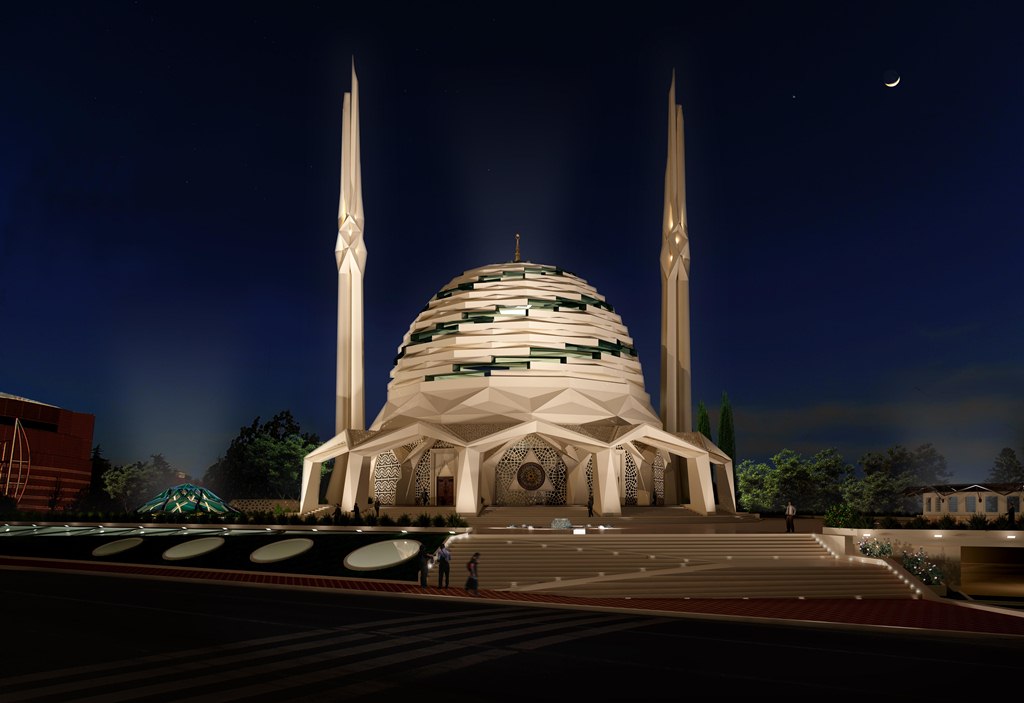
The Marmara İlahiyat Mosque, located within the campus of Marmara University's Faculty of Theology in Istanbul, is a contemporary mosque renowned for its modern architectural design and academic significance. Completed in 2015, the mosque features a striking blend of traditional Islamic elements with modern aesthetics, including a large, open prayer hall illuminated by natural light, minimalist interior decorations, and a spacious courtyard. The design emphasizes simplicity and serenity, creating an environment conducive to both worship and study. As part of a leading theological faculty, the mosque serves not only as a place of daily prayer for students and faculty but also as a hub for various religious and educational activities, reflecting the integration of faith and scholarship. The Marmara İlahiyat Mosque stands as a symbol of modern Islamic architecture and the progressive spirit of contemporary theological education.
CAPPADOCIA
Göreme Open Air Museum
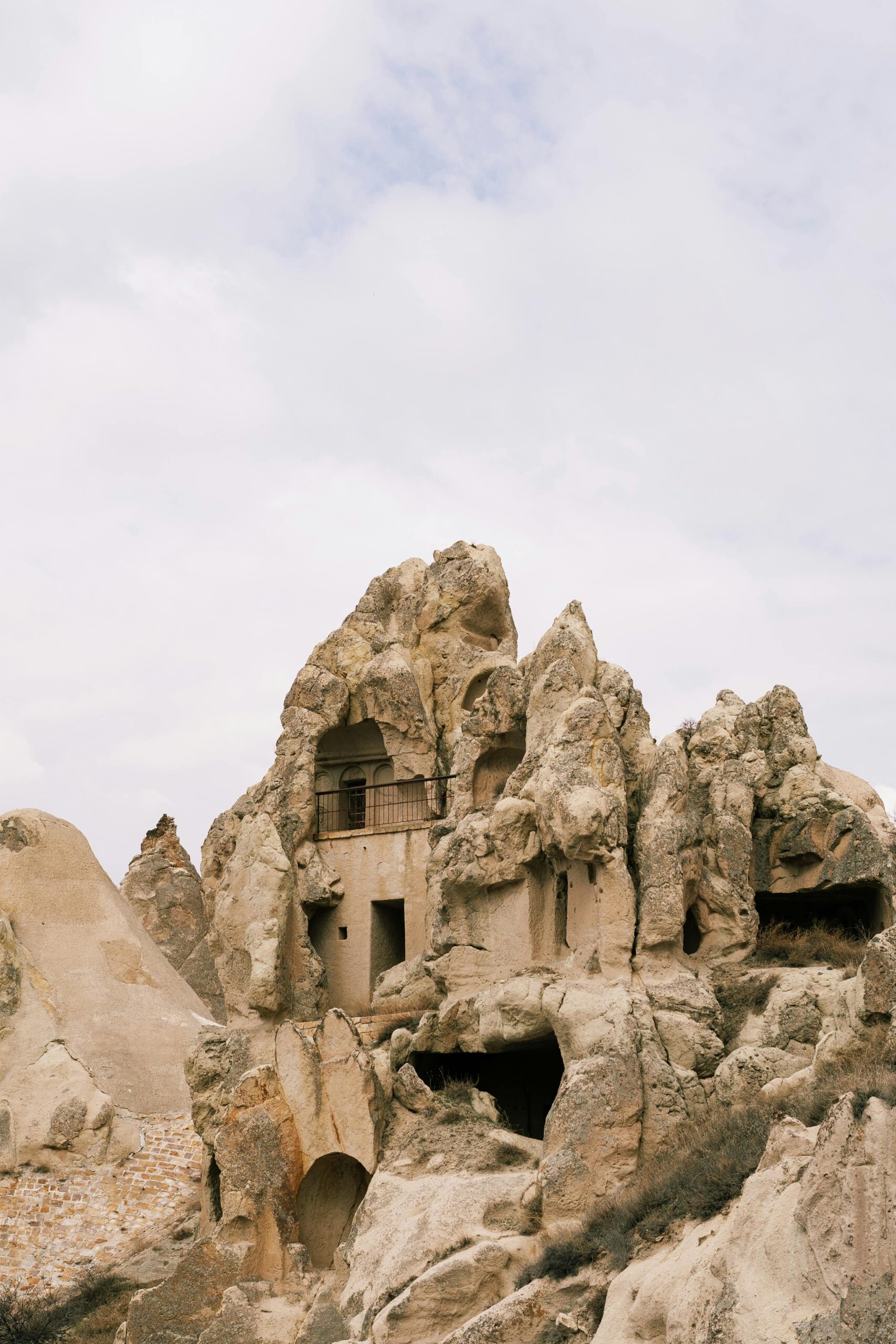
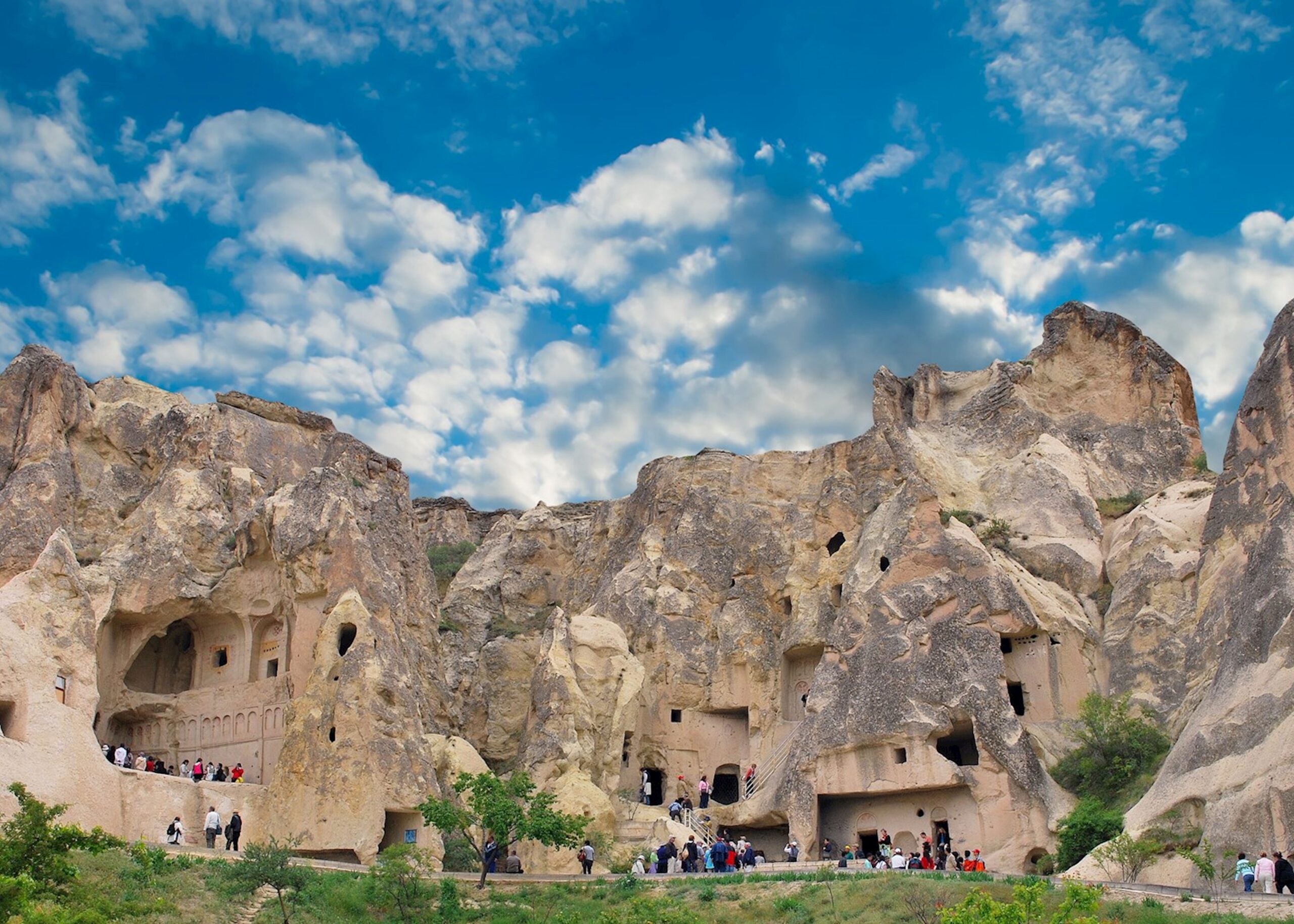
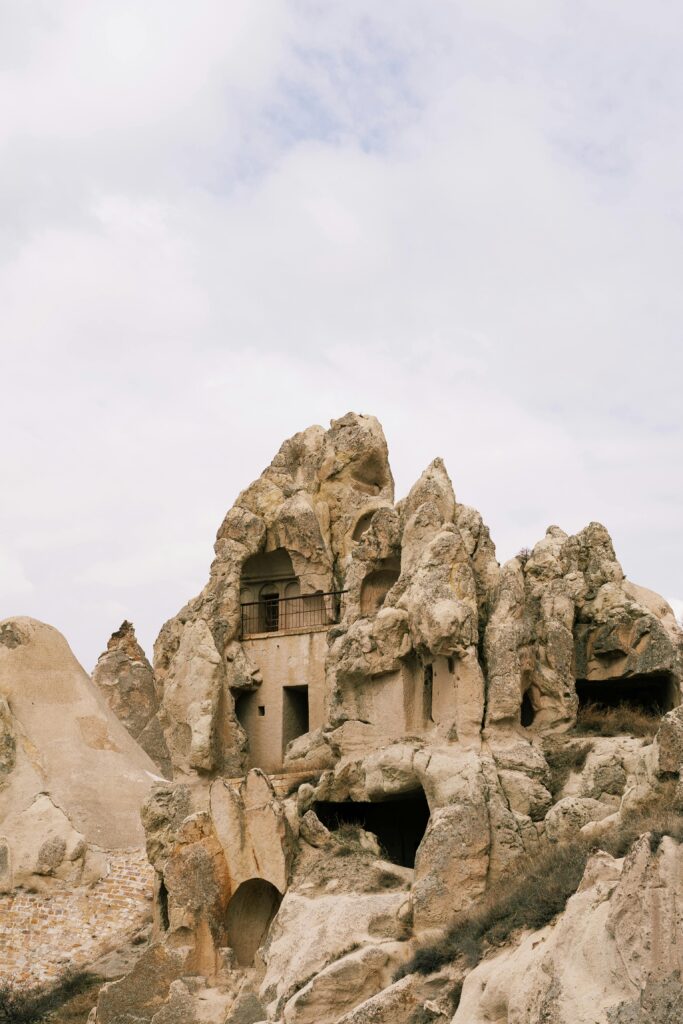
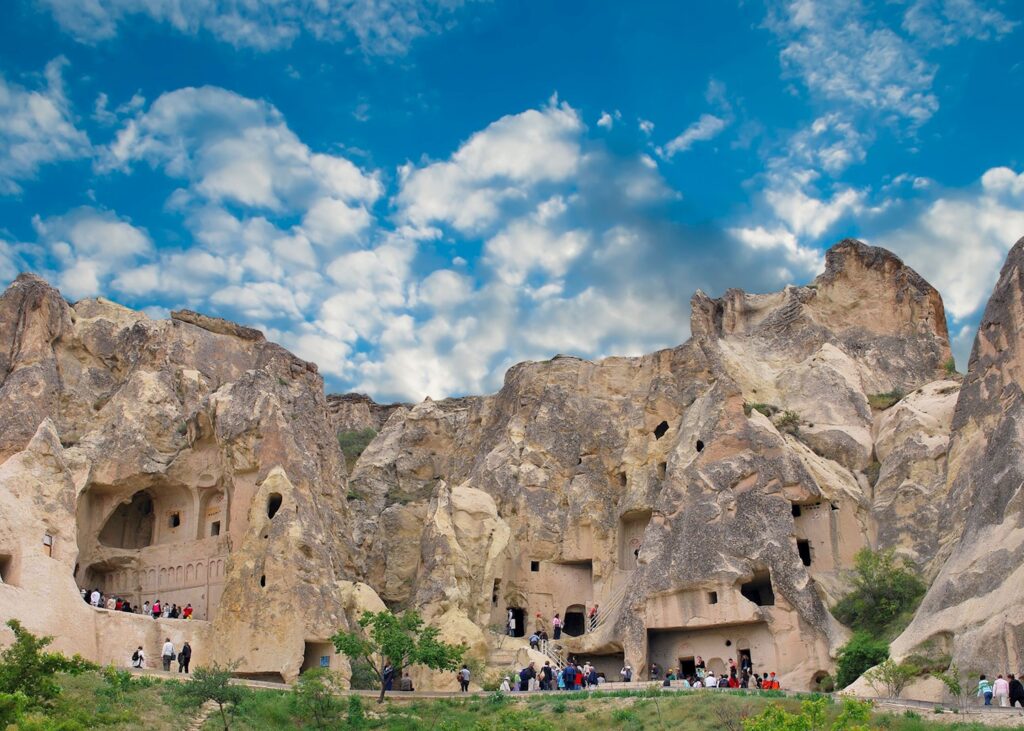
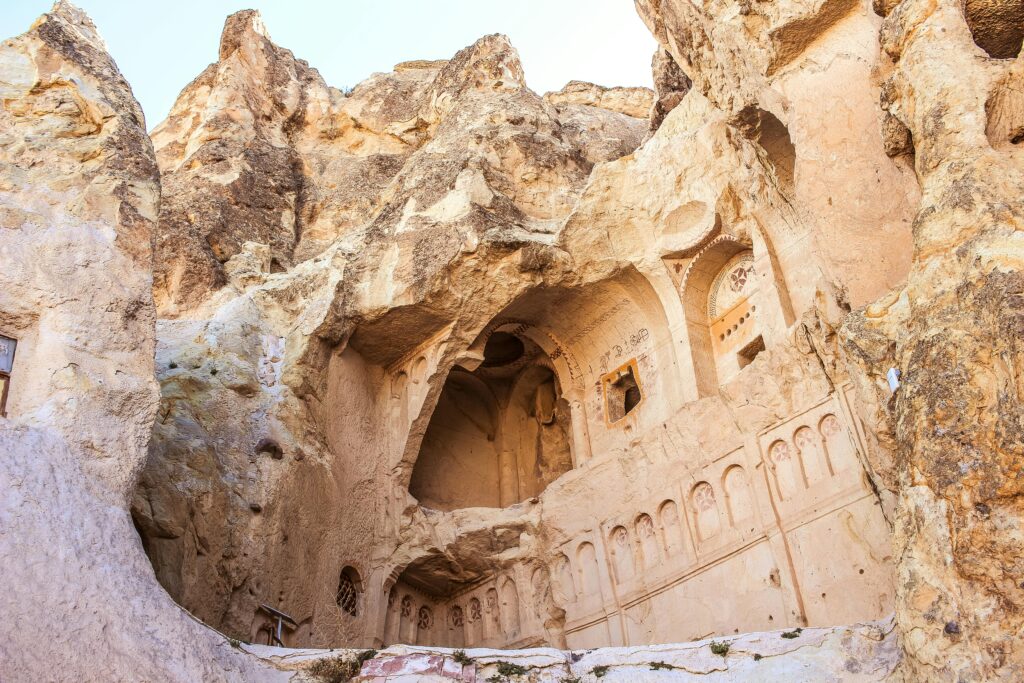
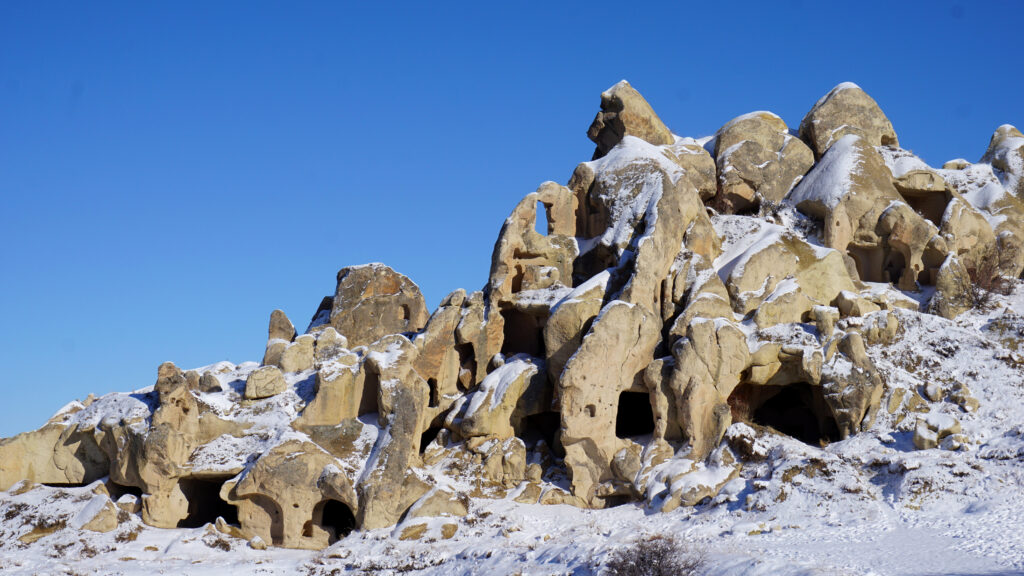
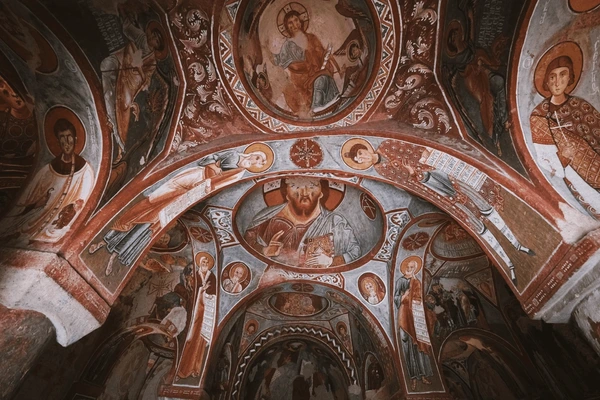
The Göreme Open Air Museum in Cappadocia, Turkey, is a stunning monastic complex carved into volcanic rock, featuring rock-cut churches, chapels, and monasteries adorned with vibrant frescoes. Dating from the 10th to 12th centuries, this site highlights the Byzantine era's religious devotion and artistic achievement, serving as a significant center for monastic life and worship.
Pigeon Valley
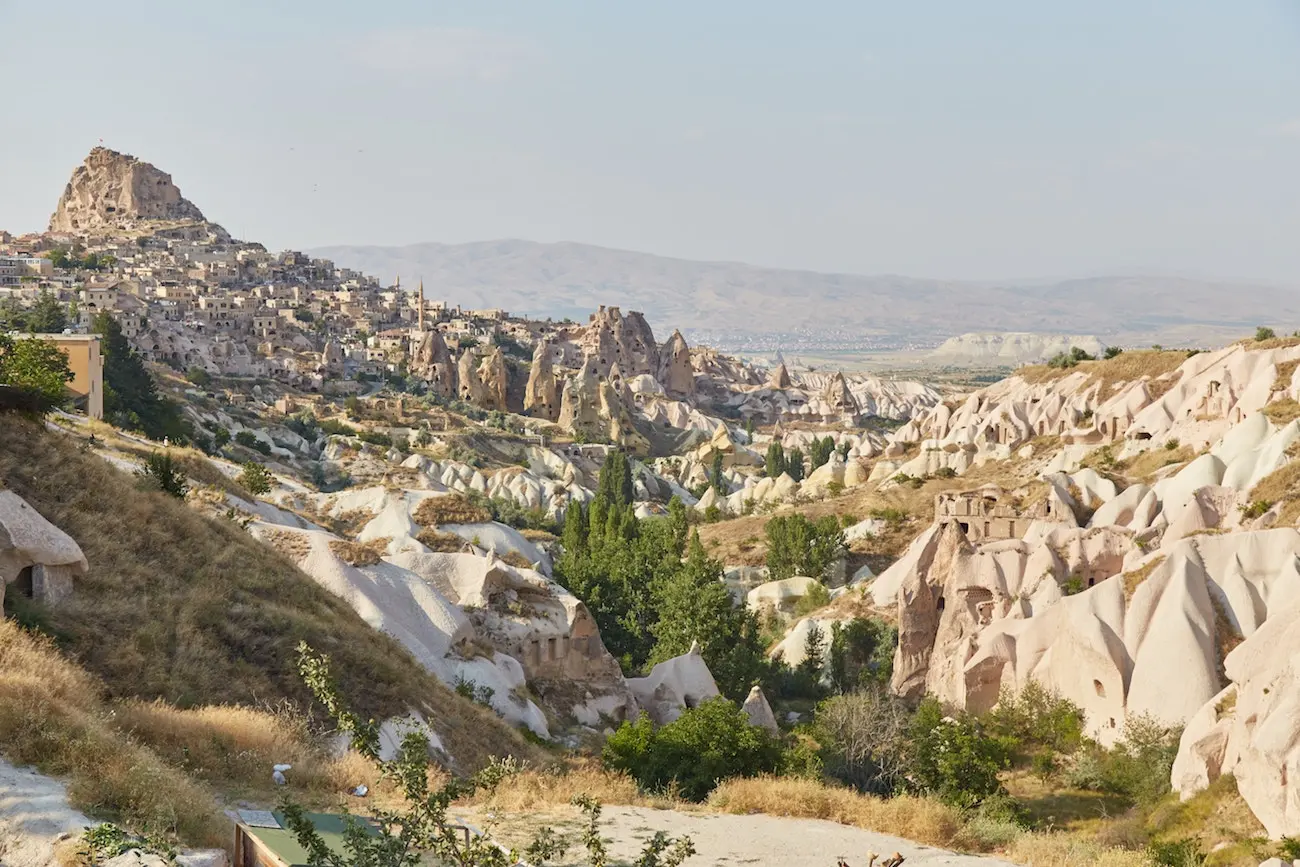
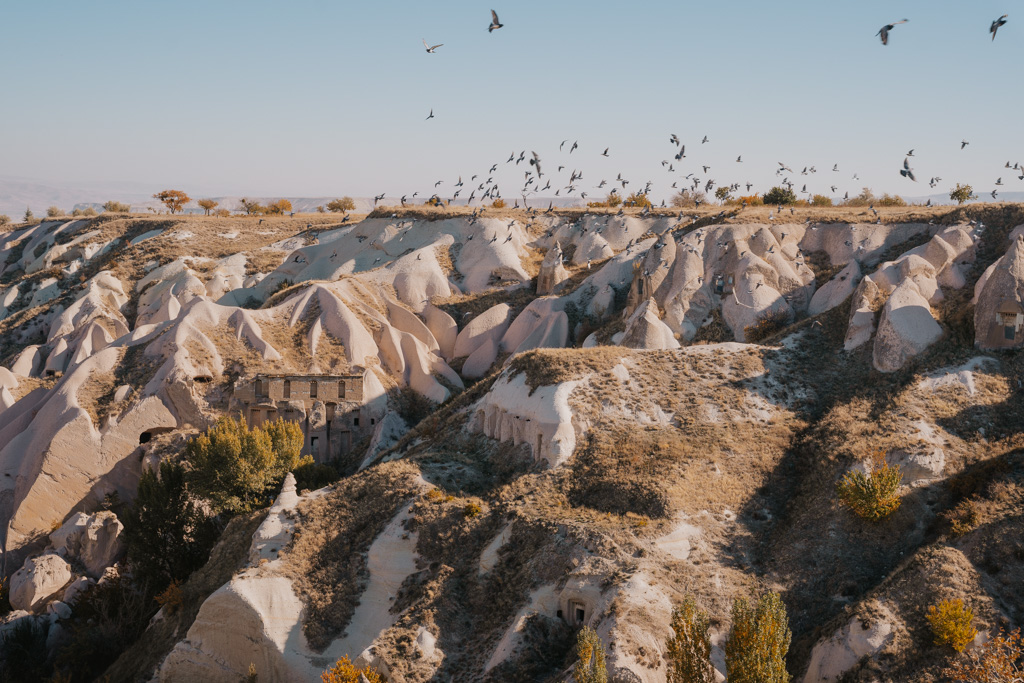
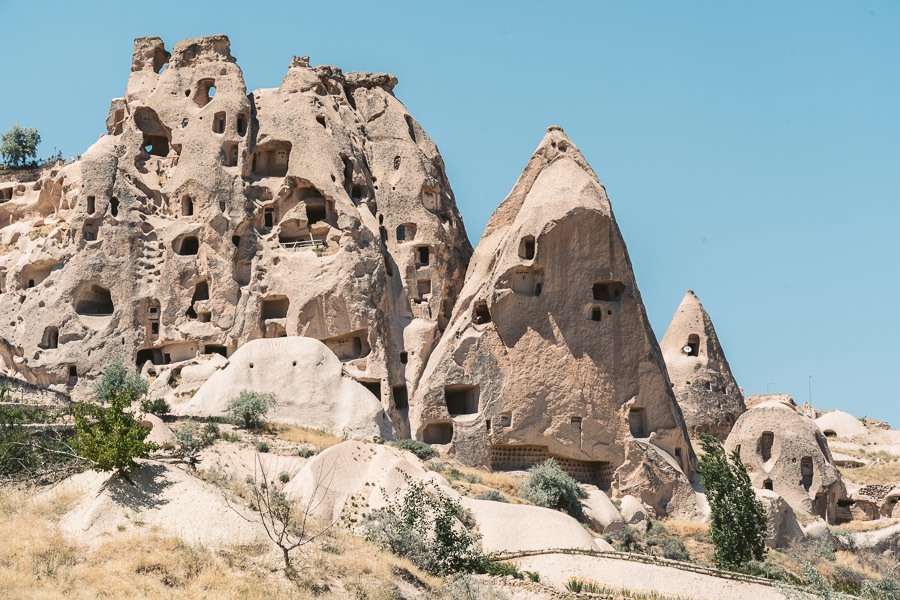
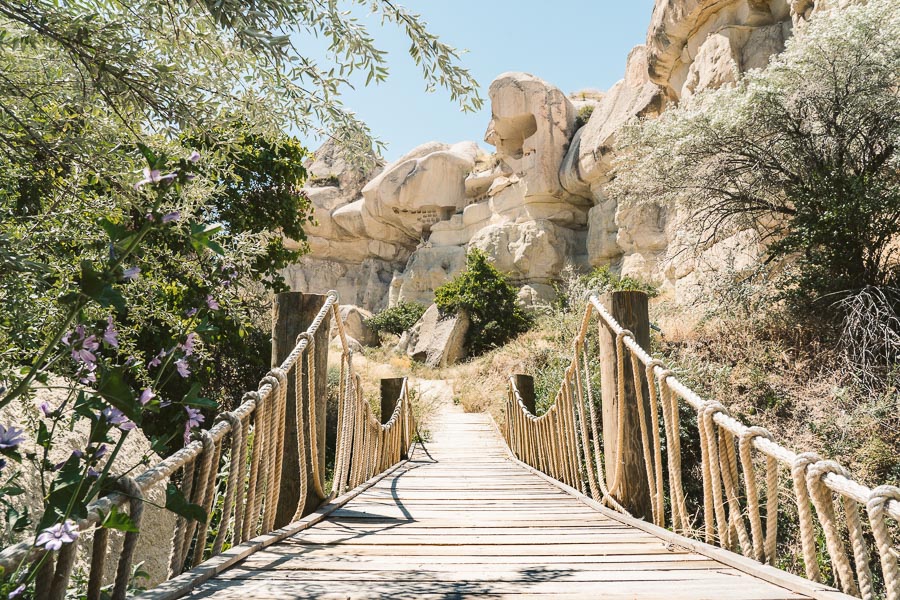
Pigeon Valley is a picturesque valley known for its unique rock formations and ancient pigeon houses carved into the cliffs. Historically, locals used these pigeon houses to collect guano, which was highly valued as a fertilizer for the region's vineyards and crops. The valley's scenic trails offer stunning views of the surrounding landscape, making it a popular destination for hiking and exploring Cappadocia's natural beauty.
Uçhisar Castle
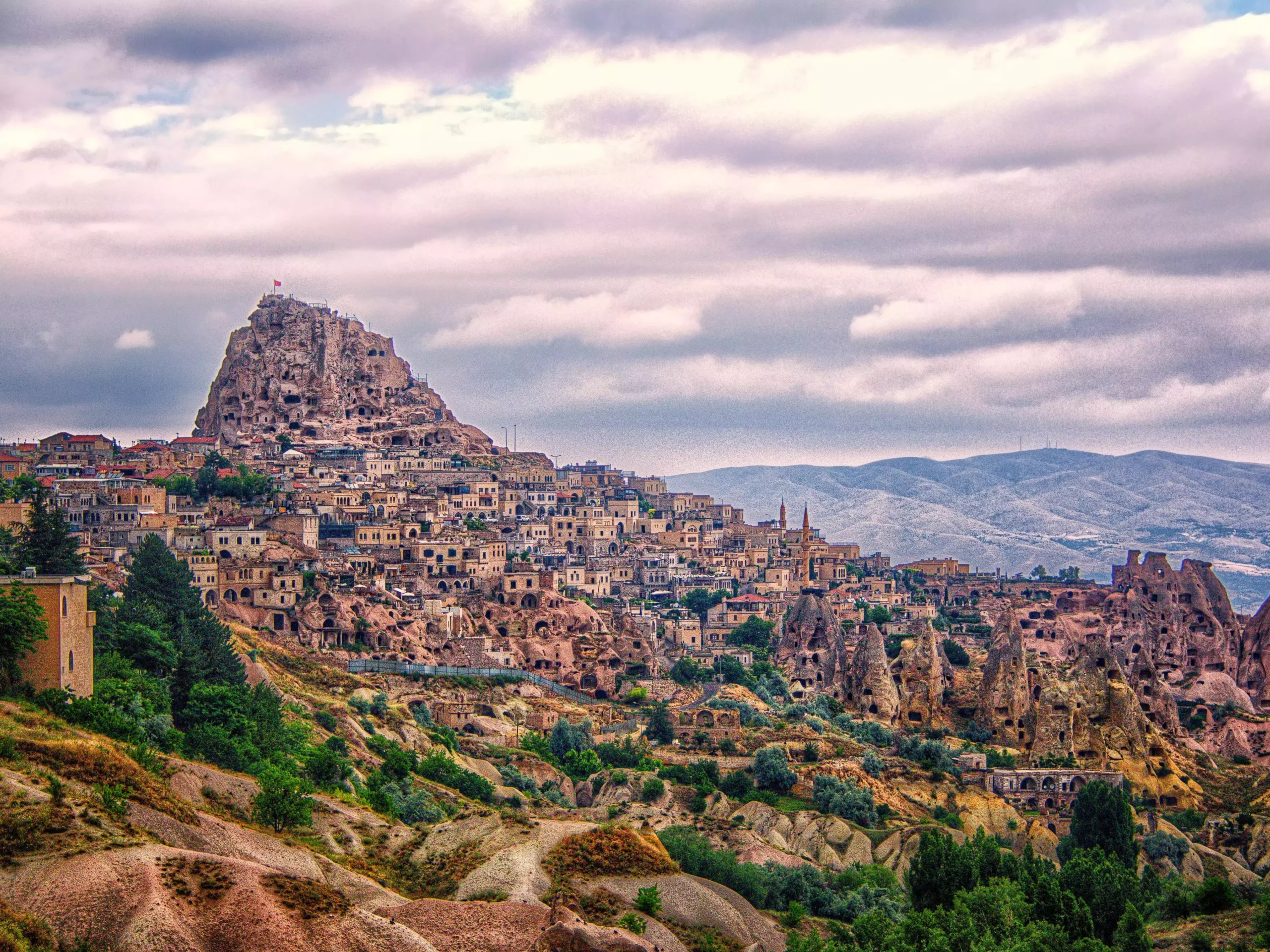
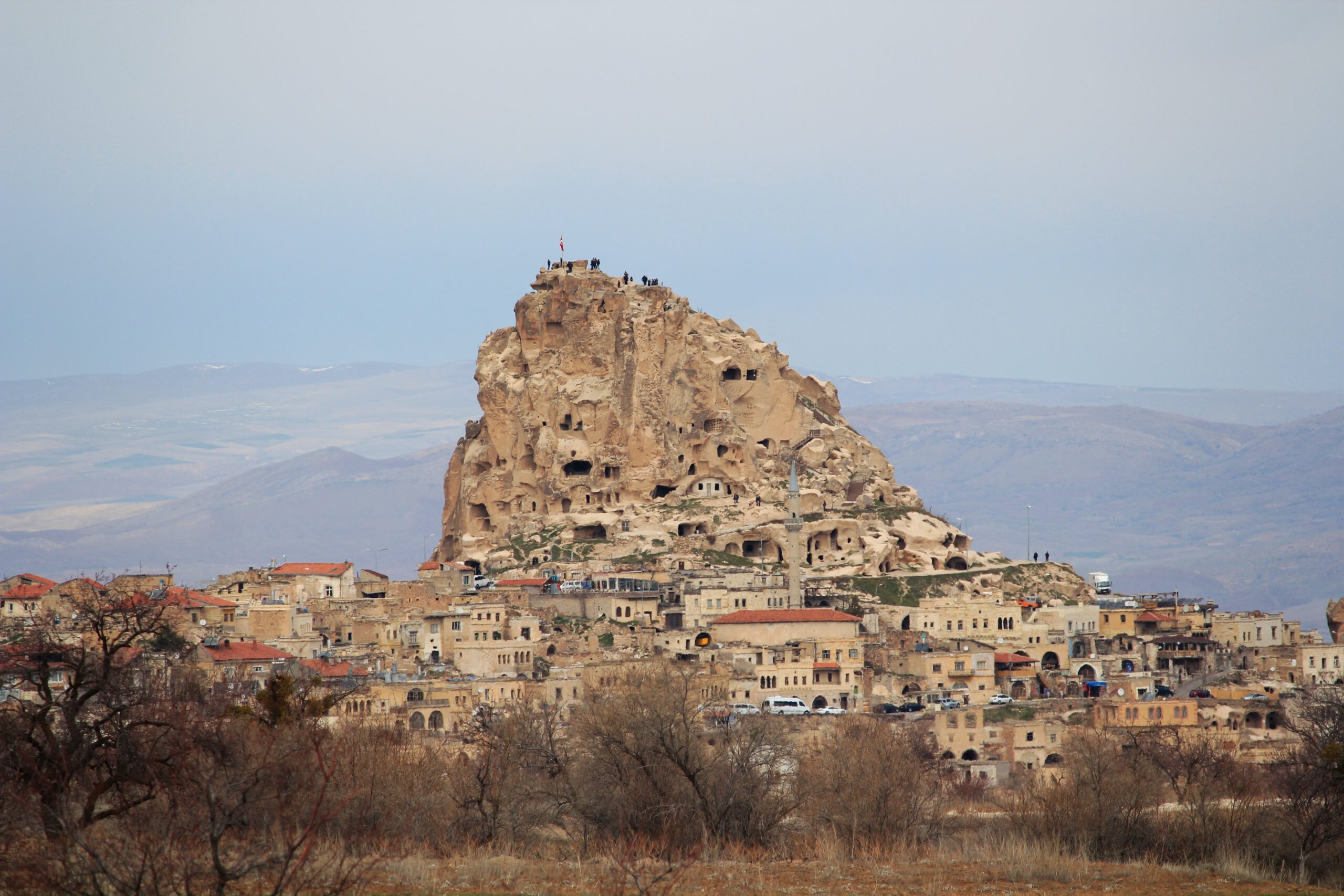
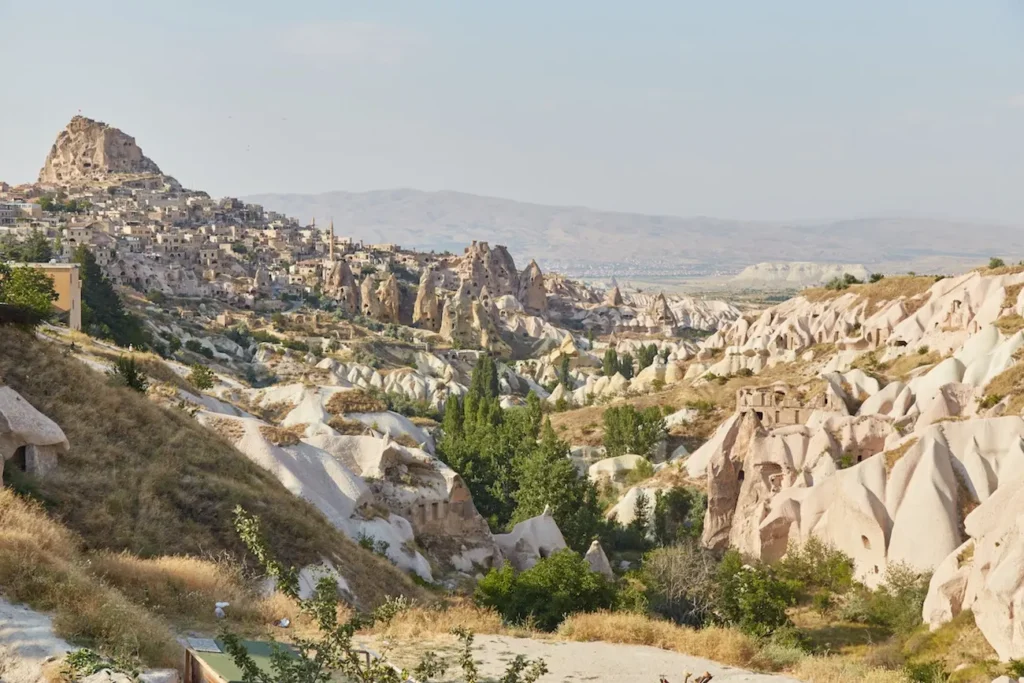
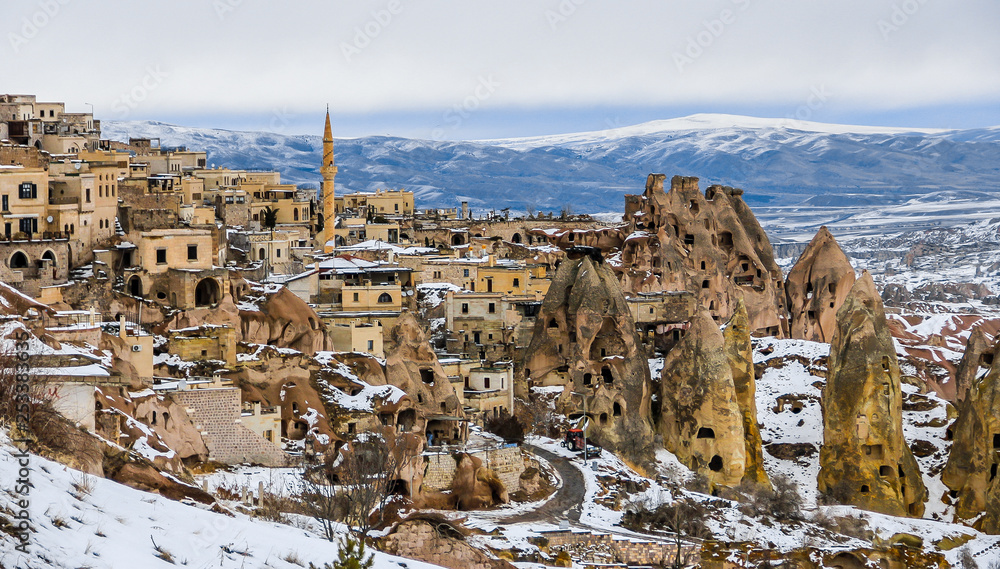
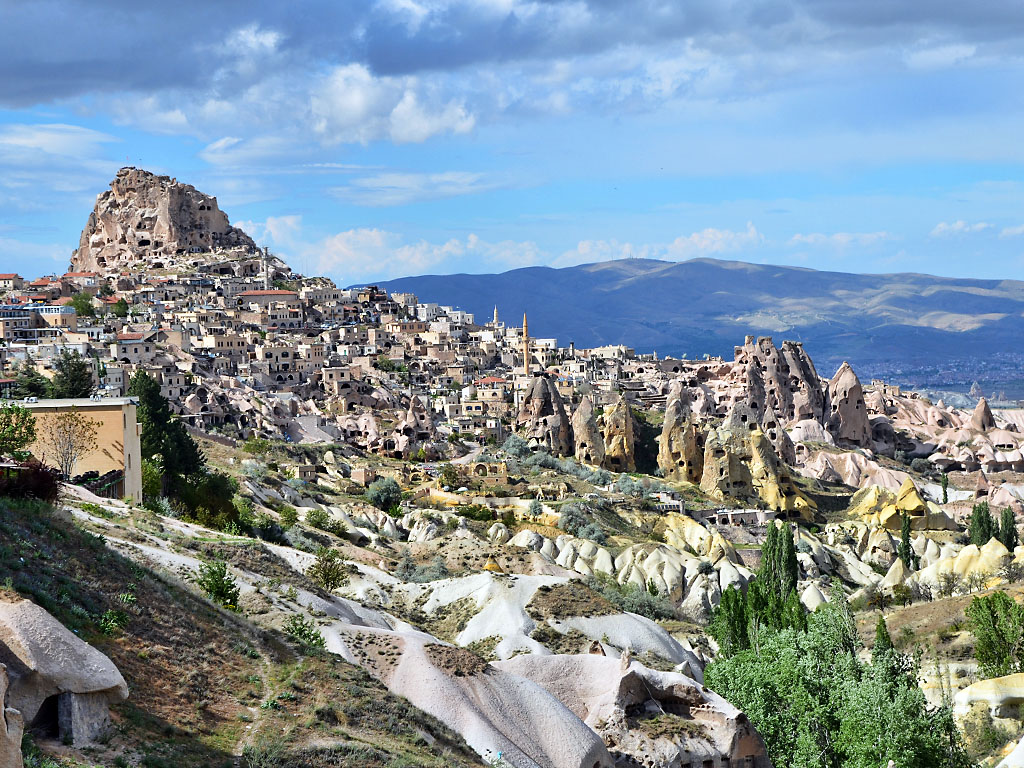
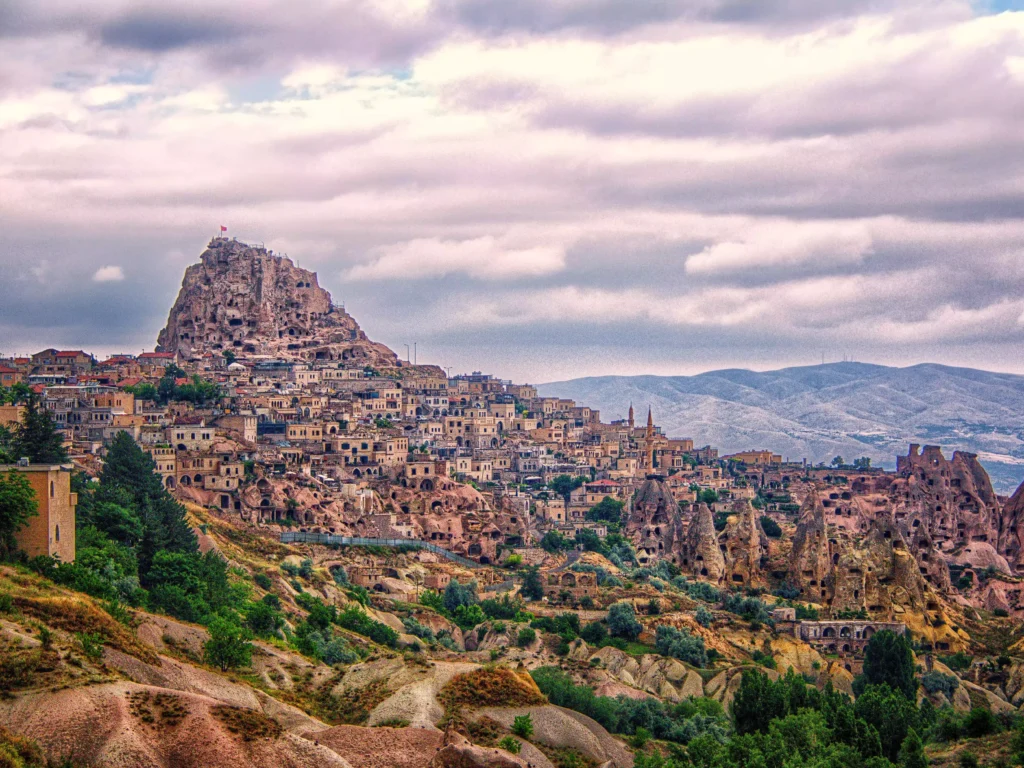
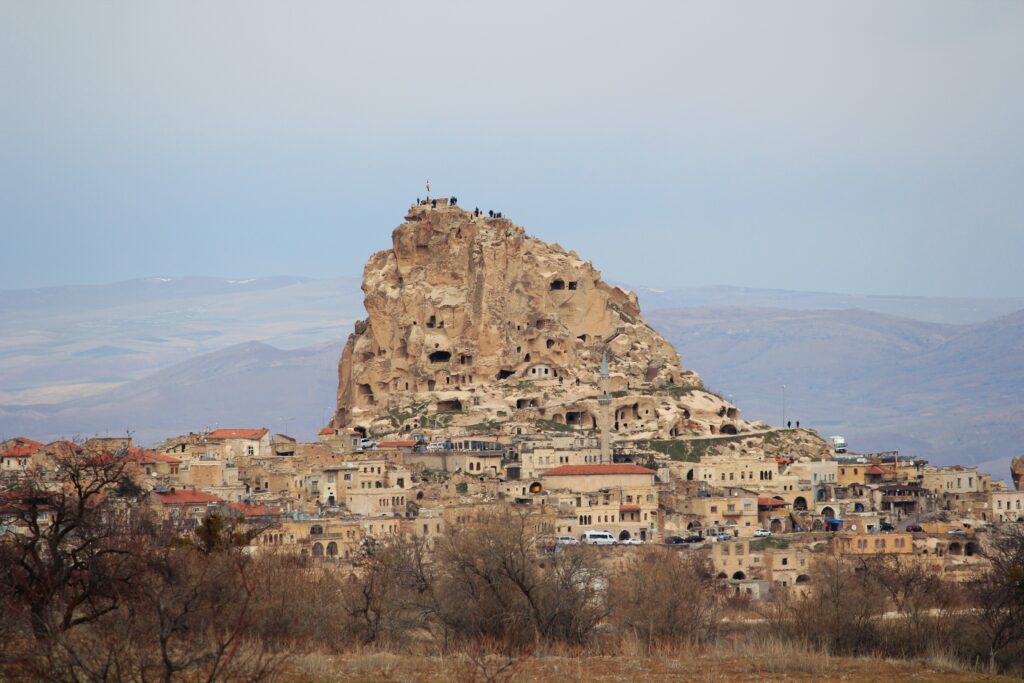
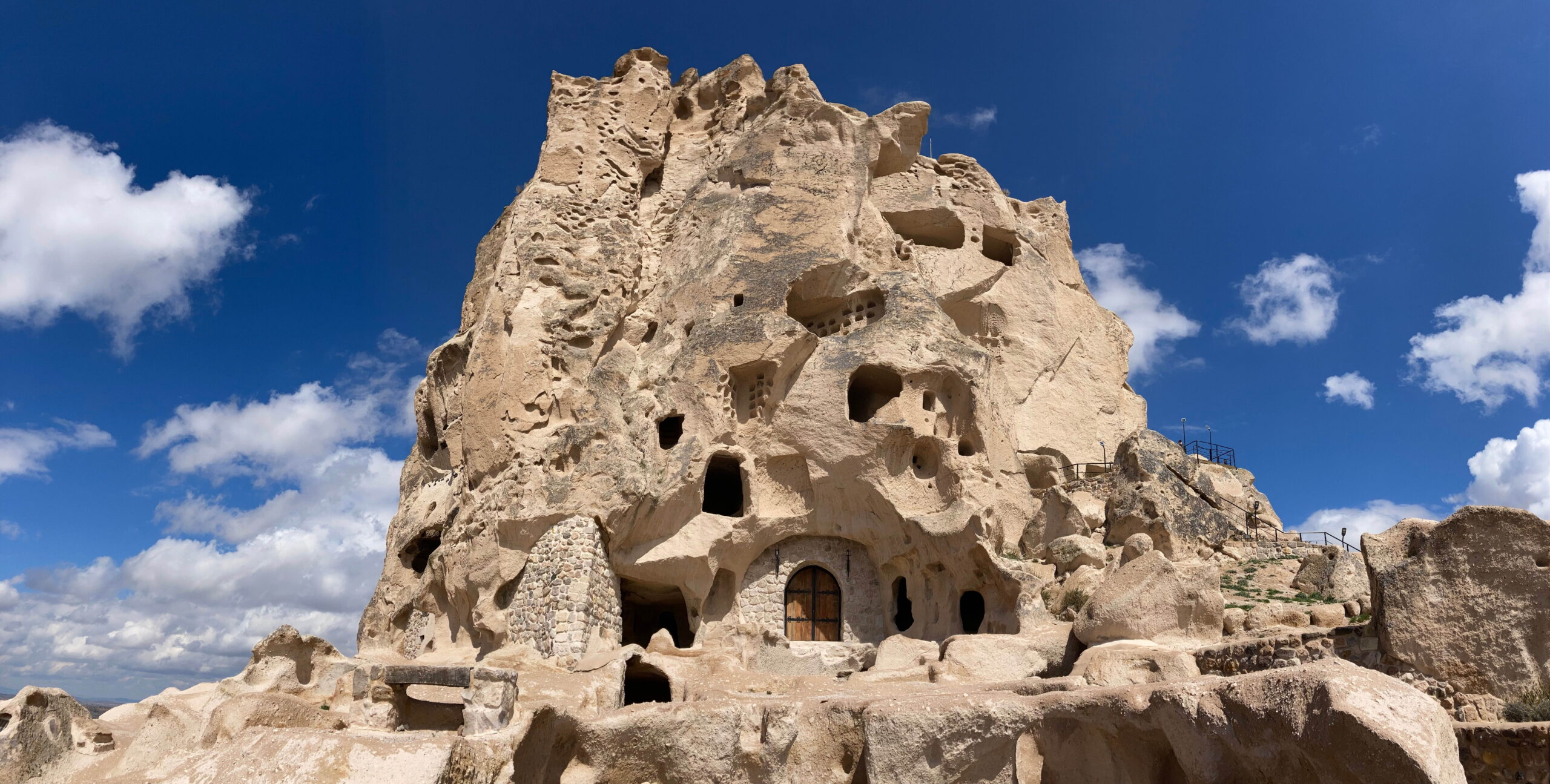
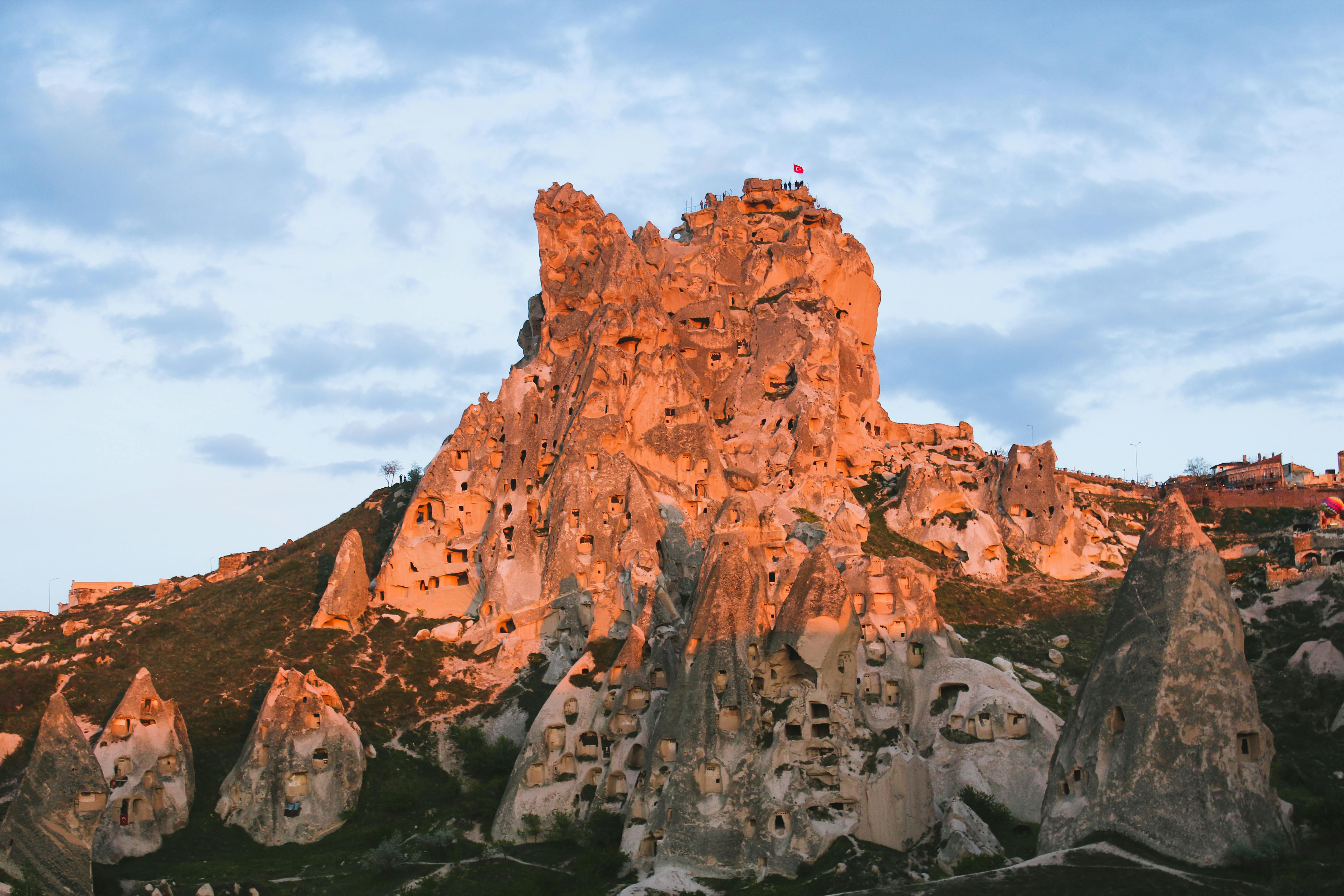
Uçhisar Castle is a towering rock formation, offering panoramic views of the region. This natural fortress, carved into a large rock, served as a strategic lookout and defense point throughout history. Inhabited since ancient times, Uçhisar Castle features numerous rooms, tunnels, and passageways, many of which were used as residences and storage areas. The castle's strategic position provided protection against invasions, and its elevated location offers visitors breathtaking vistas of Cappadocia's unique landscape.
Fairy Chimneys
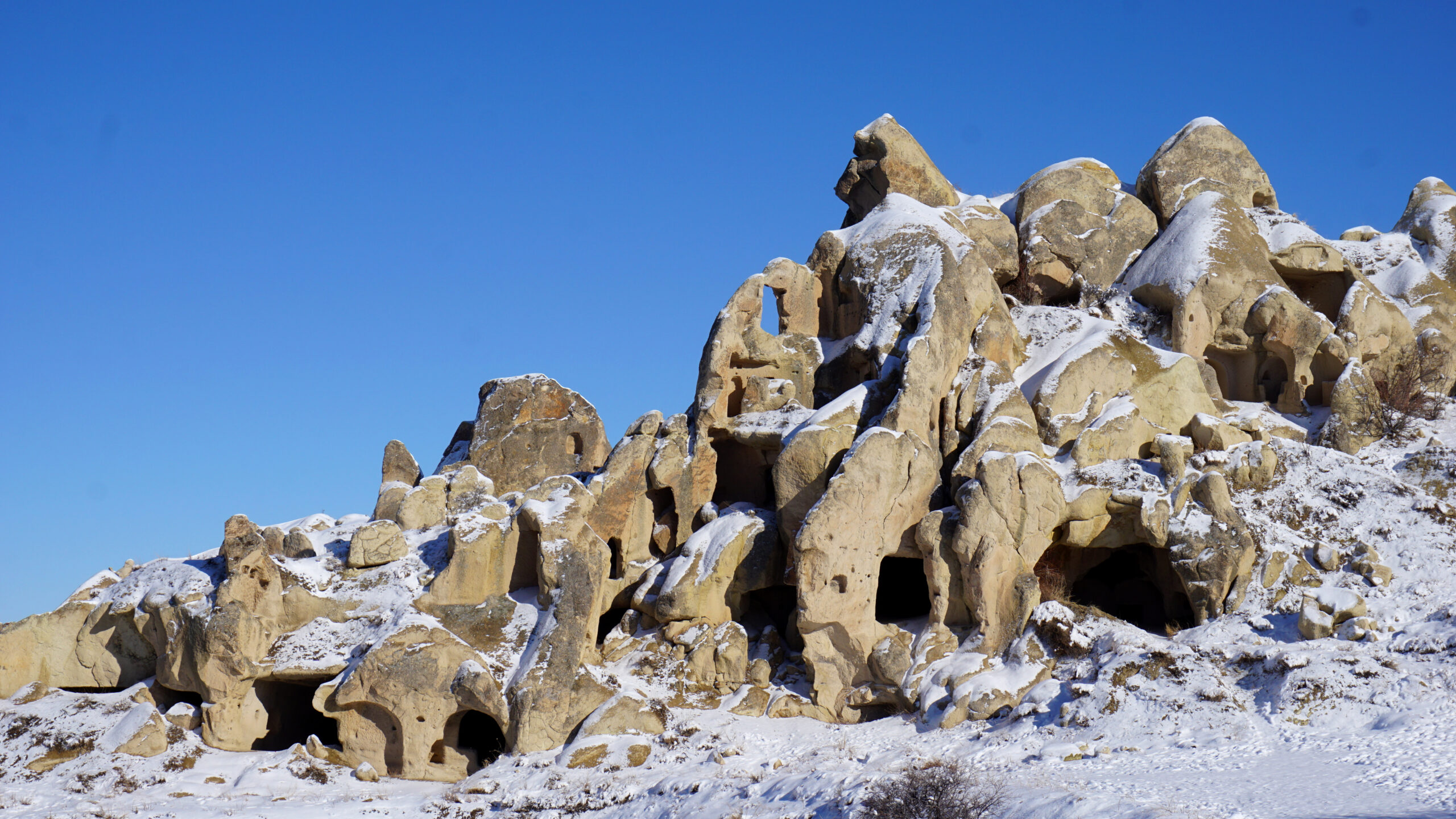
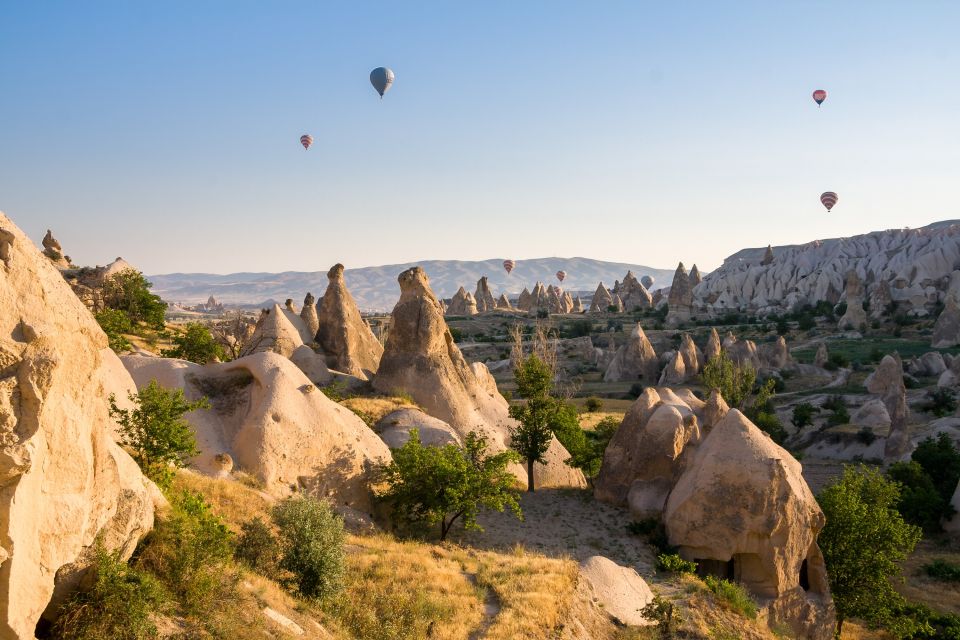
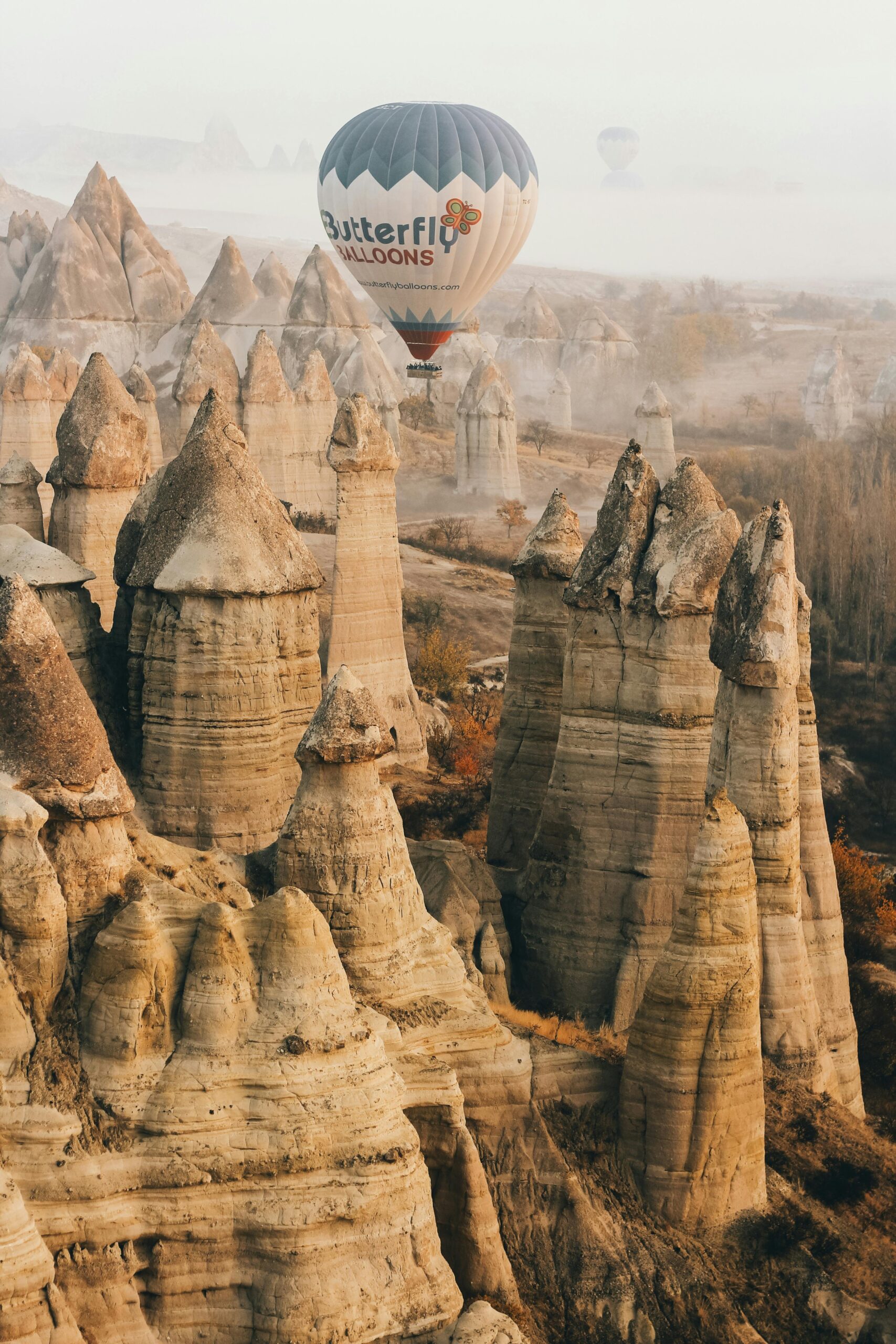
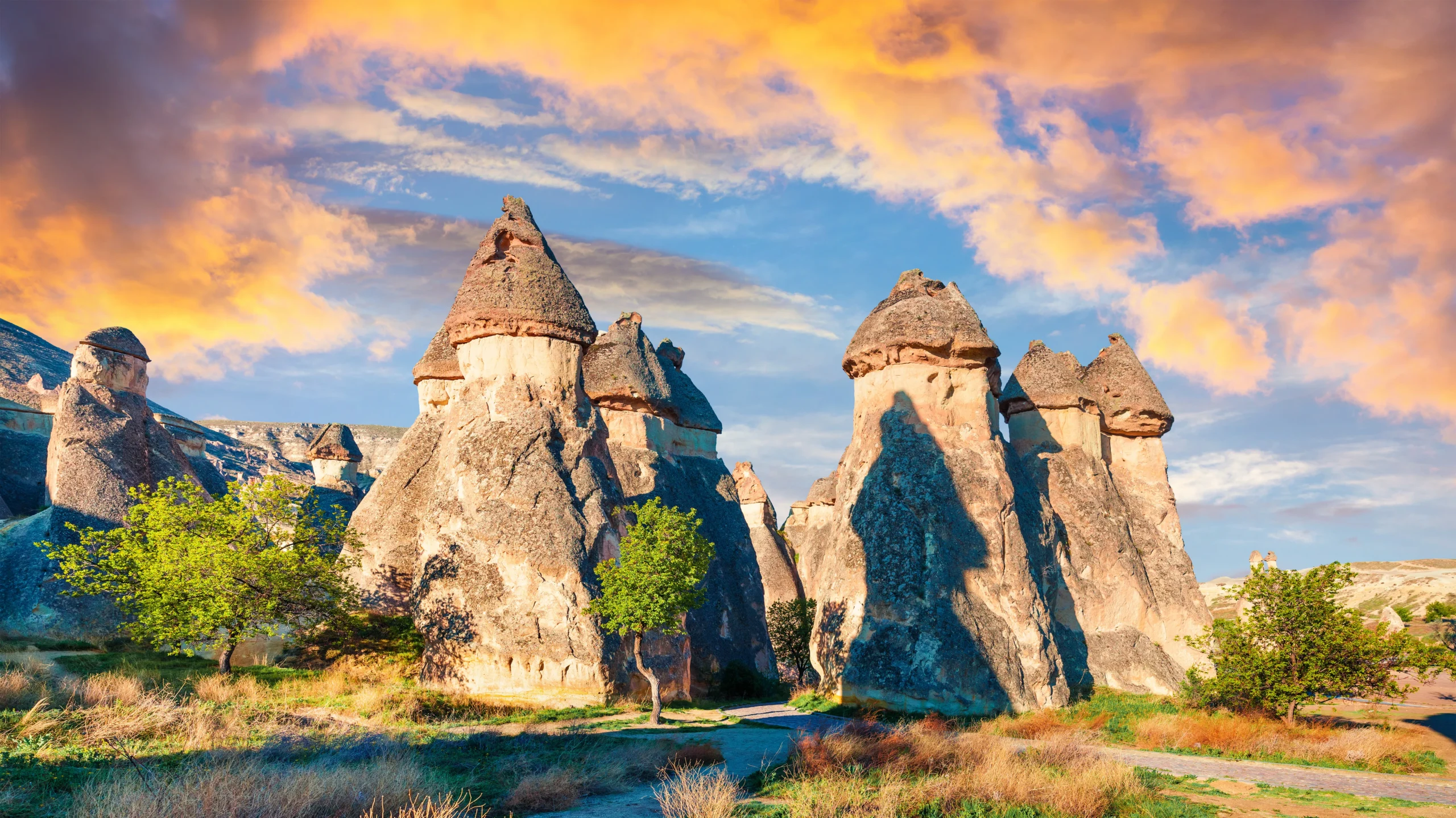
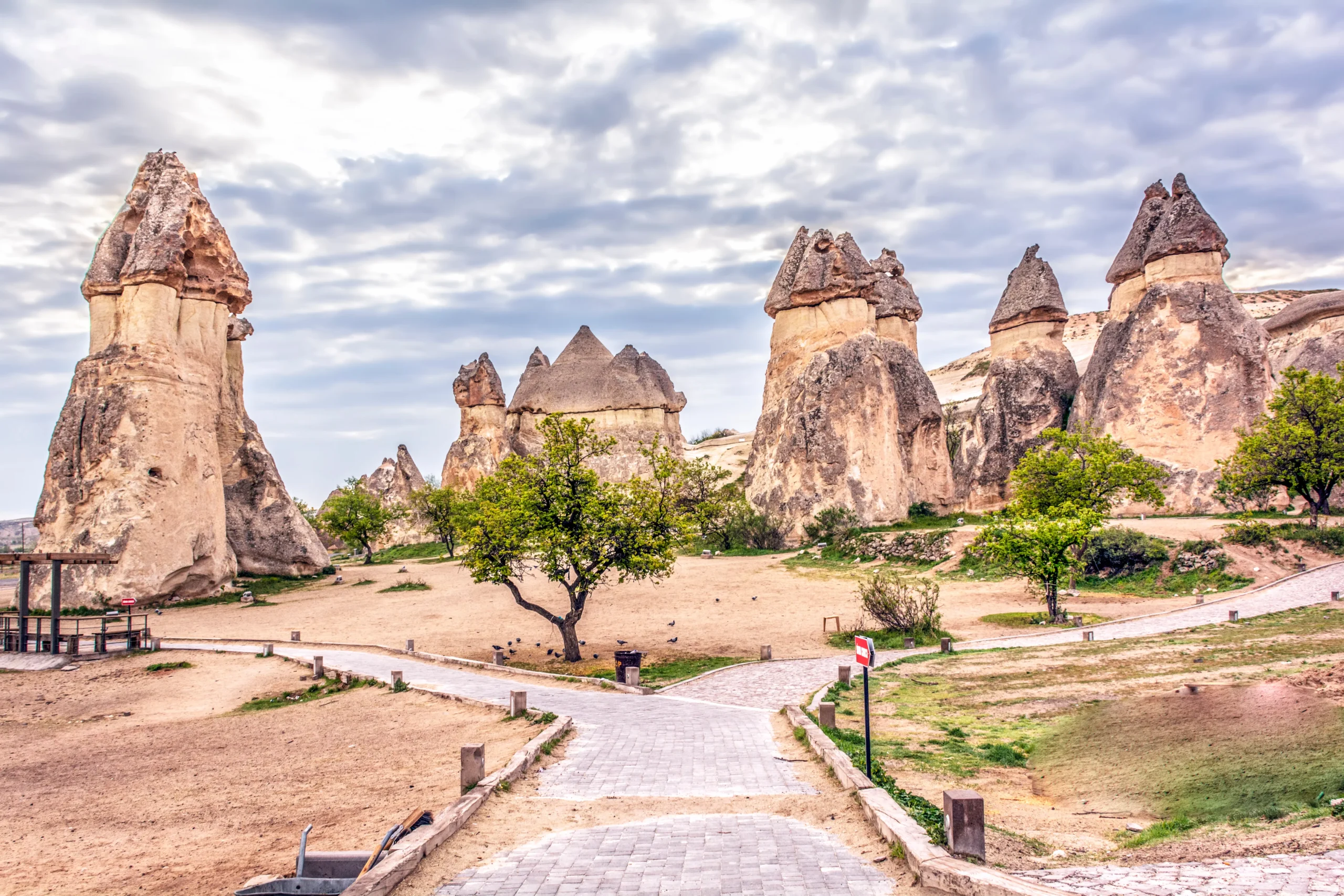
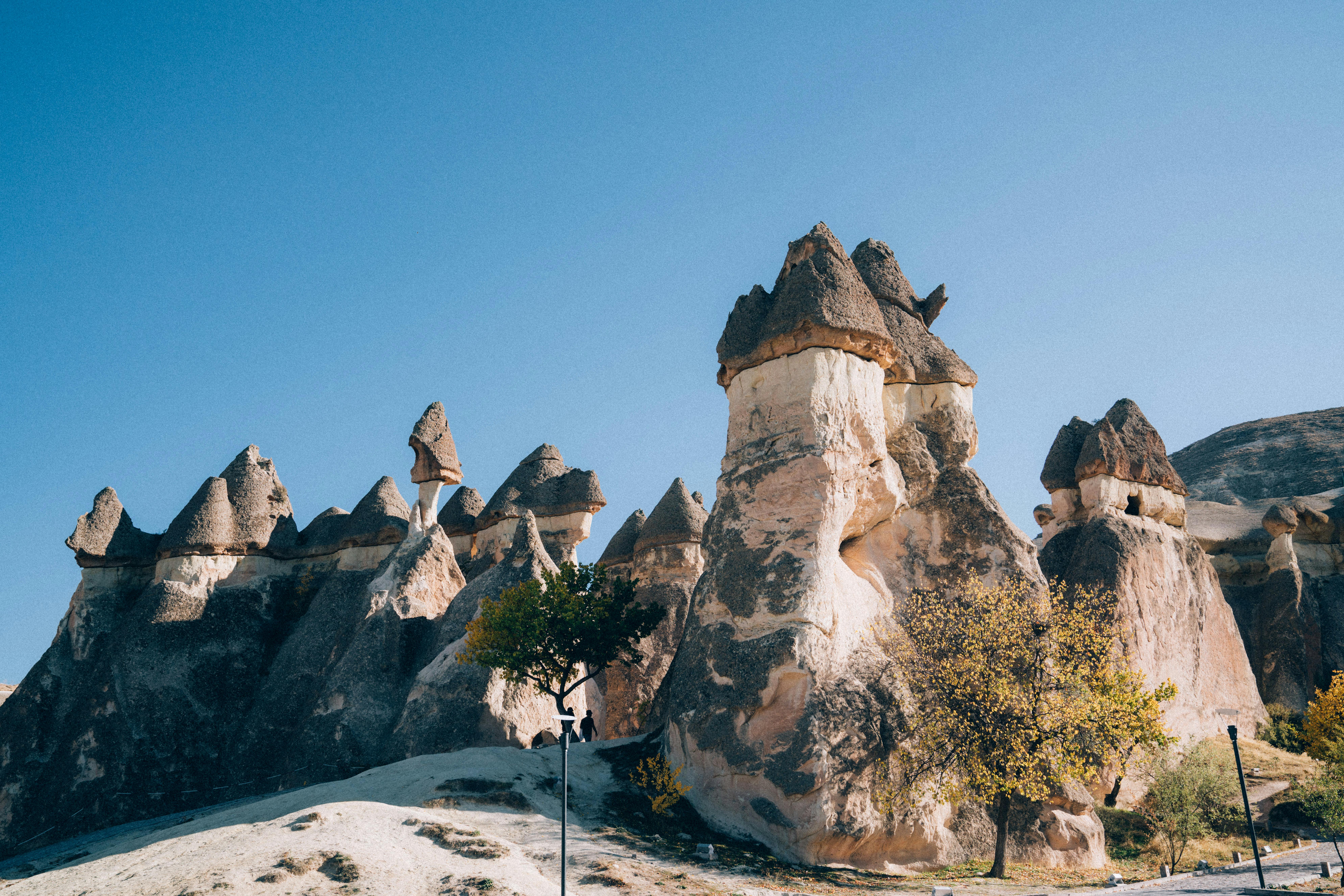
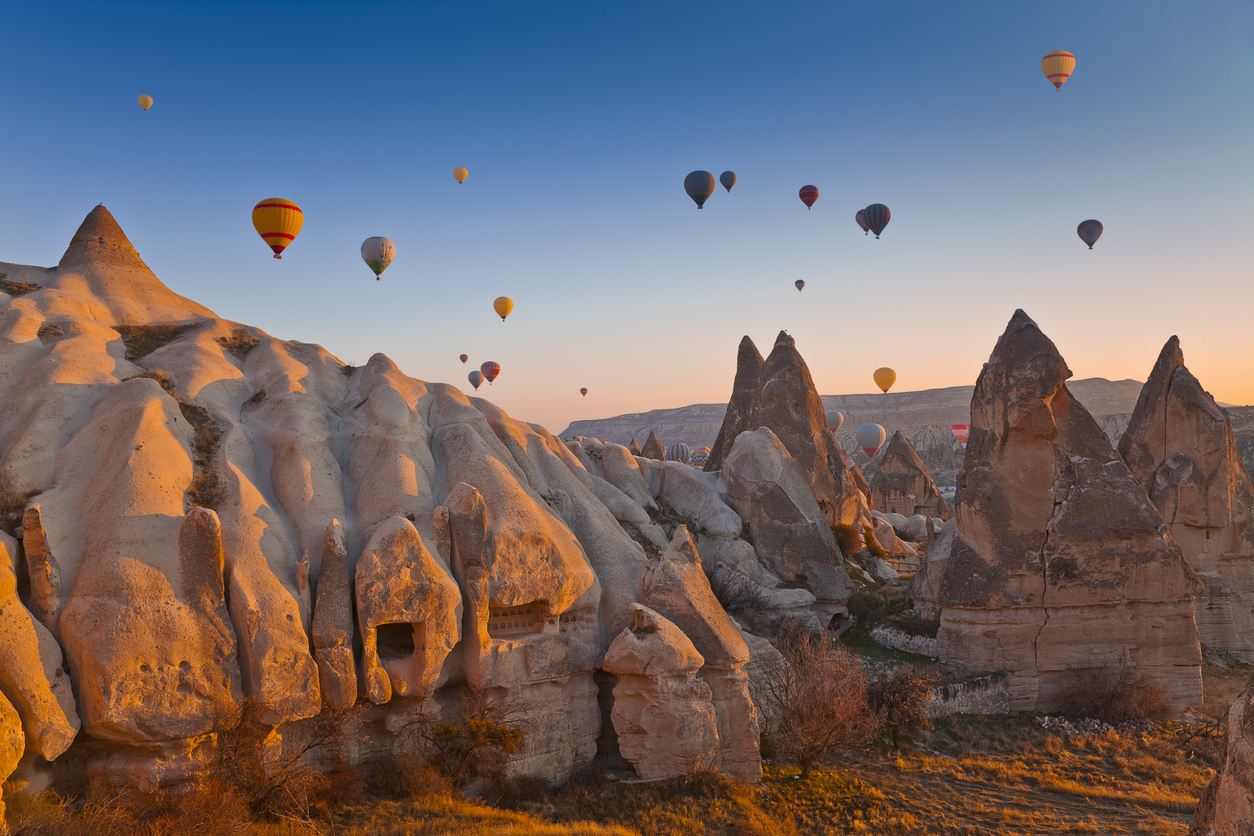
The Fairy Chimneys are iconic natural rock formations shaped by centuries of erosion. These tall, thin spires of rock, also known as hoodoos, were formed by volcanic activity and the subsequent erosion of softer rock layers, leaving the harder, more resistant rock standing. Historically, these formations provided shelter and living spaces for ancient inhabitants, who carved homes, churches, and monasteries into them. Today, the Fairy Chimneys are a symbol of Cappadocia's unique geological heritage and a major attraction for visitors exploring the region's surreal landscape.
Lovers Hill
Lovers Hill, also known as Aşıklar Tepesi, is a popular viewpoint, renowned for its breathtaking panoramic views of the region's unique landscape. This elevated spot offers visitors stunning vistas of the famous fairy chimneys, rock formations, and the expansive valleys of Cappadocia. Its picturesque scenery makes it a must-visit location for anyone exploring the natural beauty of Cappadocia.

Open Saray Museum
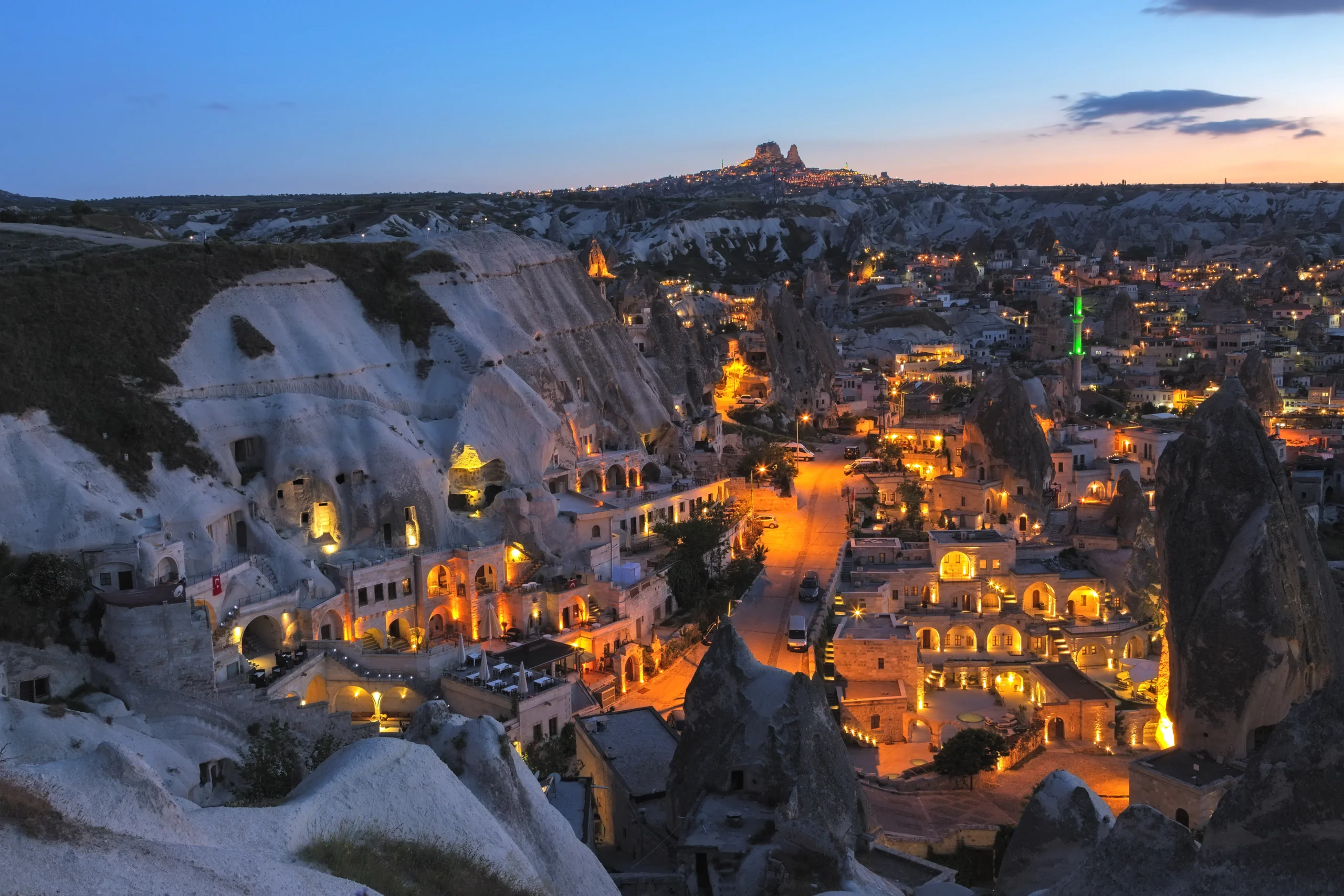
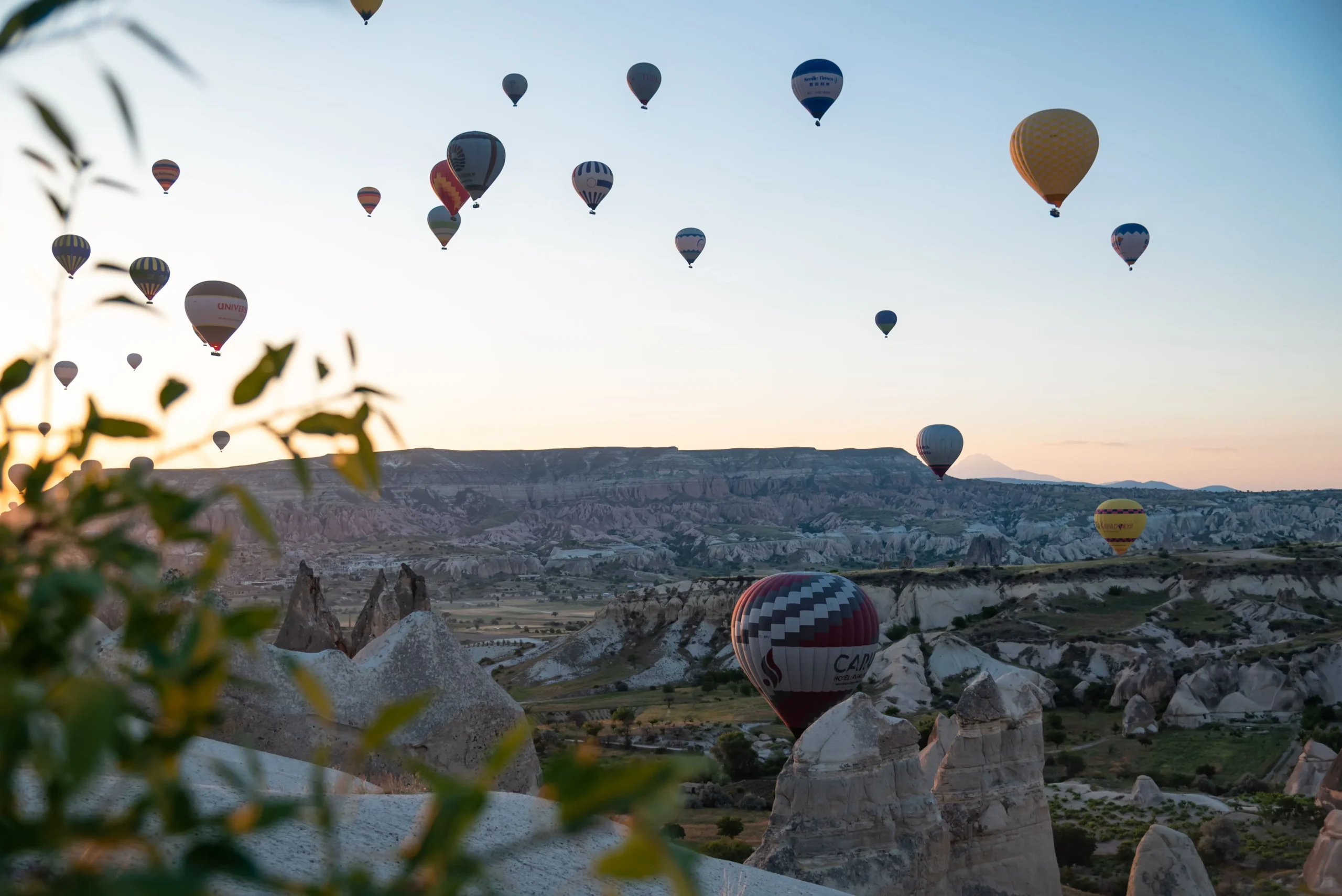
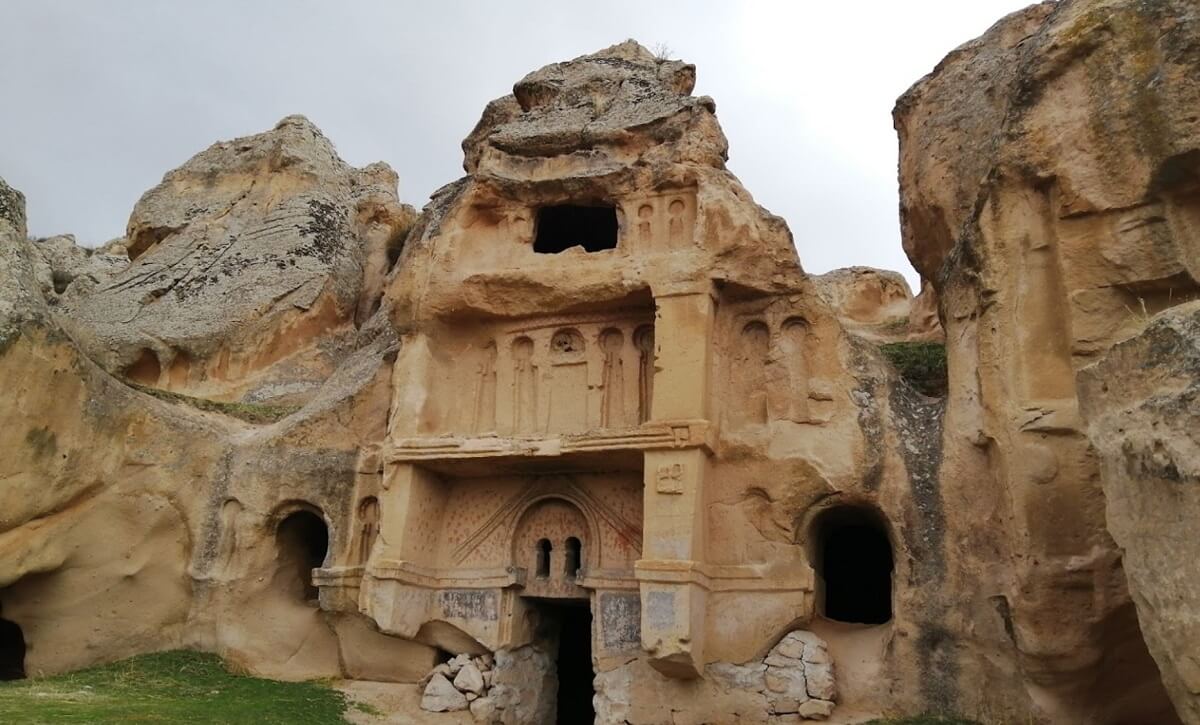
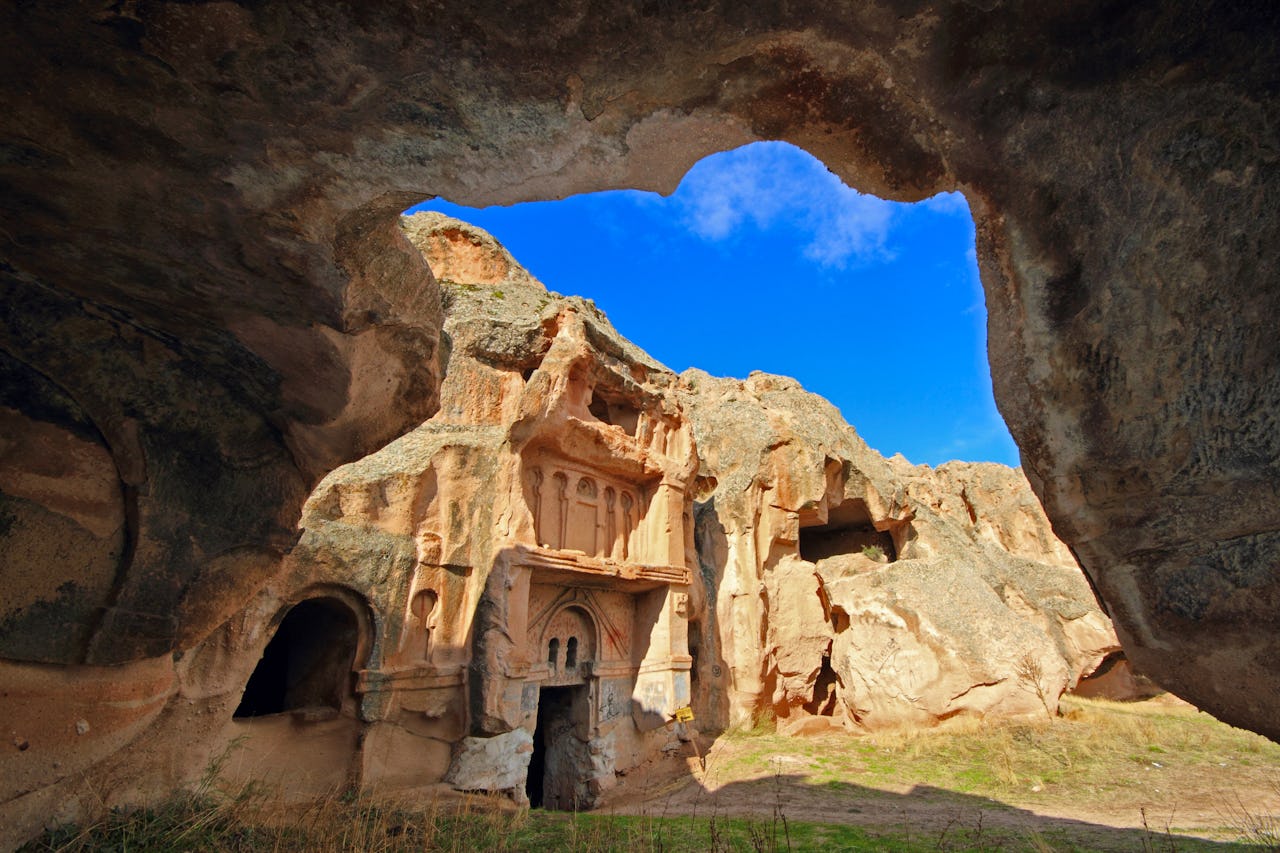
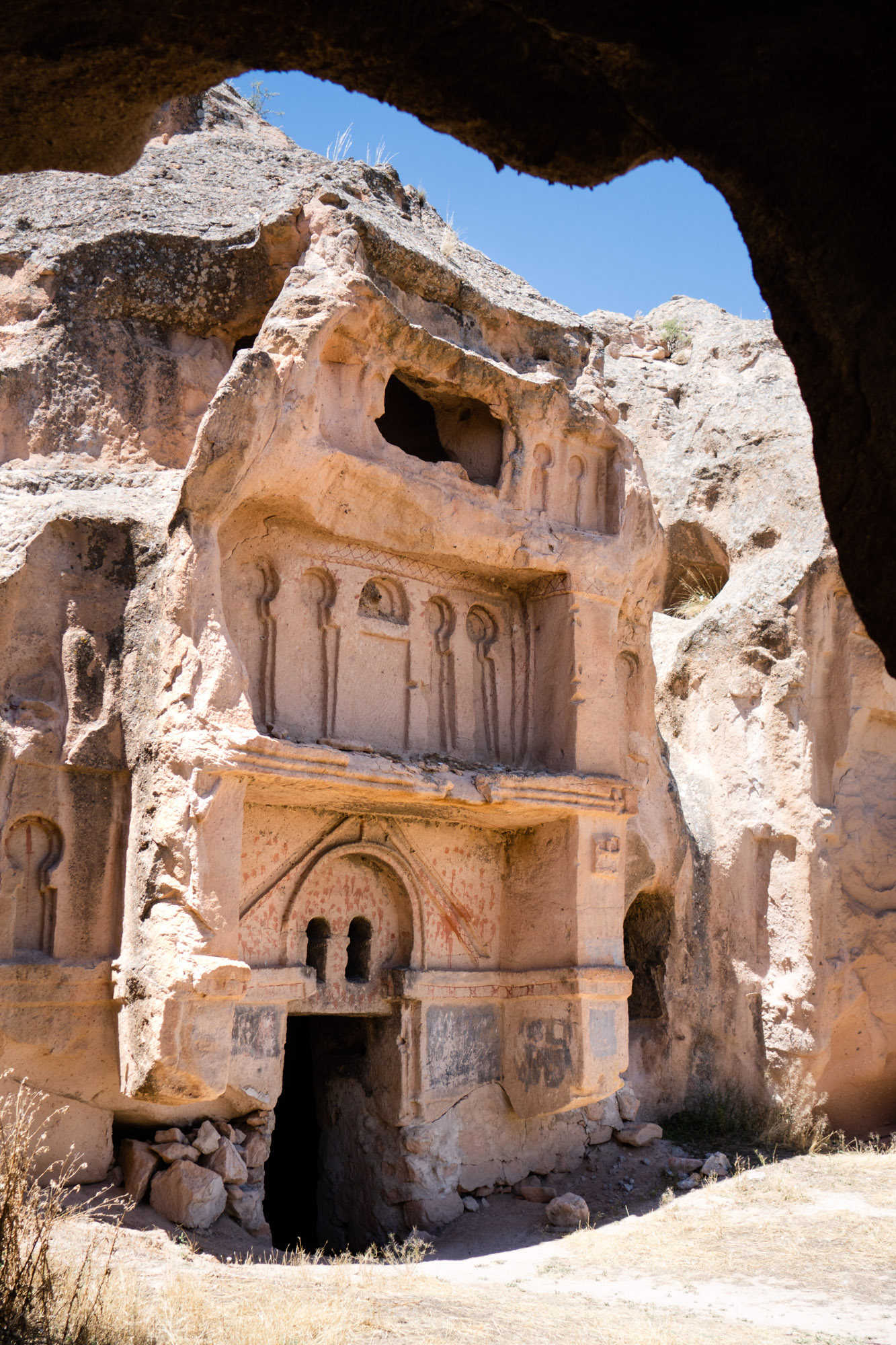
The Open Saray Museum, also known as the Sarıhan Caravanserai, is a well-preserved 13th-century caravanserai served as a roadside inn where travelers and traders on the Silk Road could rest and recover. Built during the Seljuk era, the caravanserai showcases traditional Seljuk architecture with its grand entrance, spacious courtyard, and sturdy stone construction. The museum offers a glimpse into the life and culture of medieval travelers, highlighting the region's significance as a crossroads of trade and cultural exchange.
Kaymakli Underground City
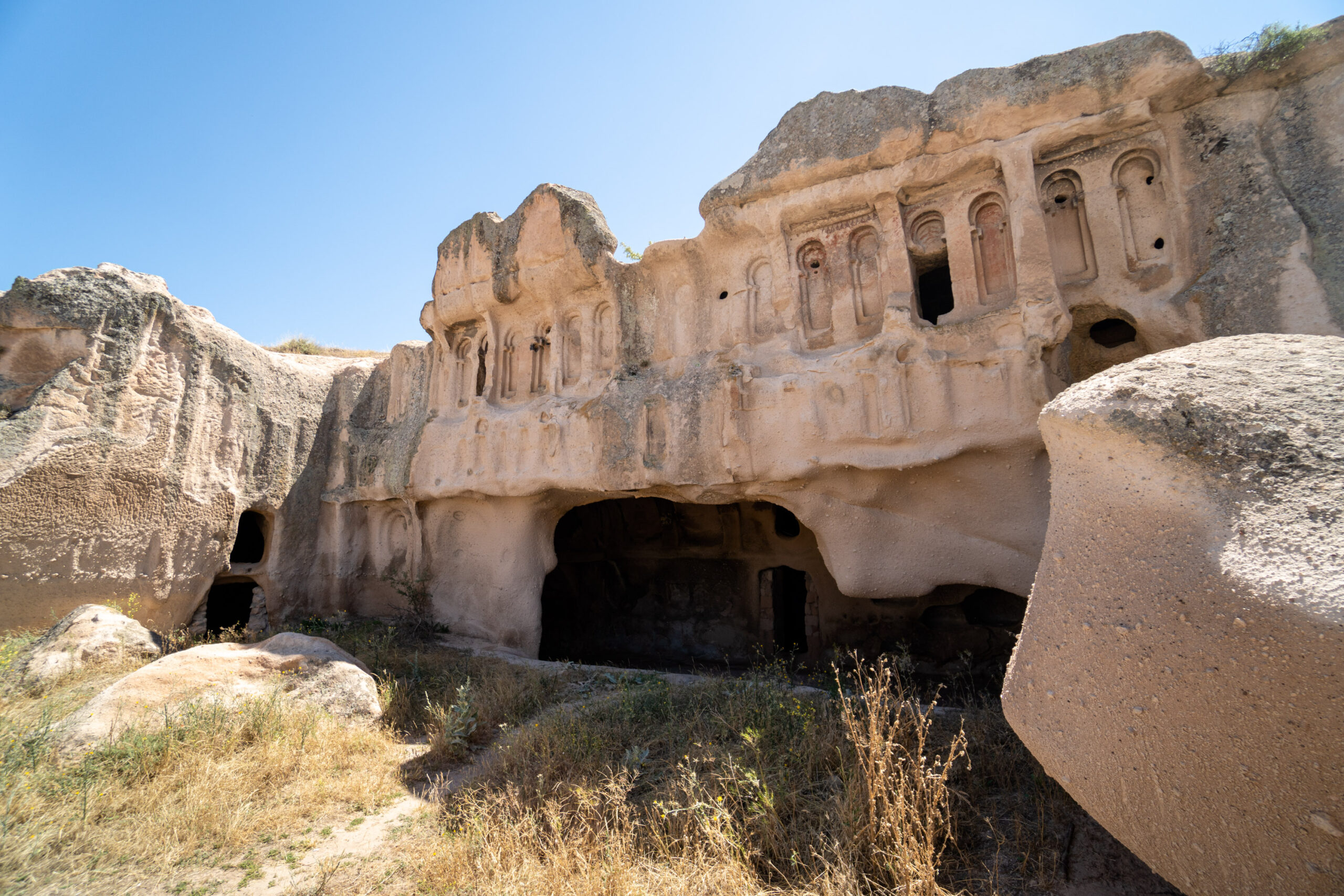
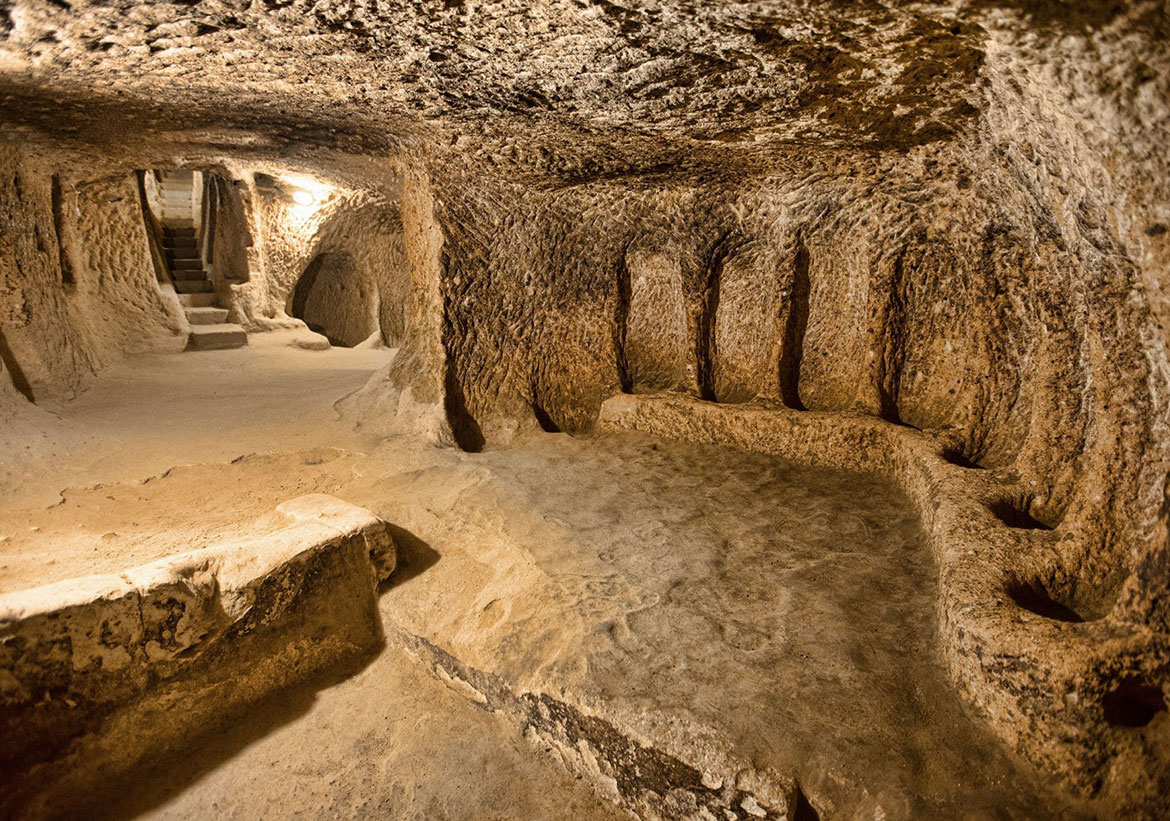
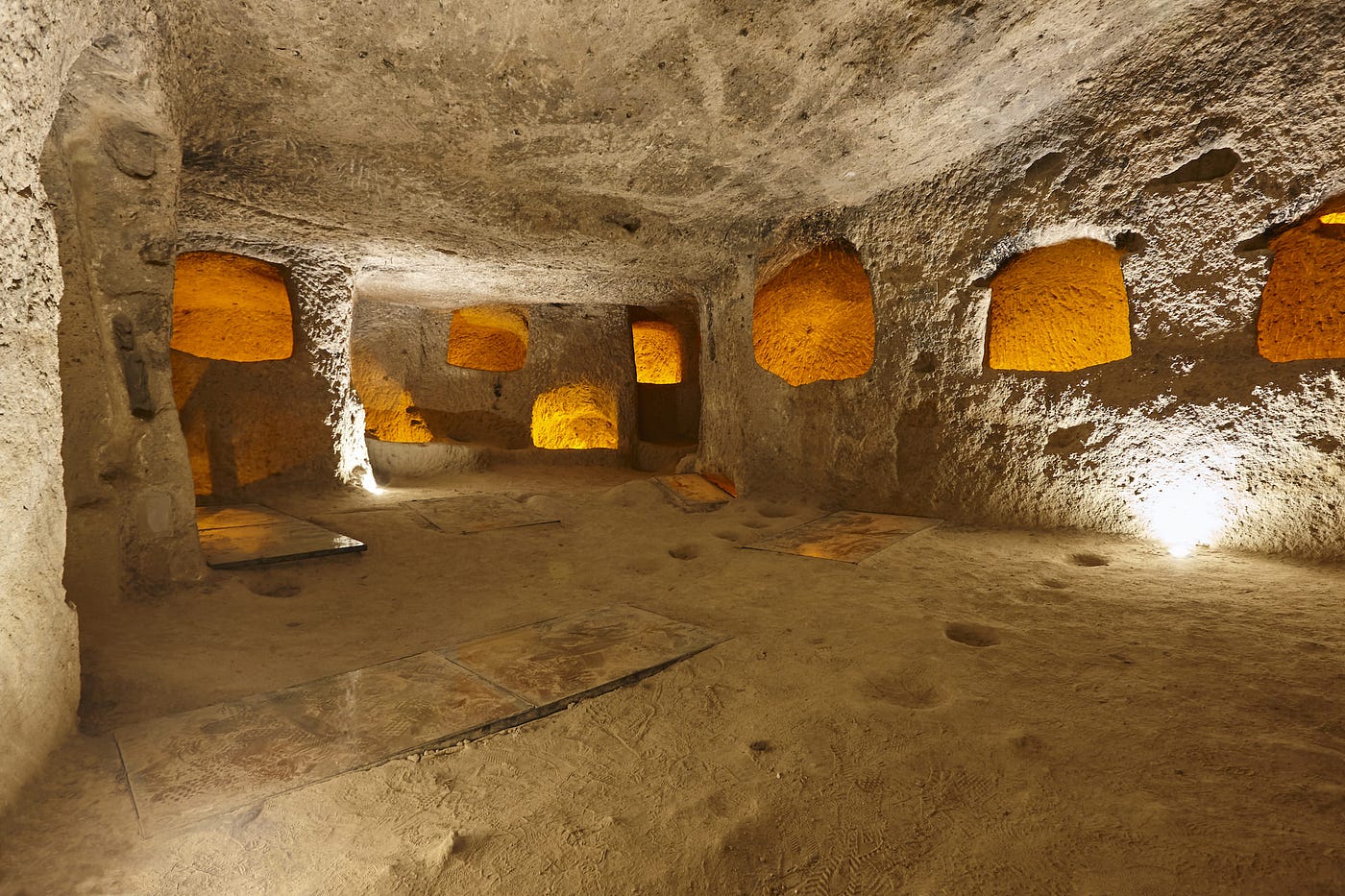
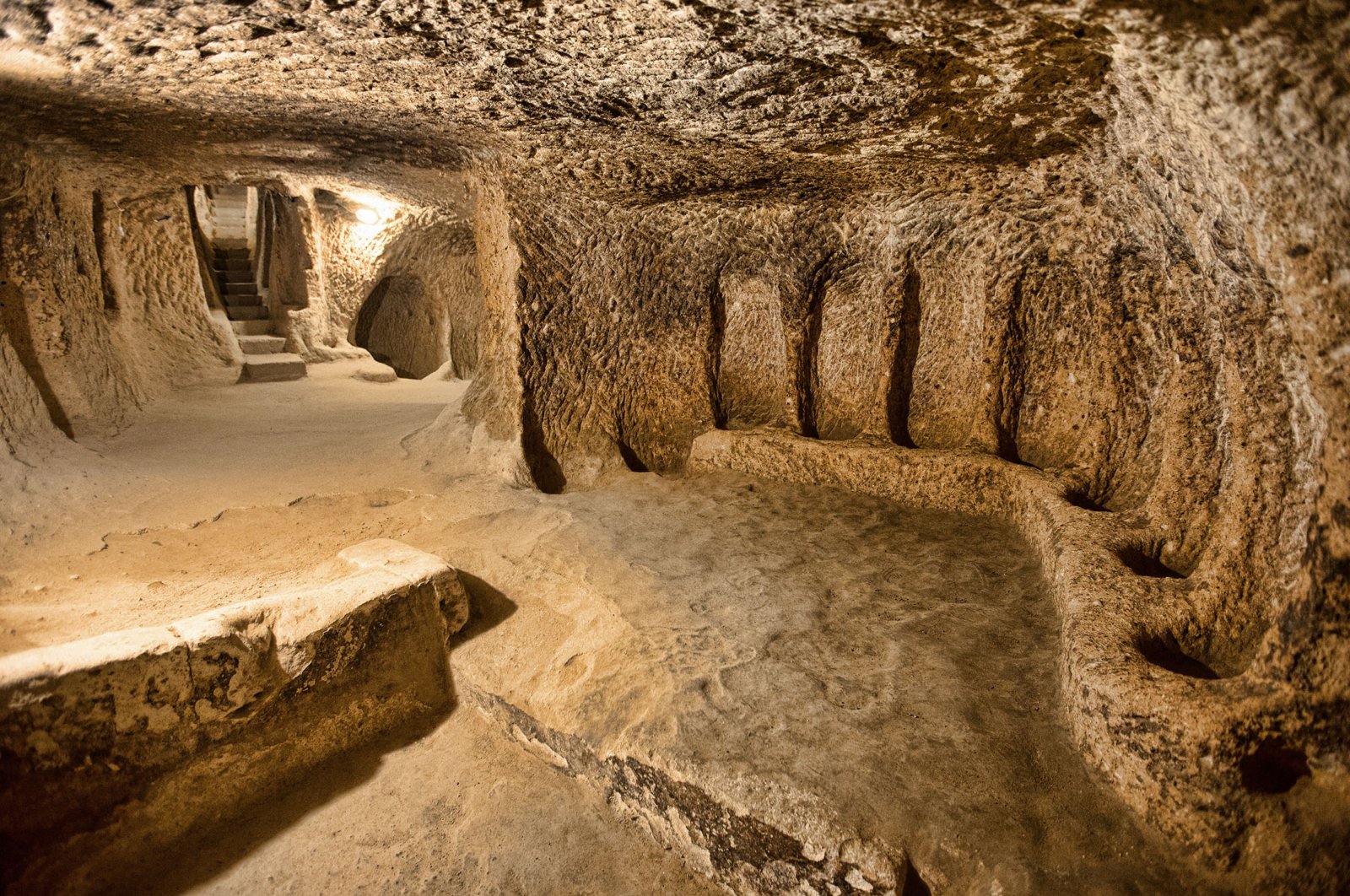
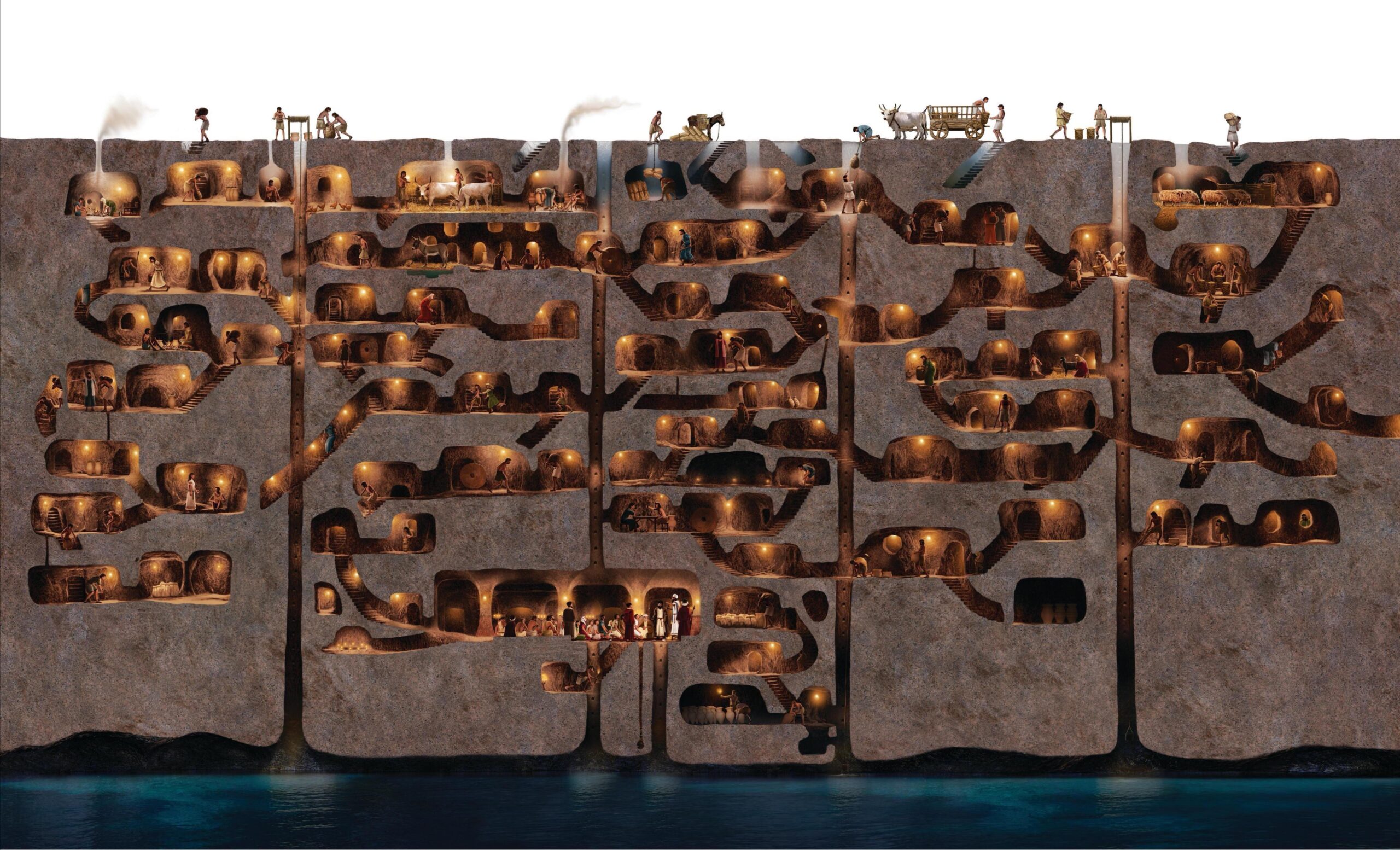
Kaymakli Underground City, is one of the largest and most well-preserved underground cities in the region. This ancient subterranean complex, carved into soft volcanic rock, dates back to the Hittite period and was expanded by early Christians to serve as a refuge from invasions. The city features a labyrinth of tunnels, living quarters, kitchens, stables, and storage rooms spread across multiple levels. It provided a safe haven for thousands of people, protecting them from external threats while sustaining their daily lives. Today, Kaymakli Underground City offers visitors a fascinating glimpse into the ingenuity and resilience of its ancient inhabitants.
Derinkuyu Underground City
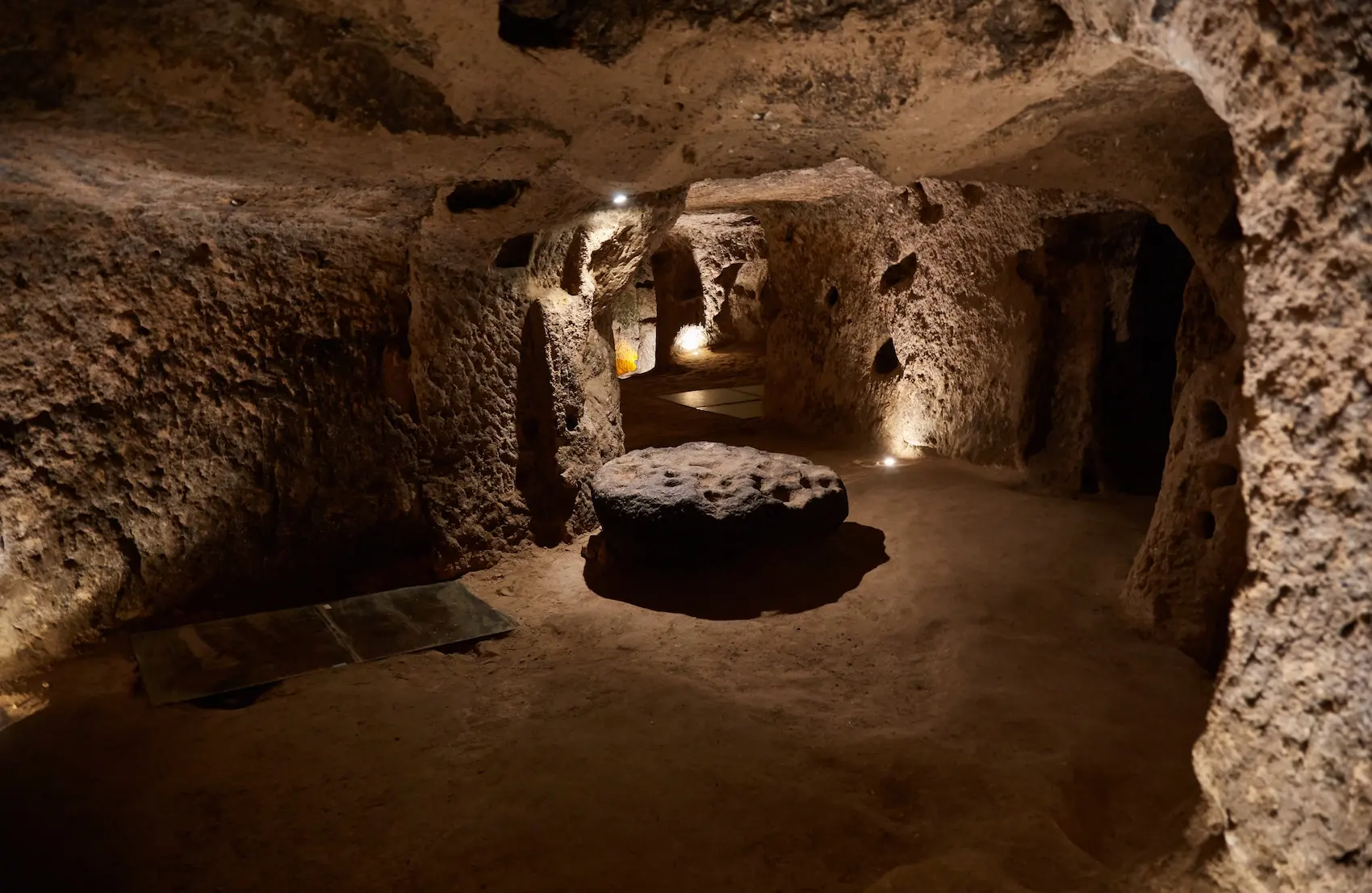
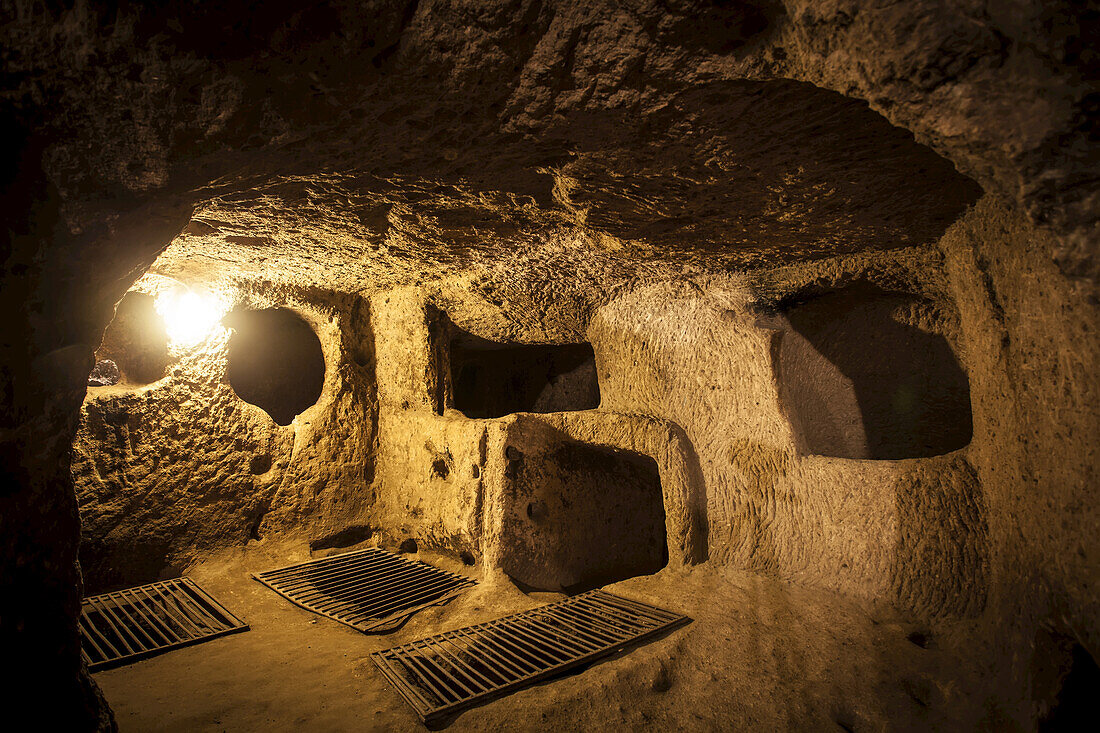
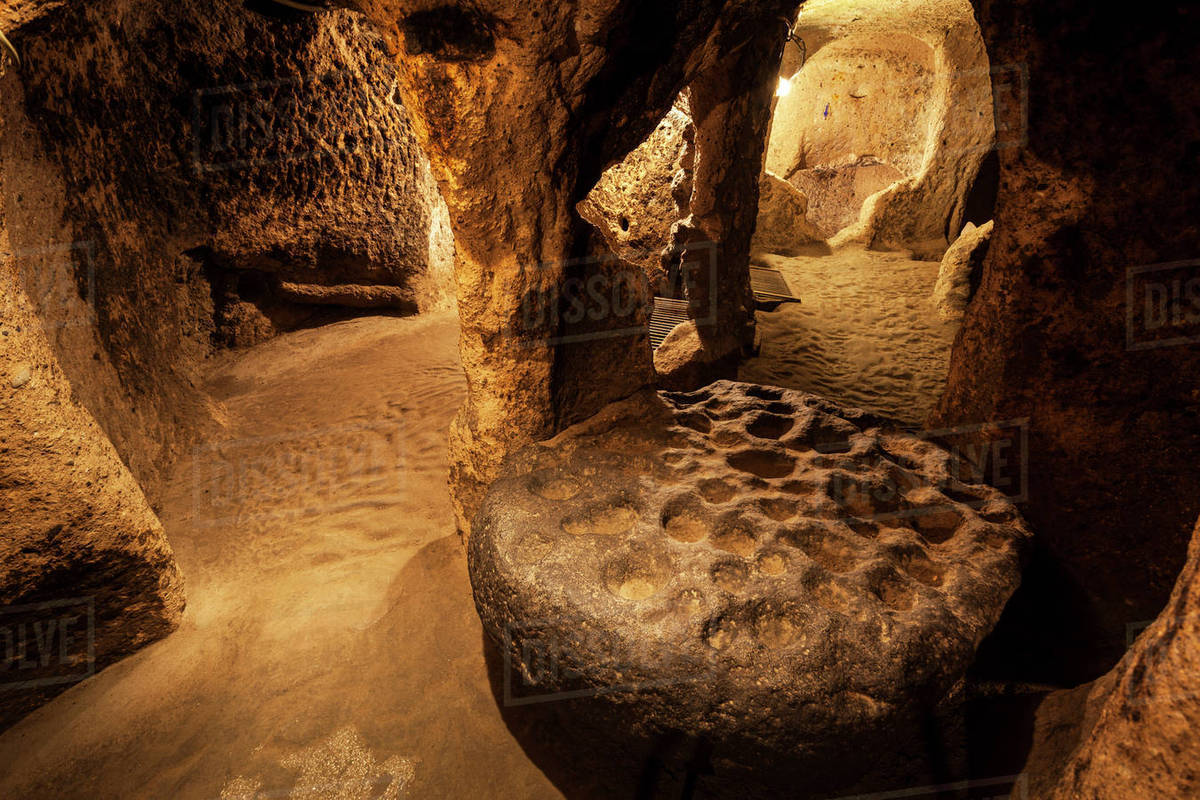
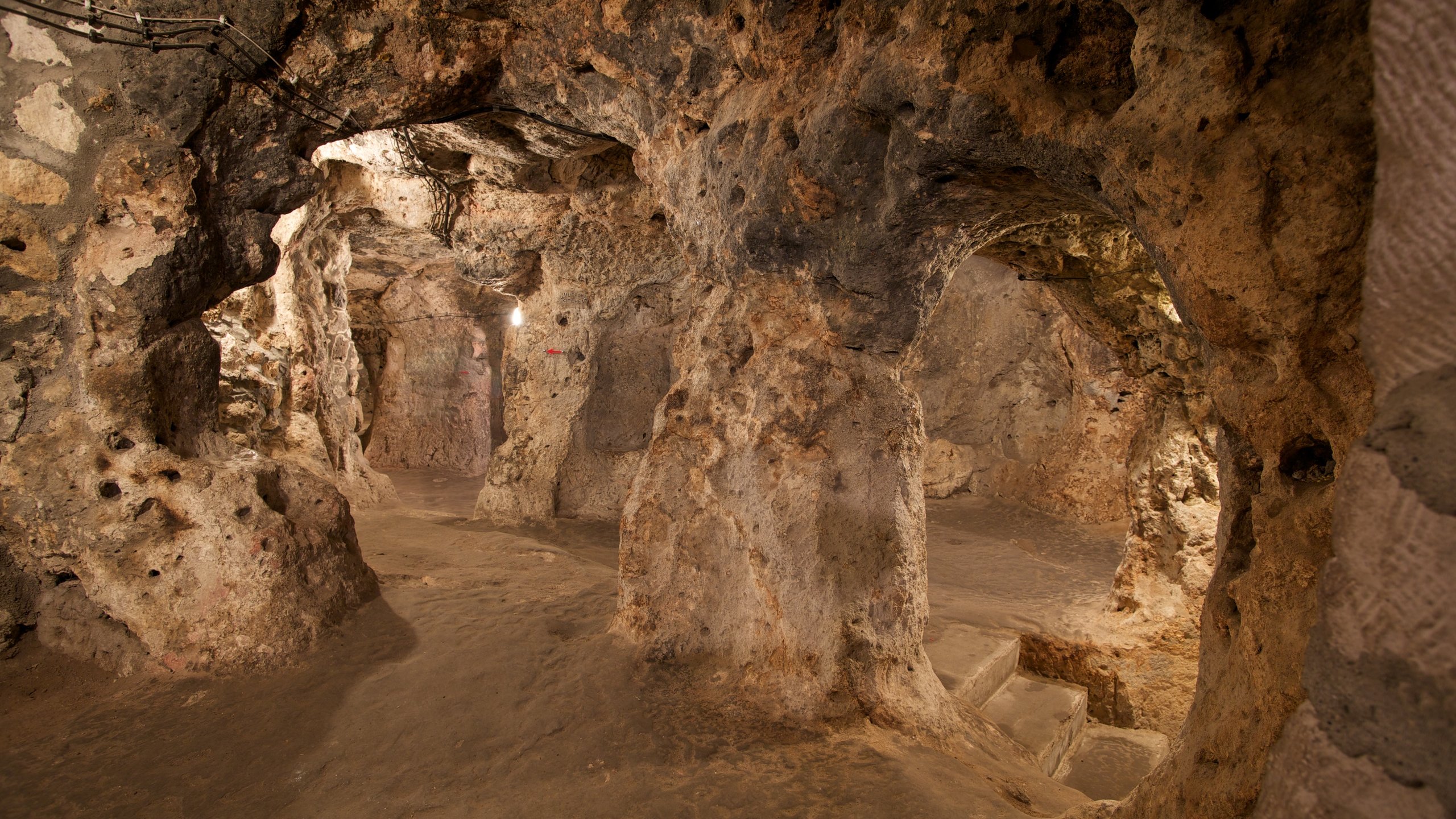
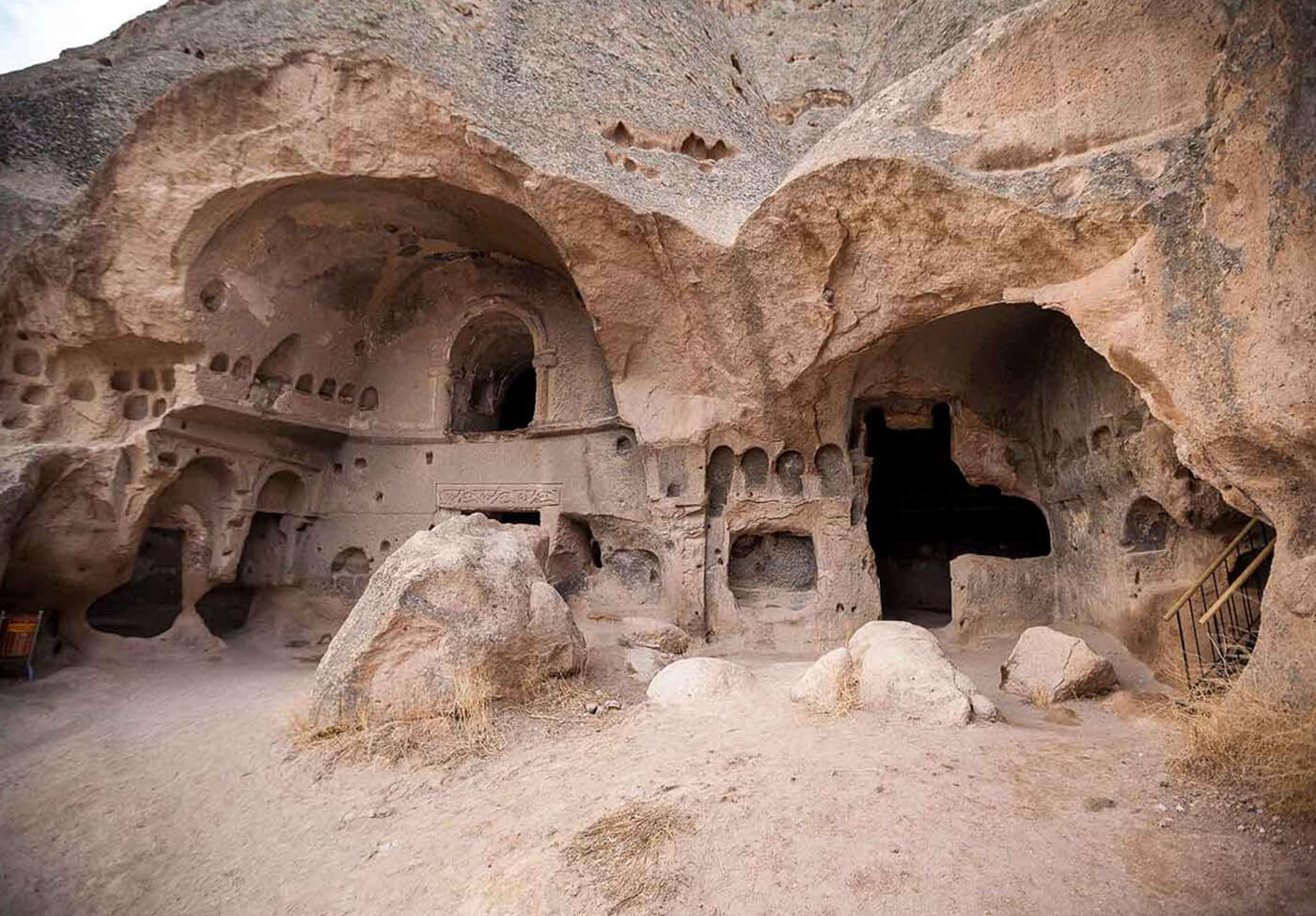
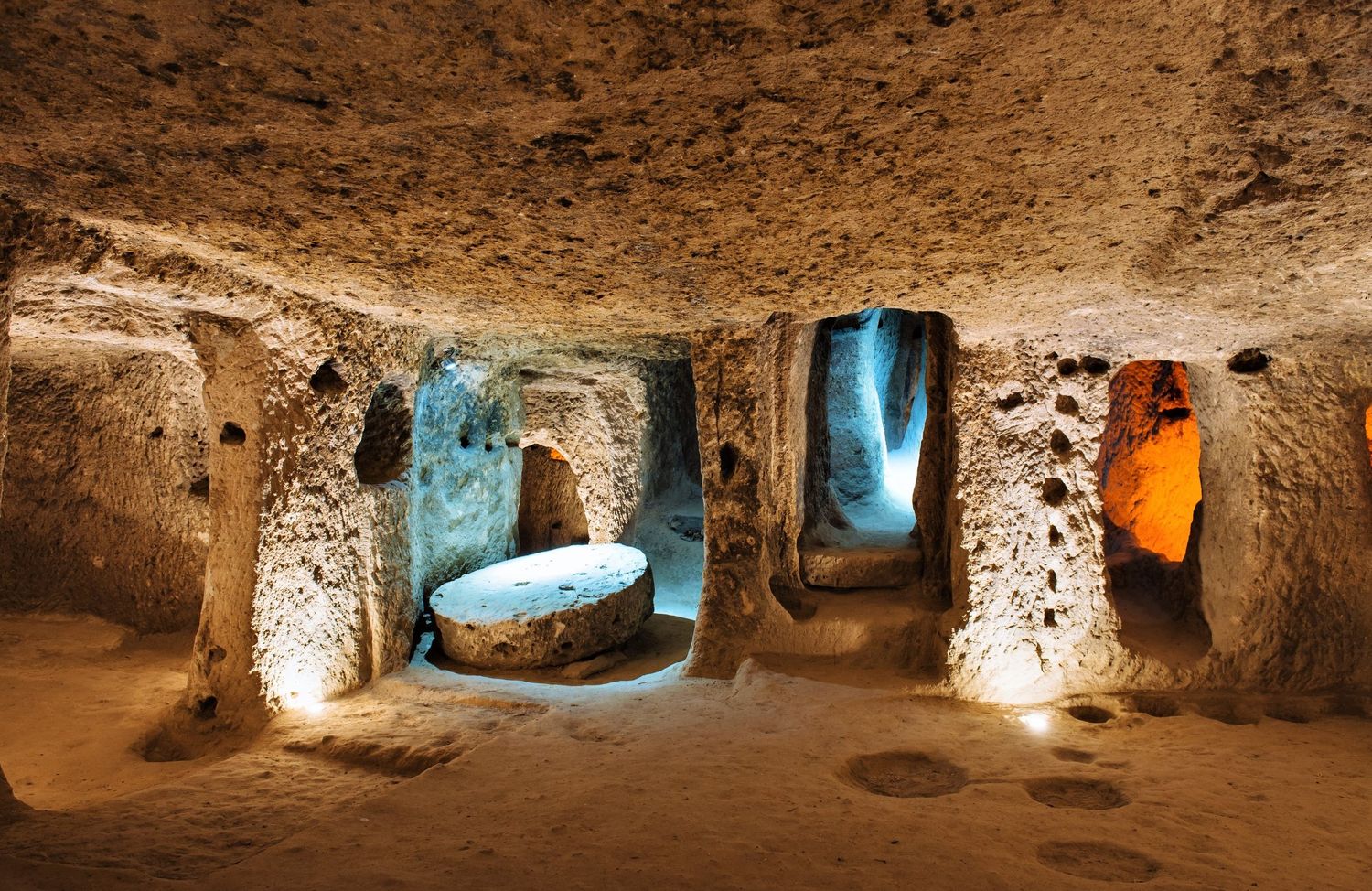
Derinkuyu Underground City is the largest and deepest of the region's subterranean complexes. This ancient city, descending over 85 meters underground, was originally built by the Phrygians in the 8th–7th centuries BCE and later expanded by early Christians to serve as a refuge from invasions. The city features multiple levels with interconnected tunnels, living quarters, churches, wineries, kitchens, and even a school. Ingeniously designed with ventilation shafts, wells, and strategic defenses, Derinkuyu could house up to 20,000 people, providing a secure and self-sustaining shelter during times of peril. Today, it stands as a testament to the architectural and engineering prowess of its builders, offering a captivating exploration of ancient underground life.
Ihlara Valley
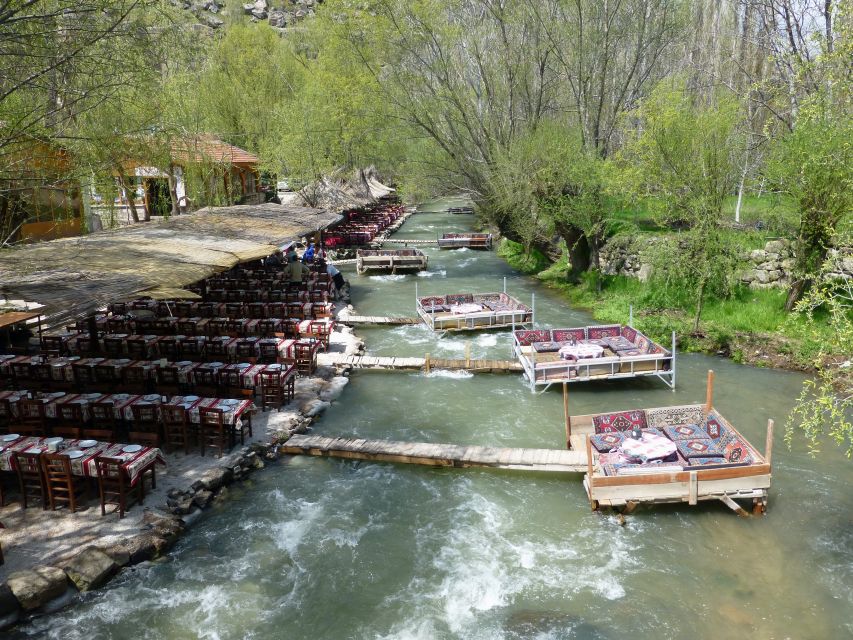
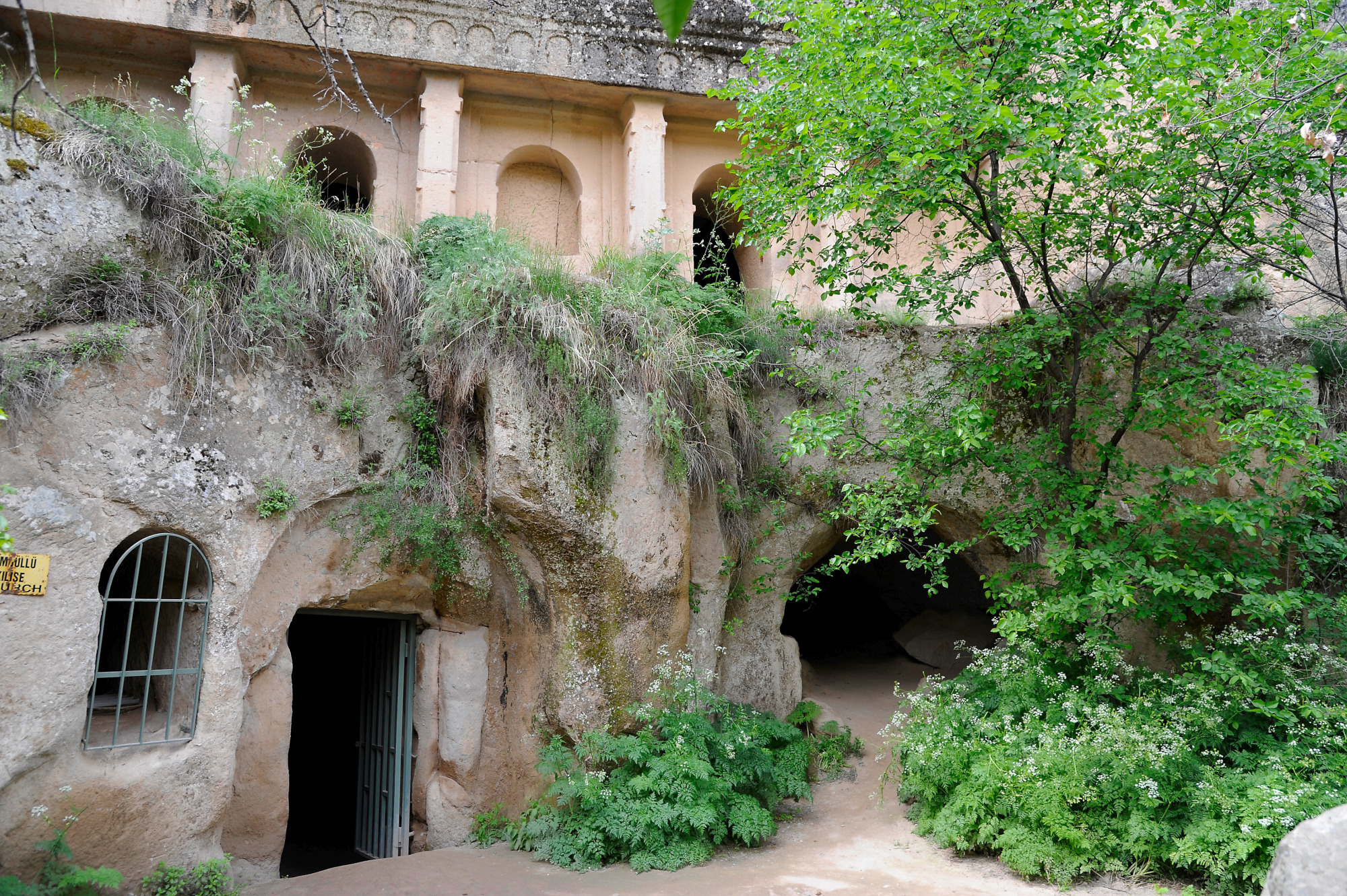
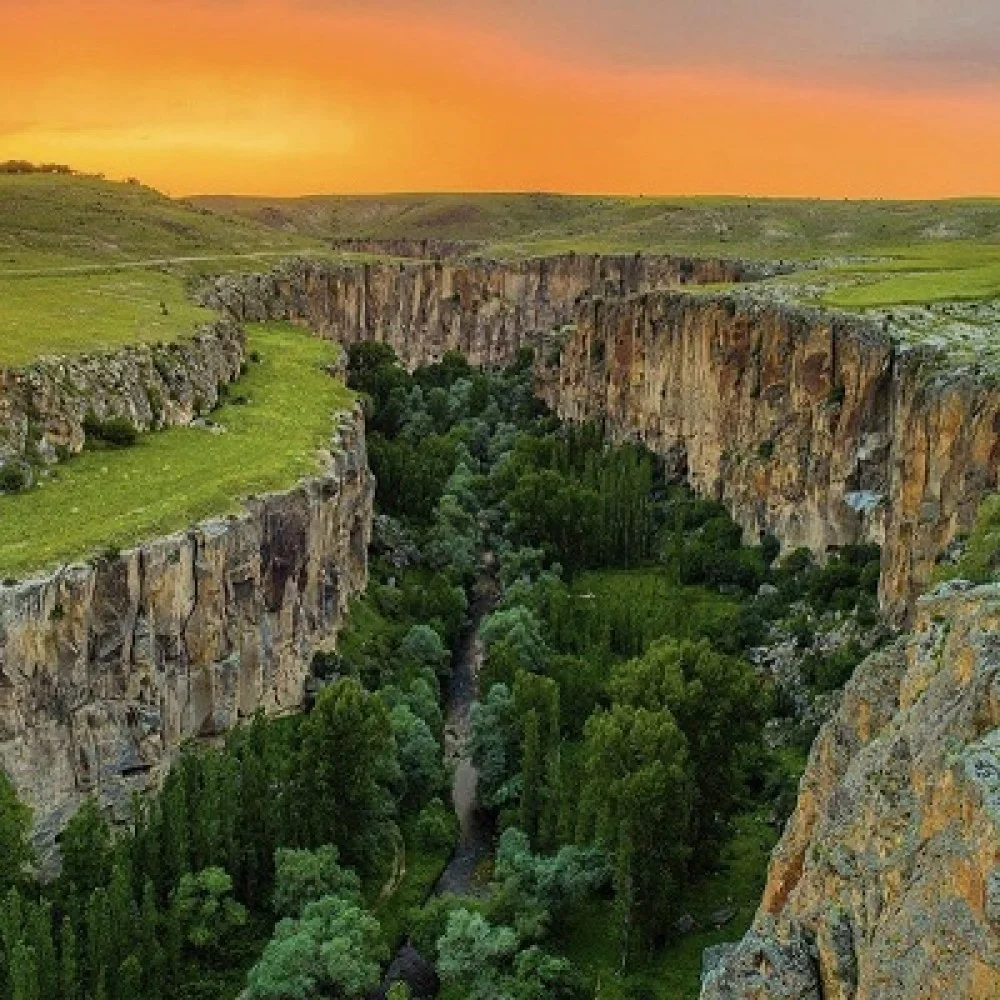
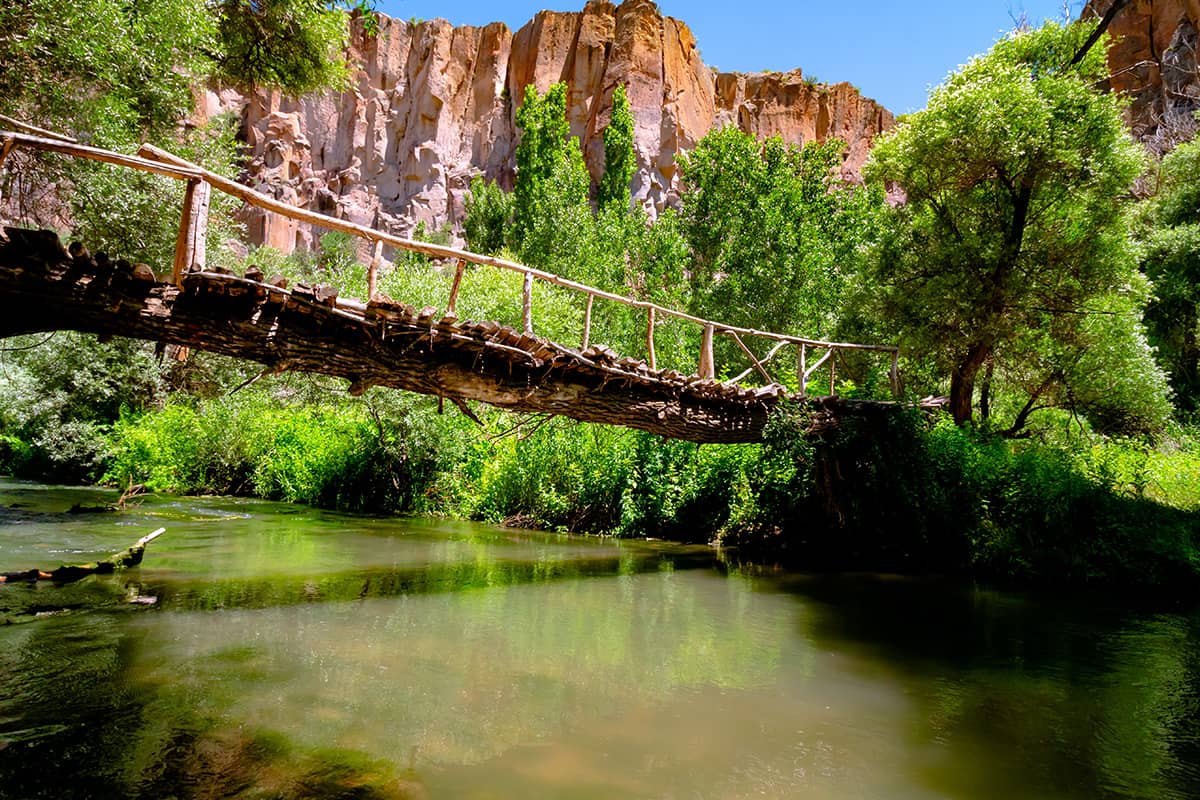
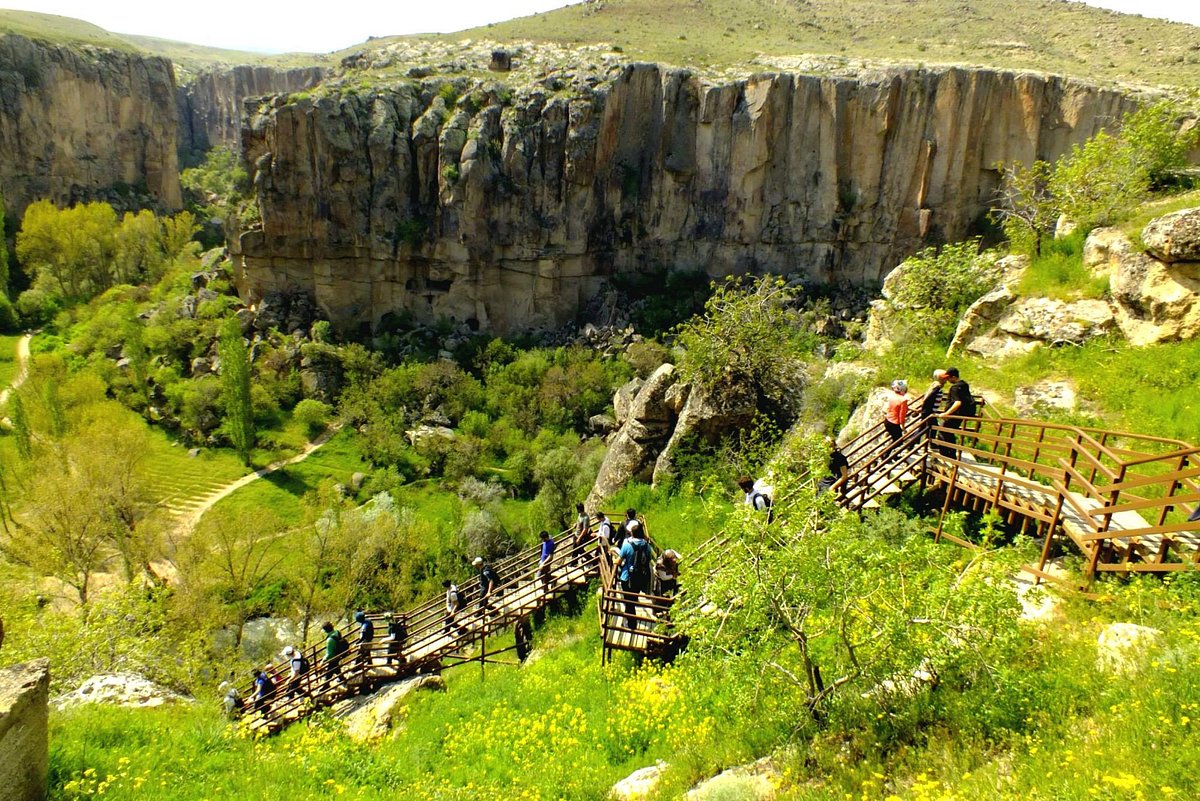
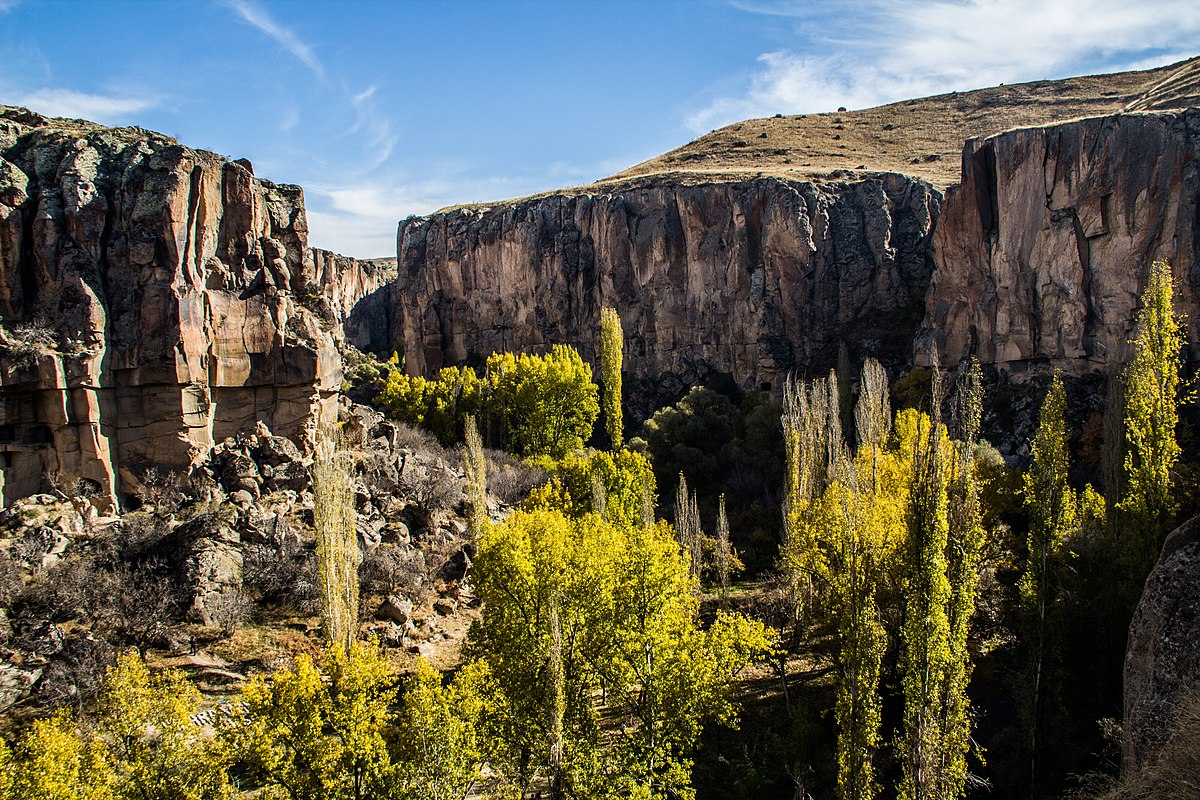
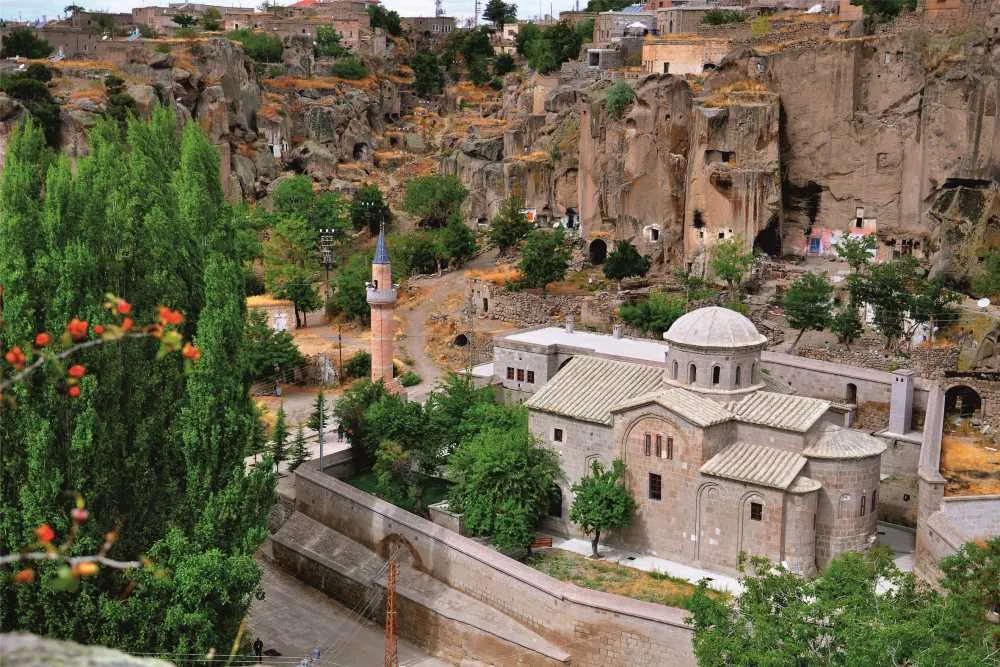
Ihlara Valley is a stunning gorge carved by the Melendiz River, stretching for about 16 kilometers. This lush, verdant valley is renowned for its natural beauty and the numerous rock-cut churches and monasteries that line its walls. These religious sites, adorned with frescoes, date back to the early Christian and Byzantine periods. Historically, Ihlara Valley served as a secluded haven for monks and a thriving monastic community, benefiting from the protection and isolation offered by its steep cliffs. Today, visitors can hike along the river, explore ancient churches, and enjoy the serene, picturesque landscape of this unique geological and historical site.
Lake Tuz
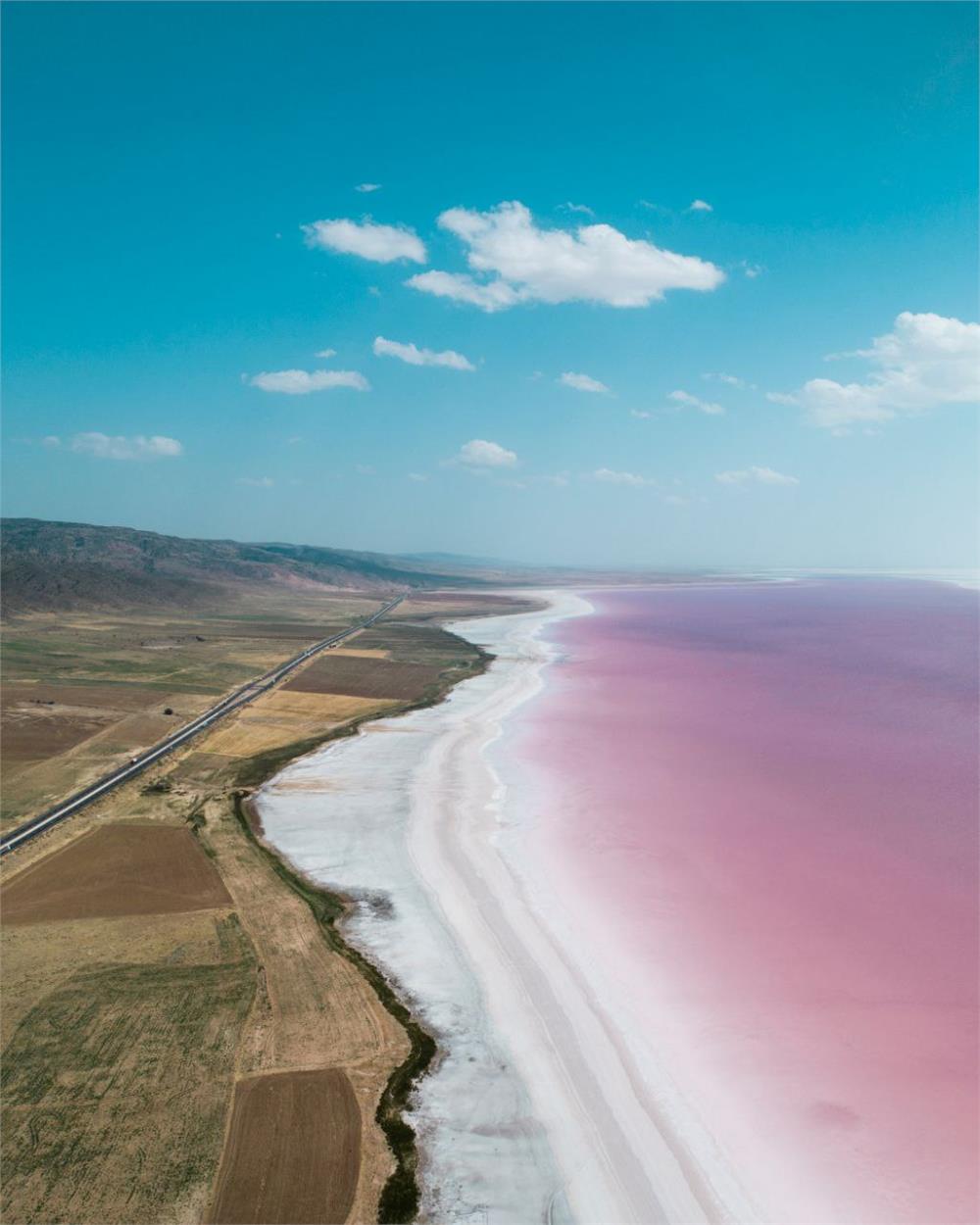
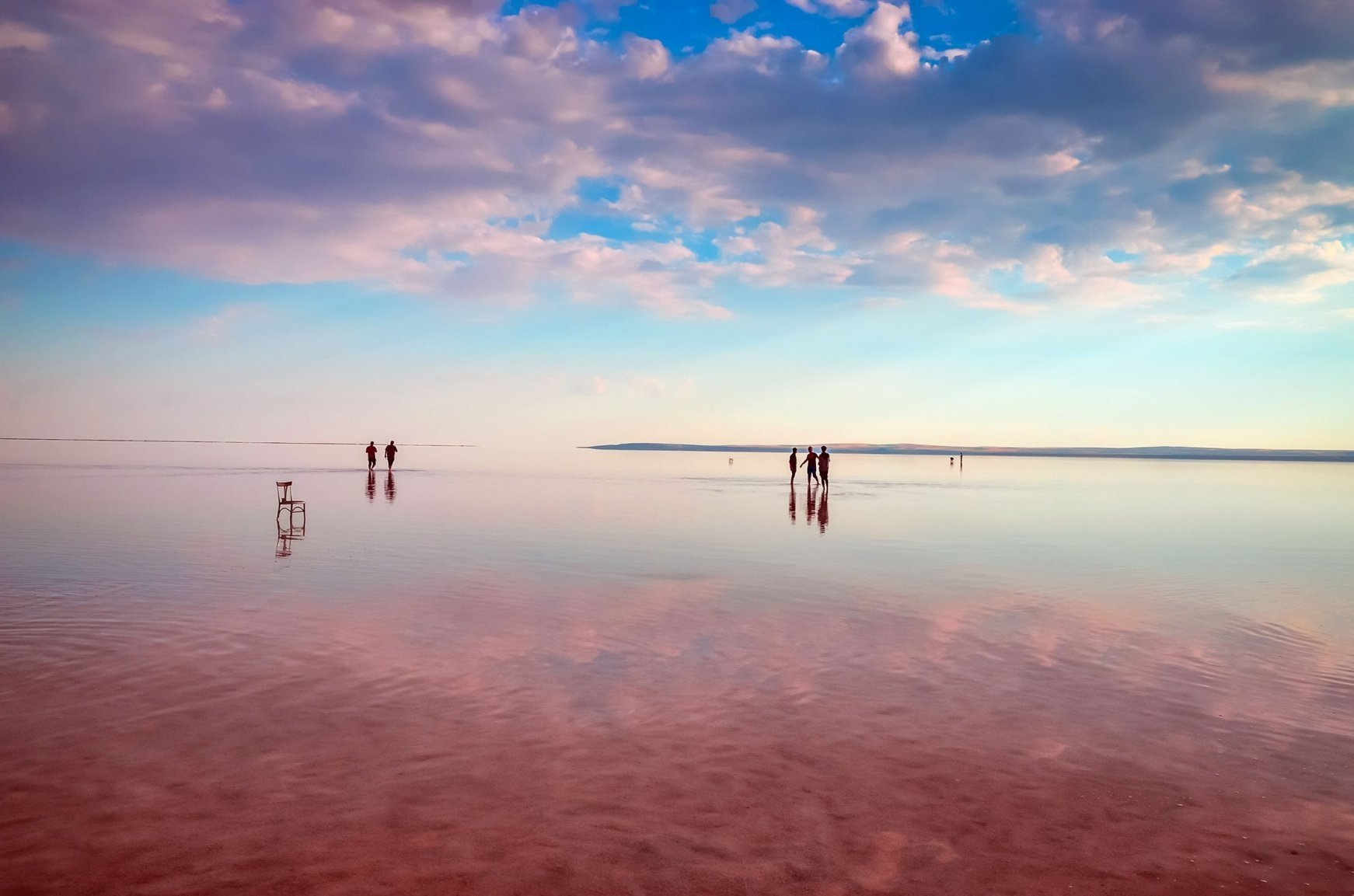
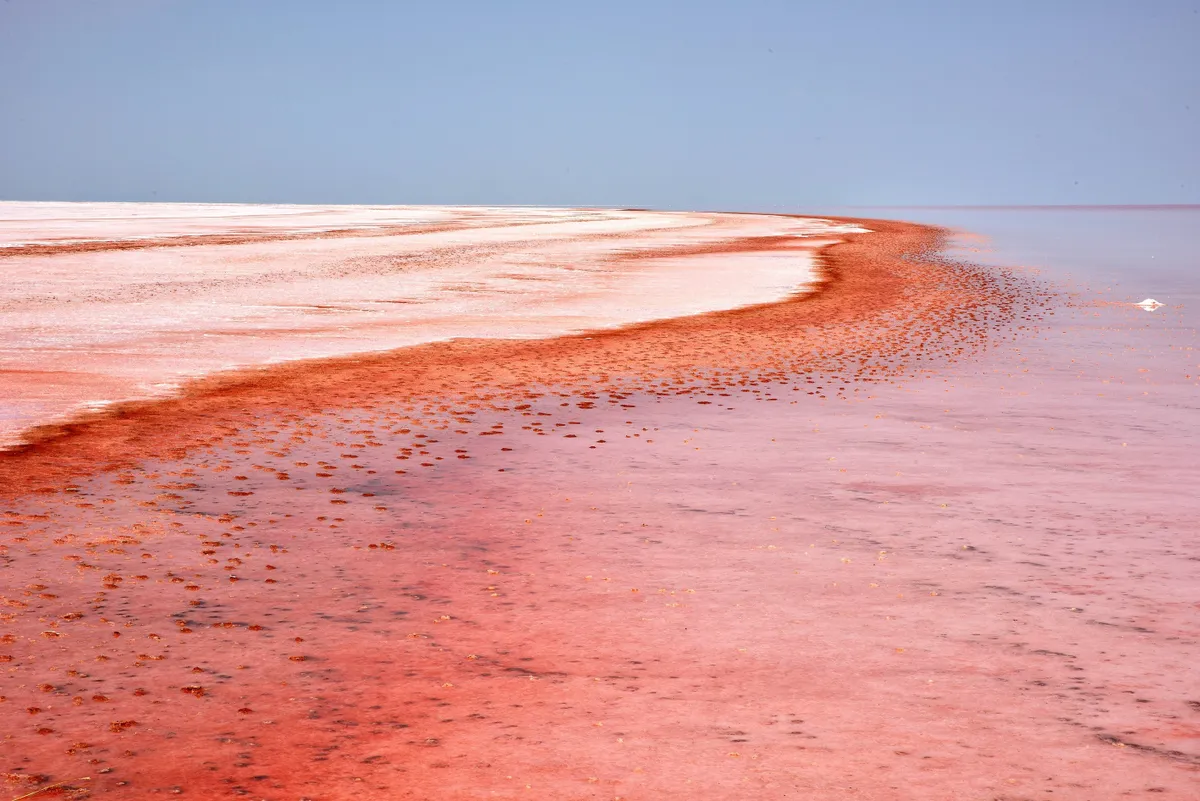
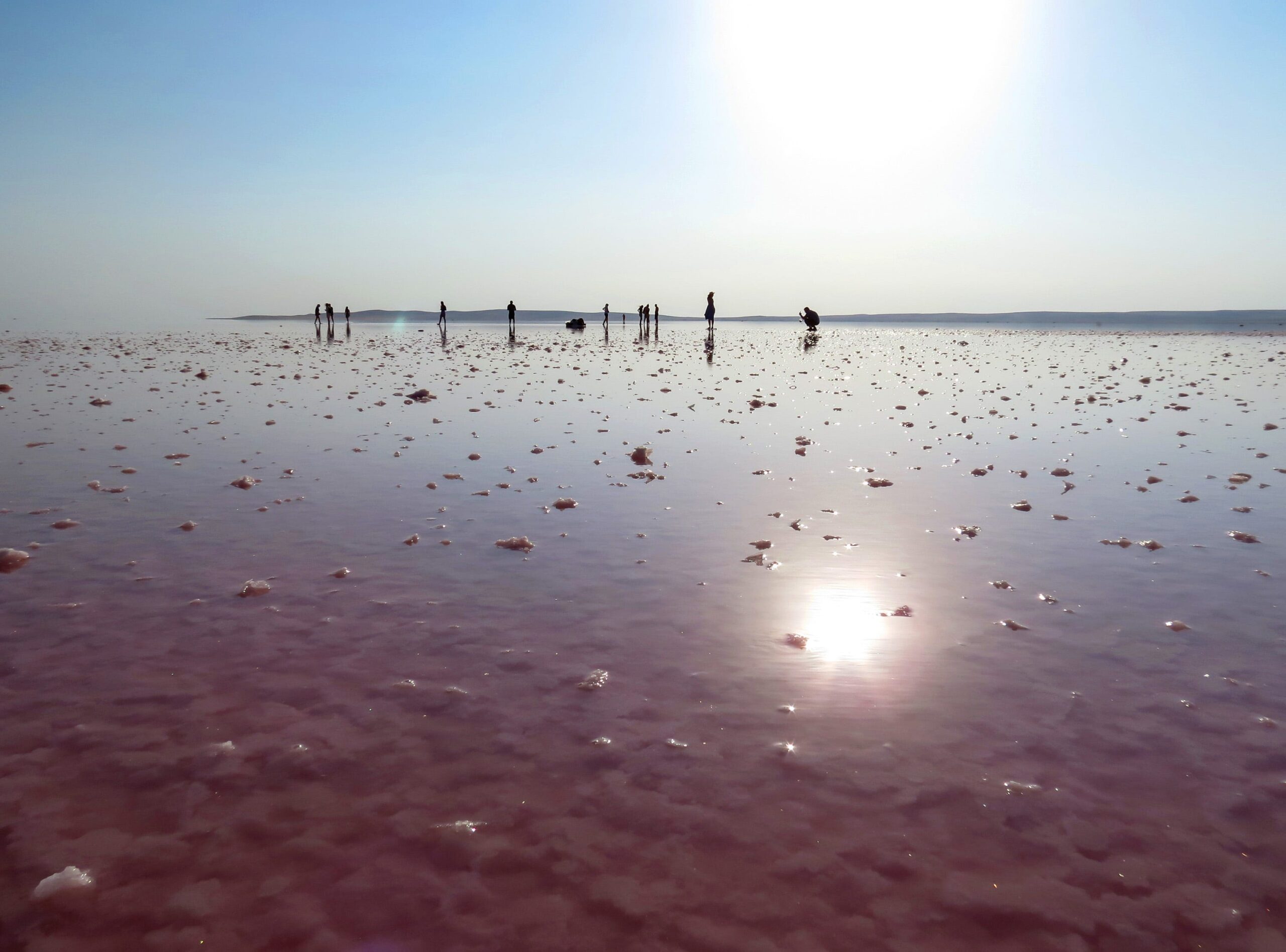
Lake Tuz, also known as Tuz Gölü, is one of the largest salt lakes in the world. This vast, shallow lake covers an area of approximately 1,665 square kilometers and is a major source of salt for Turkey. During the dry summer months, much of the water evaporates, leaving behind a thick crust of salt that creates a stunning white landscape. Historically, Lake Tuz has been an important resource for salt extraction since ancient times, contributing significantly to the local economy. Its unique and ethereal scenery attracts visitors, who come to witness the shimmering salt flats and the occasional flamingos that inhabit the area.
Taşkınpaşa Cami
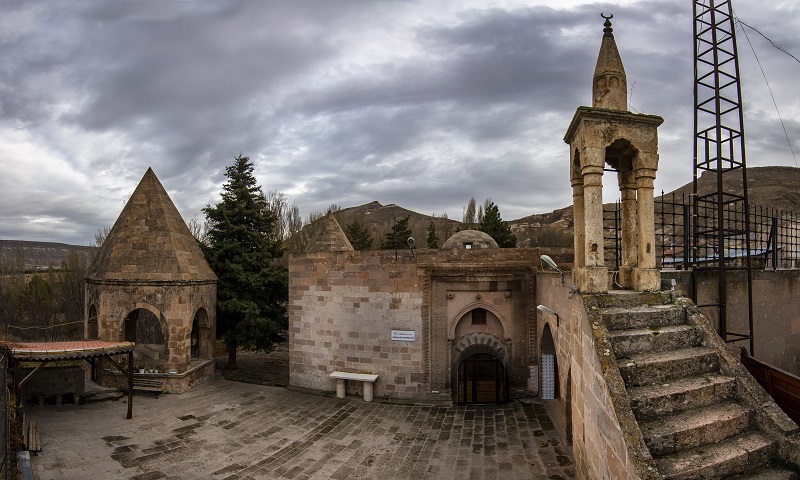
Taşkınpaşa Cami is a remarkable example of Seljuk architecture. Built in the 13th century, this historic mosque features intricate stone carvings and a distinctive mihrab (prayer niche) adorned with geometric and floral patterns. The mosque reflects the architectural and artistic influences of the Seljuk era, showcasing the region's rich cultural heritage. The surrounding complex includes a madrasa (Islamic school) and a türbe (mausoleum), further emphasizing its historical and religious significance. Taşkınpaşa Cami stands as a testament to the enduring legacy of Seljuk craftsmanship and the region's Islamic history.
Damat Ibrahim Pasha Complex
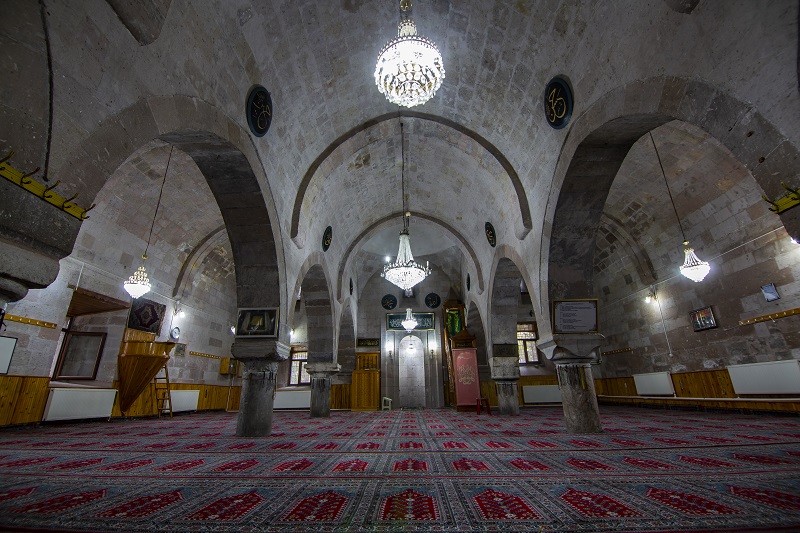
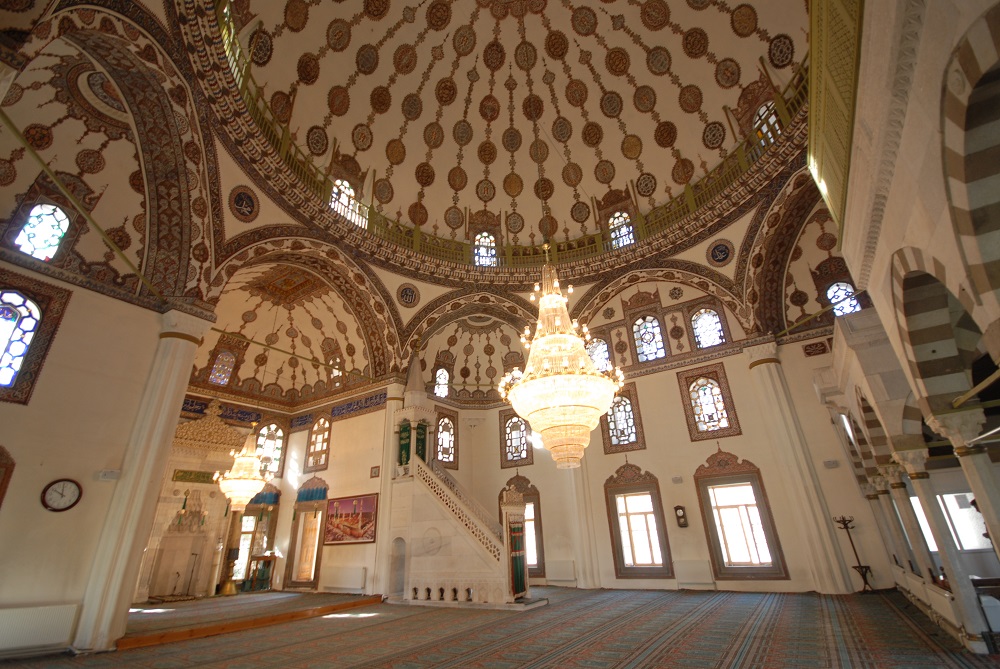
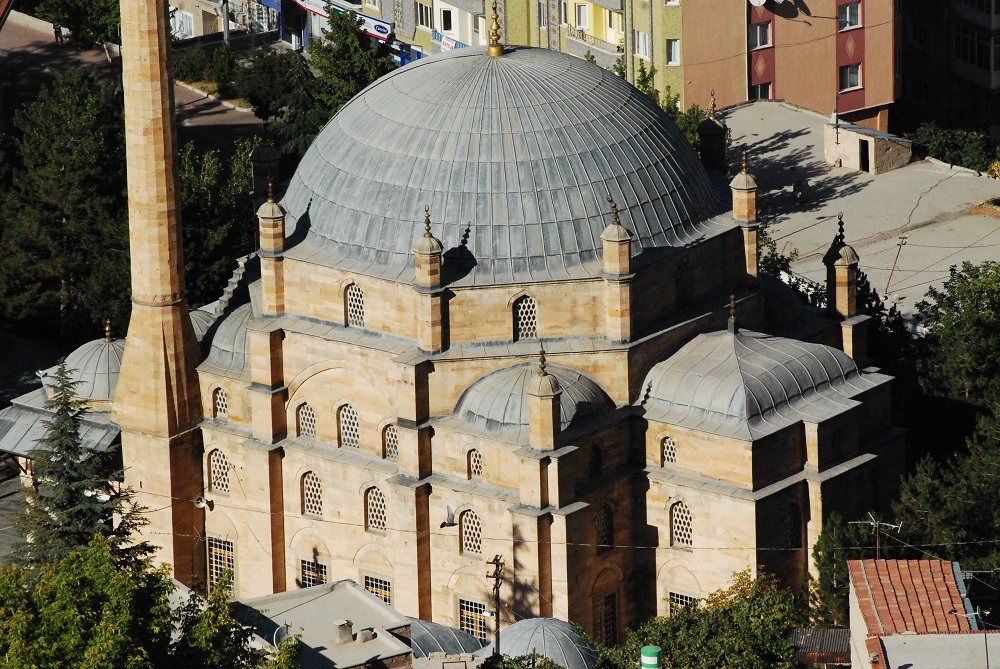
The Damat Ibrahim Pasha Complex, is an impressive complex that includes a grand mosque, a madrasa (Islamic school), a library, a public kitchen, and other social facilities, all constructed in the classical Ottoman architectural style. Built in the 18th century under the patronage of Nevşehirli Damat İbrahim Pasha, the Grand Vizier of the Ottoman Empire, the complex served as a center for religious education and community services. Its elegant design, featuring intricate tile work, ornate calligraphy, and spacious courtyards, reflects the artistic and cultural achievements of the Ottoman period. The Nevşehir Mosque Complex remains a significant historical landmark, offering insights into the architectural and social fabric of its time.
Kilise Camii
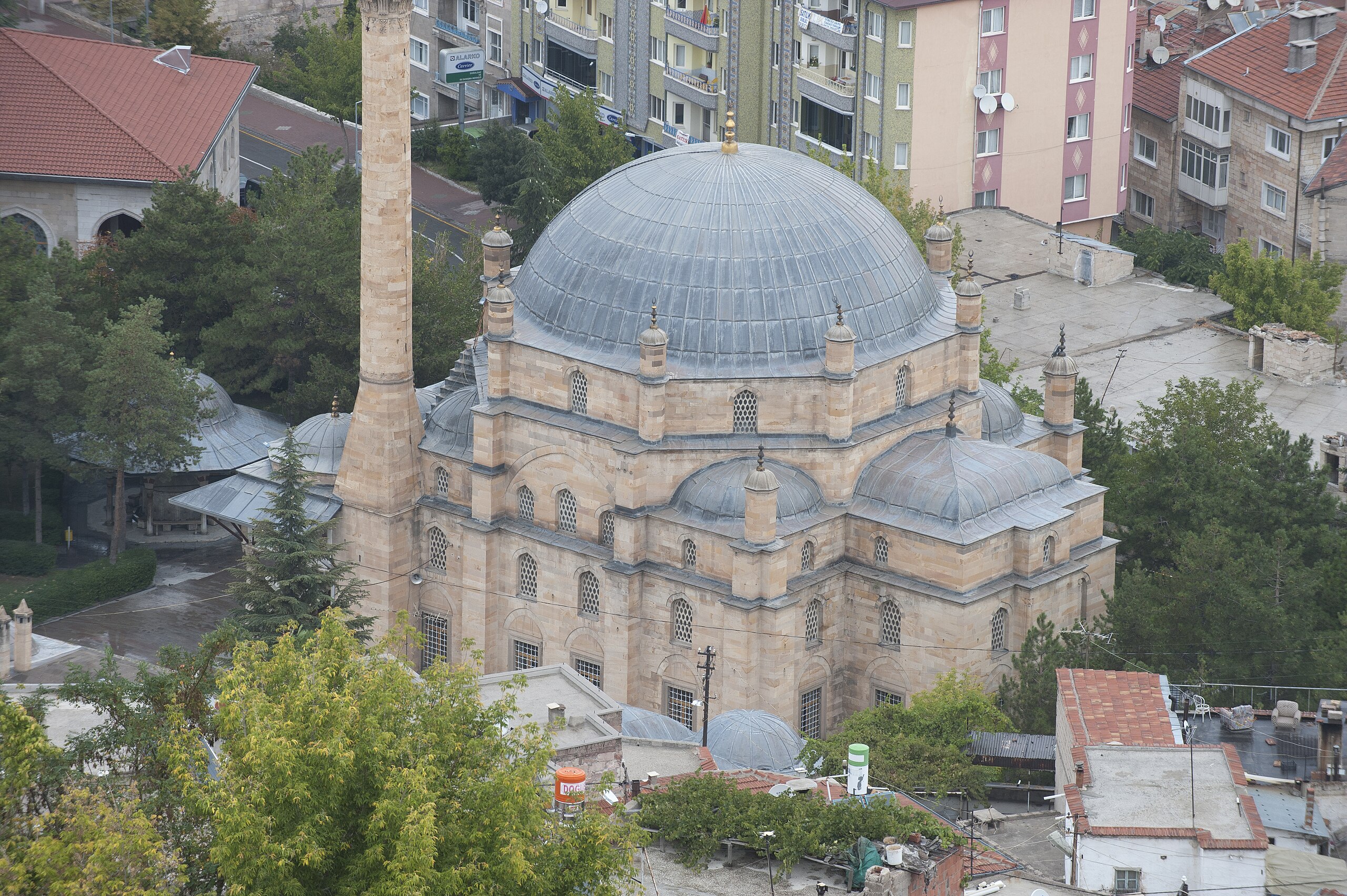
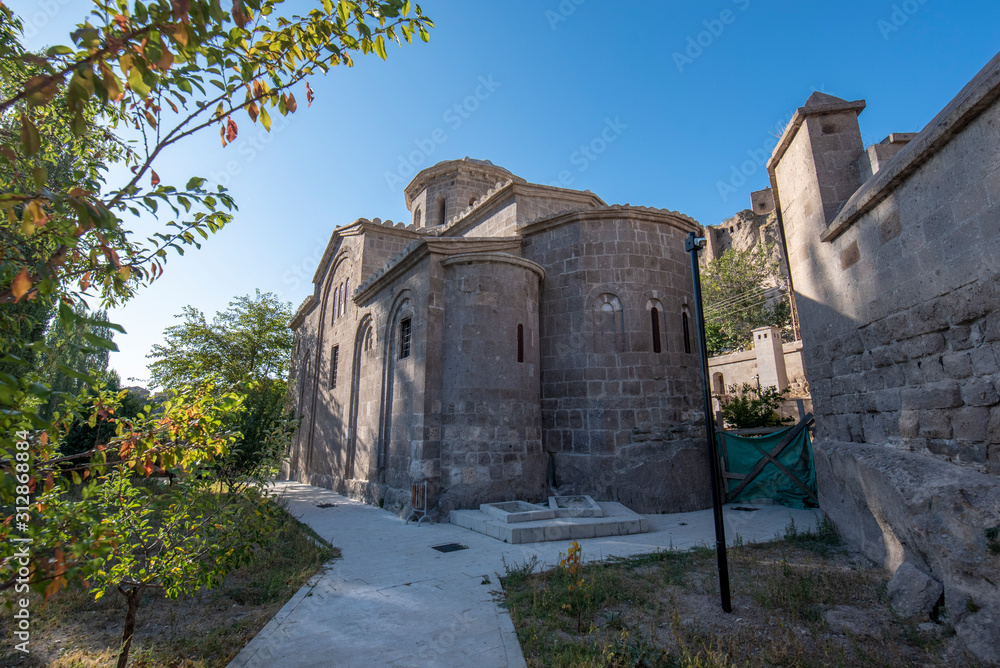
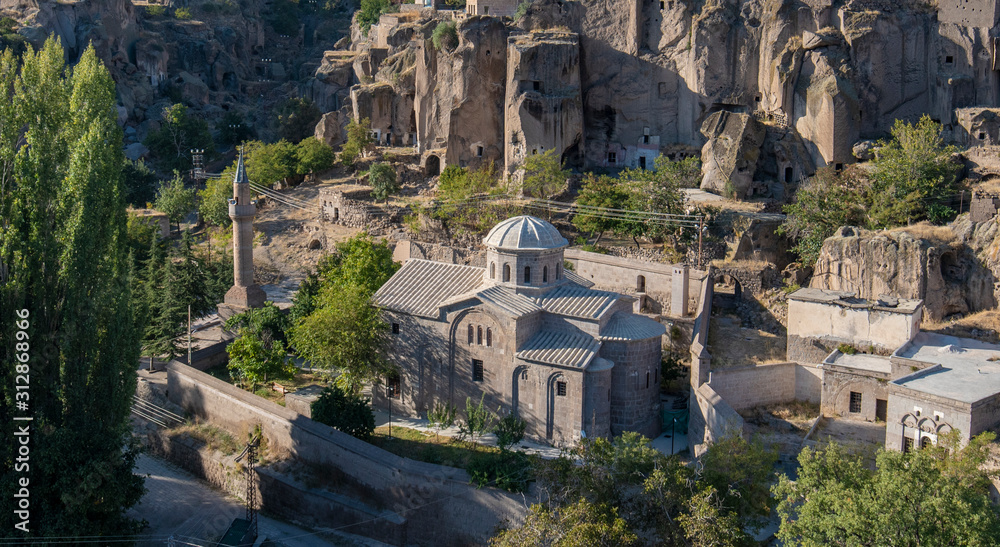
Kilise Camii is a unique religious site that exemplifies the region's rich history of cultural and architectural transformation. Originally constructed as a church during the Byzantine period, the building was later converted into a mosque following the Ottoman conquest. This blending of Christian and Islamic architectural elements makes Kilise Camii a fascinating study in religious and historical adaptation. The structure retains its original church features, such as frescoes and stone carvings, while incorporating Islamic elements like the mihrab and minaret. Kilise Camii stands as a testament to the region's diverse religious heritage and the harmonious coexistence of different cultures over the centuries.
MERSIN
Mersin Museum
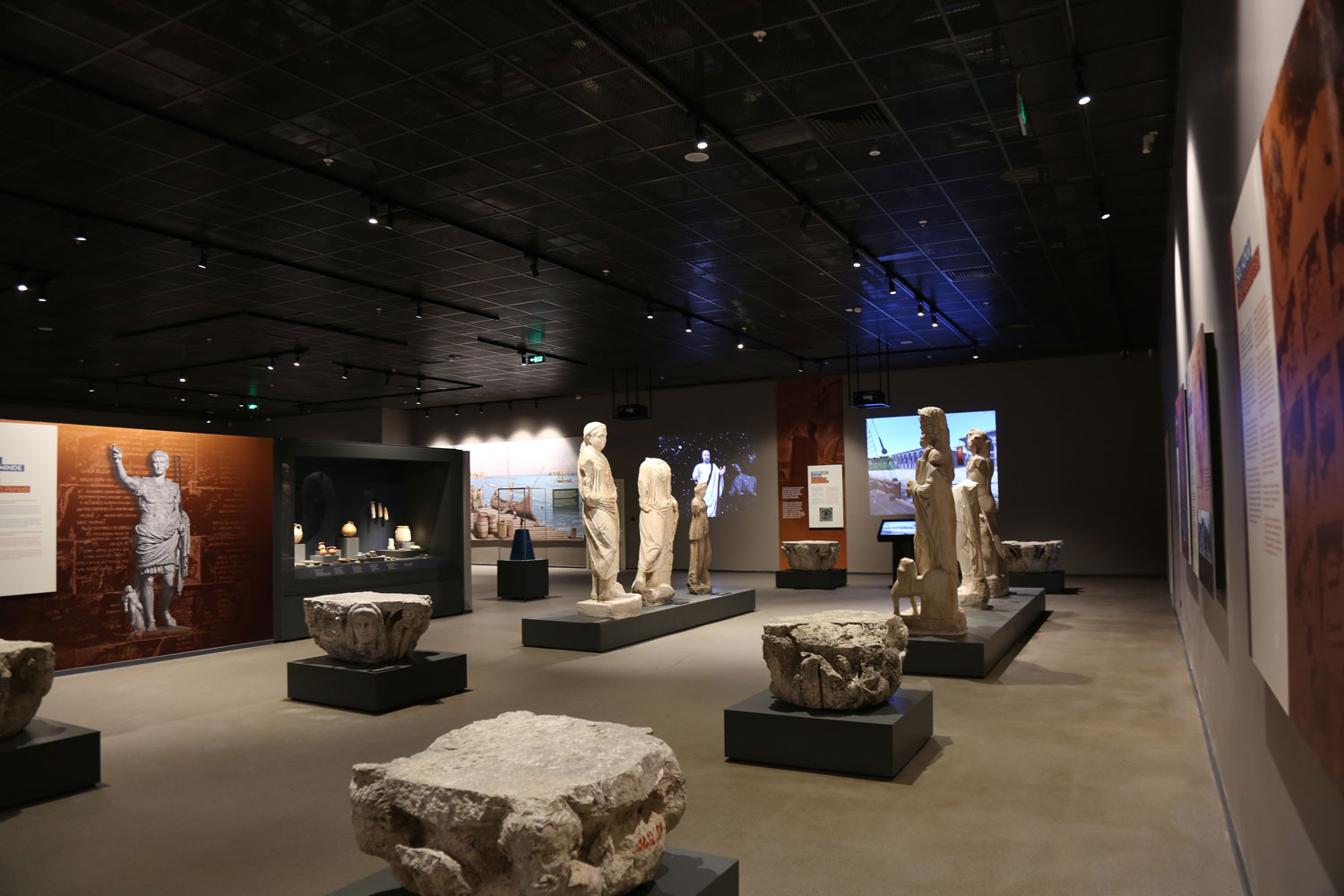
Mersin Museum is a prominent cultural institution that highlights the rich archaeological and historical heritage of the region. The museum's diverse collection spans from the Neolithic era to the Ottoman period, showcasing artifacts such as ancient pottery, intricate mosaics, statues, inscriptions, coins, and jewelry. Noteworthy exhibits include Roman mosaics from the ancient city of Soli-Pompeiopolis and Hellenistic sculptures. Through its well-curated displays and educational programs, Mersin Museum provides valuable insights into the civilizations that once flourished in this part of Anatolia, offering visitors a deep appreciation of the region's historical significance and cultural legacy.
Adamkayalar
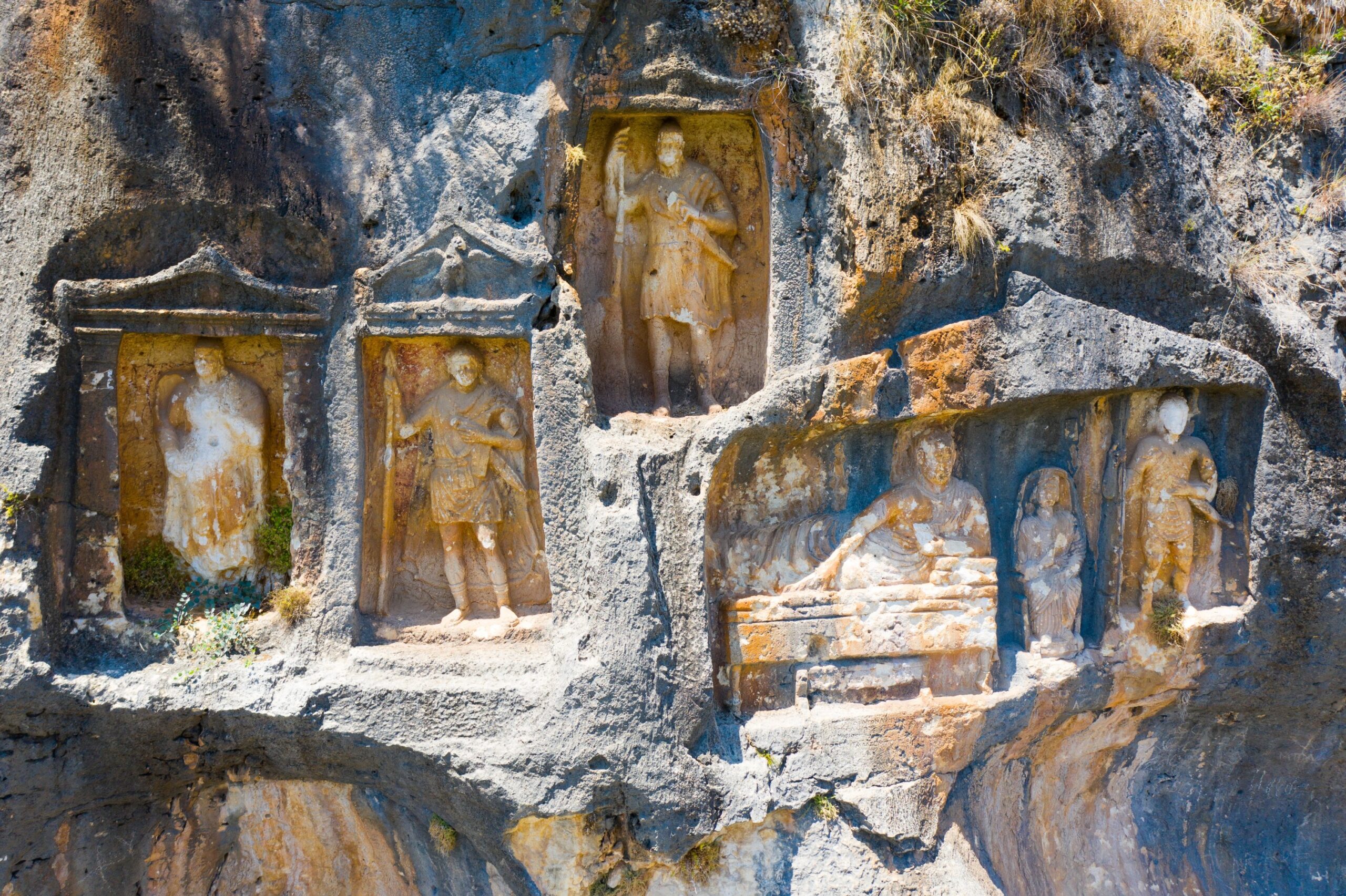
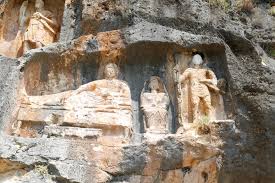
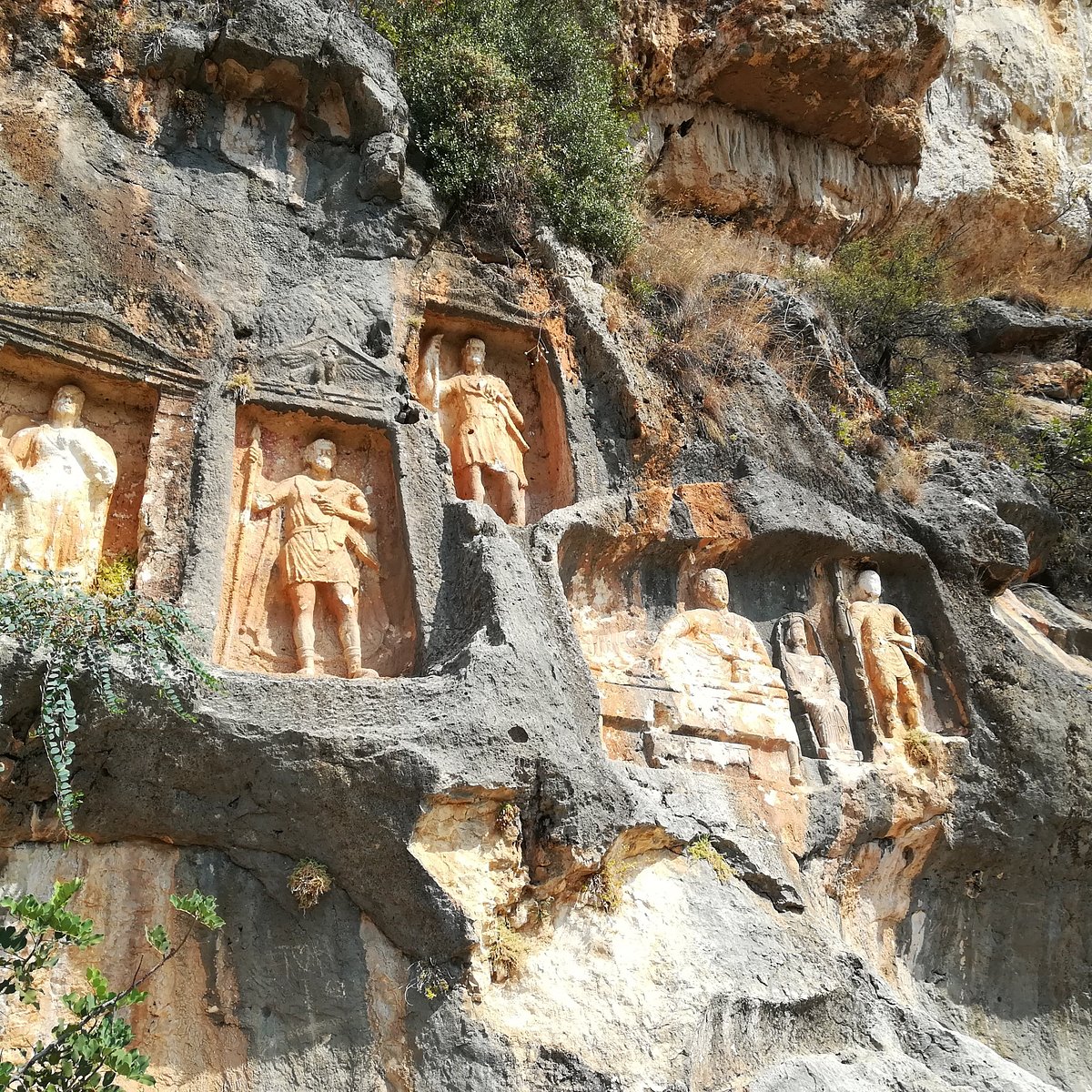
Adamkayalar, meaning "Man Rocks," is an extraordinary archaeological site located in the Taurus Mountains near the town of Erdemli. The site is renowned for its series of rock reliefs carved into the cliffs, depicting detailed images of human figures, animals, and scenes from daily life. These reliefs date back to the Hellenistic and Roman periods, around the 1st century BCE to the 2nd century CE. The carvings are believed to have served a commemorative or funerary purpose, possibly honoring local nobility or significant events. The remote and dramatic setting of Adamkayalar, combined with the intricate artistry of the reliefs, offers a fascinating glimpse into ancient cultural and artistic practices, making it a captivating destination for history enthusiasts and visitors alike.
Heaven and Hell Sinkholes
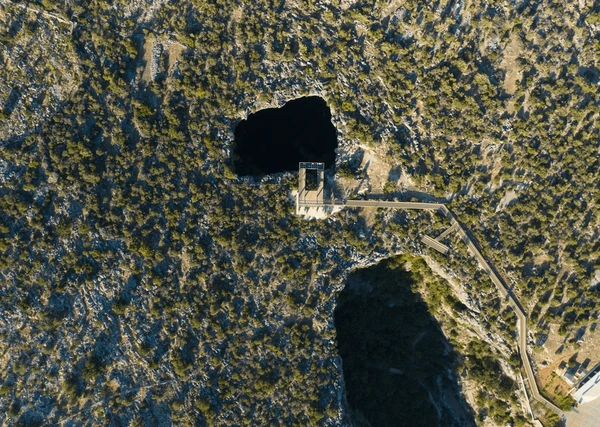
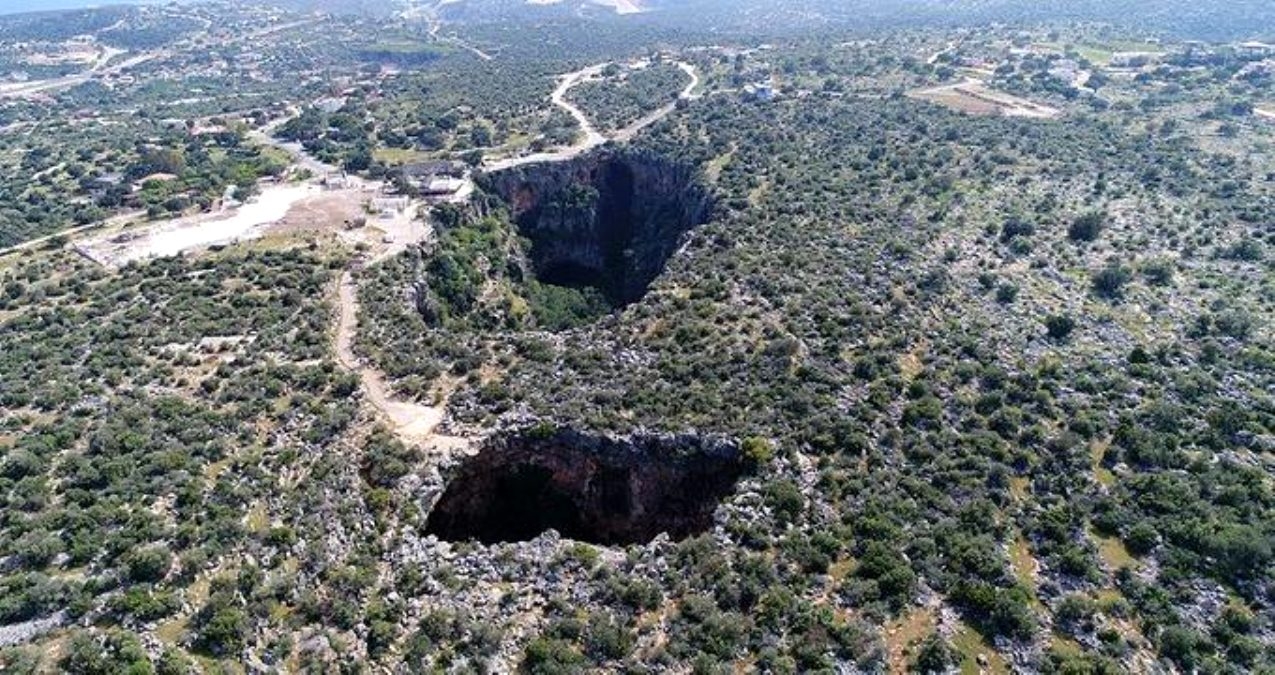
The Heaven and Hell Sinkholes, known locally as Cennet and Cehennem, are two impressive karst sinkholes. These geological formations are renowned for their dramatic appearances and intriguing legends. The Heaven Sinkhole is a lush, expansive chasm featuring a verdant, forested interior. In contrast, the Hell Sinkhole is a deeper and narrower pit with steep, unclimbable walls.
Silifke Astım Cave
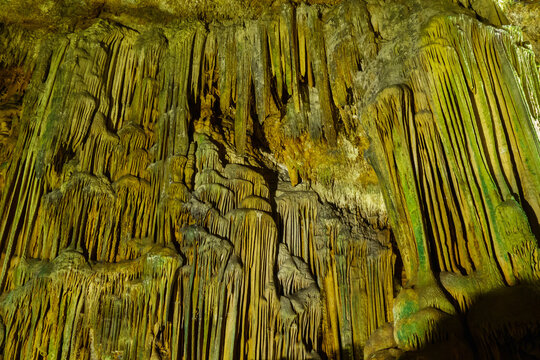
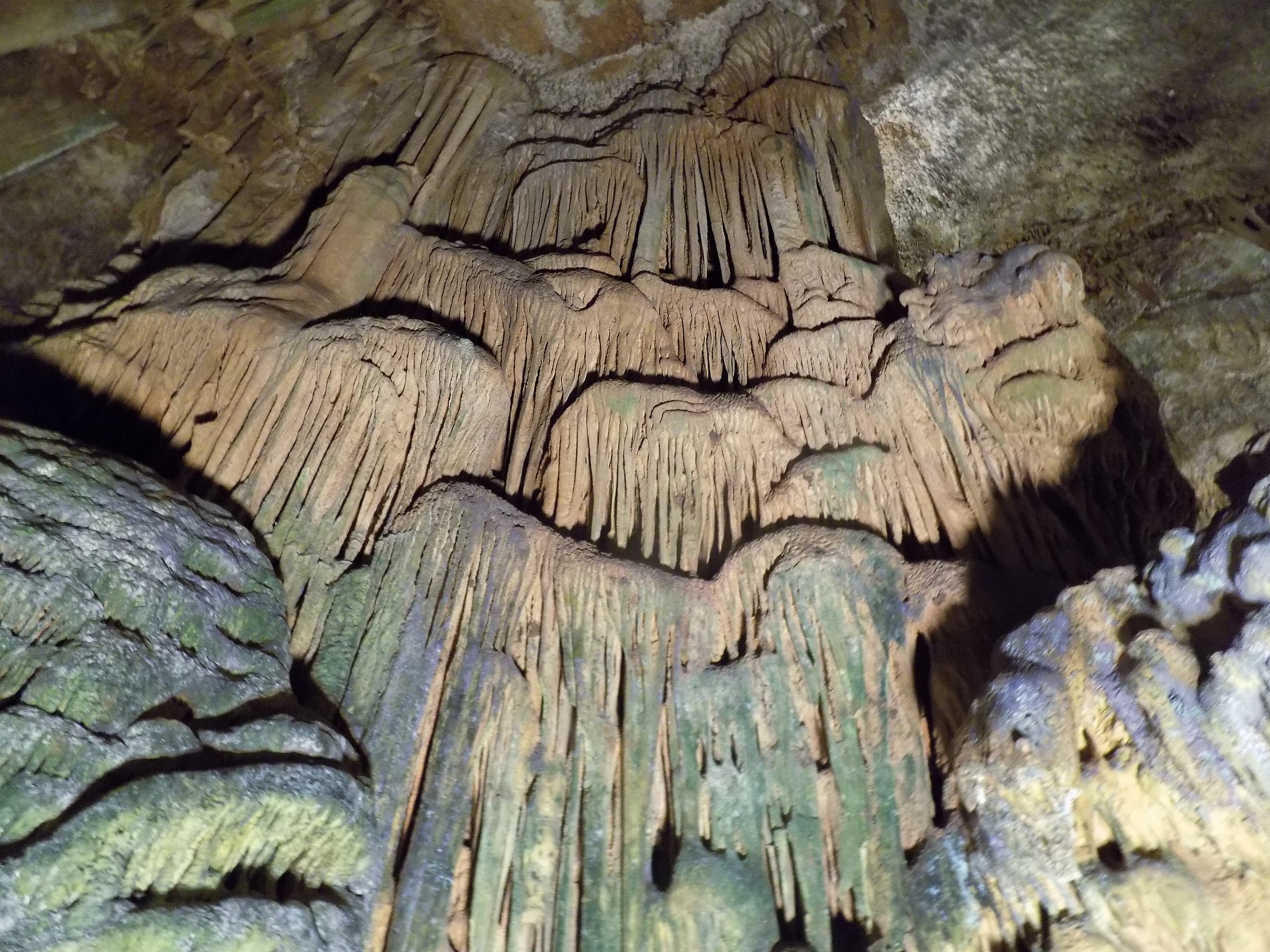
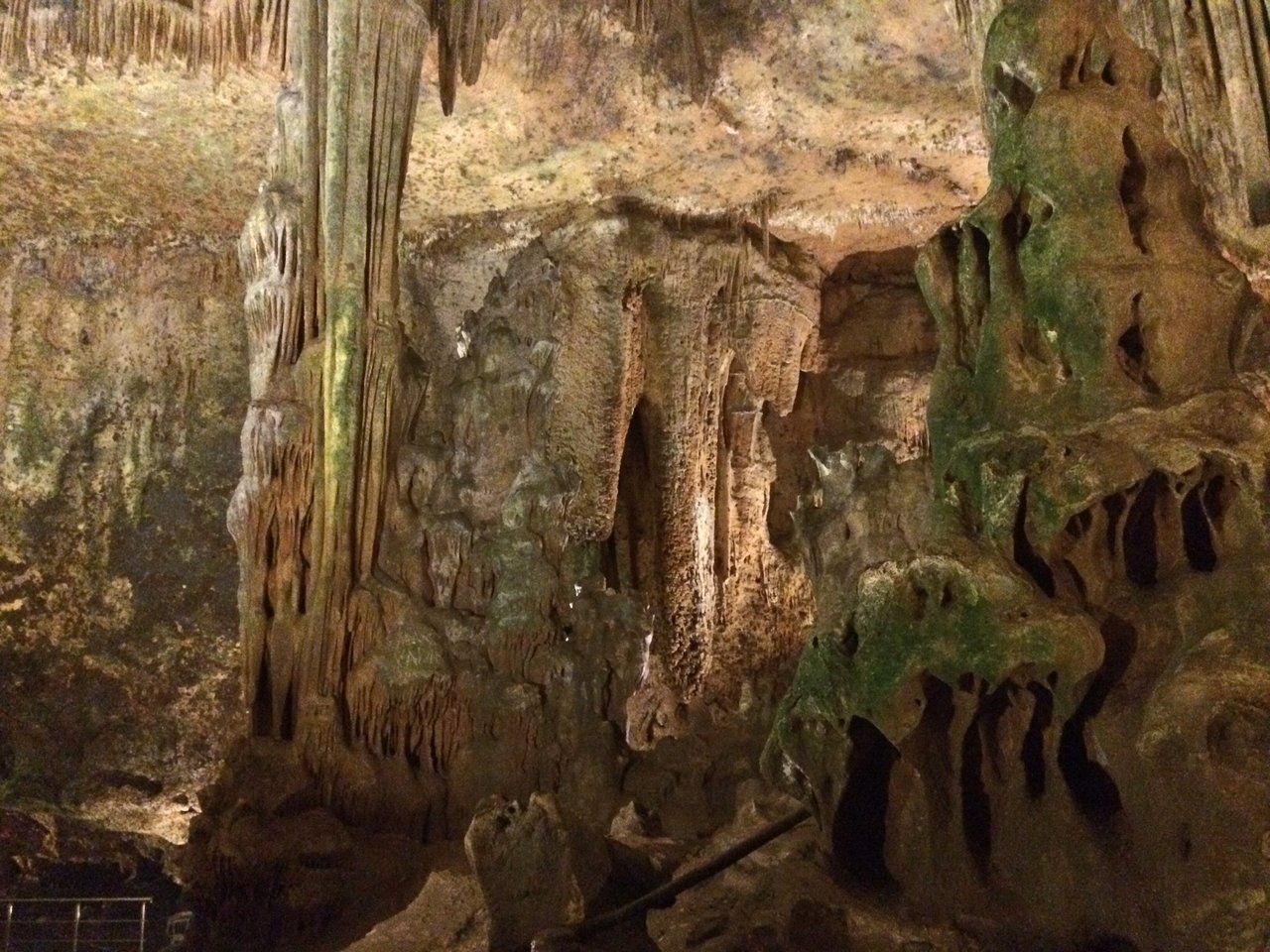
Astım Cave, also known as Asthma Cave, is a captivating natural wonder renowned for its impressive stalactites and stalagmites, which create a mesmerizing underground landscape. The cave gets its name from the local belief that its cool, humid air can help alleviate asthma symptoms. Visitors can explore the spacious chambers of the cave, admiring the intricate formations that have developed over thousands of years. Astım Cave is not only a geological marvel but also a popular tourist attraction, offering a unique and serene experience for those interested in the natural beauty and mysteries of the subterranean world.
Kızkalesi Castle
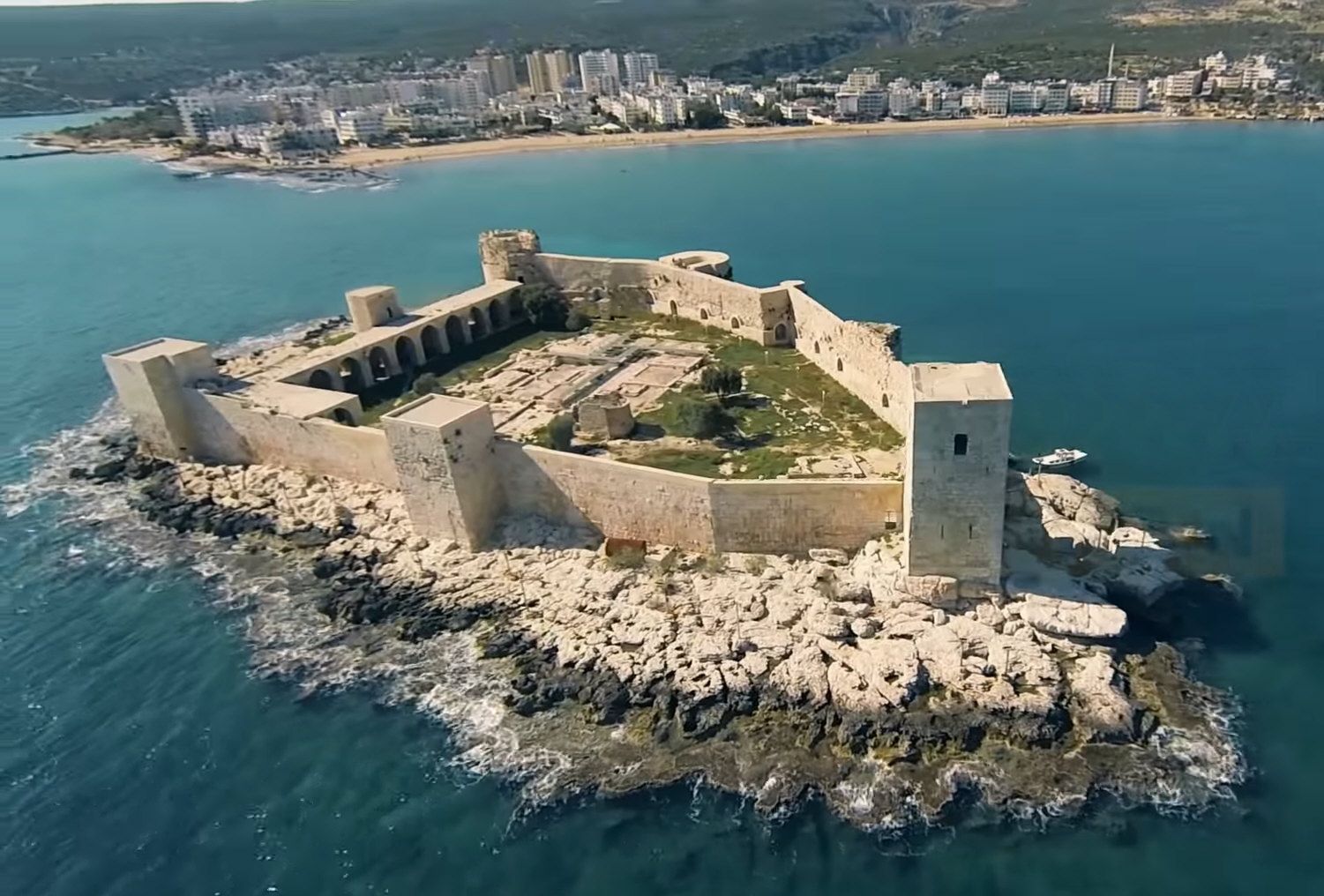
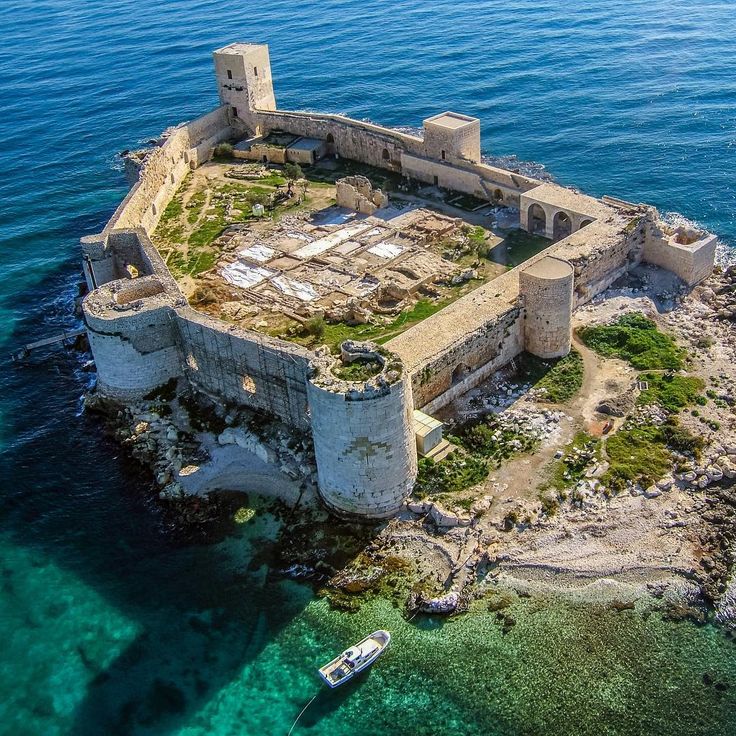
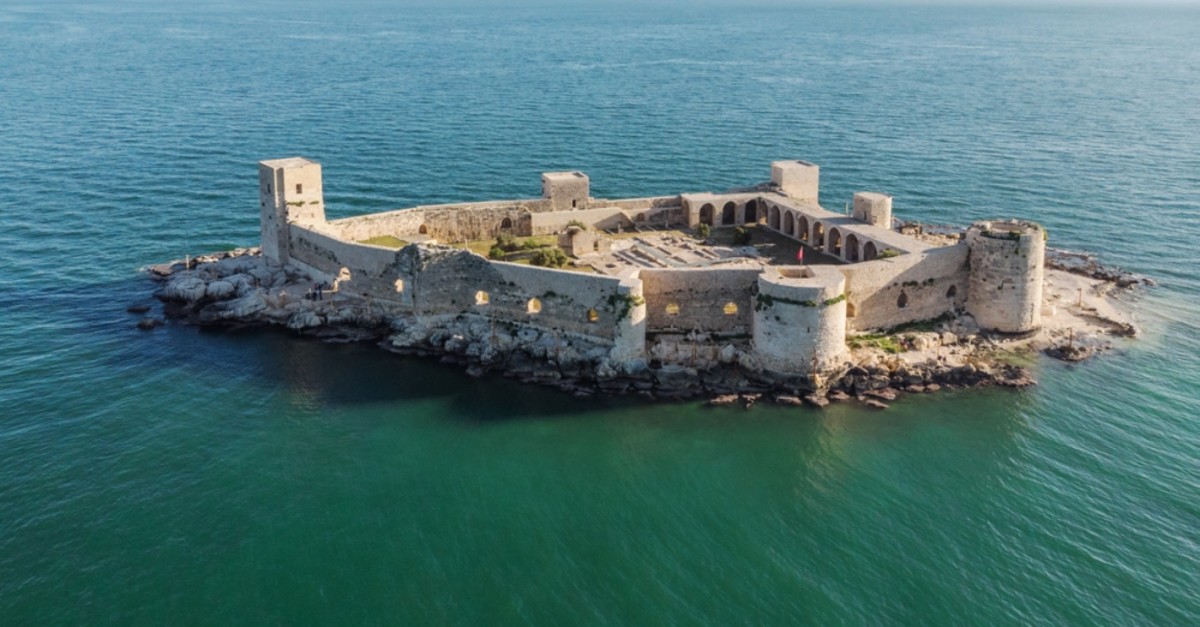
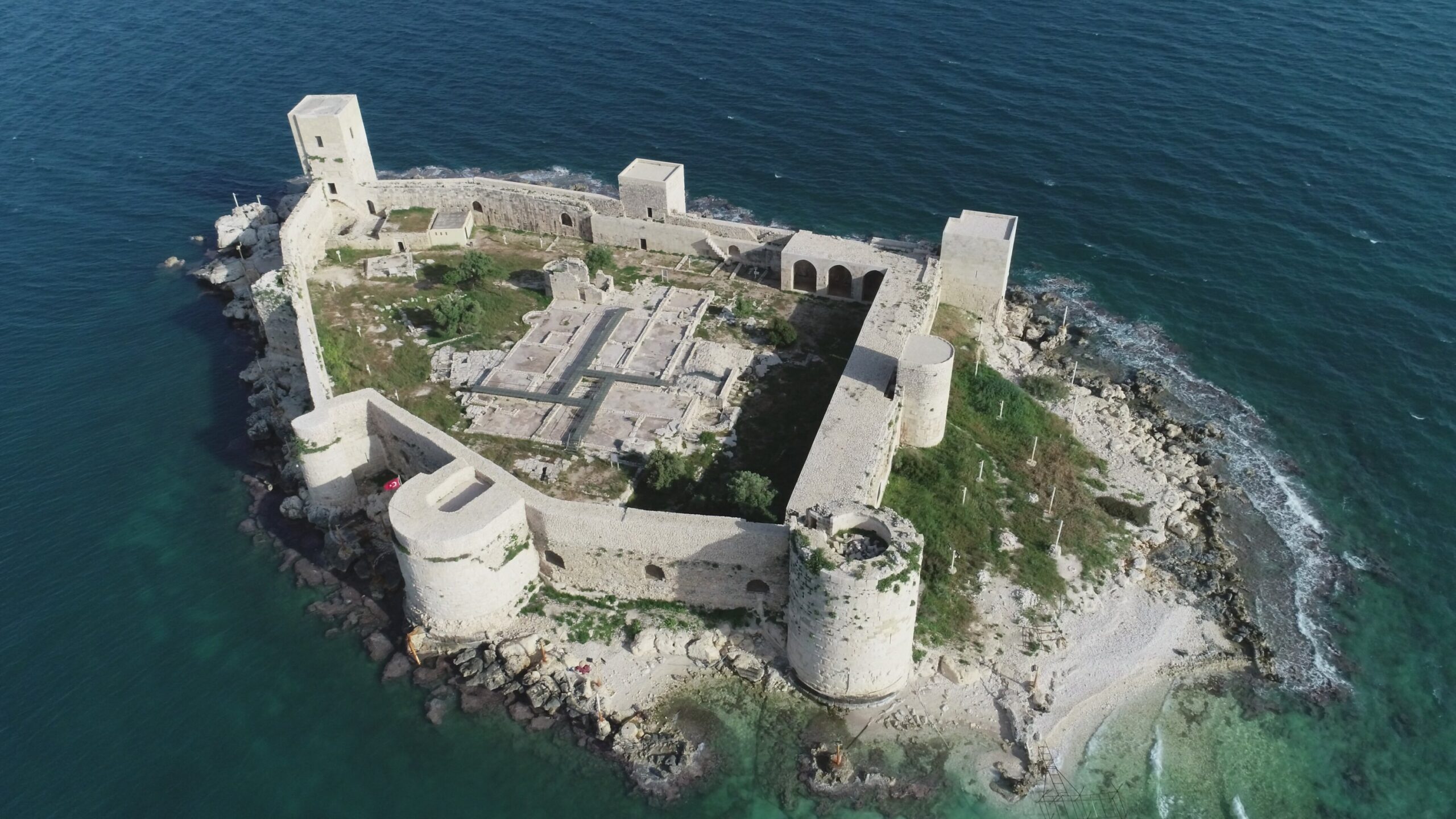
Maiden’s Castle, known locally as Kızkalesi, is an iconic fortress built in the 12th century during the Byzantine period, served as a defensive stronghold against maritime threats. The castle's name is linked to various legends, one of which tells the tale of a king who built the fortress to protect his daughter from a prophesied snake bite.
Narlıkuyu
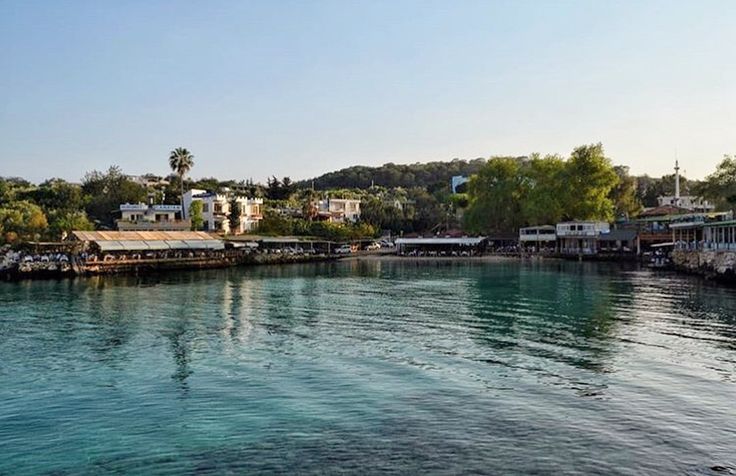
Narlıkuyu is a picturesque coastal village, renowned for its serene beauty and historical charm. The village is famous for its natural spring water, which flows into the Mediterranean Sea, creating a unique blend of fresh and saltwater. One of the main attractions is the Narlıkuyu Mosaic Museum, which houses exquisite Roman-era mosaics from the Poimenios Bath, depicting the Three Graces and various mythological scenes. These mosaics reflect the luxurious lifestyle and artistic achievements of the period. The clear waters and scenic coves of Narlıkuyu, combined with its rich historical heritage, make it a delightful destination for visitors seeking both relaxation and a touch of history.
Göksu River
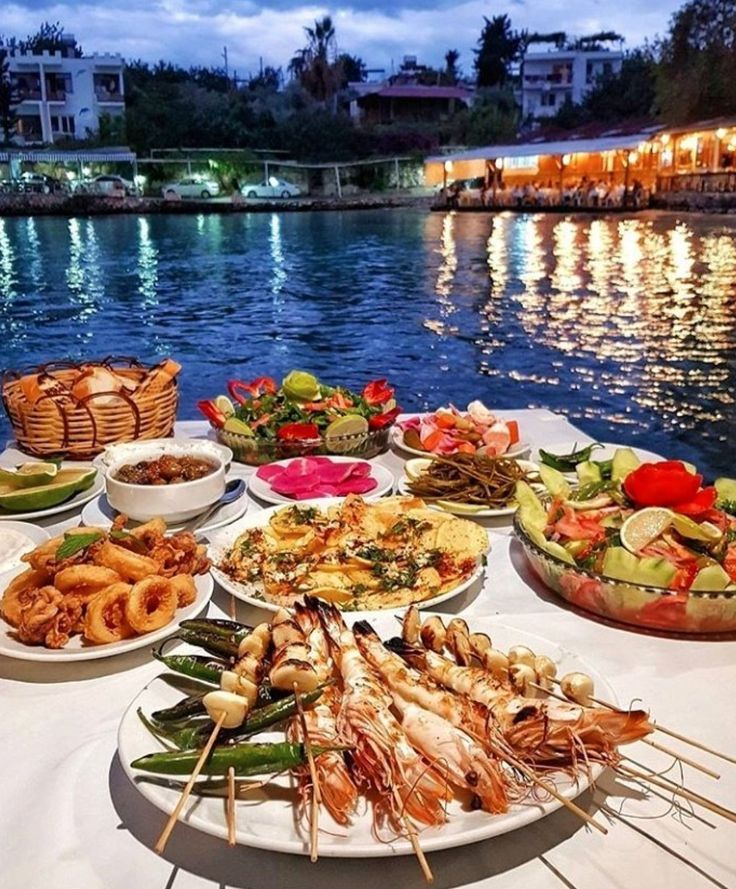
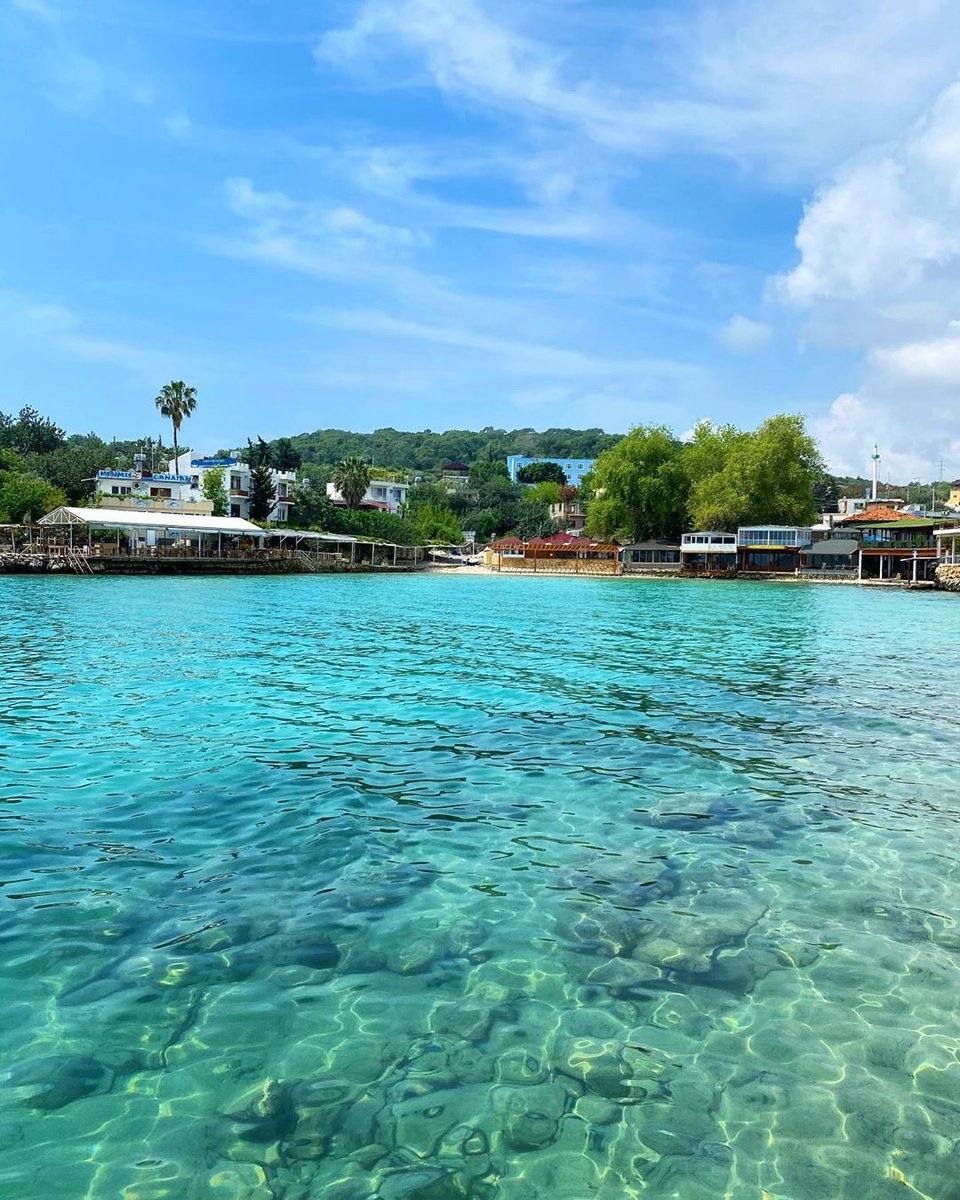
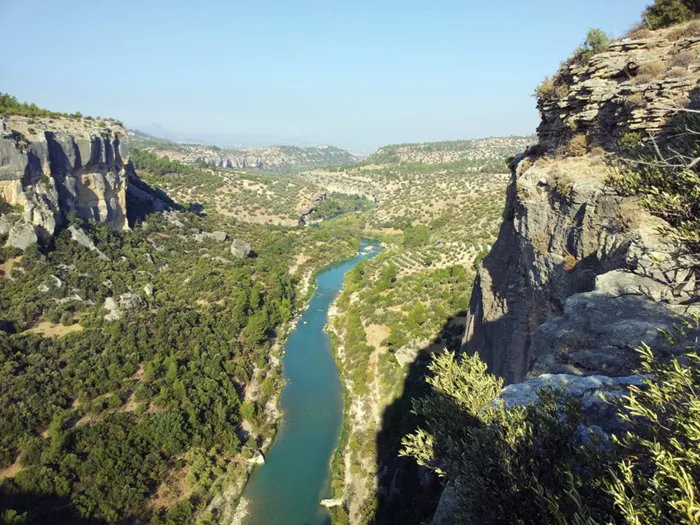
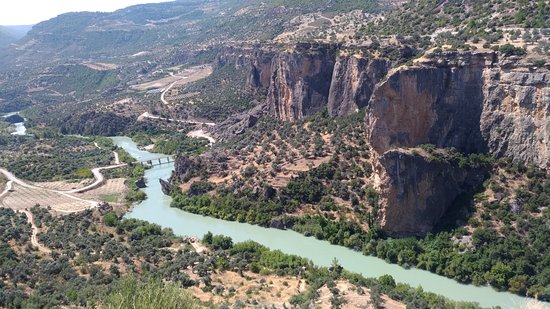
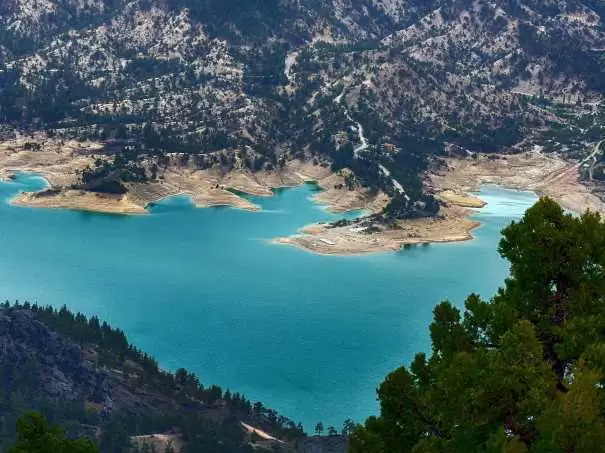
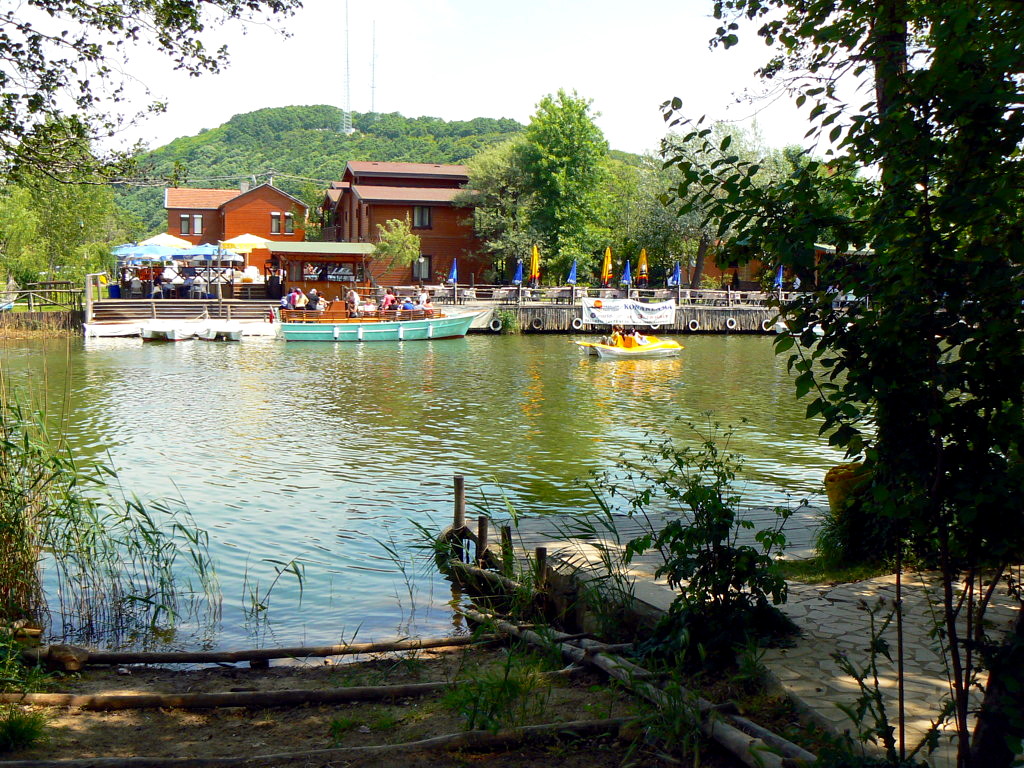
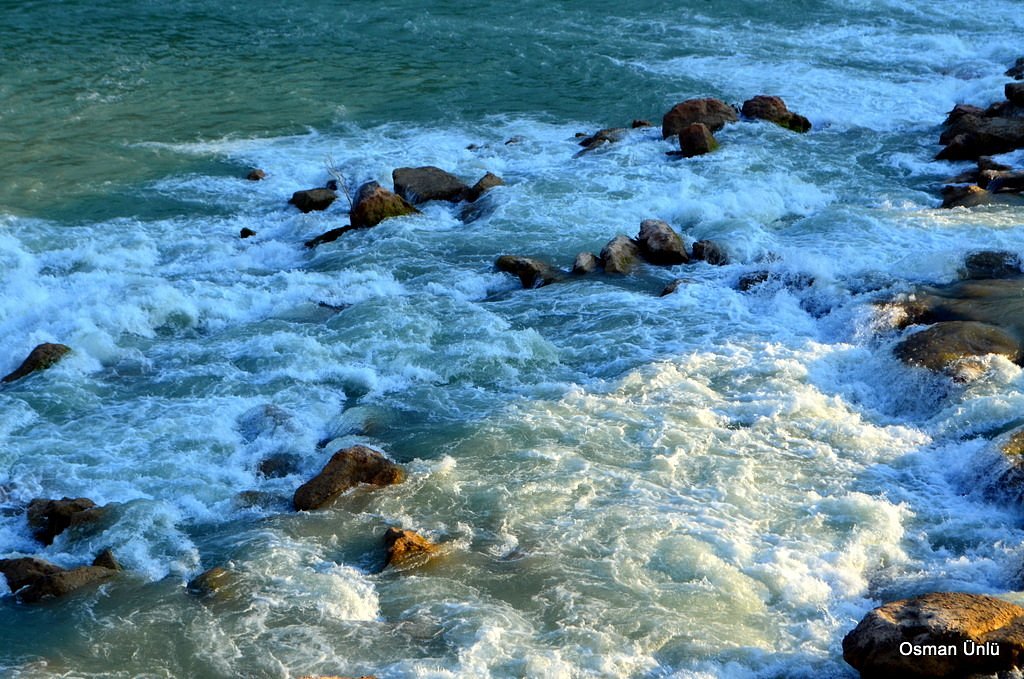
The Göksu River is a significant waterway known for its natural beauty and historical importance. Originating in the Taurus Mountains, the river stretches approximately 260 kilometers before emptying into the Mediterranean Sea near the town of Silifke. Historically, the Göksu River has been vital for agriculture, providing irrigation for the fertile plains along its course. It also played a crucial role in ancient times as a transportation route and a source of sustenance for nearby settlements. Today, the Göksu River is a popular spot for eco-tourism, offering activities such as rafting, fishing, and bird-watching, all set against the backdrop of the region's stunning landscapes and rich biodiversity. The river's serene environment and historical significance make it a captivating destination for nature enthusiasts and history buffs alike.
Silifke Castle
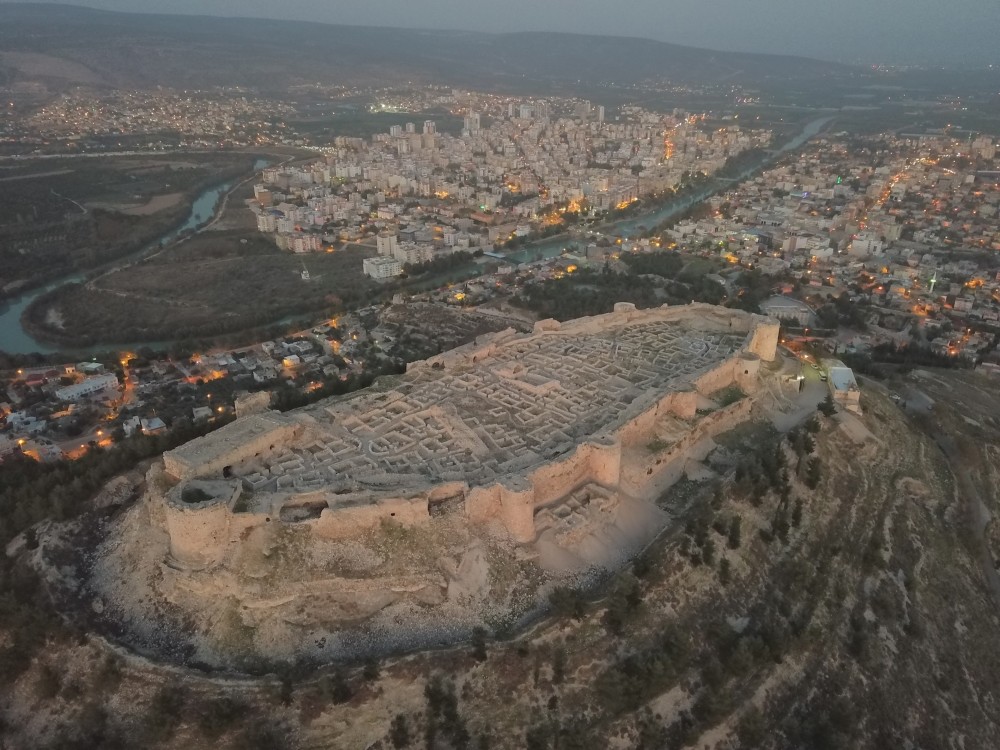
Silifke Castle is a historic fortress with a rich and diverse past. Originally constructed by the Seleucids in the 3rd century BCE, the castle has undergone numerous renovations and expansions by the Romans, Byzantines, Crusaders, and Ottomans. Its strategic location provided a commanding view of the Göksu River valley and the surrounding region, making it a crucial defensive structure throughout its history. The castle's robust stone walls, towers, and remnants of various buildings within the complex reflect the architectural styles and influences of its successive rulers. Today, Silifke Castle offers visitors a fascinating glimpse into the region's historical legacy and breathtaking panoramic views of the landscape below.
Alahan Monastery
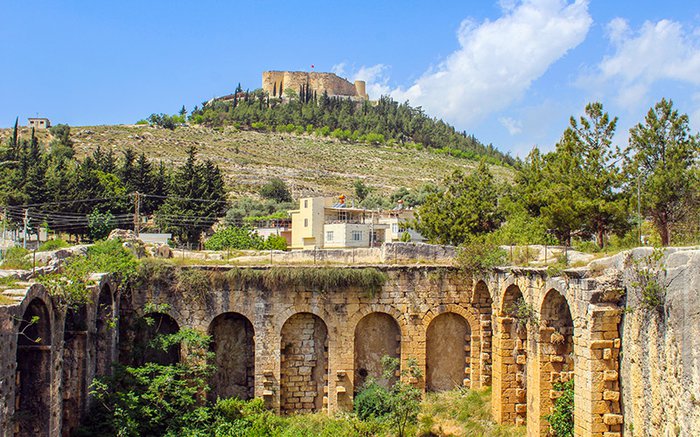
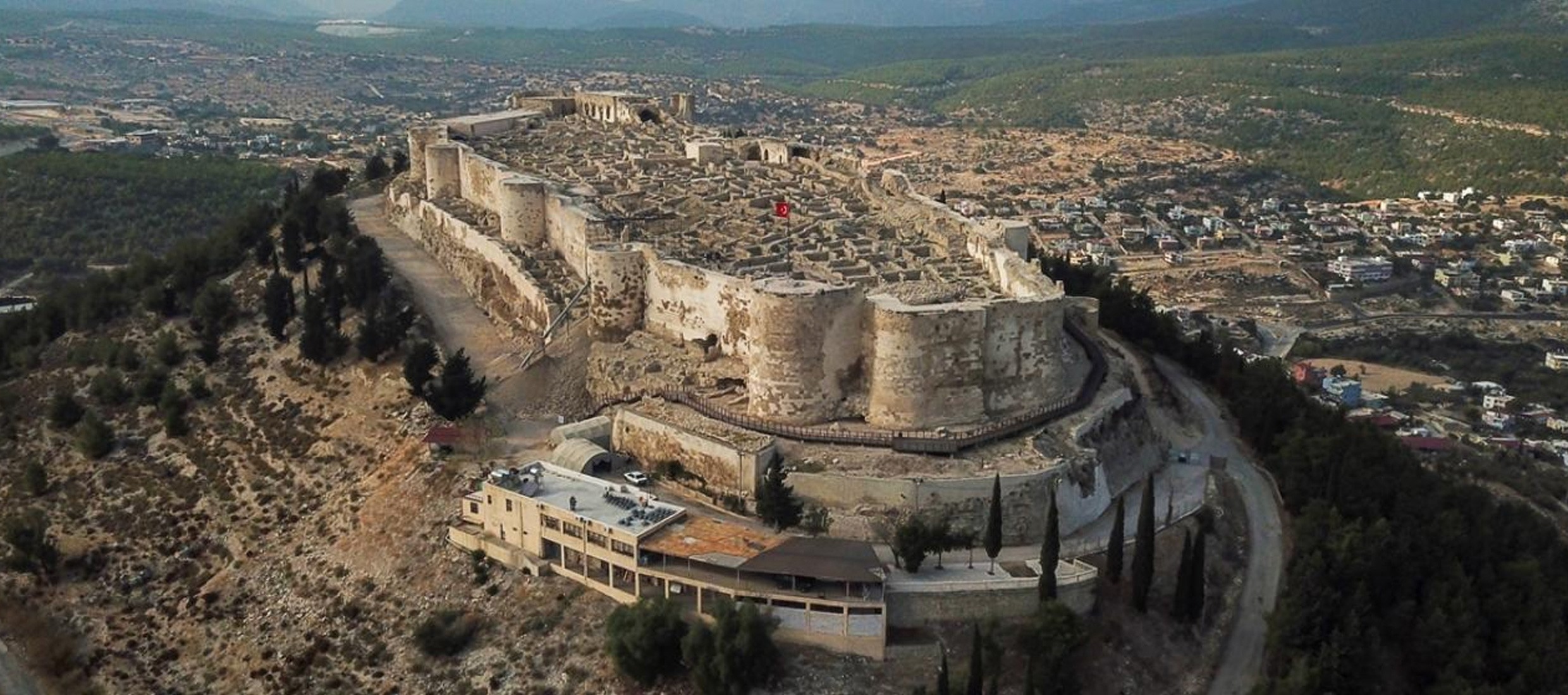
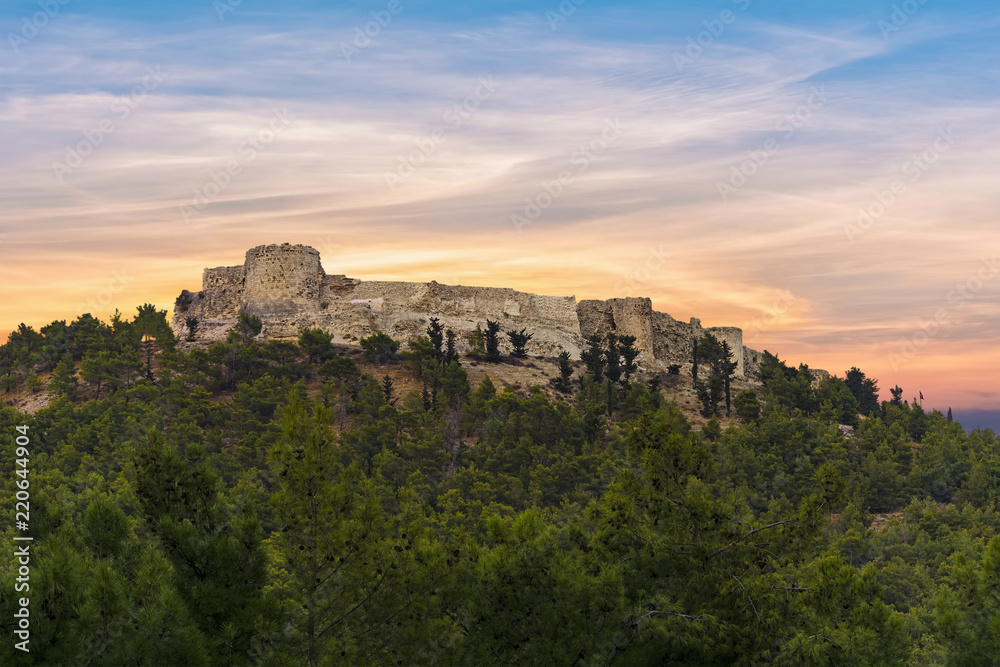
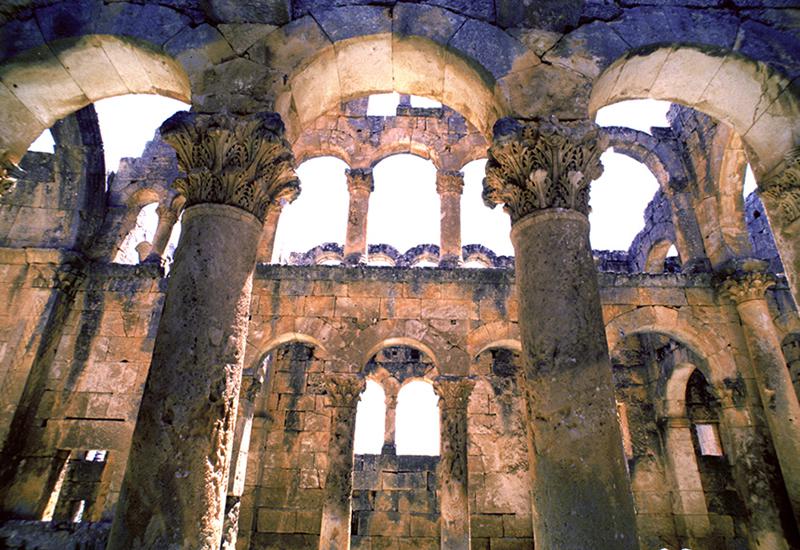
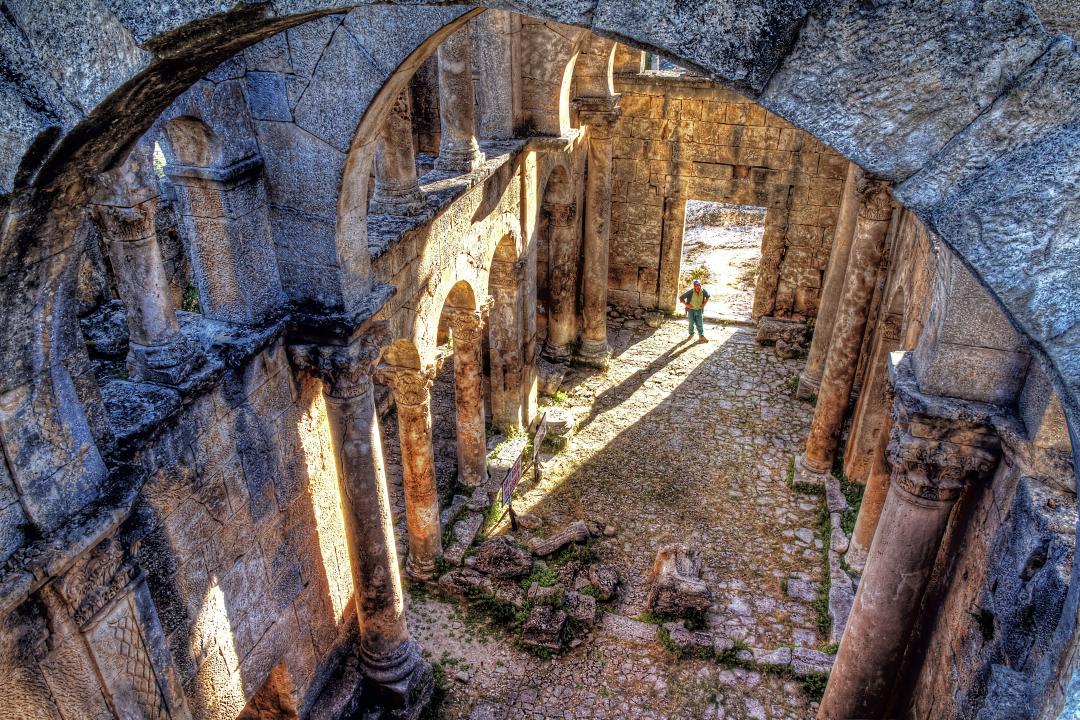
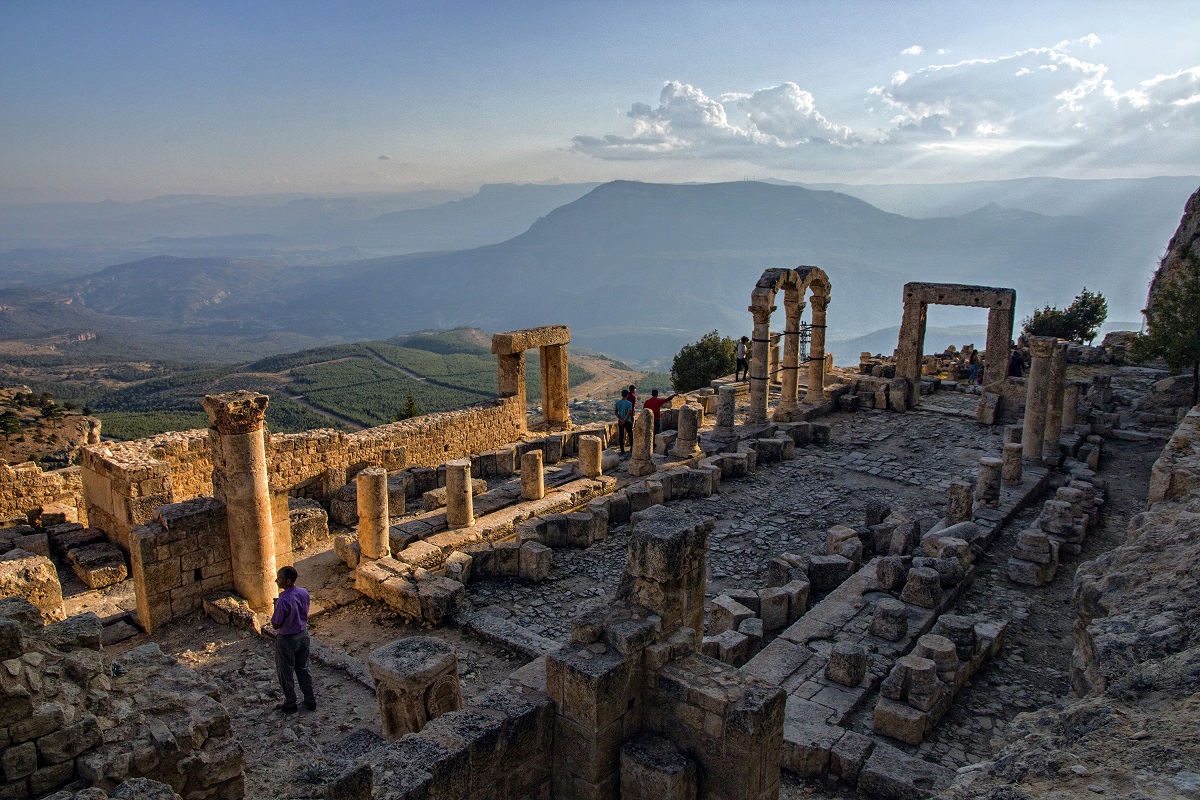
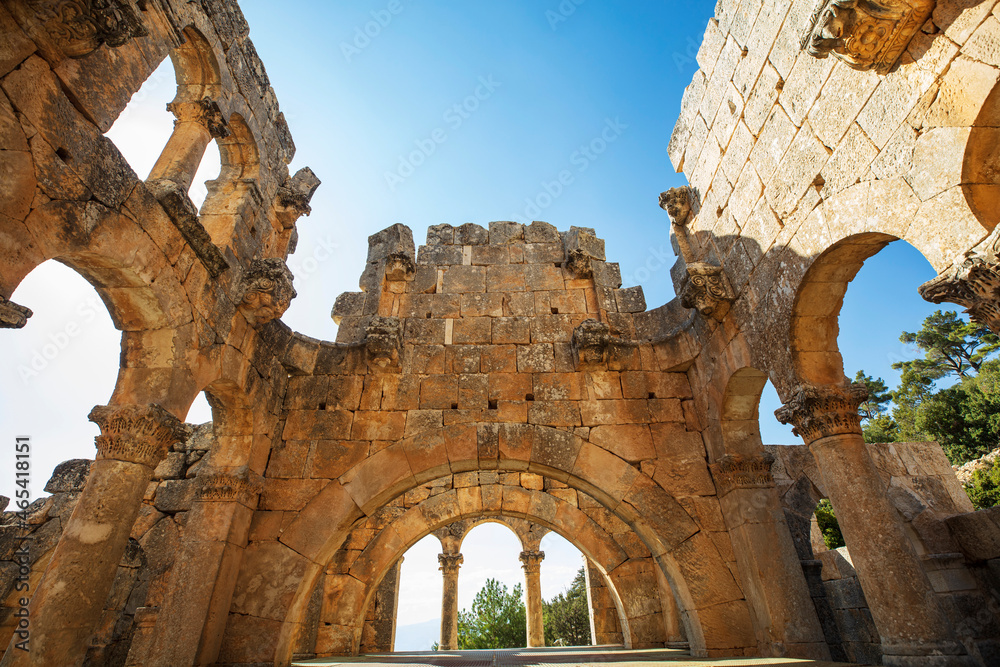
Alahan Monastery is an impressive early Christian monastic complex dating back to the 5th century. Perched on a steep mountainside, the monastery offers breathtaking views of the Göksu River valley. The site includes well-preserved structures such as a basilica, a smaller church, rock-cut tombs, and various monastic buildings. Renowned for its architectural elegance, Alahan Monastery features intricate carvings and detailed stonework that highlight the craftsmanship of the period. The monastery served as a significant religious center during the Byzantine era, providing a place of worship and solitude for monks. Today, it stands as an important historical and archaeological site, offering visitors a glimpse into early Christian history and stunning panoramic vistas of the surrounding landscape.
Hz. Mikdat (Mugdat) Camii
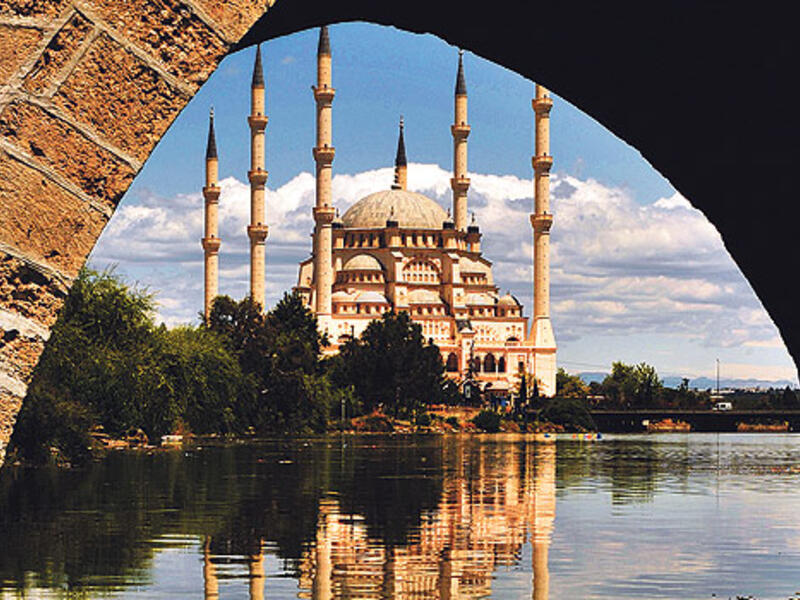
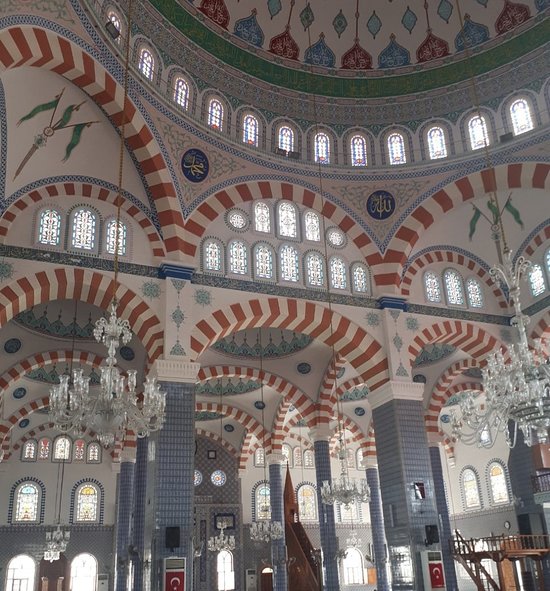
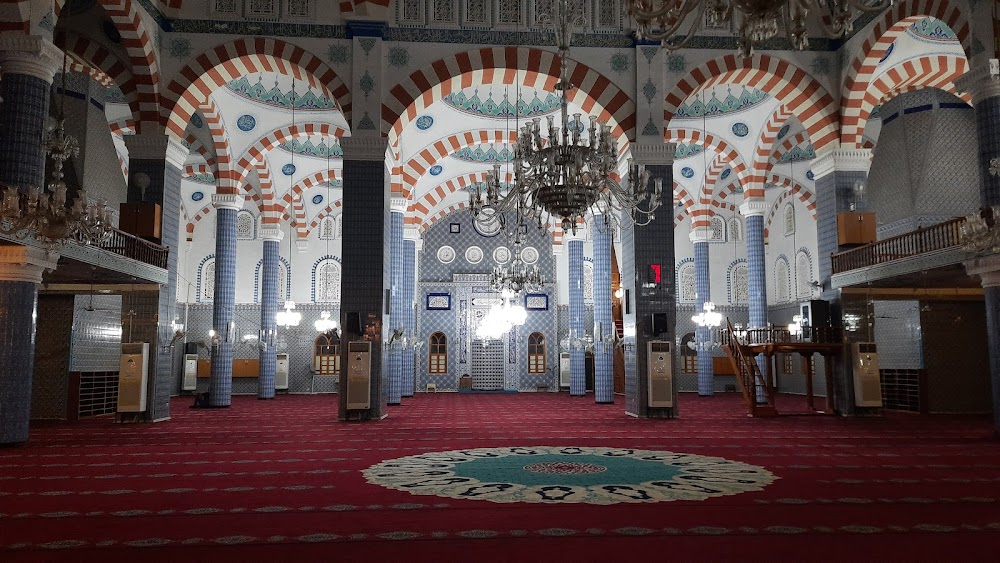
The Hz. Mikdat (Mugdat) Camii is a significant modern mosque named after the revered Islamic figure Hz. Mikdat, one of the companions of the Prophet Muhammad. Constructed in the late 20th century, the mosque stands as a testament to contemporary Islamic architecture while embodying traditional design elements. It features six minarets and an expansive dome, symbolizing both the spiritual and communal aspirations of the region. The mosque is not only a place of worship but also a center for cultural and social activities, reflecting the vibrant community life of Mersin. The architectural beauty and serene ambiance of Hz. Mikdat Camii make it a noteworthy destination for visitors interested in both religious and cultural history.
Ulu Cami
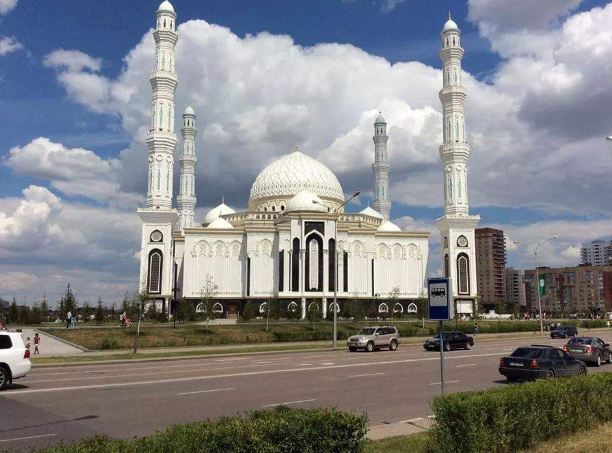
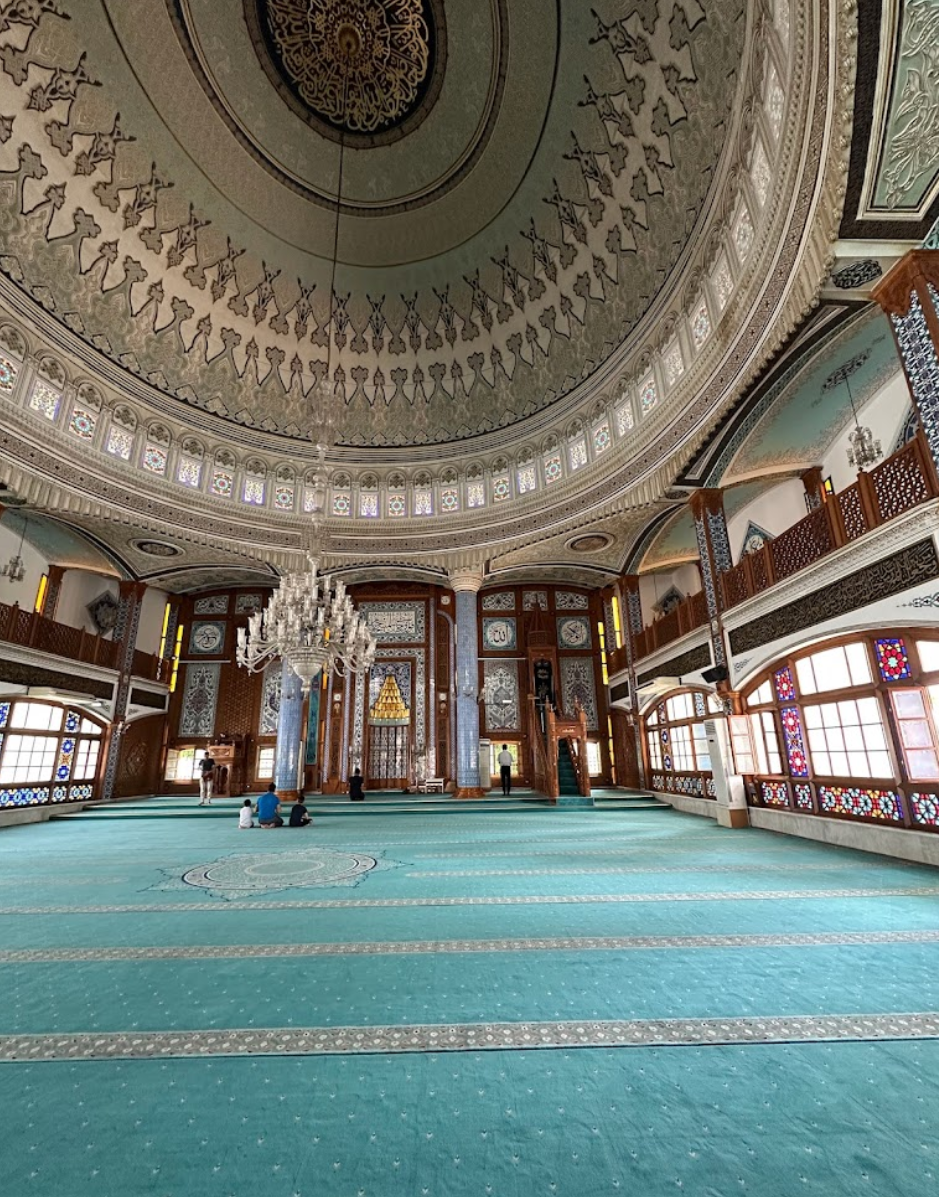
The Grand Mosque of Mersin, also known as Mersin Ulu Cami, is a prominent religious and historical landmark. Constructed in the late 19th century, this mosque exemplifies the architectural transition during the late Ottoman period, blending traditional Ottoman and local design elements. The mosque features a spacious courtyard, a large central dome, and an impressive minaret that dominates the city's skyline. Inside, visitors can admire the elegant calligraphy, intricate tile work, and serene ambiance that make it a focal point for both worship and community activities. The Grand Mosque of Mersin not only serves as a vital center for Islamic worship but also stands as a testament to the city's cultural and historical richness, attracting both locals and tourists alike.
Tarsus Grand Mosque
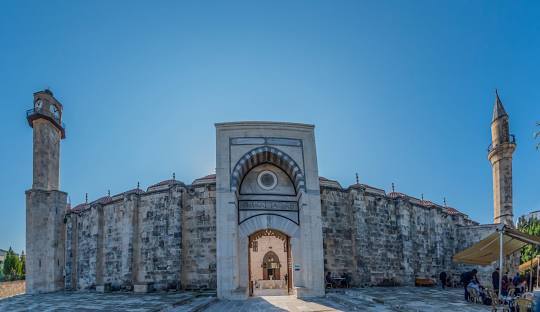
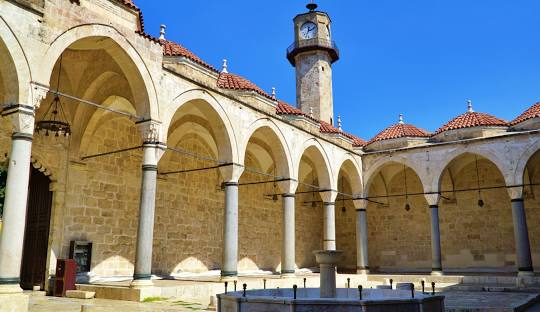
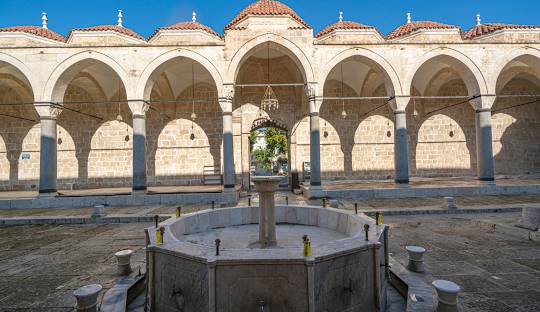
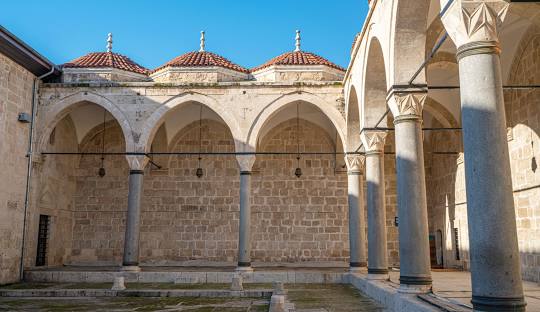
The Tarsus Grand Mosque, known locally as Tarsus Ulu Cami, is a historic and architecturally significant mosque. Constructed in the early 16th century during the Ottoman era, it stands as a prominent symbol of Islamic architecture in the region. The mosque was built on the foundations of earlier religious structures, including a church, which underscores the city's diverse historical and cultural tapestry. Notable for its impressive minaret and spacious courtyard, the Tarsus Grand Mosque also features an elegant interior with intricate tile work and calligraphy. The mosque has long served as a vital center for worship and community life in Tarsus, reflecting the city's rich heritage and the enduring legacy of the Ottoman period. Its historical depth and architectural beauty attract both worshippers and visitors, offering a profound glimpse into the region's past.
KONYA
Tropikal Kelebek Bahçesi
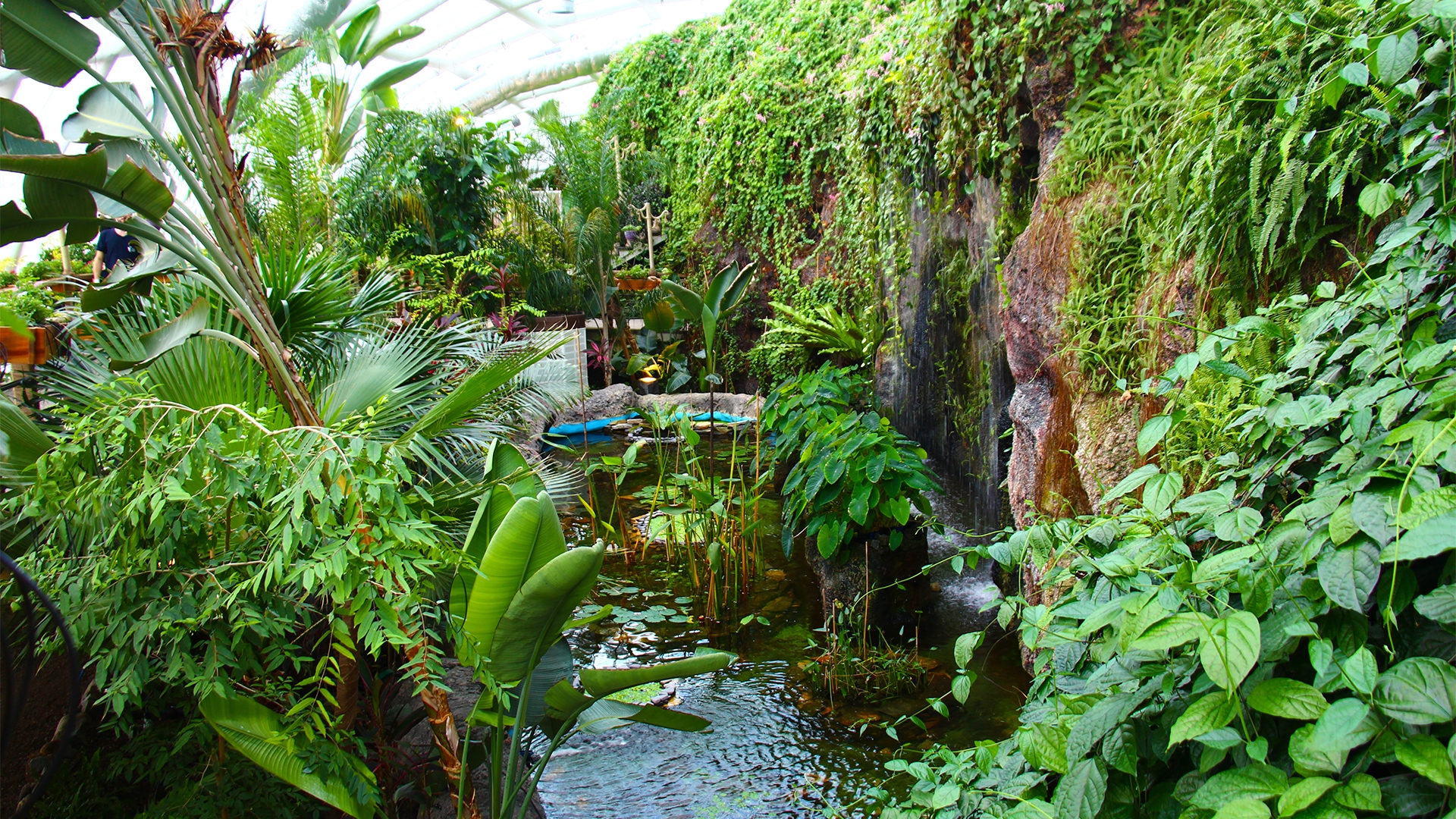
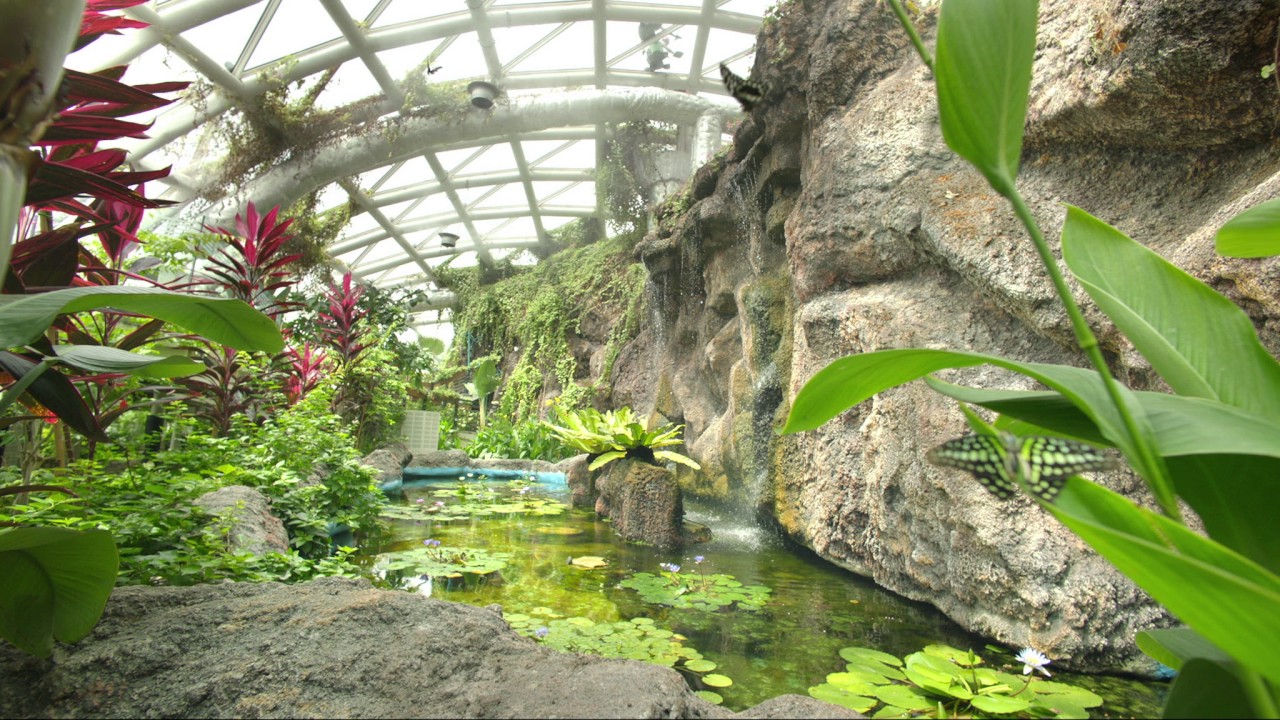
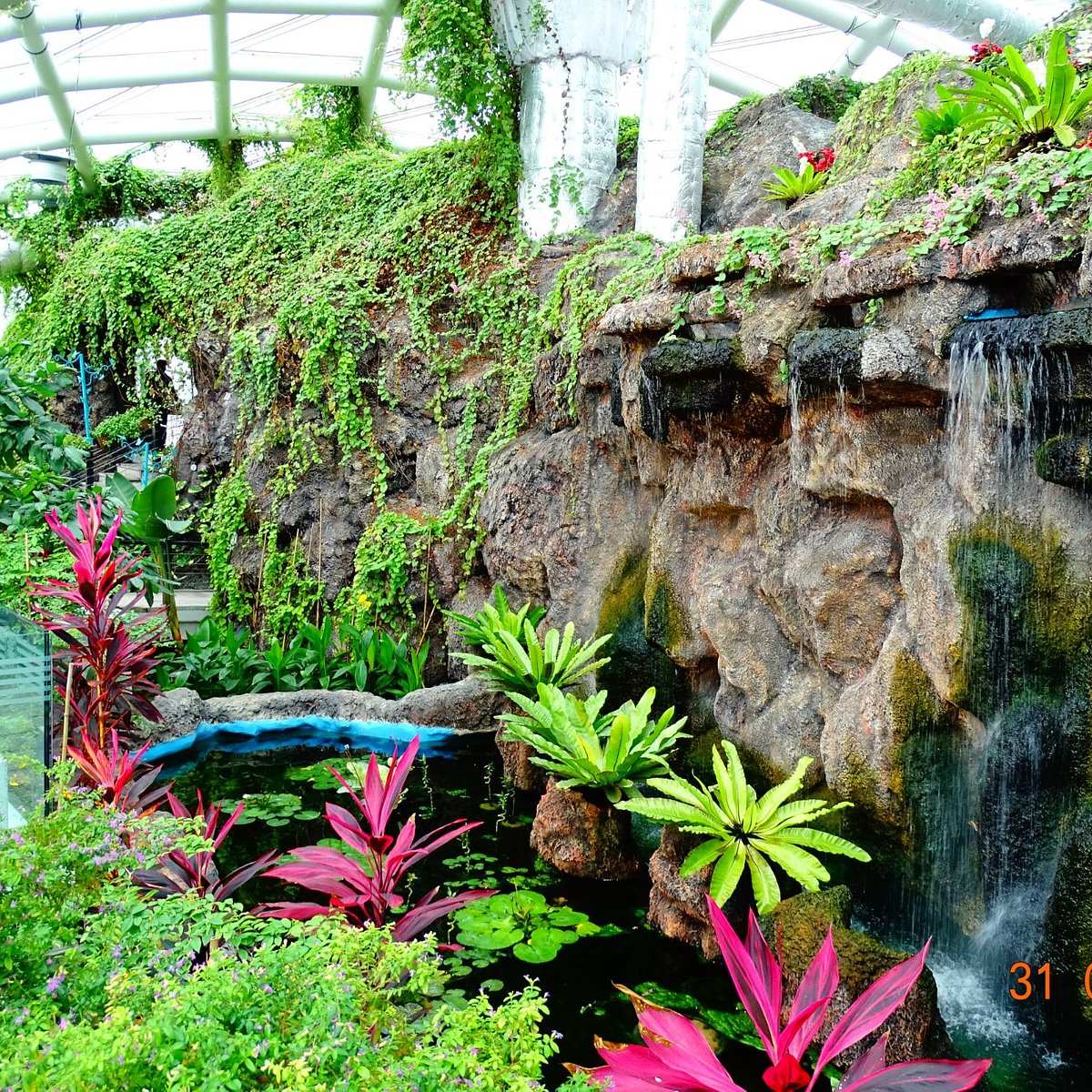
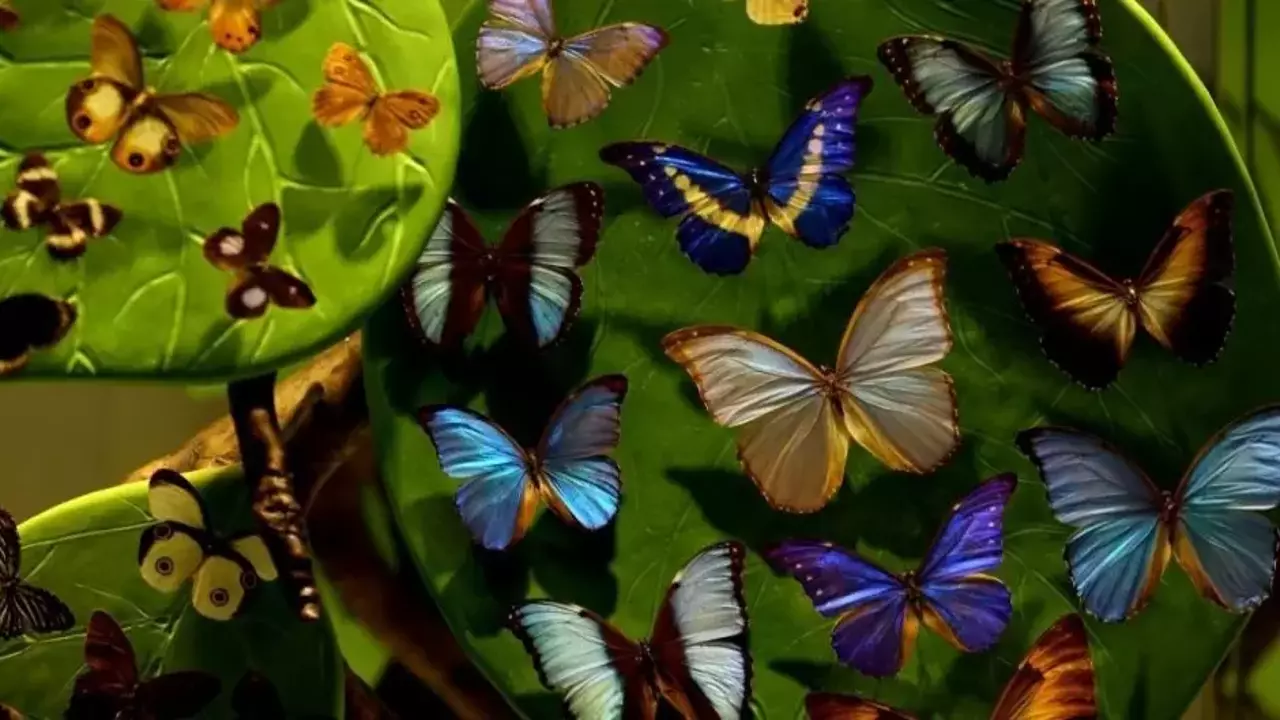
Tropikal Kelebek Bahçesi, or the Tropical Butterfly Garden, is an expansive indoor garden is home to hundreds of species of butterflies from around the world, fluttering freely in a lush, tropical environment. Visitors can walk through the carefully designed habitat, which includes a variety of exotic plants, flowers, and a small waterfall, all creating a perfect ecosystem for these delicate insects. The garden offers educational exhibits about the life cycle and habits of butterflies, making it a fascinating and informative experience for all ages. Tropikal Kelebek Bahçesi is a must-visit destination for nature lovers and anyone seeking a serene and magical escape into the world of butterflies.
Konya Archaeological Museum
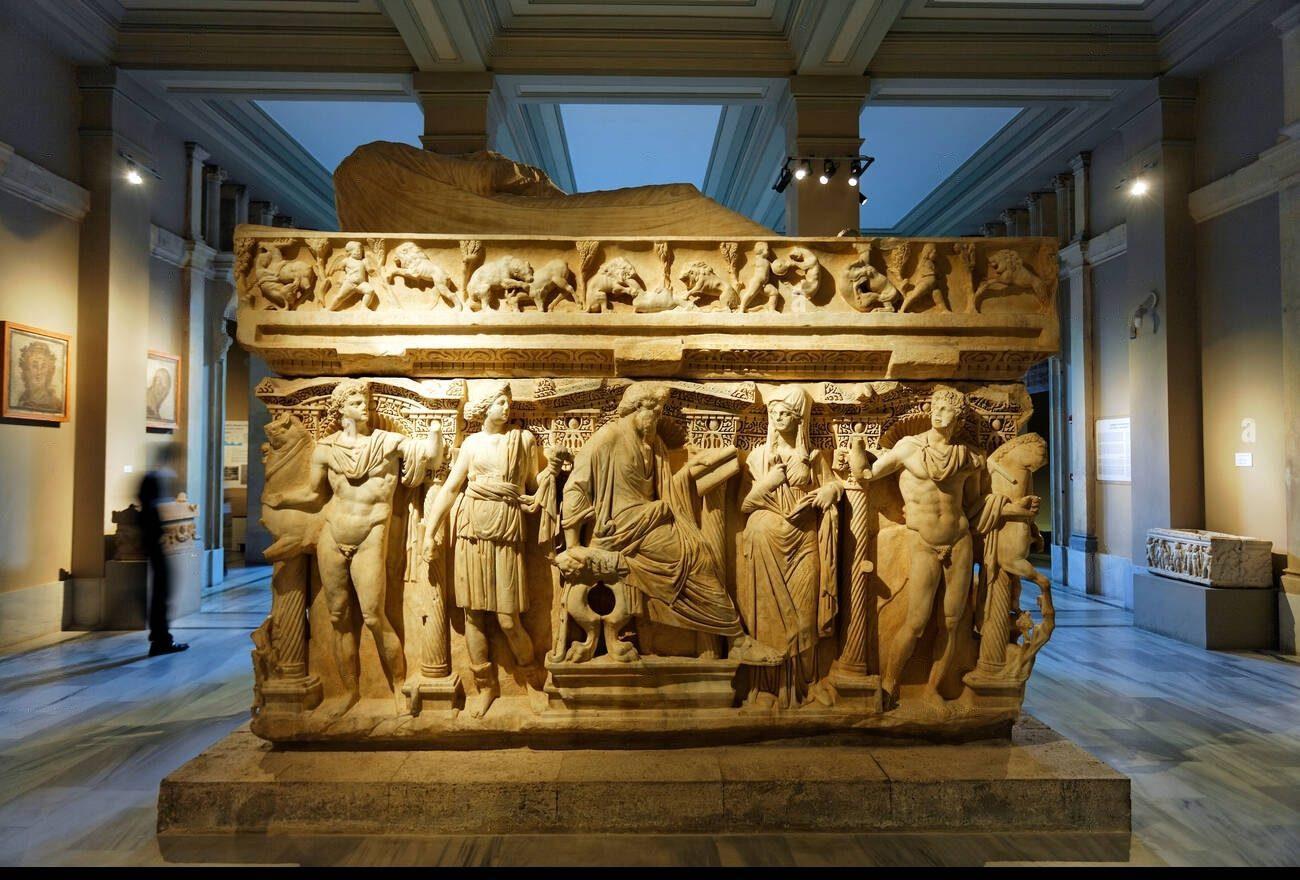
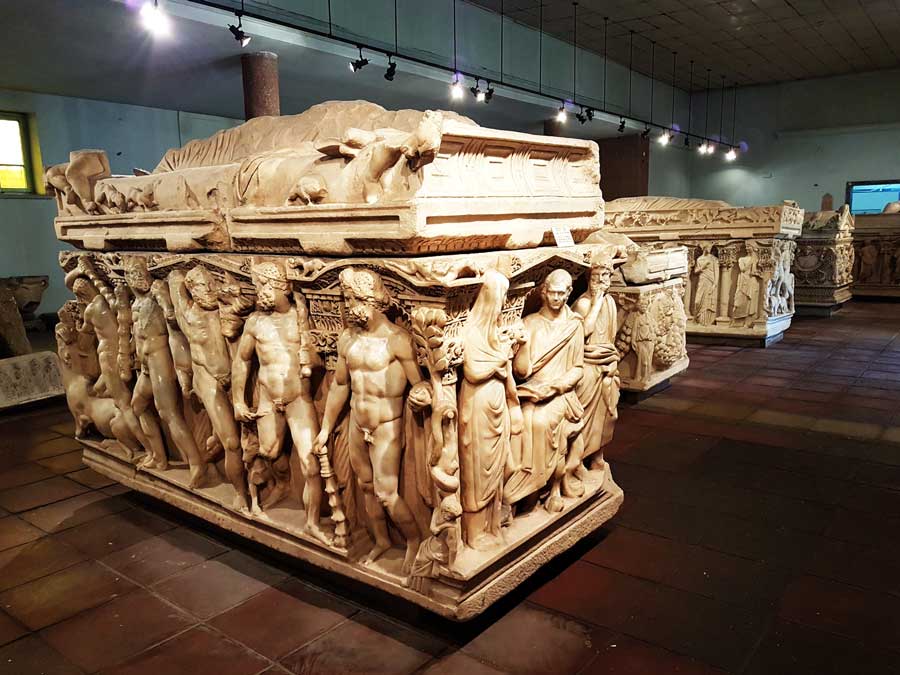
The Konya Archaeological Museum is a treasure trove of artifacts that chronicle the rich history of the region from prehistoric times through the Roman and Byzantine periods. Established in 1901, the museum houses an extensive collection of archaeological finds, including ancient pottery, statues, inscriptions, coins, and everyday objects that provide insights into the lives of the region's early inhabitants. Highlights of the museum include remarkable Neolithic artifacts from the nearby Çatalhöyük site, one of the world's oldest known human settlements, and impressive Roman sarcophagi adorned with intricate carvings. Through its well-organized exhibits, the Konya Archaeological Museum offers visitors a fascinating journey through millennia of human history and culture, making it an essential stop for history enthusiasts exploring the area.
Sille Village
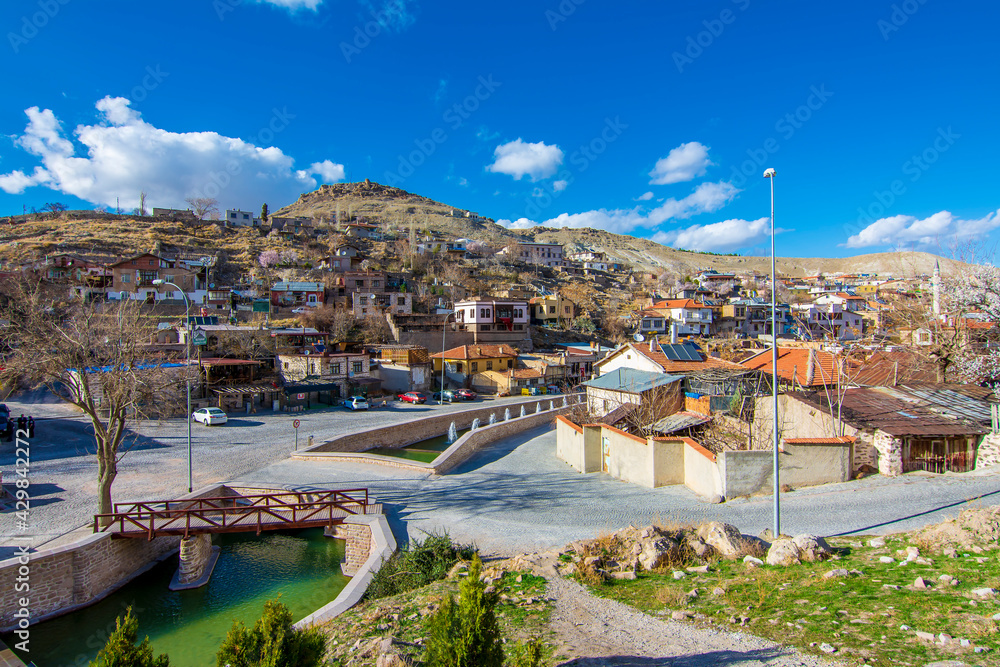
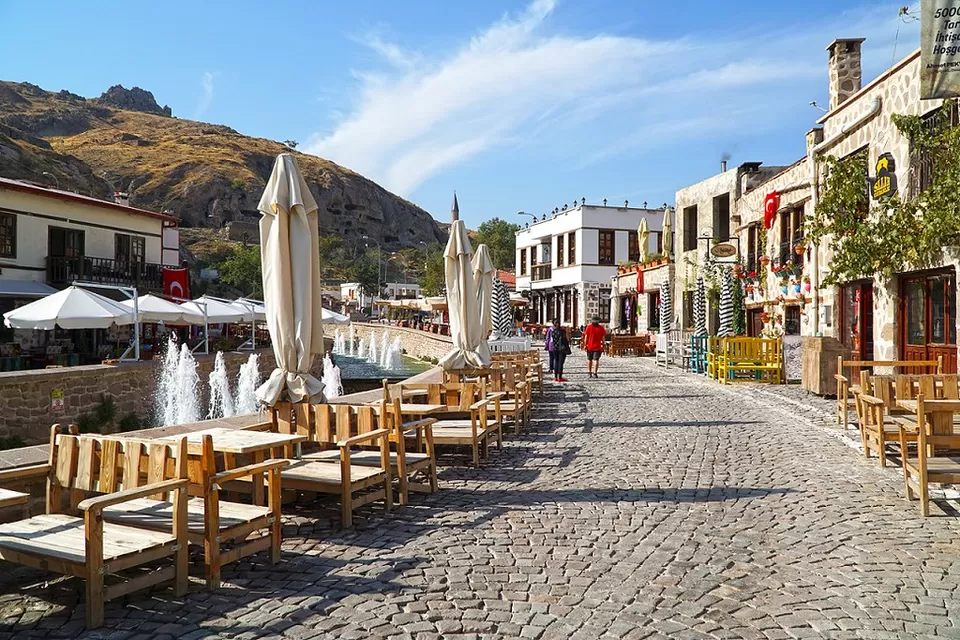
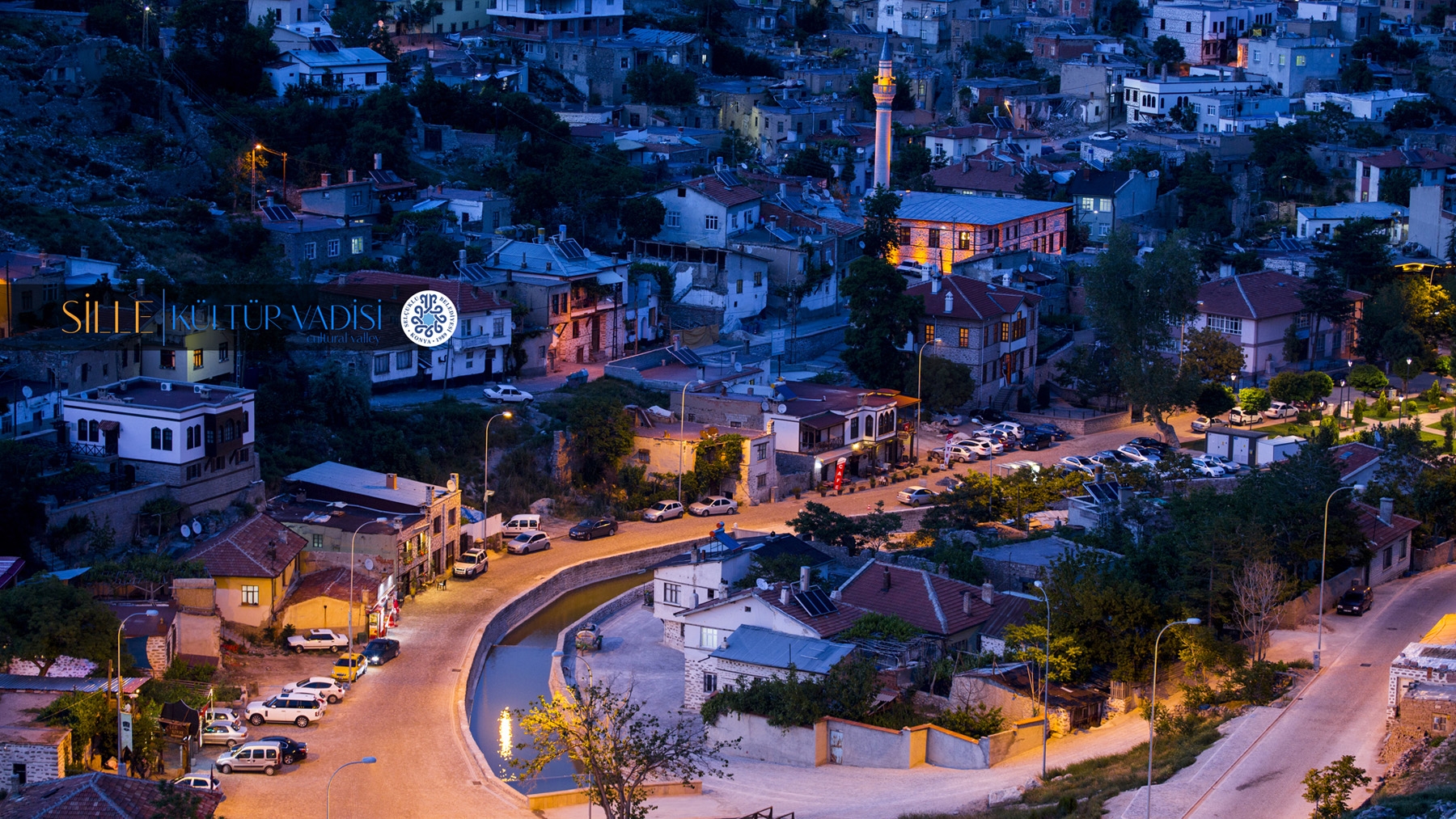
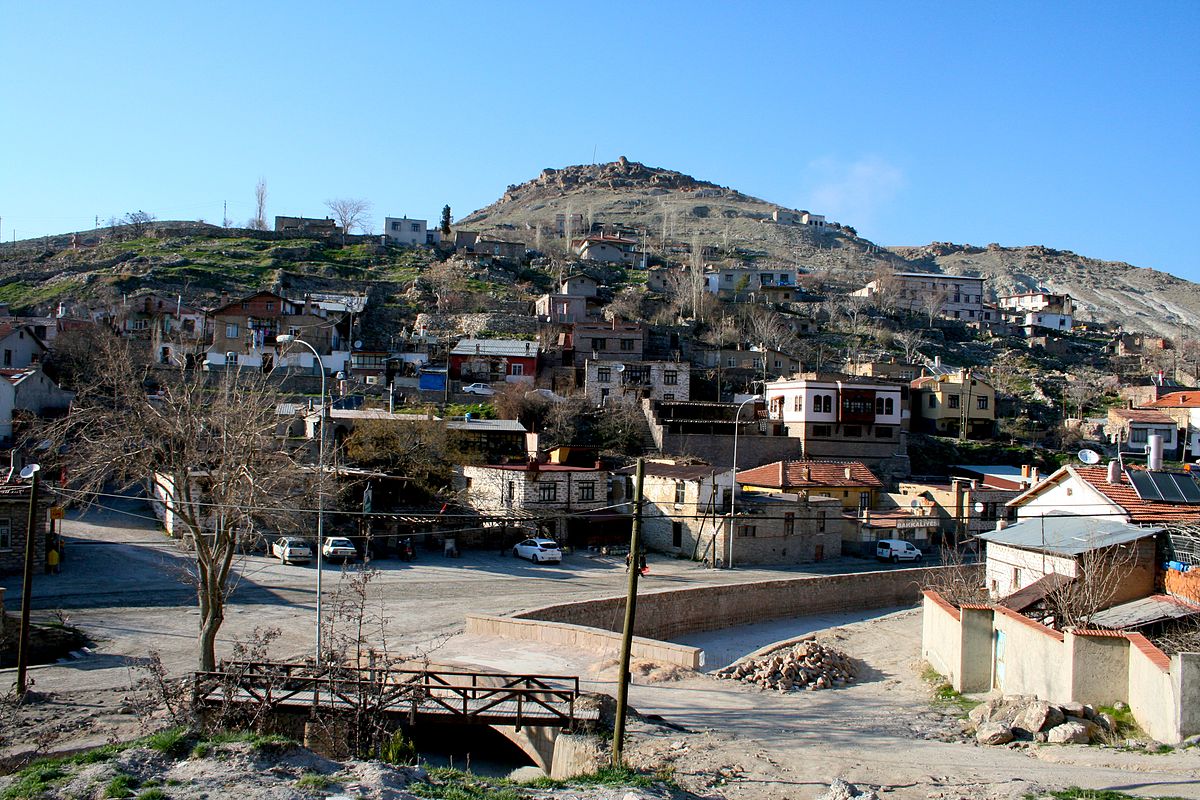
Sille Village is a charming and historic settlement with a rich cultural heritage. This ancient village, with origins dating back over 1,500 years, was historically home to a diverse population, including Greeks and Turks, who lived together harmoniously. The village is renowned for its well-preserved stone houses, narrow cobblestone streets, and numerous historical buildings. Sille's unique blend of Christian and Islamic history, combined with its picturesque setting and traditional architecture, makes it a captivating destination for visitors interested in exploring the cultural and historical tapestry of the Konya region.
Kyoto Park
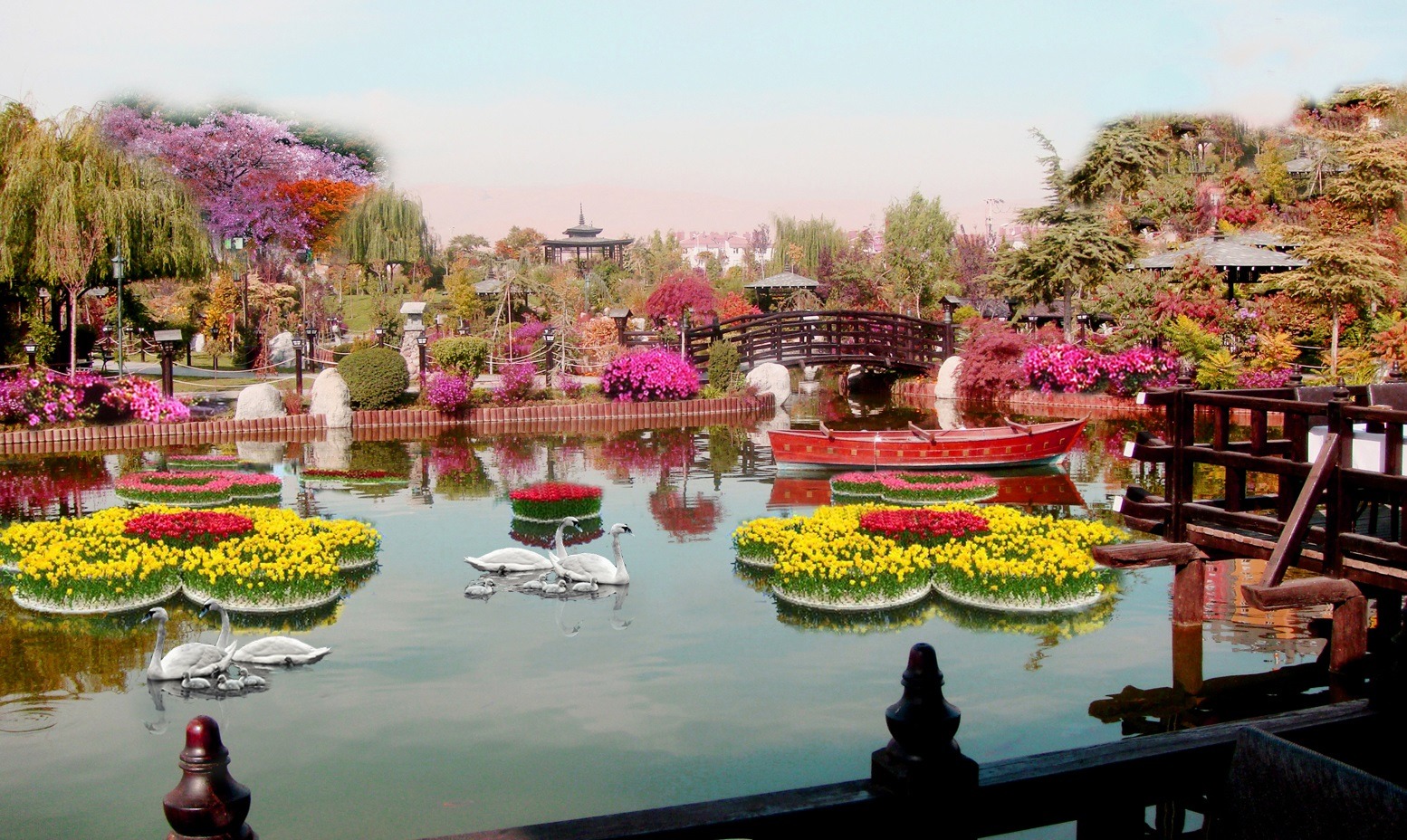
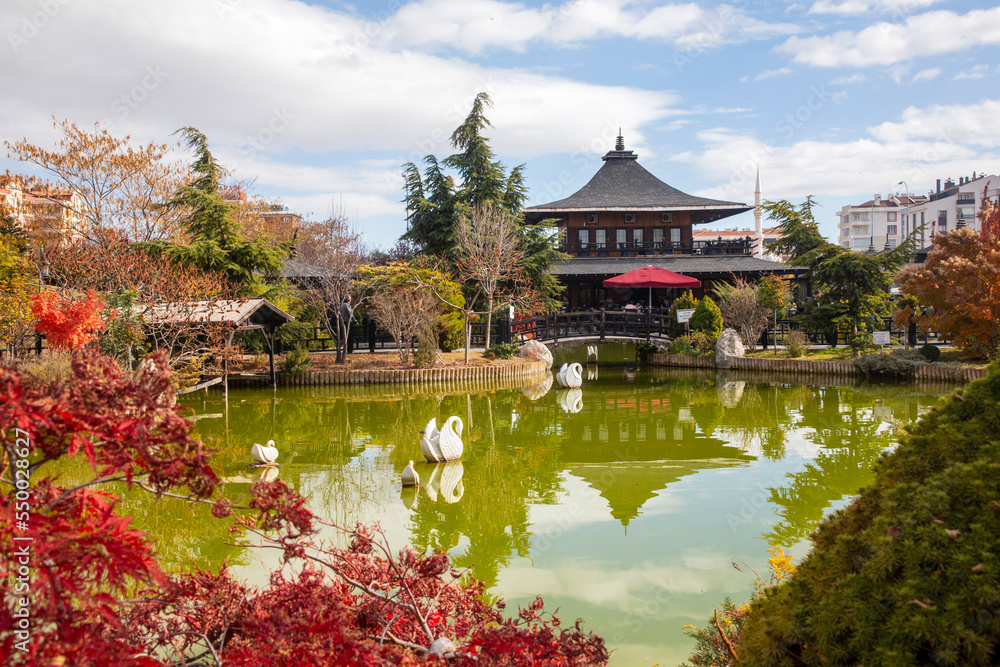
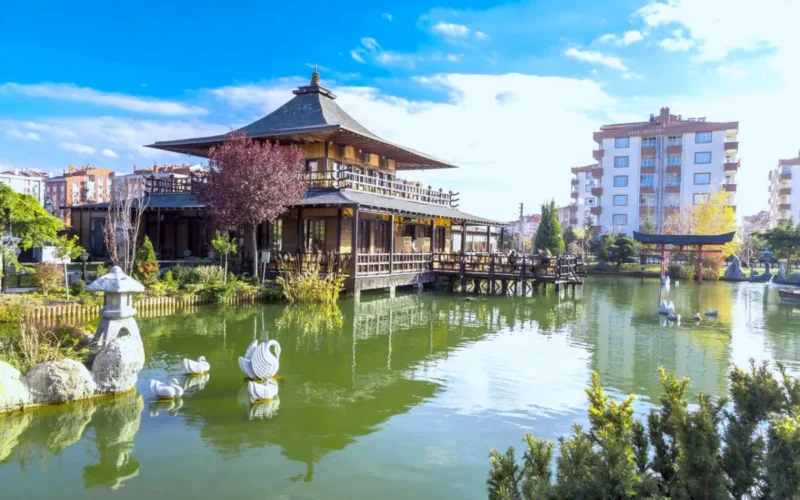
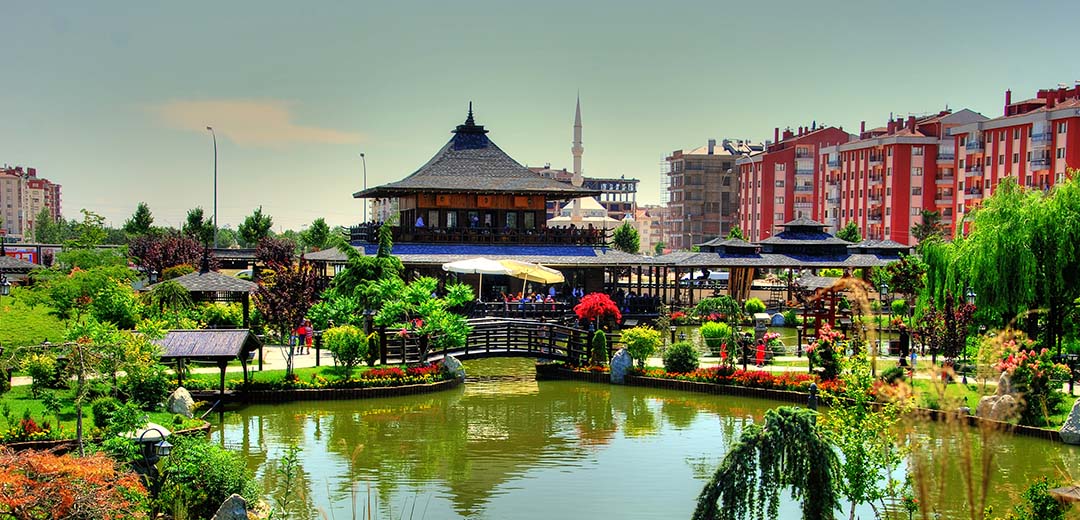
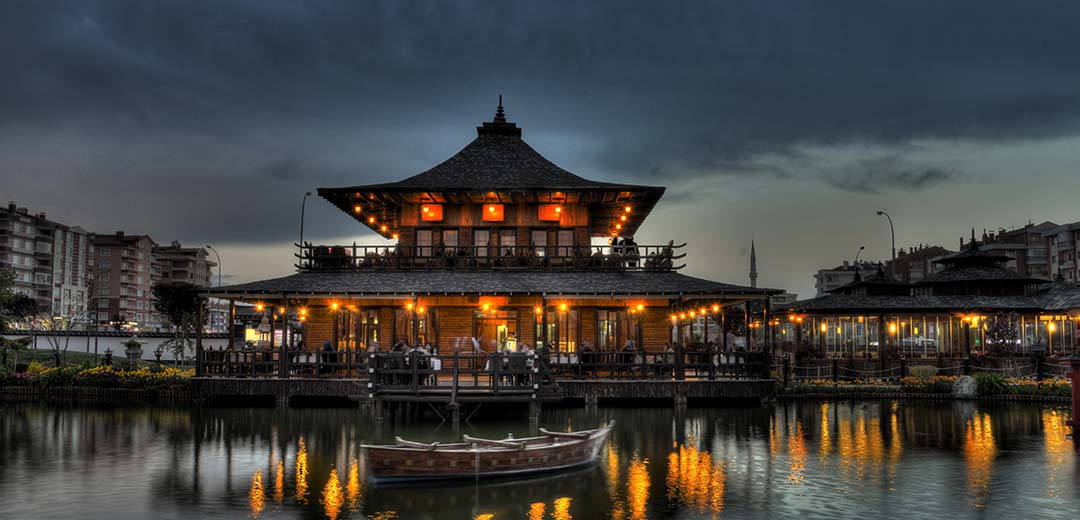
Kyoto Park is a beautifully designed Japanese garden that symbolizes the friendship and cultural exchange between the cities of Konya and Kyoto, Japan. This serene park features traditional Japanese landscaping elements, including meticulously manicured gardens, koi ponds, stone lanterns, and wooden bridges. Cherry blossom trees, which bloom spectacularly in the spring, add to the park's enchanting atmosphere.
Meram Bağları
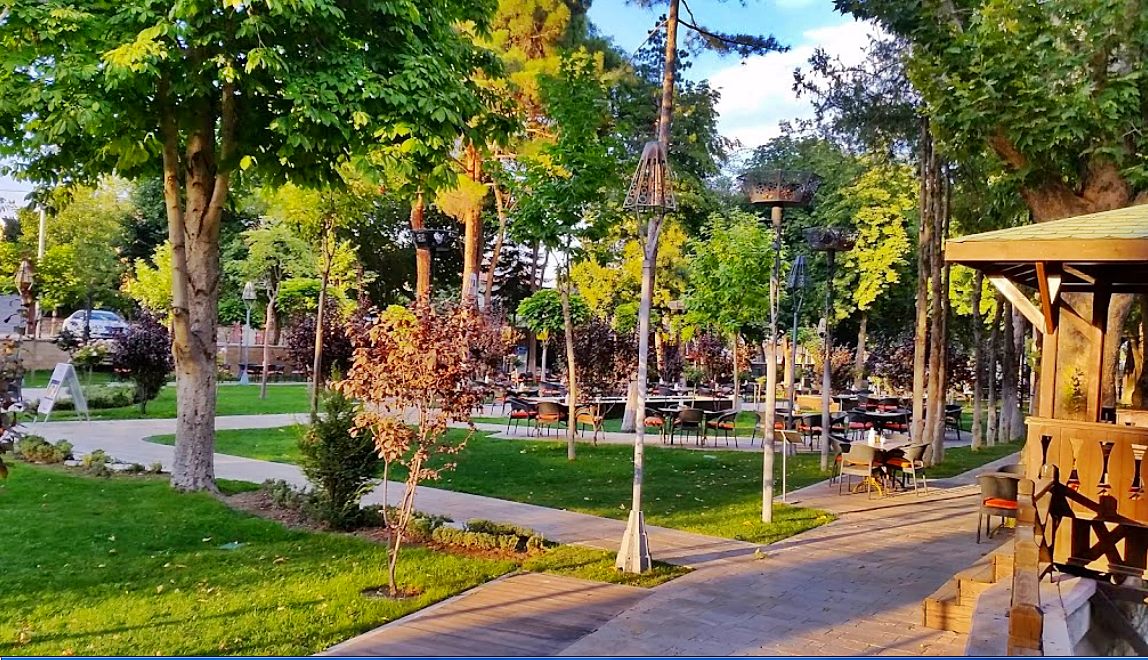
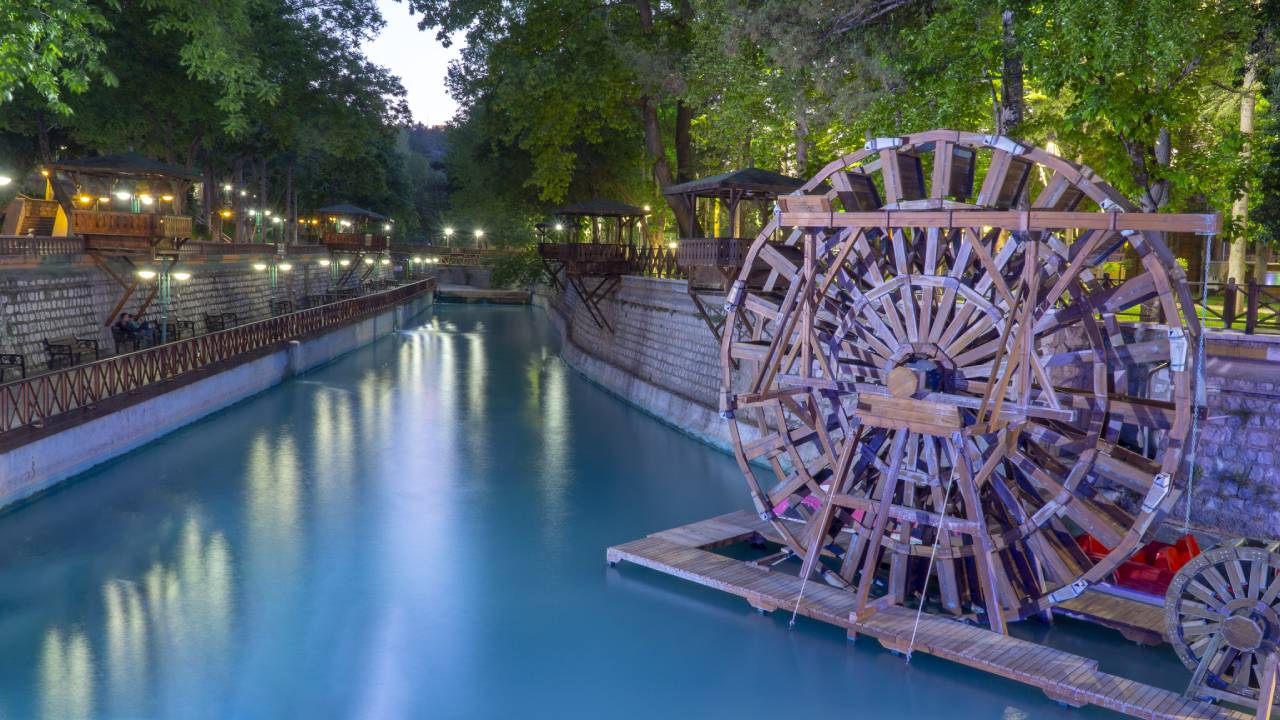
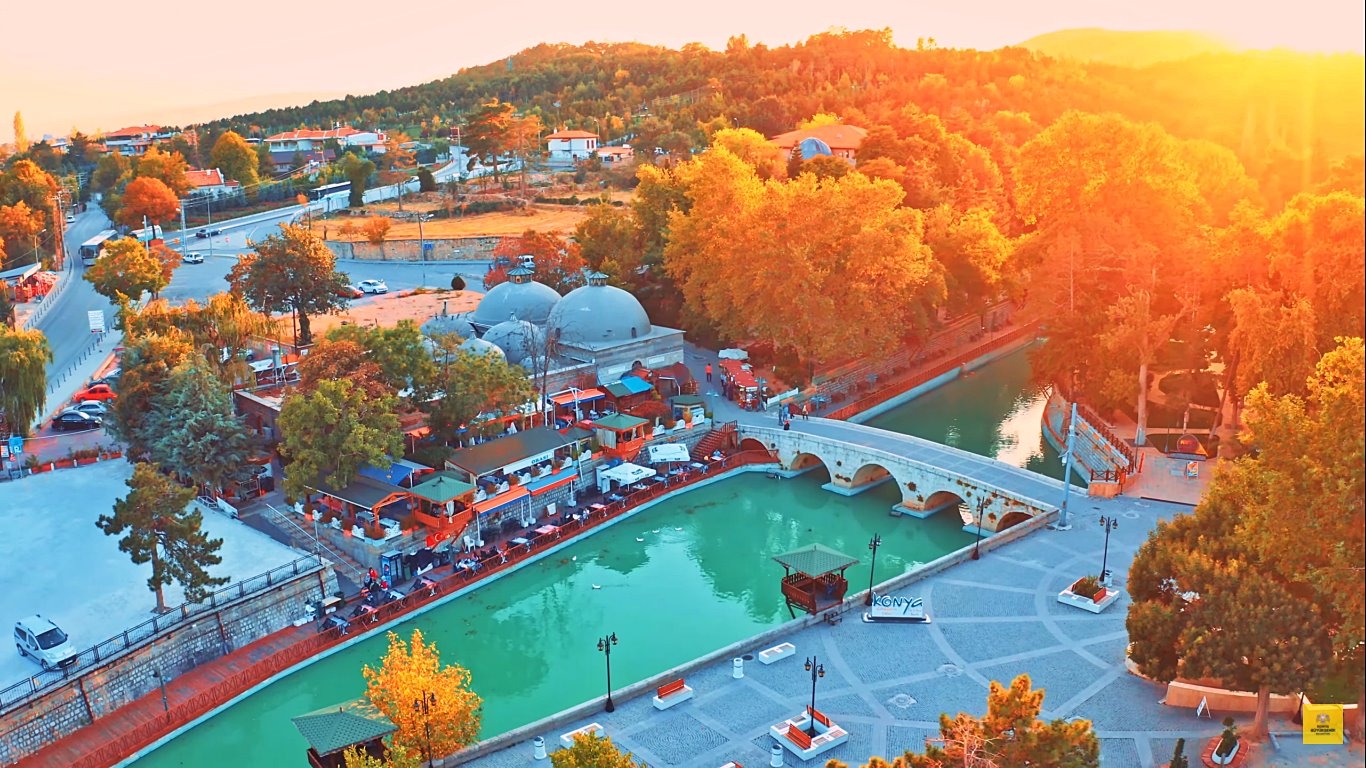
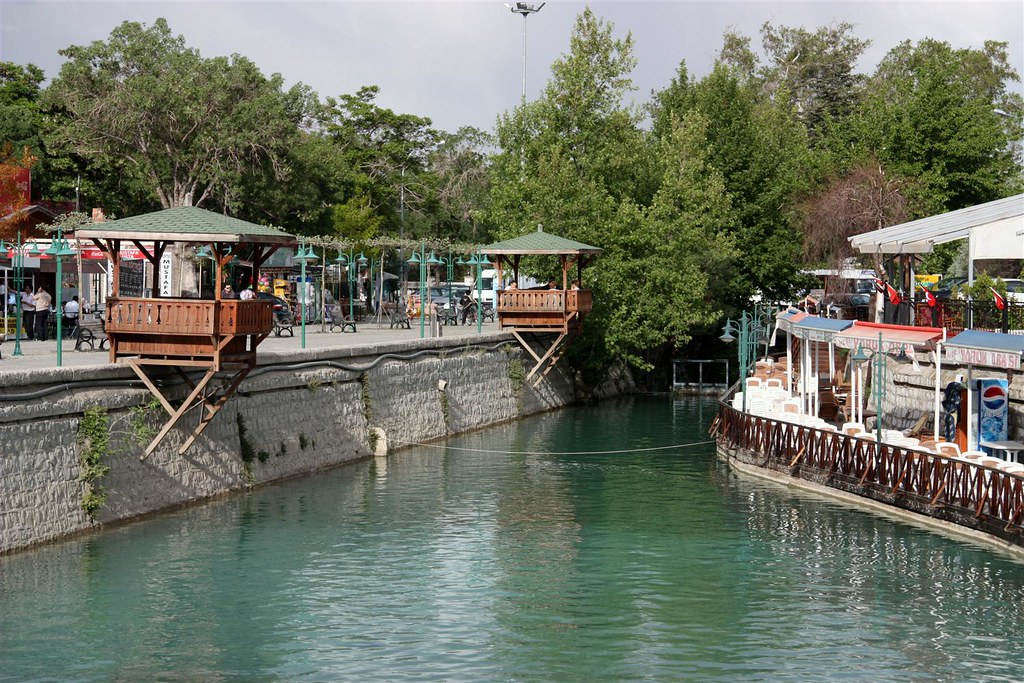
Meram Bağları is a historic and picturesque area renowned for its lush gardens, vineyards, and natural beauty. This verdant oasis has been a popular retreat since Seljuk times, offering a serene escape from the city's hustle and bustle. The area is characterized by its flowing streams, green landscapes, and traditional Ottoman-style summer houses, making it a favorite spot for locals and visitors to relax and enjoy nature. Meram Bağları is also home to the historic Meram Bridge, an ancient stone bridge that adds to the area's charm and historical significance.
Mevlana Museum
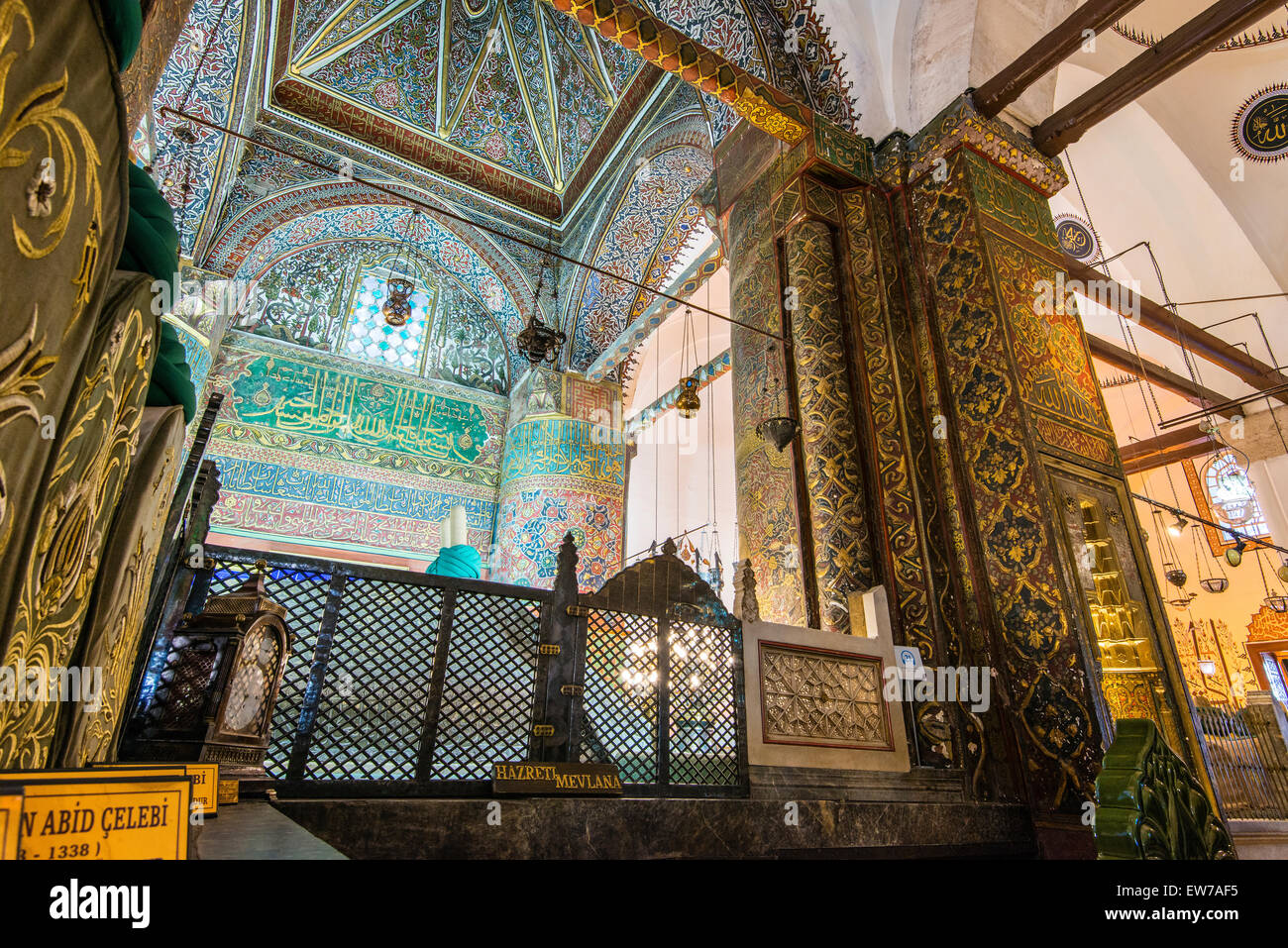
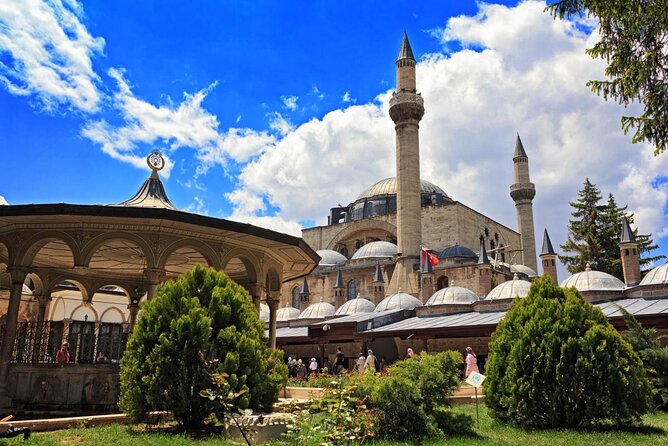
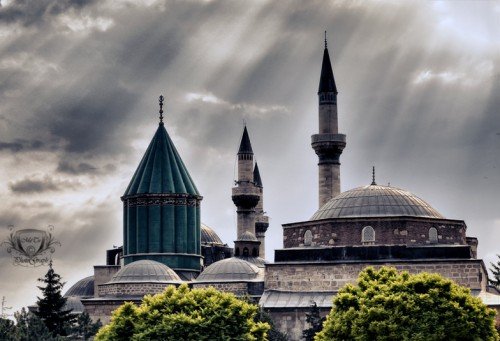
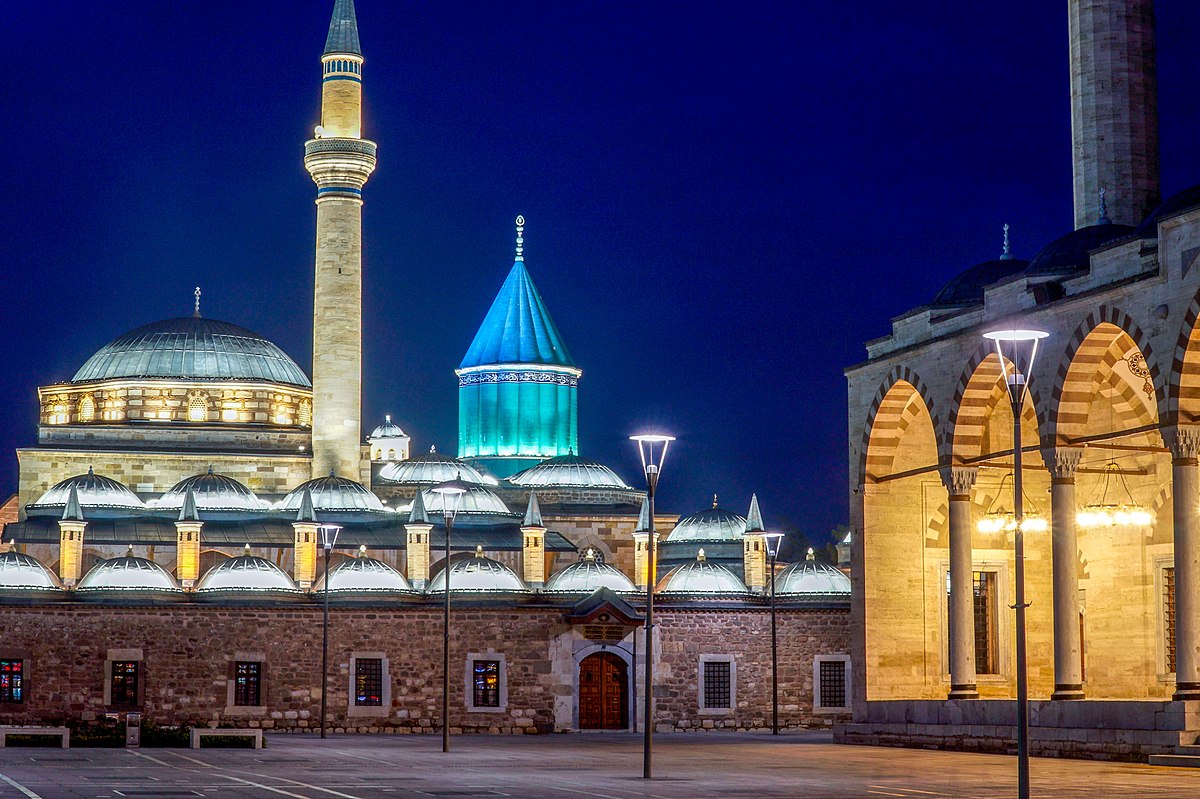
The Mevlana Museum is a spiritual and cultural landmark dedicated to the life and teachings of the famous 13th-century Persian poet and Sufi mystic, Jalal ad-Din Muhammad Rumi, known as Mevlana. Originally the lodge of the Whirling Dervishes, the museum houses the mausoleum of Rumi, which is adorned with an iconic green dome and intricate tile work.
Aziziye Mosque
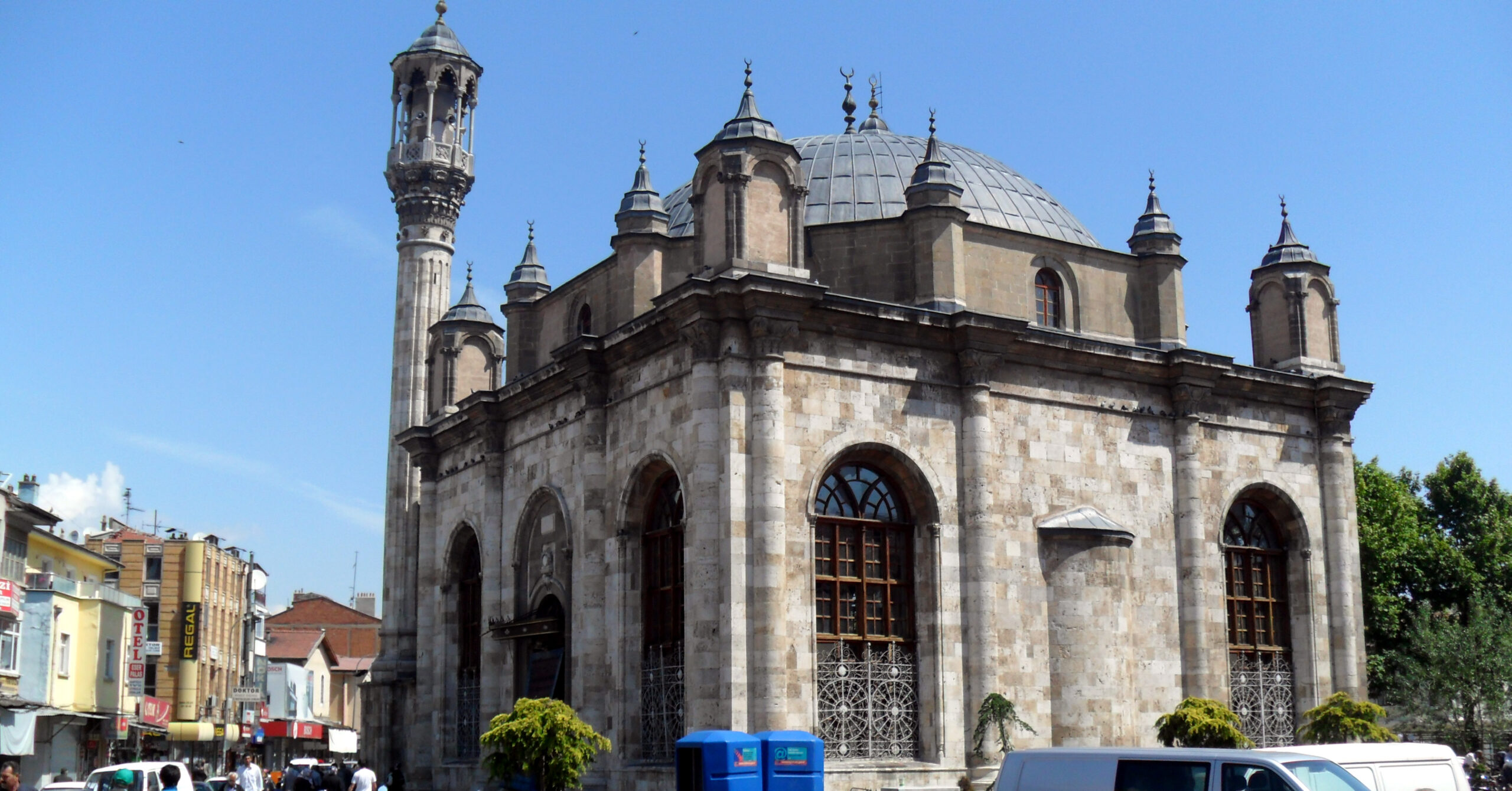
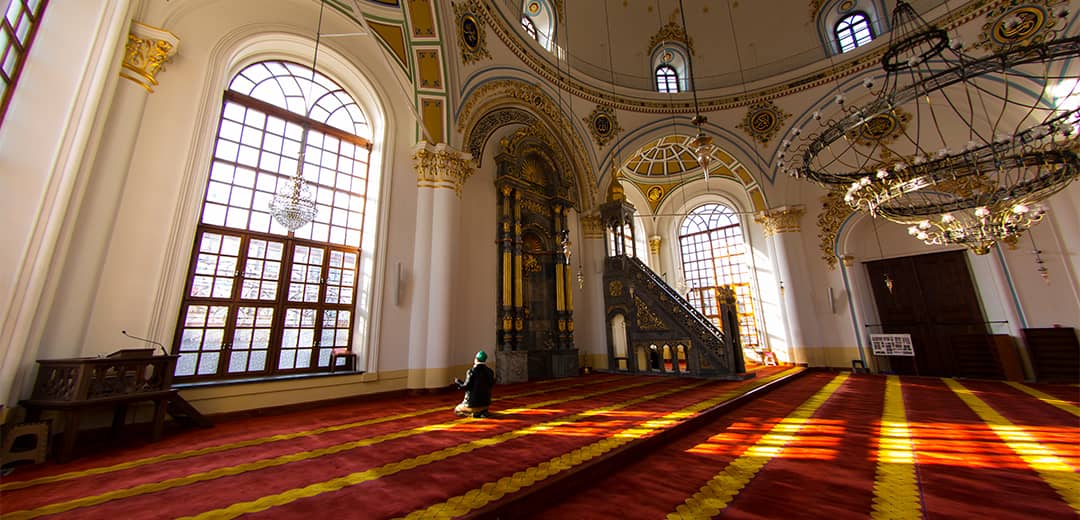
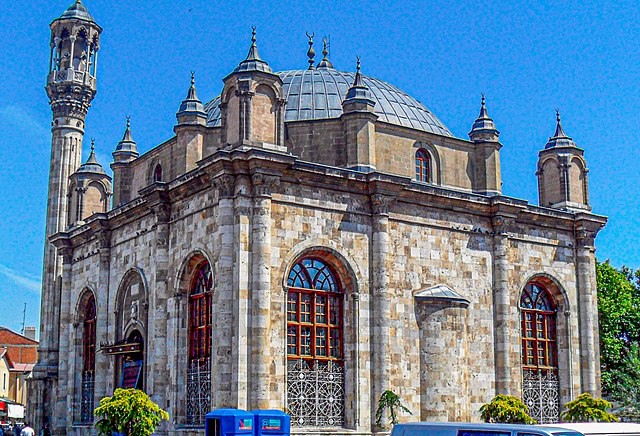
The Aziziye Mosque is a stunning example of 19th-century Ottoman architecture with Baroque influences. Commissioned by Pertevniyal Sultan, the mother of Sultan Abdulaziz, and completed in 1874, the mosque is named in honor of her son. Aziziye Mosque stands out for its unique architectural style, featuring twin minarets with ornate balconies and an elegant facade adorned with intricate stone carvings. The mosque's interior is equally impressive, with a large central dome, beautifully painted arabesque patterns, and expansive windows that allow natural light to illuminate the prayer hall. As a significant religious and cultural landmark, the Aziziye Mosque reflects the eclectic architectural tastes of the late Ottoman period and continues to serve as an important center for worship and community gatherings in Konya.
Alaeddin Hill and Mosque
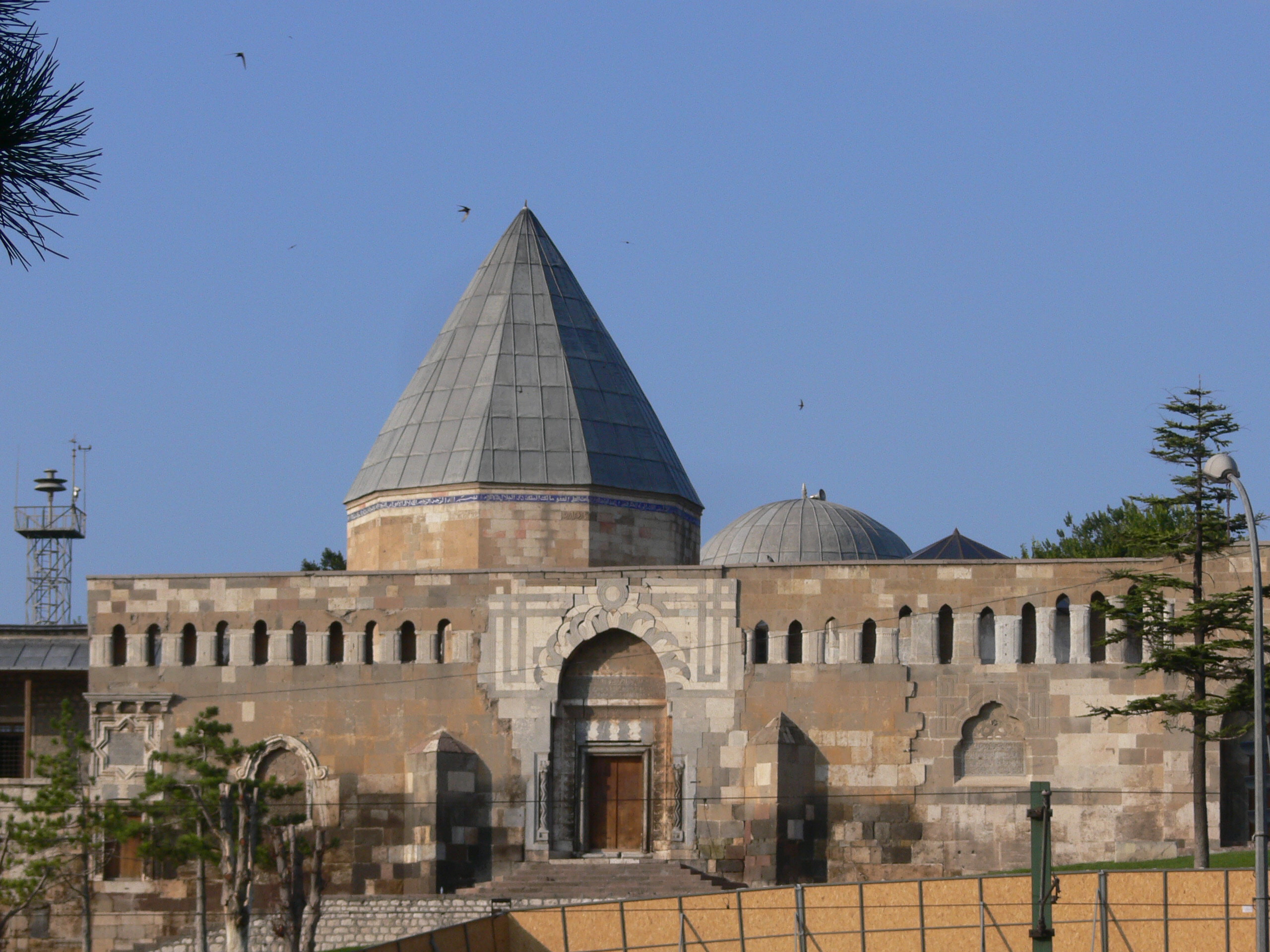
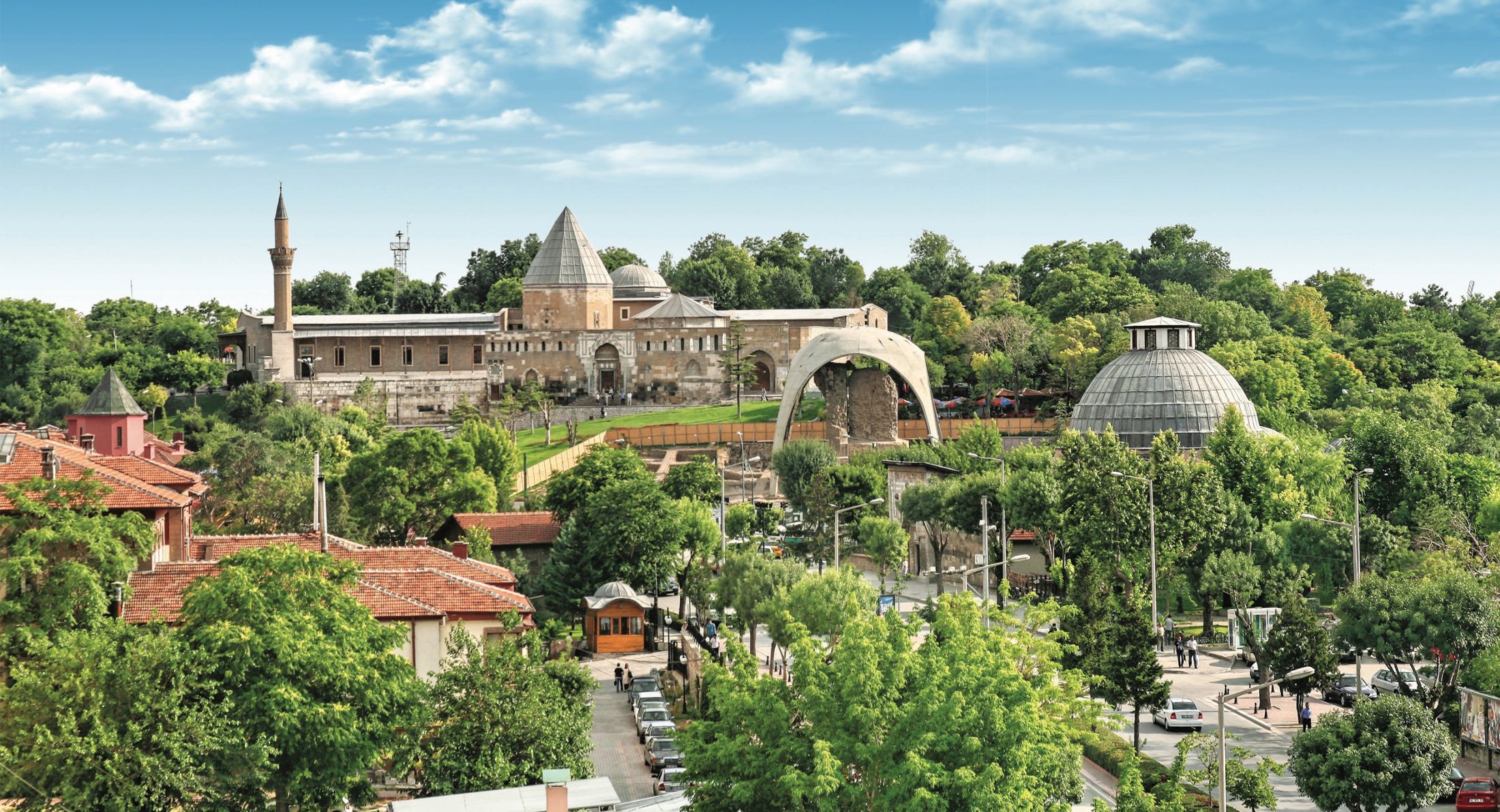
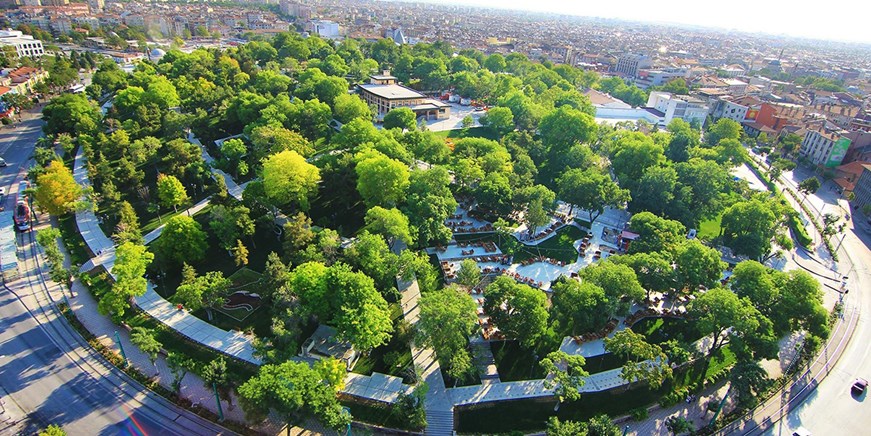
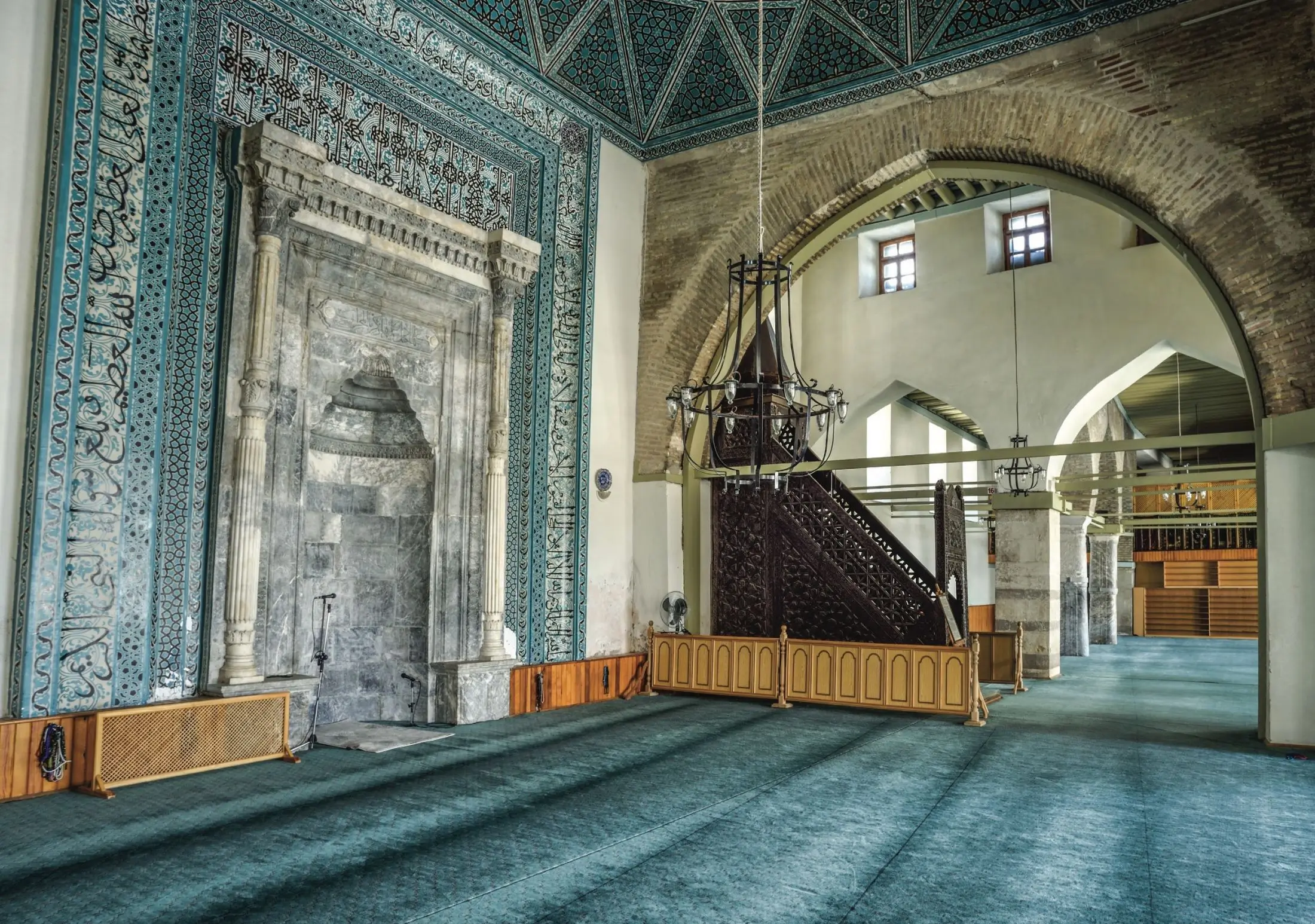
Alaeddin Hill, situated in the heart of Konya, Turkey, is a historical and cultural landmark that dates back to ancient times. The hill itself is a man-made tumulus, built upon the remains of earlier civilizations, and it offers a panoramic view of the city. Atop Alaeddin Hill stands the Alaeddin Mosque, one of the oldest and most significant mosques in Konya, built in the 12th century during the reign of Sultan Alaeddin Keykubad I of the Seljuk Empire. The mosque's architecture reflects the Seljuk style with its large prayer hall, numerous columns, and intricately carved wooden minbar (pulpit). The mosque also houses the tombs of several Seljuk sultans, adding to its historical importance. As a central place of worship and a key historical site, Alaeddin Hill and Mosque provide a deep insight into the rich Islamic and Seljuk heritage of Konya, making it a must-visit for history enthusiasts and pilgrims alike.
Selimiye Mosque
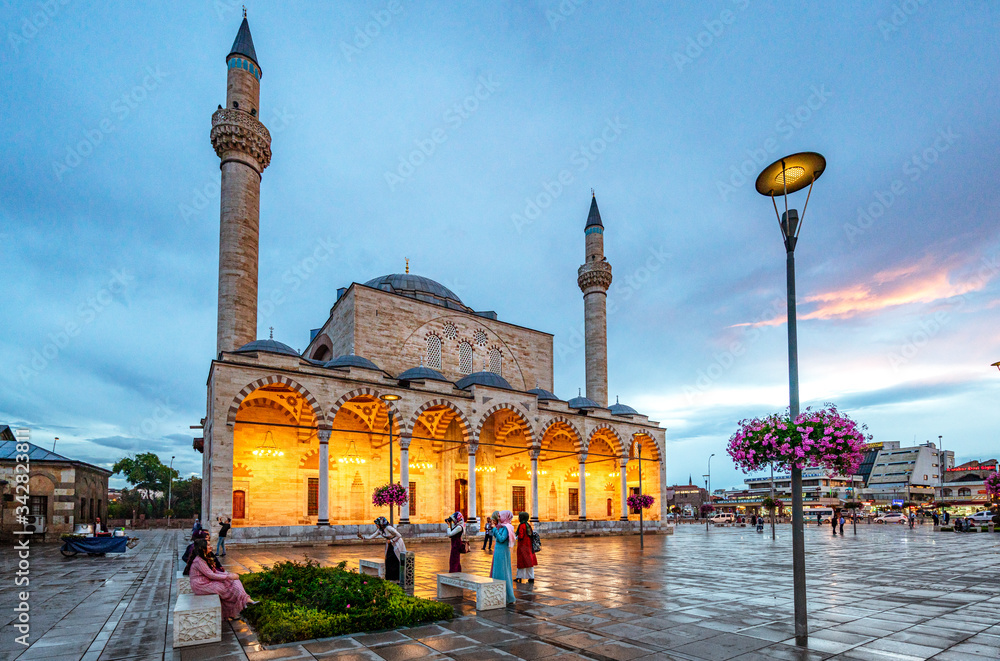
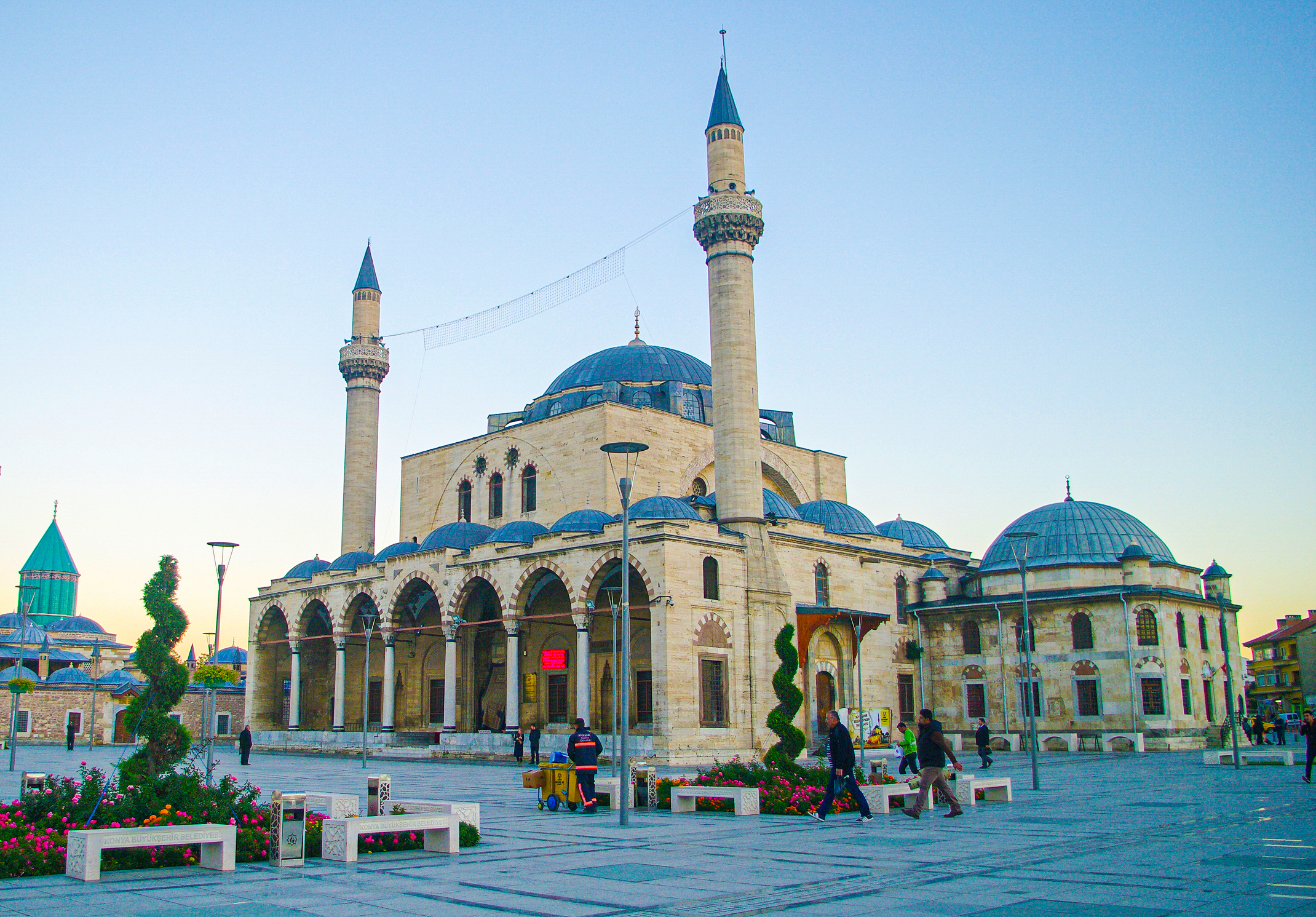
The Selimiye Mosque is a distinguished example of Ottoman architecture from the 16th century. Commissioned by Sultan Selim II and completed in 1570, the mosque stands prominently near the Mevlana Museum, adding to its historical and cultural significance. The mosque features a large central dome flanked by smaller domes, and its elegant facade is adorned with traditional Iznik tiles and calligraphic inscriptions. The interior is equally impressive, with a spacious prayer hall, beautifully decorated mihrab, and finely crafted wooden minbar. The mosque's two slender minarets rise gracefully, symbolizing the architectural grandeur of the Ottoman period. As an active place of worship and a major tourist attraction, the Selimiye Mosque continues to be a focal point of religious and cultural life in Konya, reflecting the city's rich Islamic heritage and the artistic achievements of the Ottoman Empire.
Hacıveyiszade Mosque
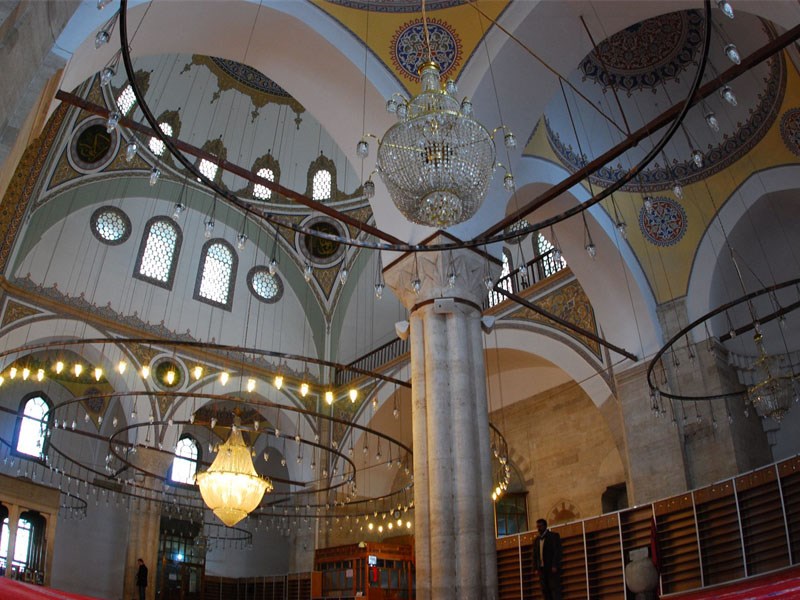
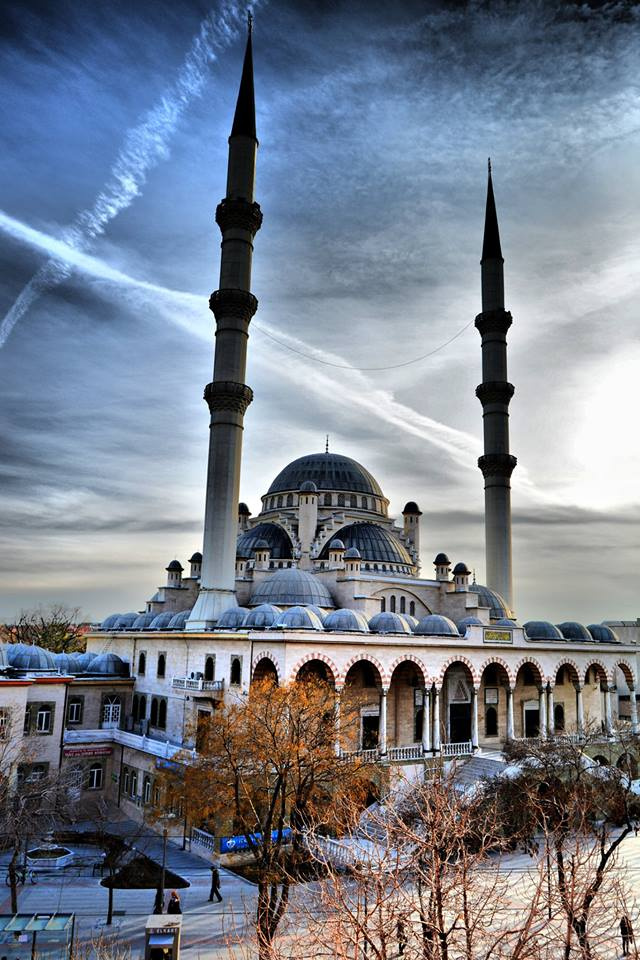
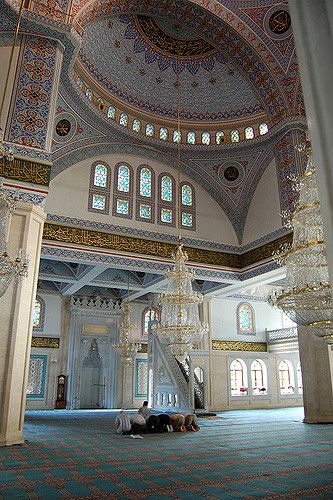
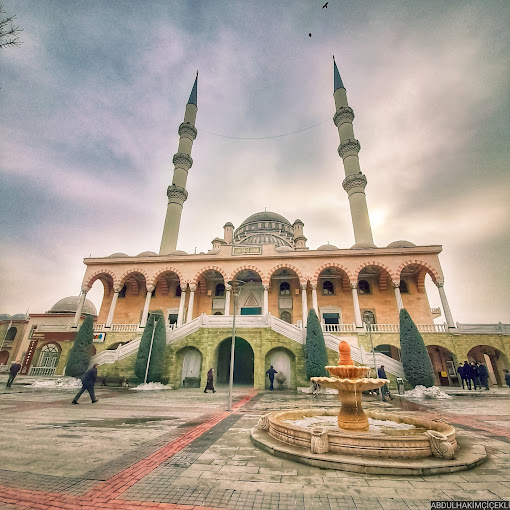
Hacıveyiszade Mosque is a modern architectural marvel named after the prominent Islamic scholar Hacıveyiszade Mustafa Kurucu. Completed in the late 20th century, this mosque stands out with its grandiose design, featuring a large central dome surrounded by smaller domes and two towering minarets. The mosque's exterior is marked by intricate geometric patterns and Arabic calligraphy, while the interior boasts a spacious prayer hall, beautifully adorned with traditional Turkish motifs and expansive chandeliers that create a serene and luminous atmosphere. Hacıveyiszade Mosque not only serves as a vital center for daily prayers and community gatherings but also symbolizes the contemporary architectural advancements in Islamic design. It reflects Konya's ongoing dedication to preserving its rich religious traditions while embracing modernity.
ANTALYA
Old Town (Kaleiçi)
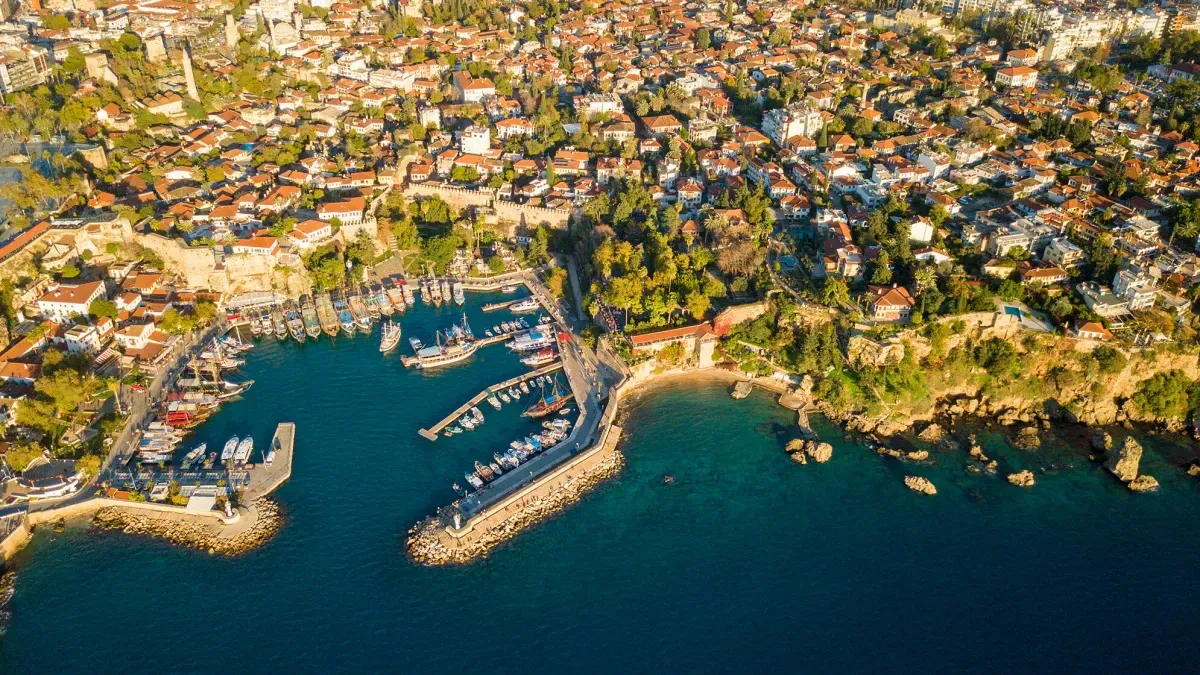
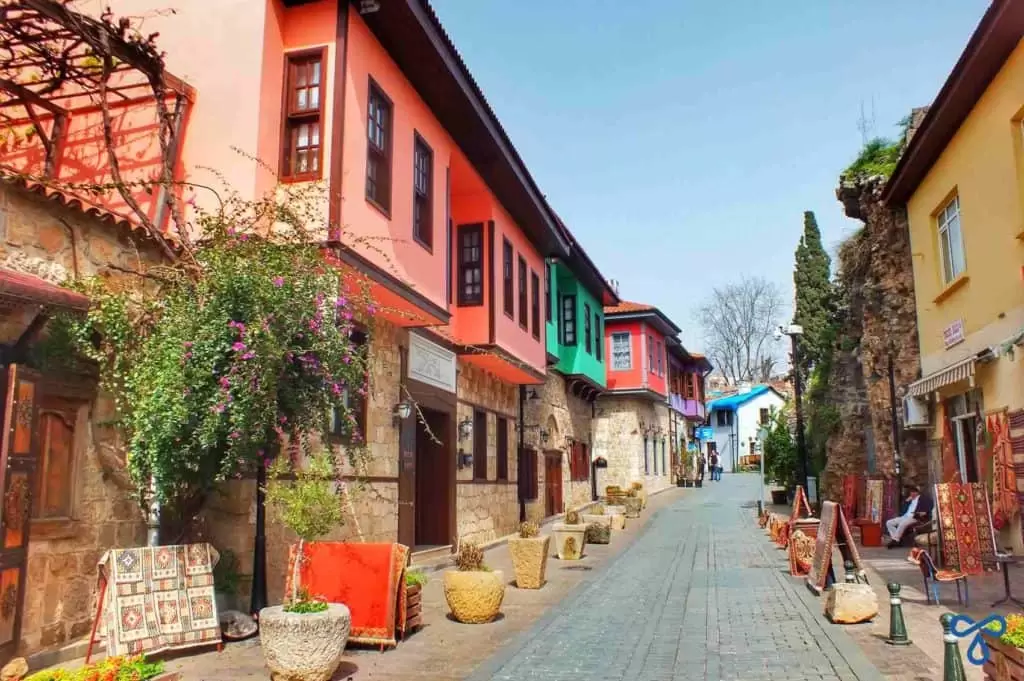
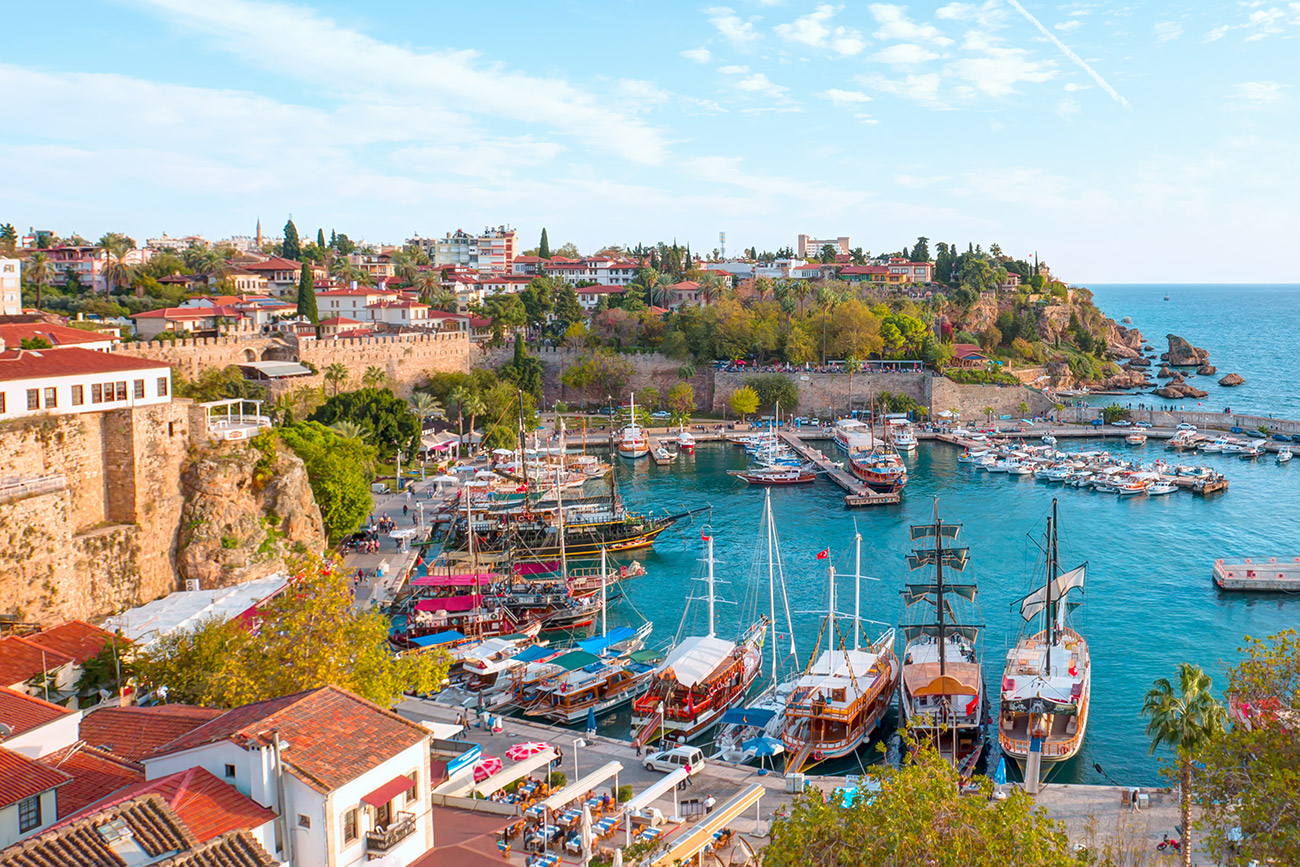
Kaleiçi, also known as Old Town offers a charming blend of ancient architecture, narrow cobblestone streets, and a vibrant atmosphere. Encircled by the remnants of Roman and Byzantine walls, Kaleiçi is a living museum of Antalya's rich past, featuring a mix of Roman, Byzantine, Seljuk, and Ottoman influences. Wandering through Kaleiçi's labyrinthine streets, visitors can discover hidden courtyards, ancient ruins, and lively squares, all contributing to the unique charm and historical richness of Antalya's Old Town.
Hadrian’s Gate
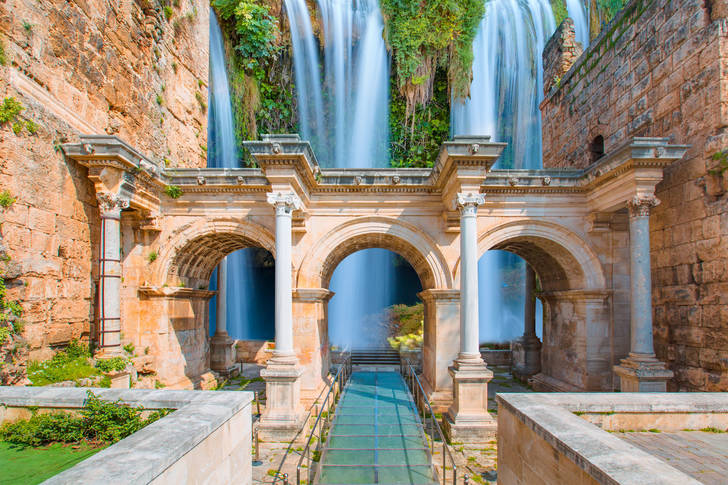
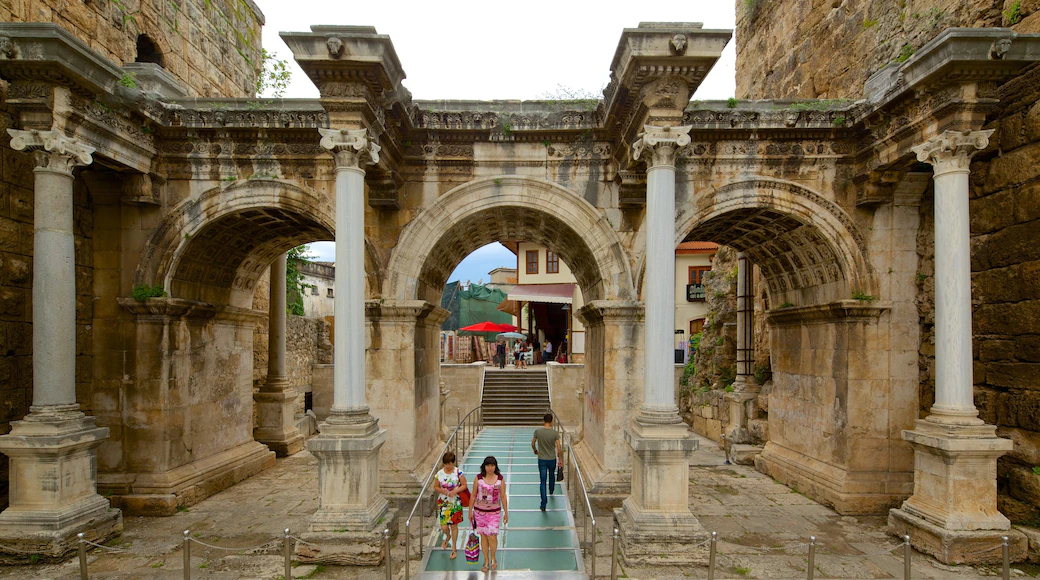
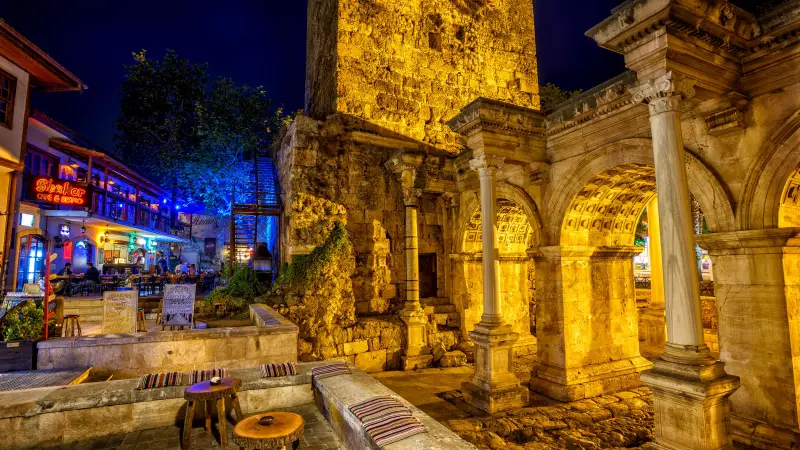
Hadrian’s Gate, also known as Üçkapılar or "The Three Gates," is a magnificent Roman triumphal arch. Constructed in 130 AD to commemorate Emperor Hadrian's visit to the city, this well-preserved monument is a splendid example of Roman architecture and engineering. The gate consists of three arched passageways, adorned with intricately carved marble columns and decorative reliefs. The central archway is larger than the flanking ones, and the structure once supported a decorative upper story that has not survived. The gate’s rich ornamentation includes floral and geometric motifs, showcasing the craftsmanship of the Roman artisans.
Upper Düden Waterfall
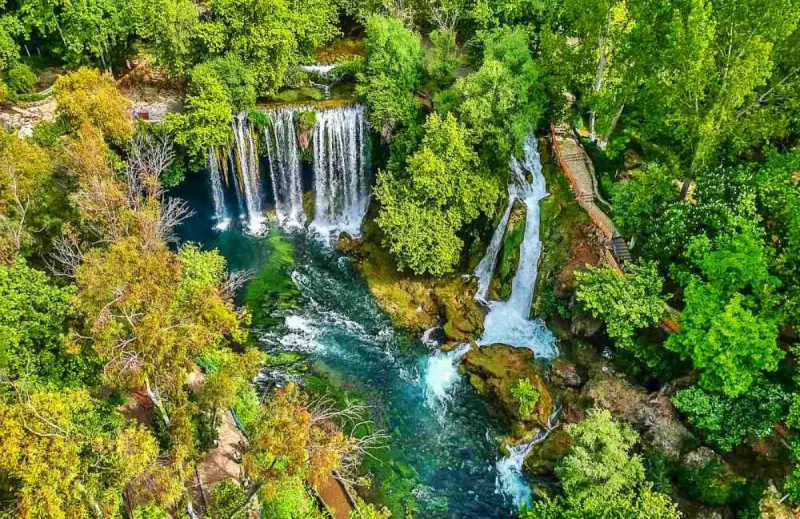
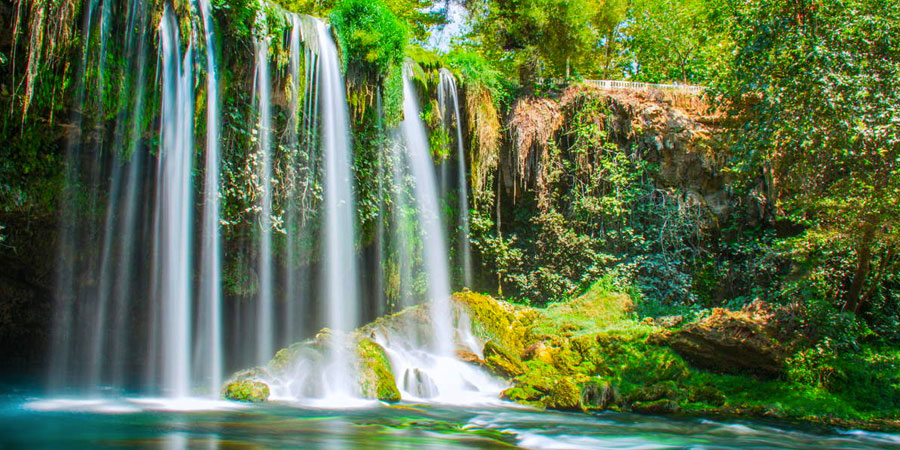
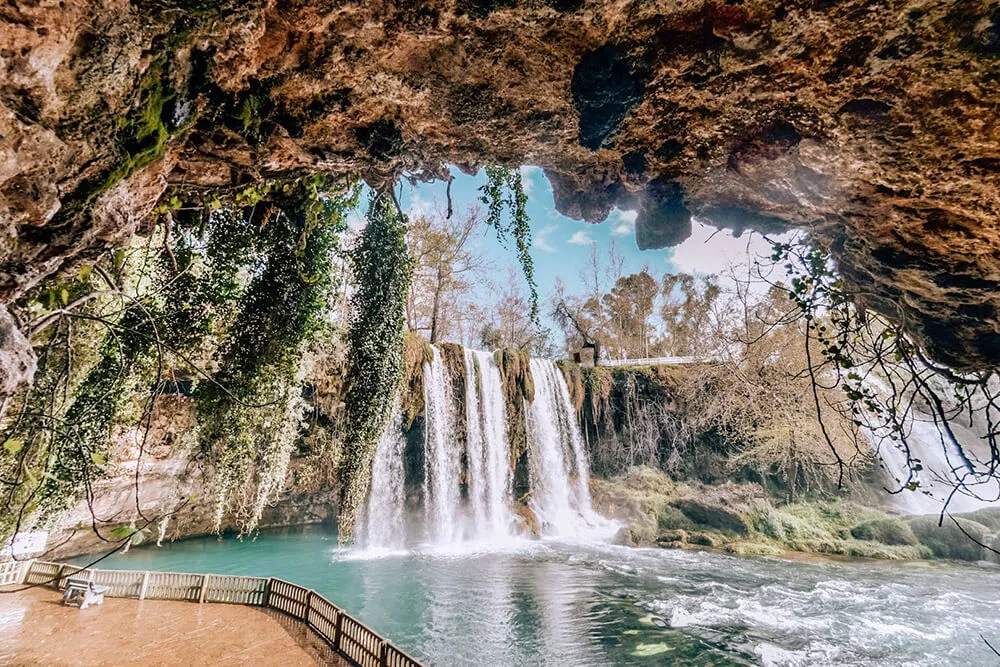
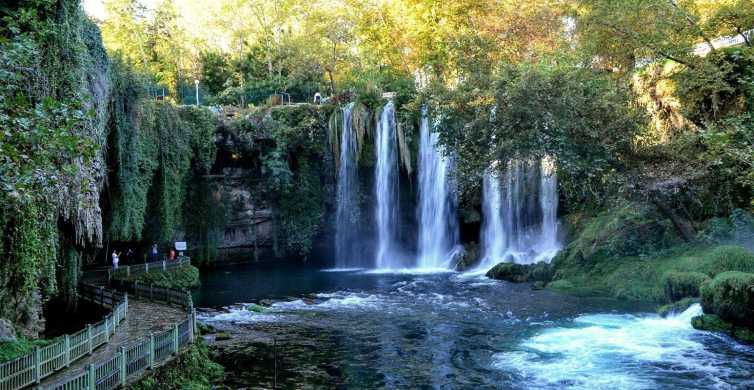
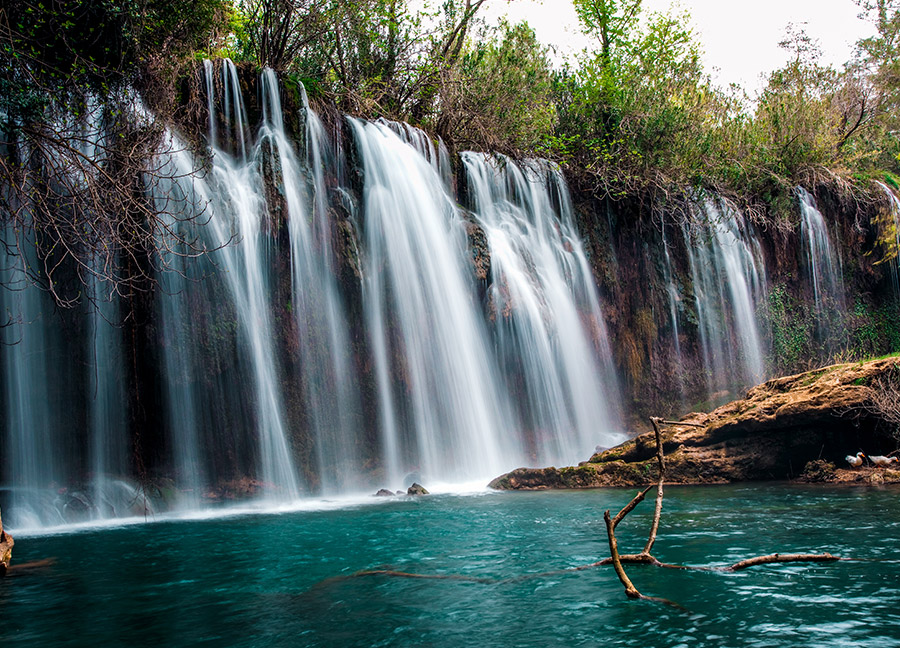
Situated about 12 kilometers northeast of Antalya, the Upper Düden Waterfalls cascade into a scenic gorge surrounded by lush greenery. Visitors can explore behind the falls through a natural cave, providing a unique perspective and a cool respite from the heat. The area features picnic spots, walking paths, and viewing platforms, making it a perfect spot for relaxation and nature photography.
Lower Düden Waterfall
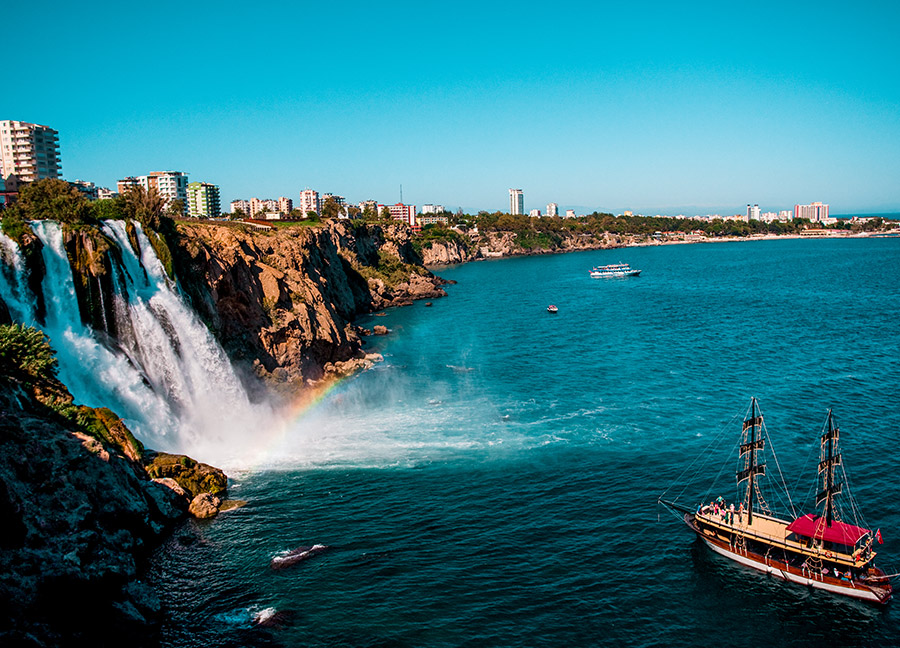
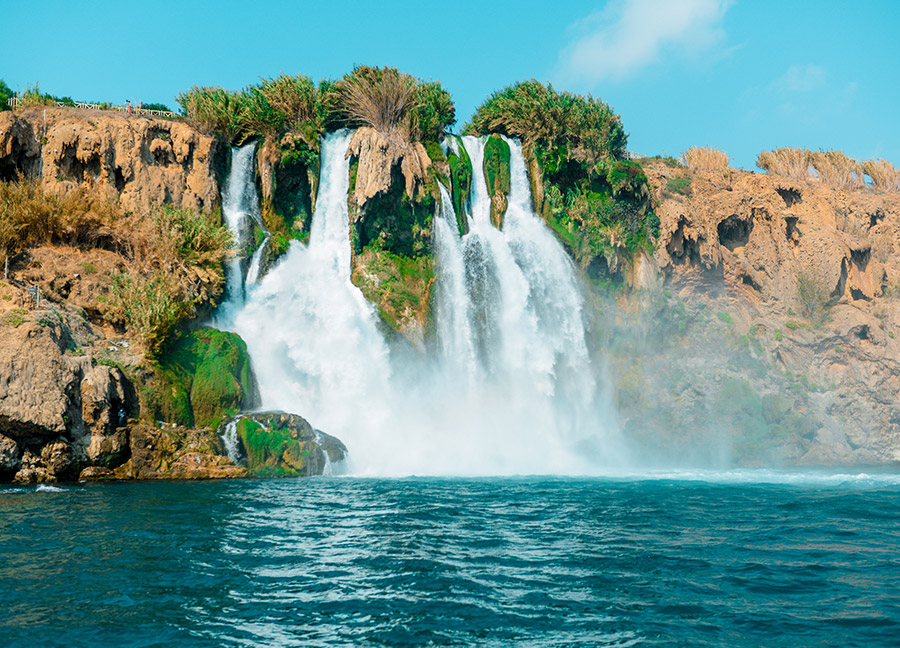
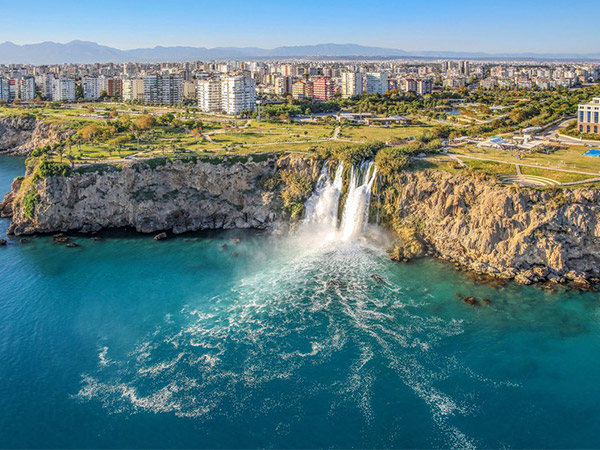
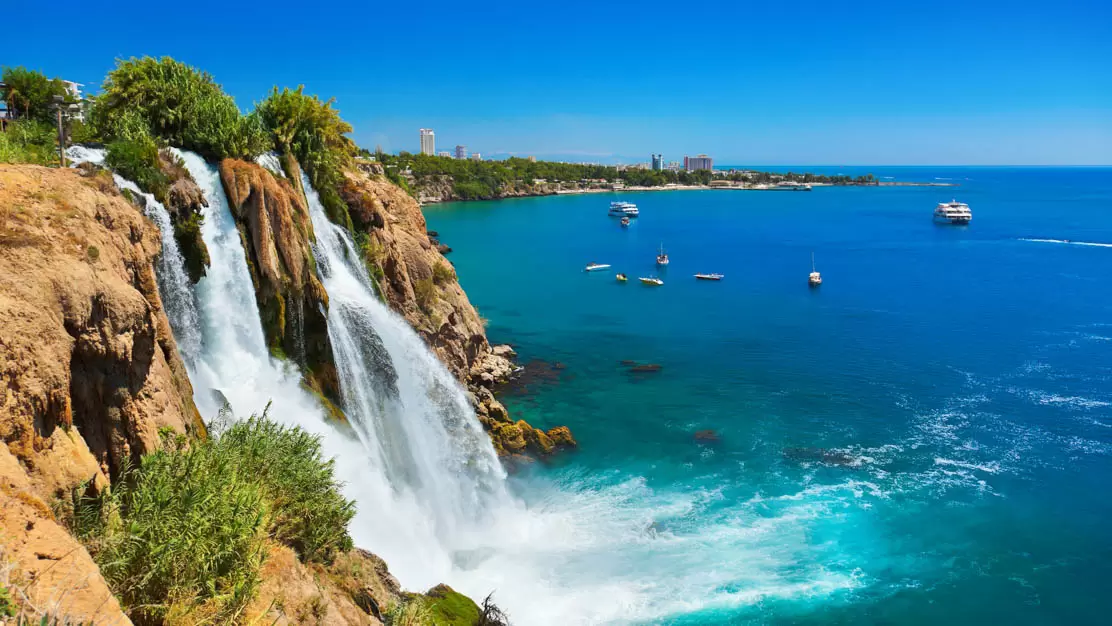
Located closer to the Mediterranean coast, the Lower Düden Waterfalls dramatically plunge off a rocky cliff directly into the sea. This spectacular sight can be enjoyed from the viewing platforms on land or from a boat tour along the coast. The contrast between the cascading water and the blue sea creates a mesmerizing view, especially at sunset.
Kurşunlu Waterfall
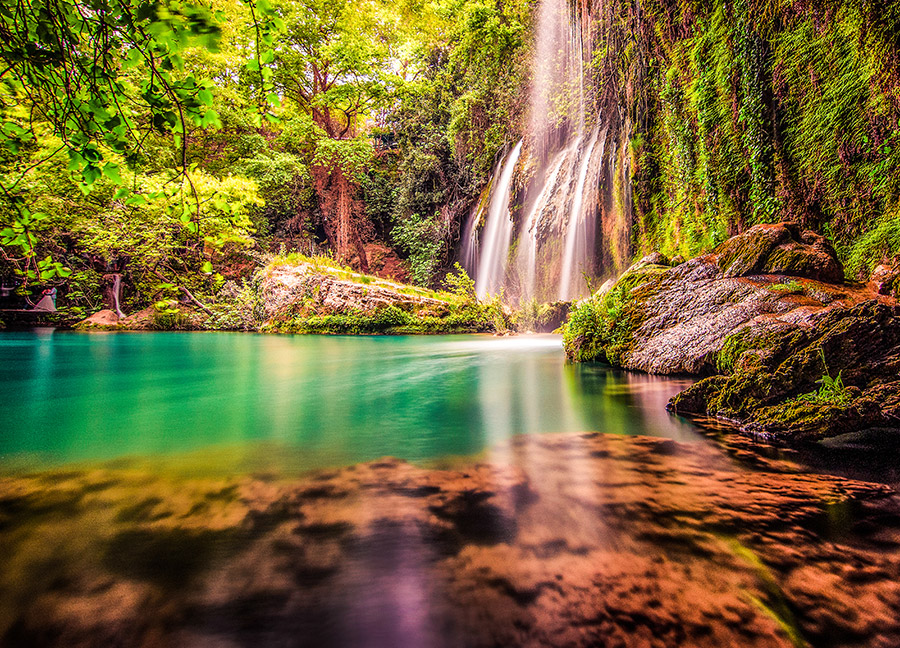
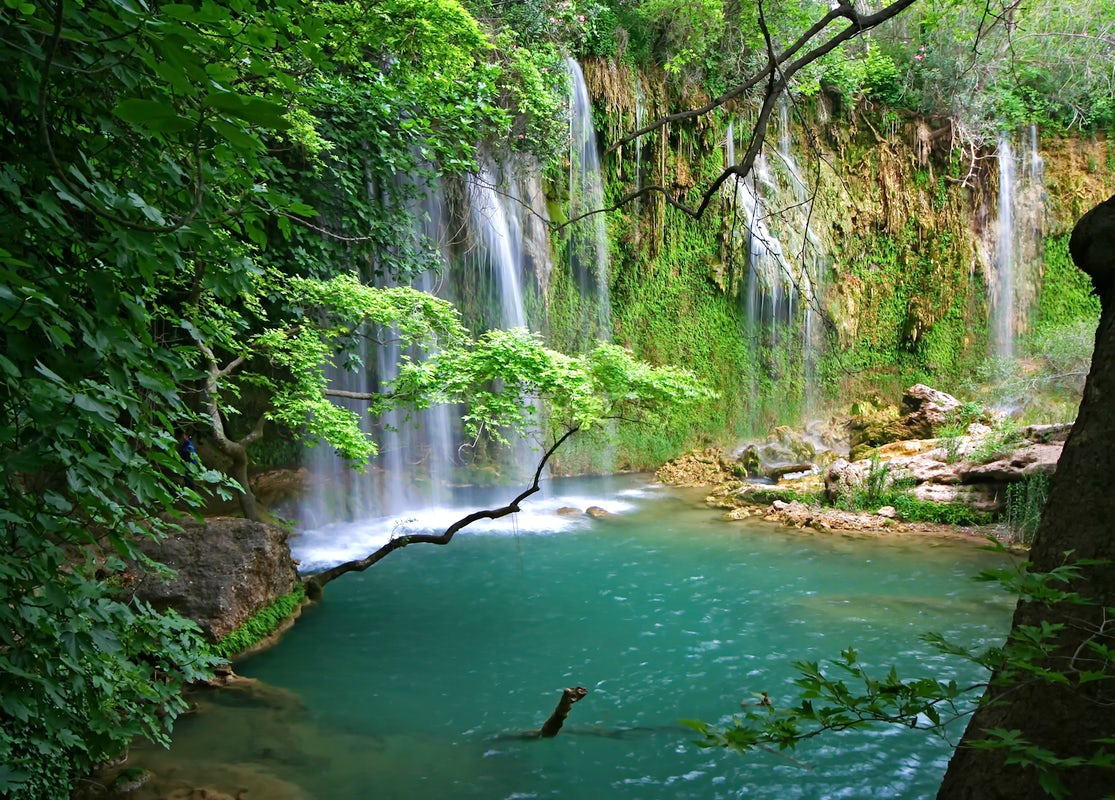
Kurşunlu Waterfall is a picturesque and serene natural attraction. Nestled in a lush forest, the waterfall is part of a network of streams and small lakes that create a tranquil oasis away from the hustle and bustle of the city. The waterfall cascades down from a height of about 18 meters into a large pool, surrounded by rich vegetation and scenic walking trails. The area around Kurşunlu Waterfall is home to diverse flora and fauna, making it a perfect spot for nature lovers

Termessos Archaeological Site
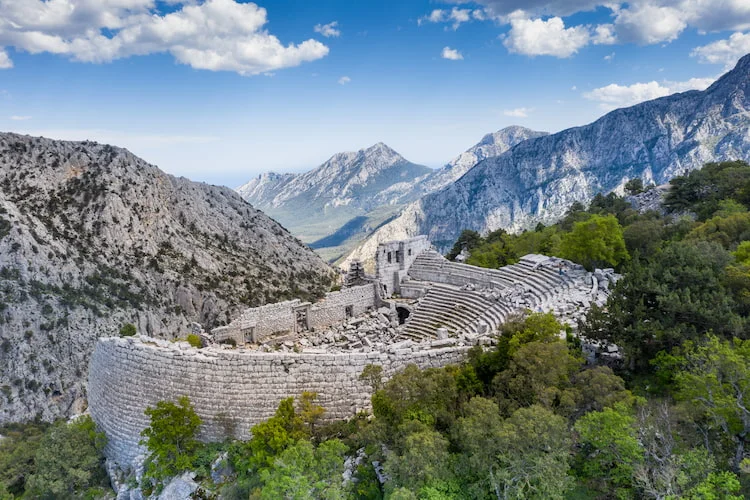
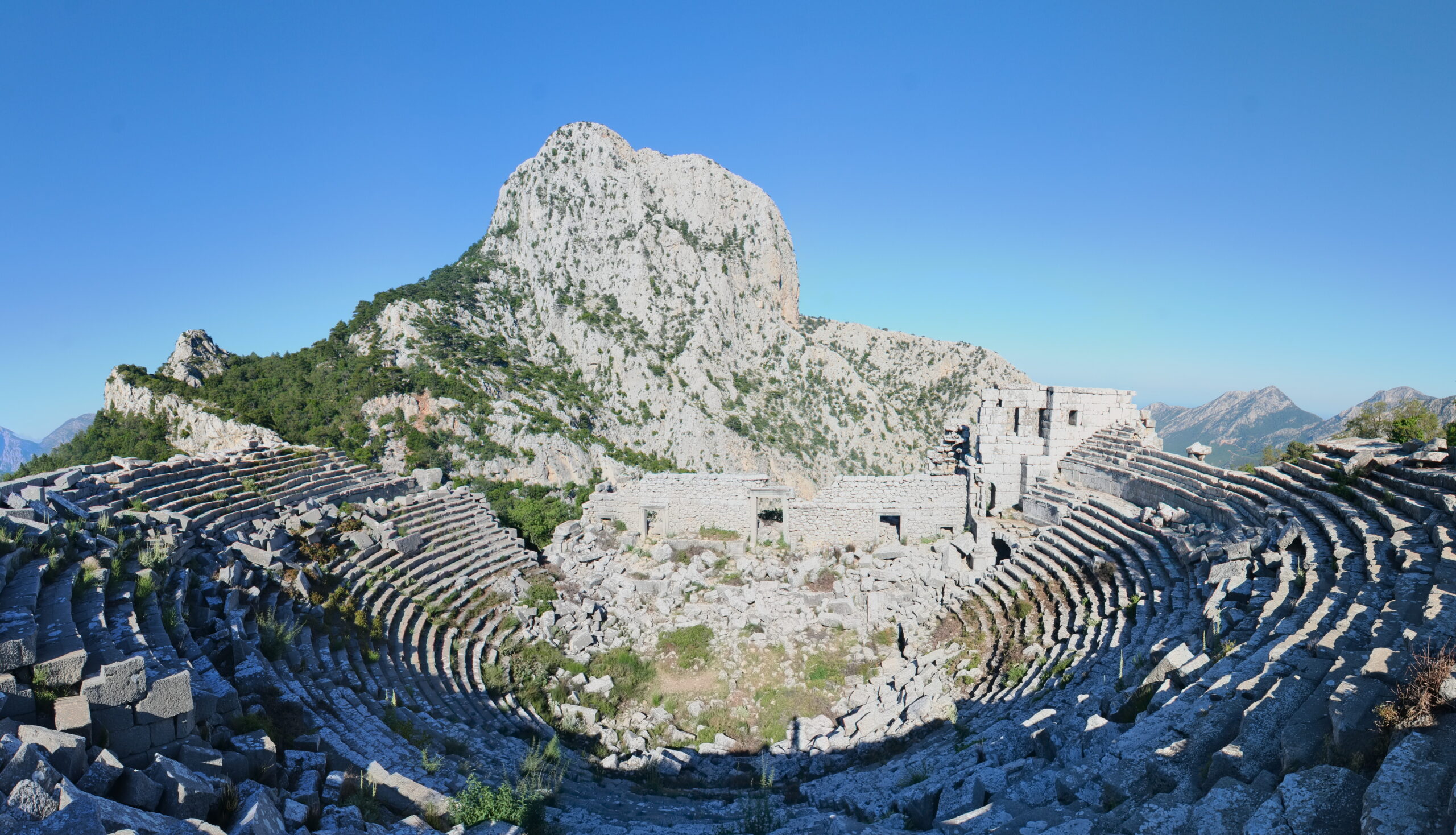
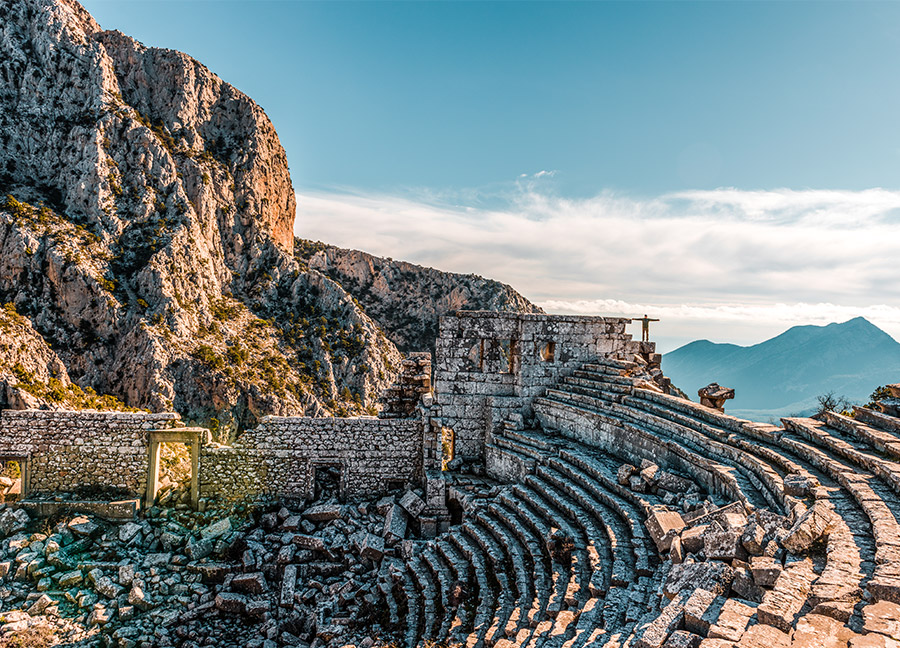
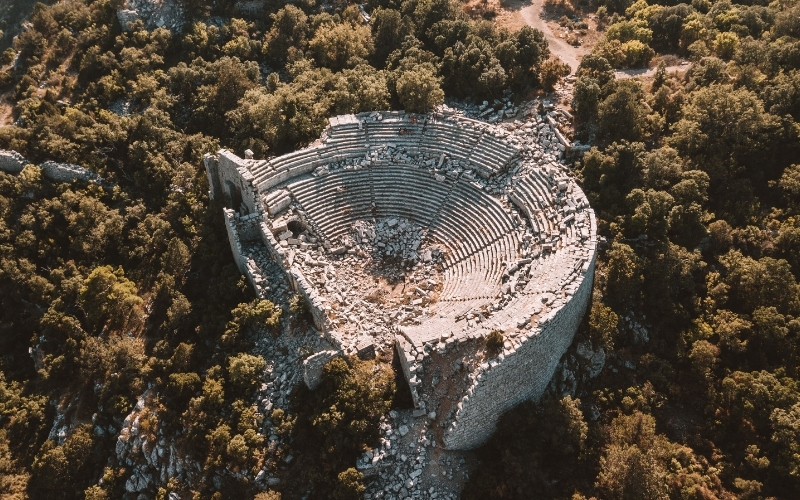
Termessos Archaeological Site, situated in the Taurus Mountains, is one of the best-preserved ancient cities in the region, offering a fascinating glimpse into the history and culture of the ancient Pisidians. Nestled at an altitude of over 1,000 meters, this ancient city is surrounded by rugged, mountainous terrain, providing both natural beauty and strategic defense. Founded by the Pisidians, Termessos is renowned for its remarkable state of preservation and its scenic setting within the Güllük Mountain National Park. The site features a variety of well-preserved structures, including a grand theater with stunning views of the surrounding mountains, a gymnasium, numerous temples, cisterns, and an extensive necropolis with intricately carved tombs.
Antalya Museum
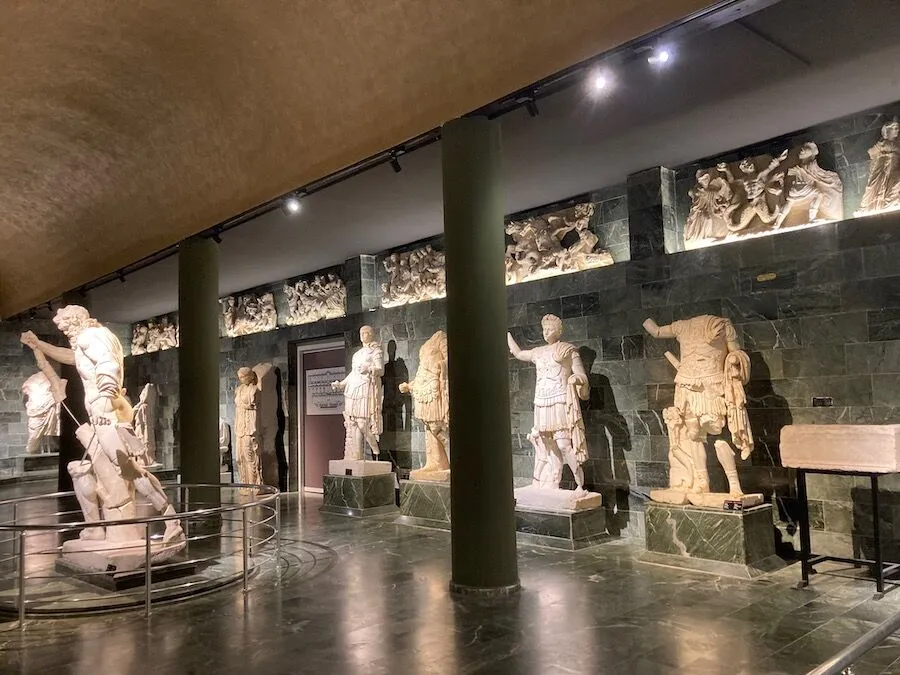
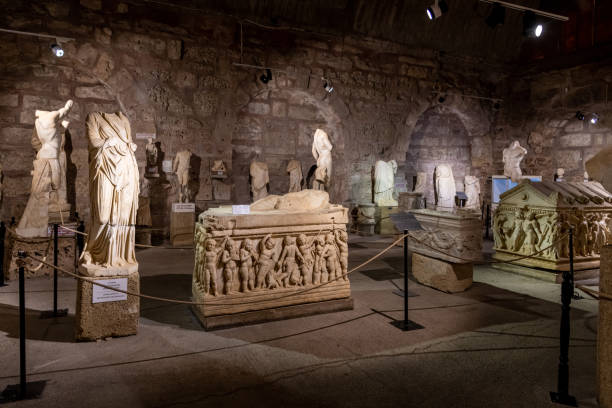
The Antalya Museum is one of the country's most important and comprehensive museums, showcasing the rich archaeological and cultural heritage of the region. Established in 1922, the museum's extensive collection spans from the prehistoric era to the Ottoman period, with a particular emphasis on artifacts from the ancient civilizations of Lycia, Pamphylia, and Pisidia.
Pamukkale
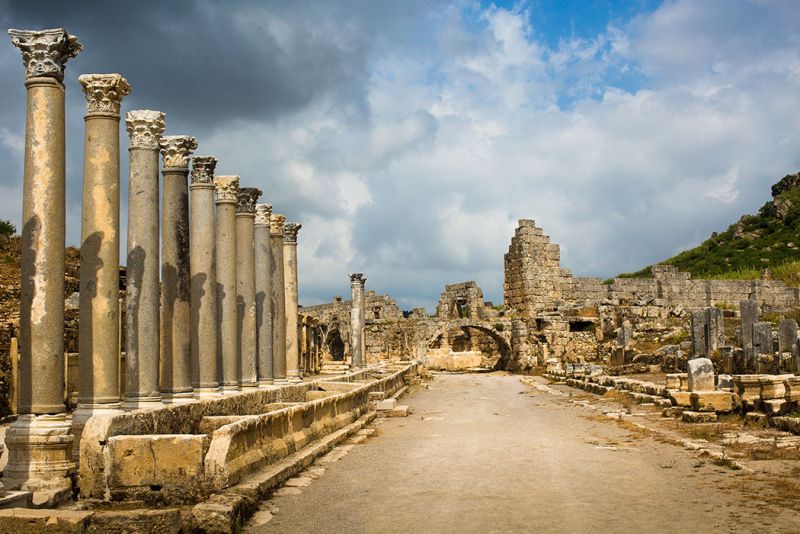
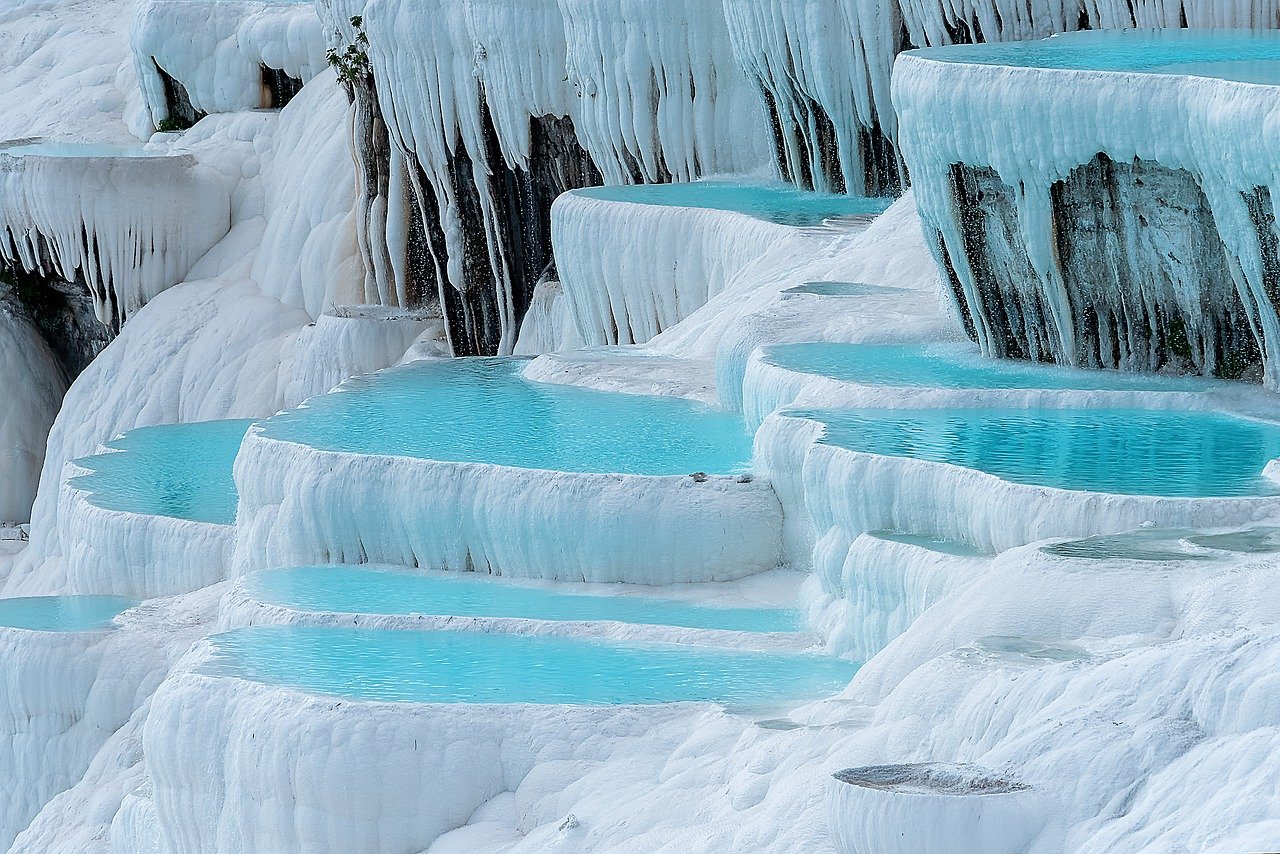
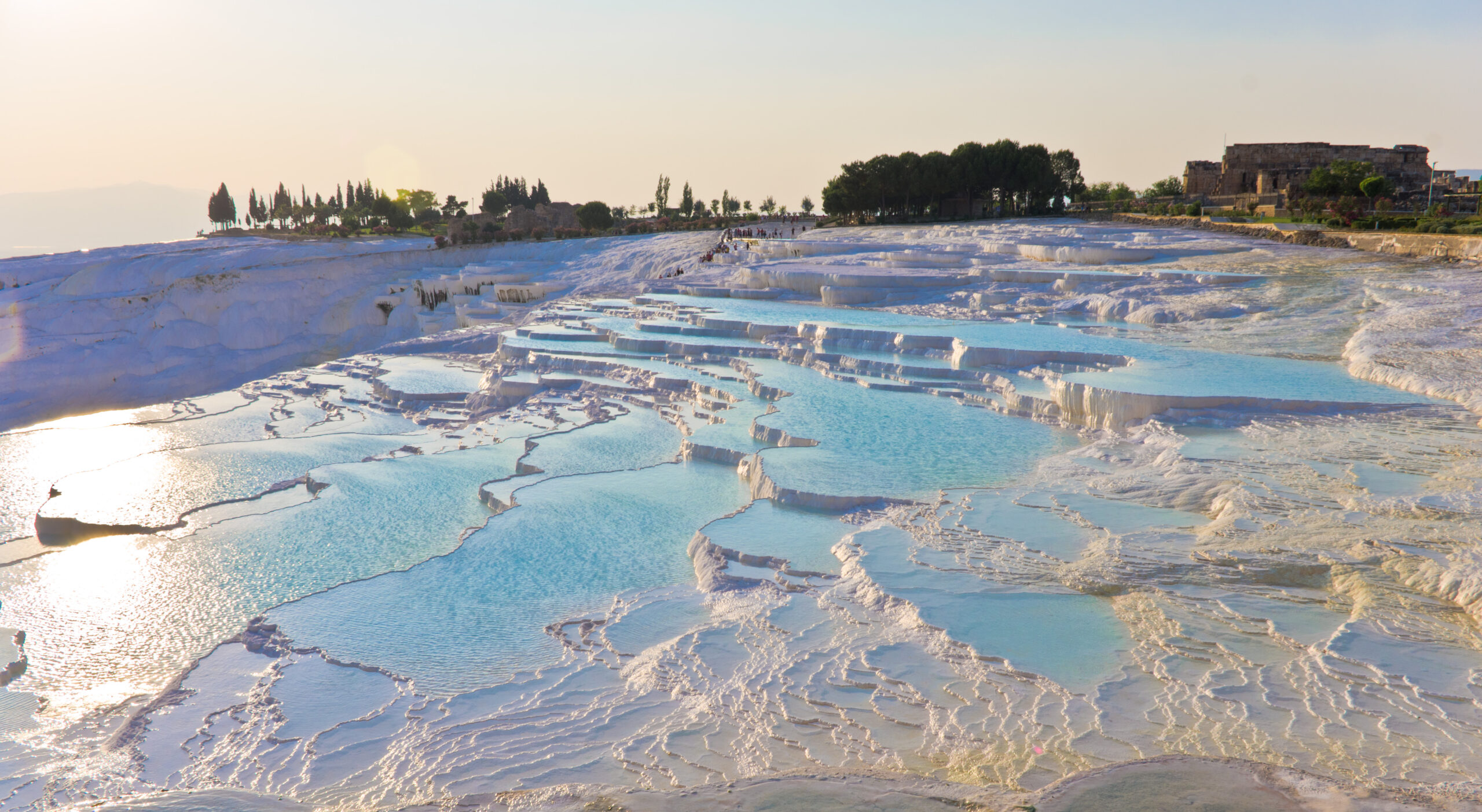
Pamukkale, located in Denizli province in southwestern Turkey, is a natural wonder renowned for its stunning white terraces of travertine, a form of limestone deposited by mineral-rich thermal waters. This site, whose name means "Cotton Castle" in Turkish, attracts visitors from around the world with its surreal landscape of cascading, tiered pools and strikingly white cliffs. The thermal waters of Pamukkale have been used for therapeutic purposes since ancient times. The Romans built the spa city of Hierapolis above the terraces, where people came to bathe in the thermal waters, believing in their healing properties. The ruins of Hierapolis, also part of the World Heritage Site, include well-preserved structures such as the ancient theater, the Temple of Apollo, the necropolis, and the Roman baths.


Land of Legends
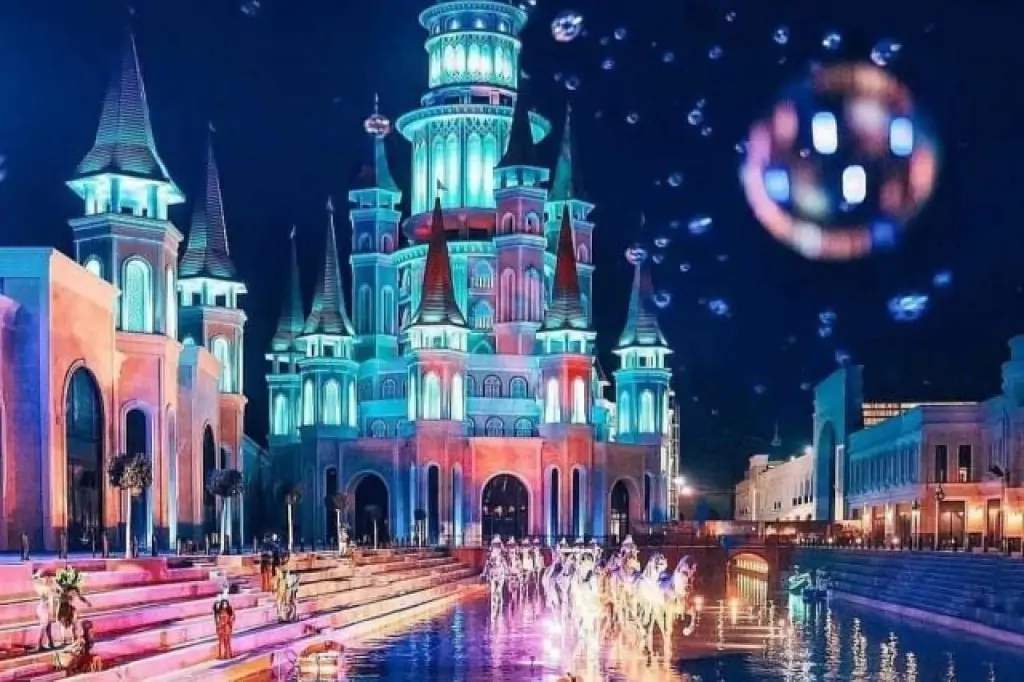
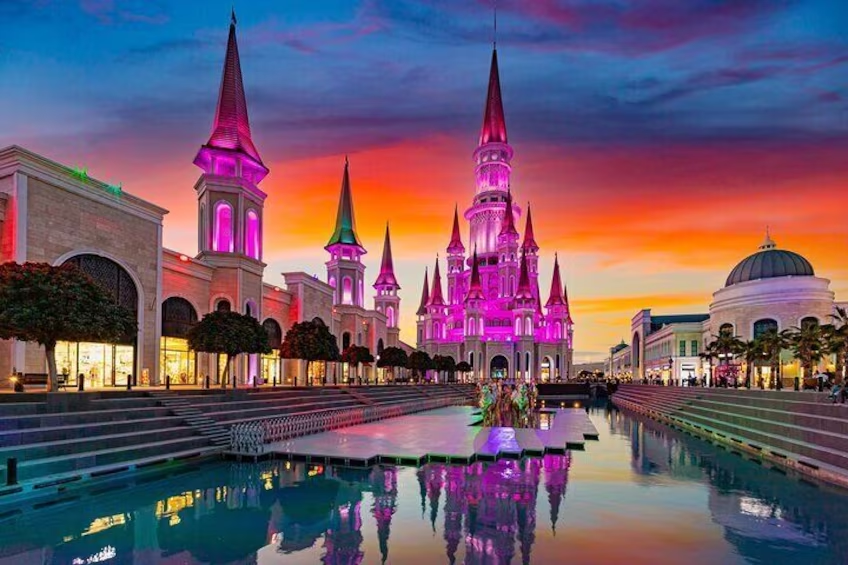
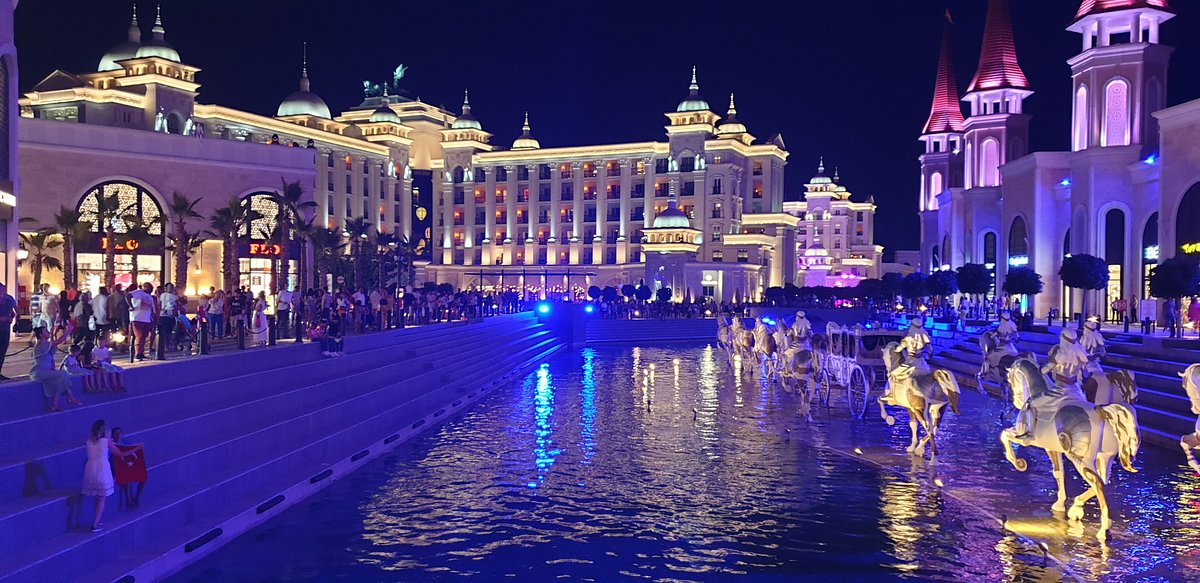
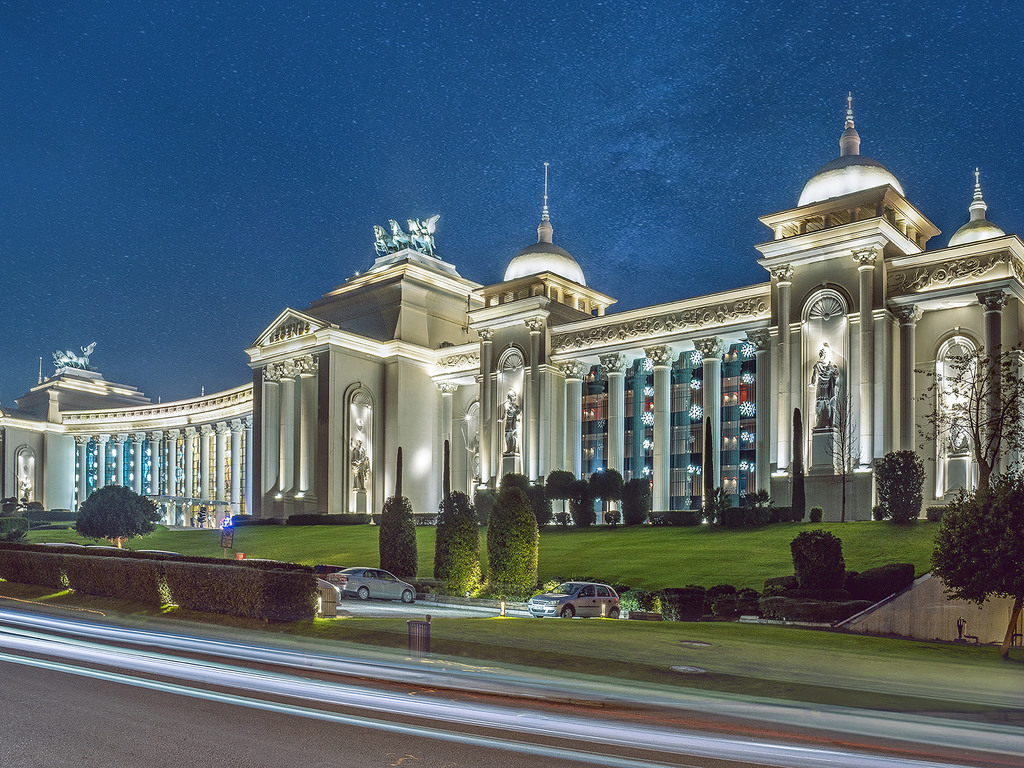
Land of Legends, located in Belek near Antalya, Turkey, is a sprawling entertainment complex and theme park designed to provide a fantastical and immersive experience for visitors of all ages. Often referred to as the "Turkish Disneyland," it offers a wide range of attractions, including thrilling rides, water slides, shopping, dining, and live shows.
Yivliminare Mosque
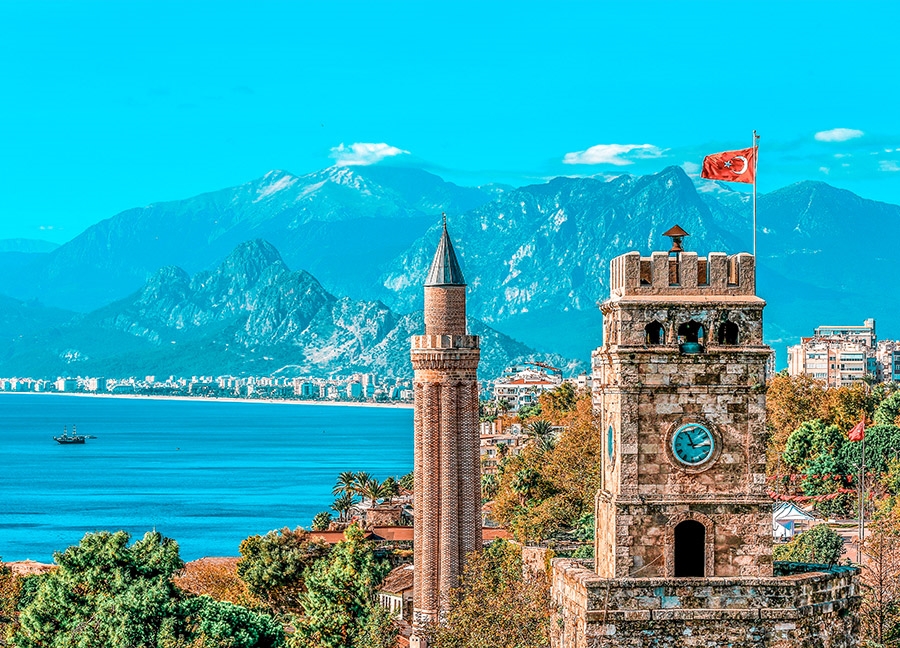
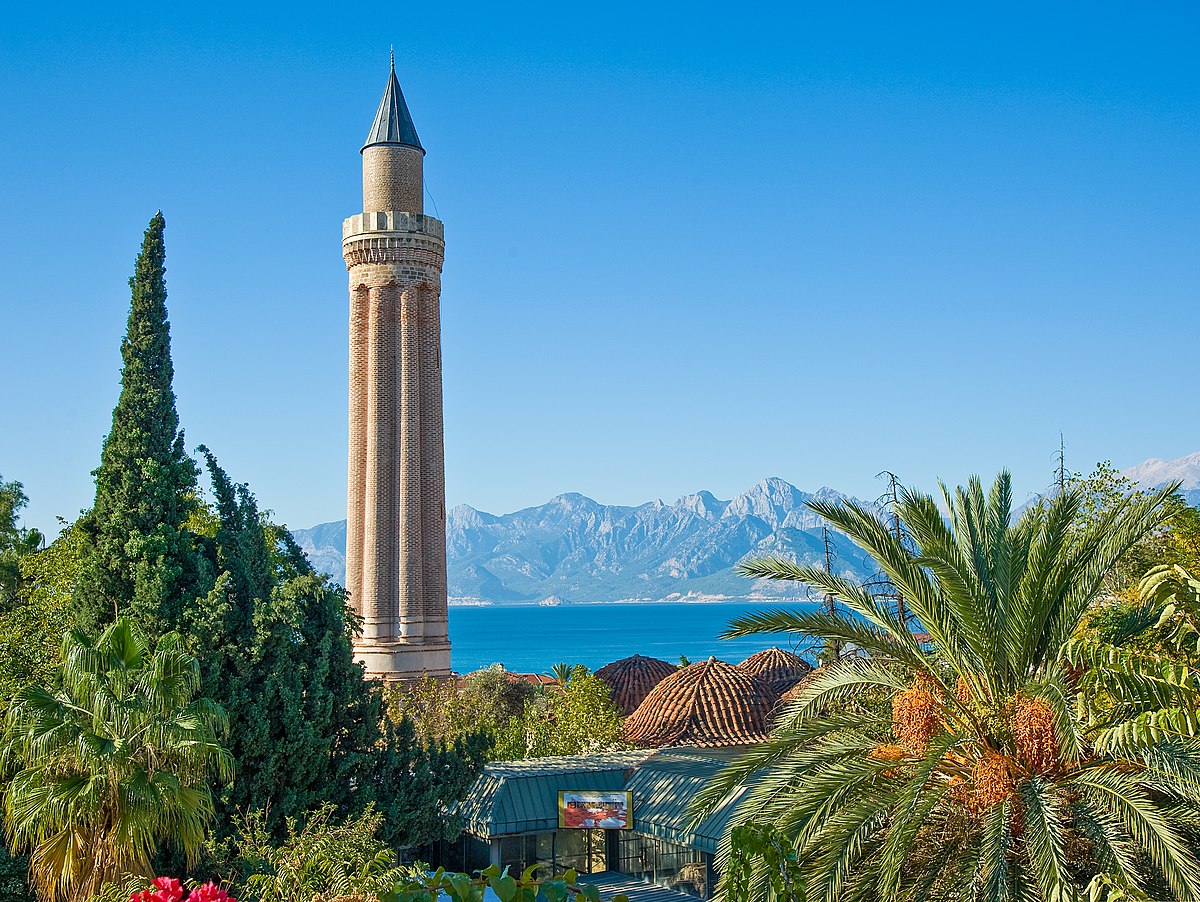
The Yivliminare Mosque, also known as the Alaaddin Mosque, is one of the most distinctive and historically significant landmarks in Antalya, Turkey. Constructed in the early 13th century by the Seljuk Sultan Alaaddin Keykubad I, the mosque is renowned for its unique fluted minaret, which stands at 38 meters high and features 90 steps leading to the top. This minaret, with its striking eight fluted sections, has become an iconic symbol of Antalya. The mosque complex includes a medrese (Islamic school), a dervish lodge, and tombs, reflecting the rich cultural and religious life of the Seljuk period. The Yivliminare Mosque itself has undergone several restorations over the centuries, blending different architectural styles and influences. Its historical significance and architectural beauty make it a must-visit for those exploring the rich Islamic heritage of the region.
Kesik Minare
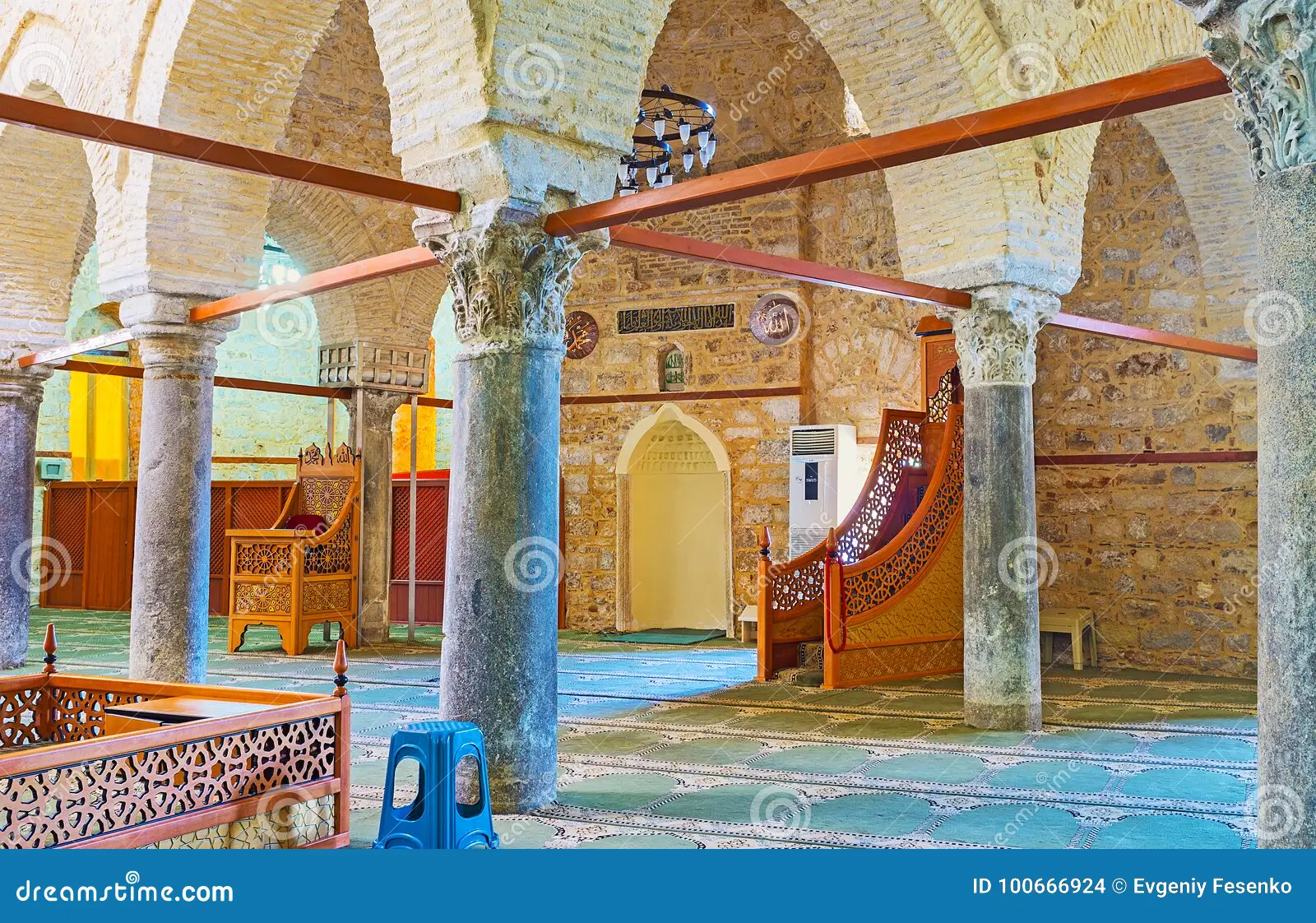
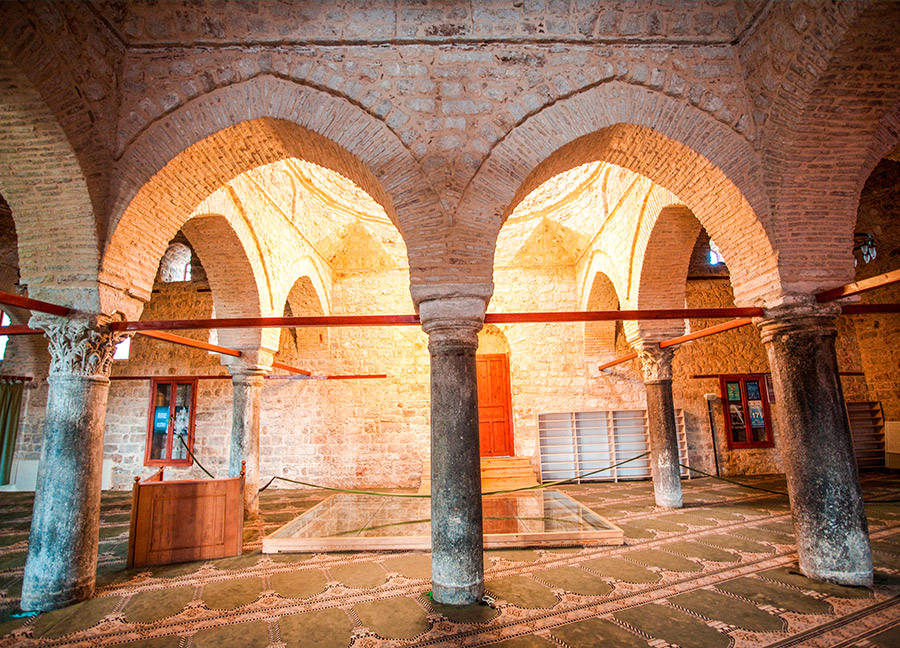
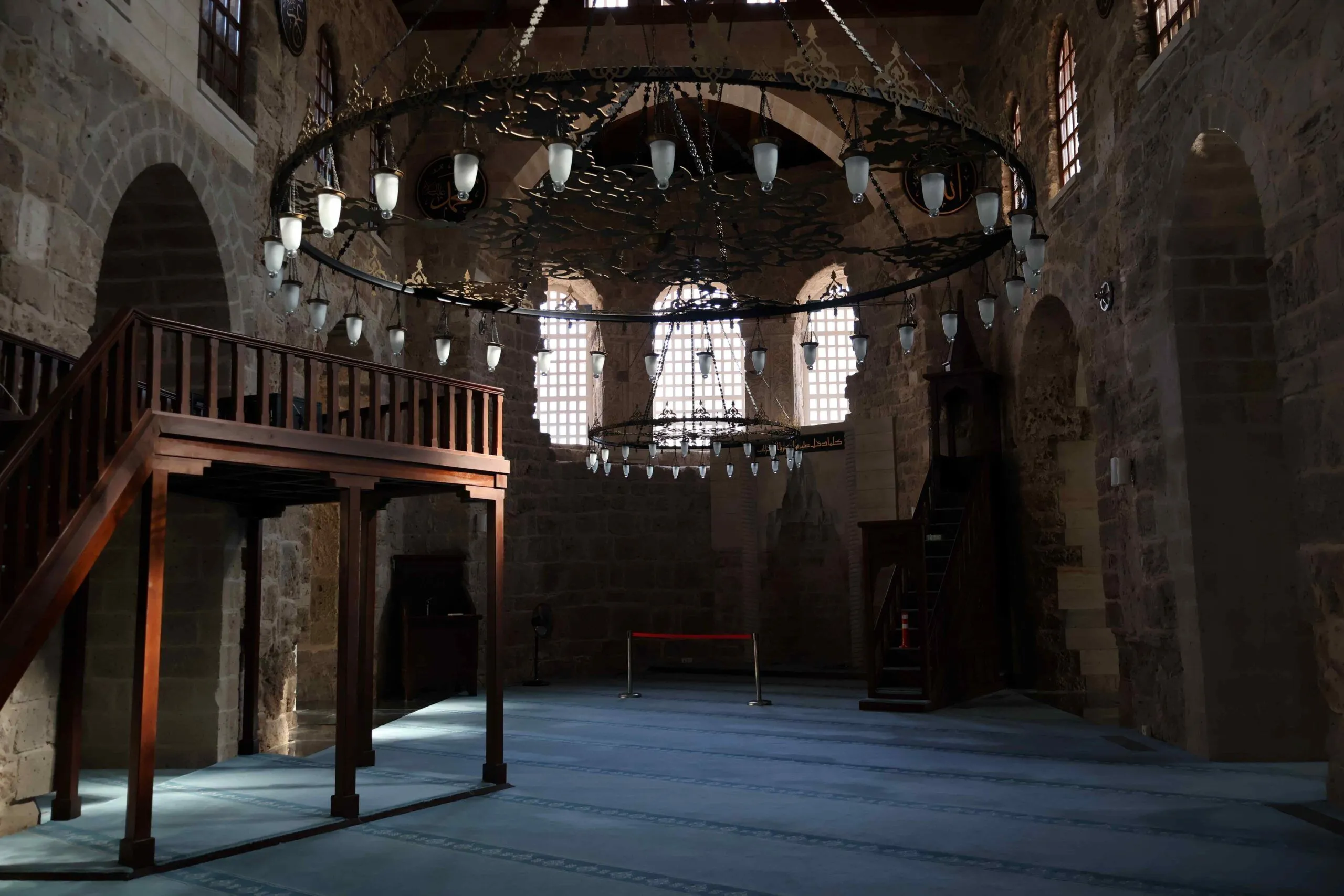
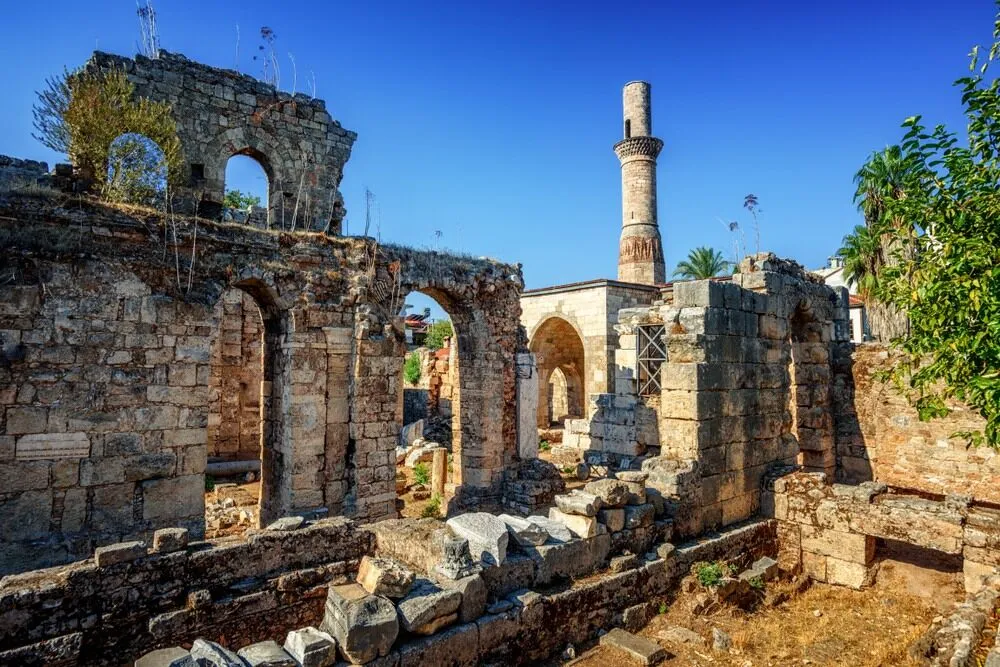
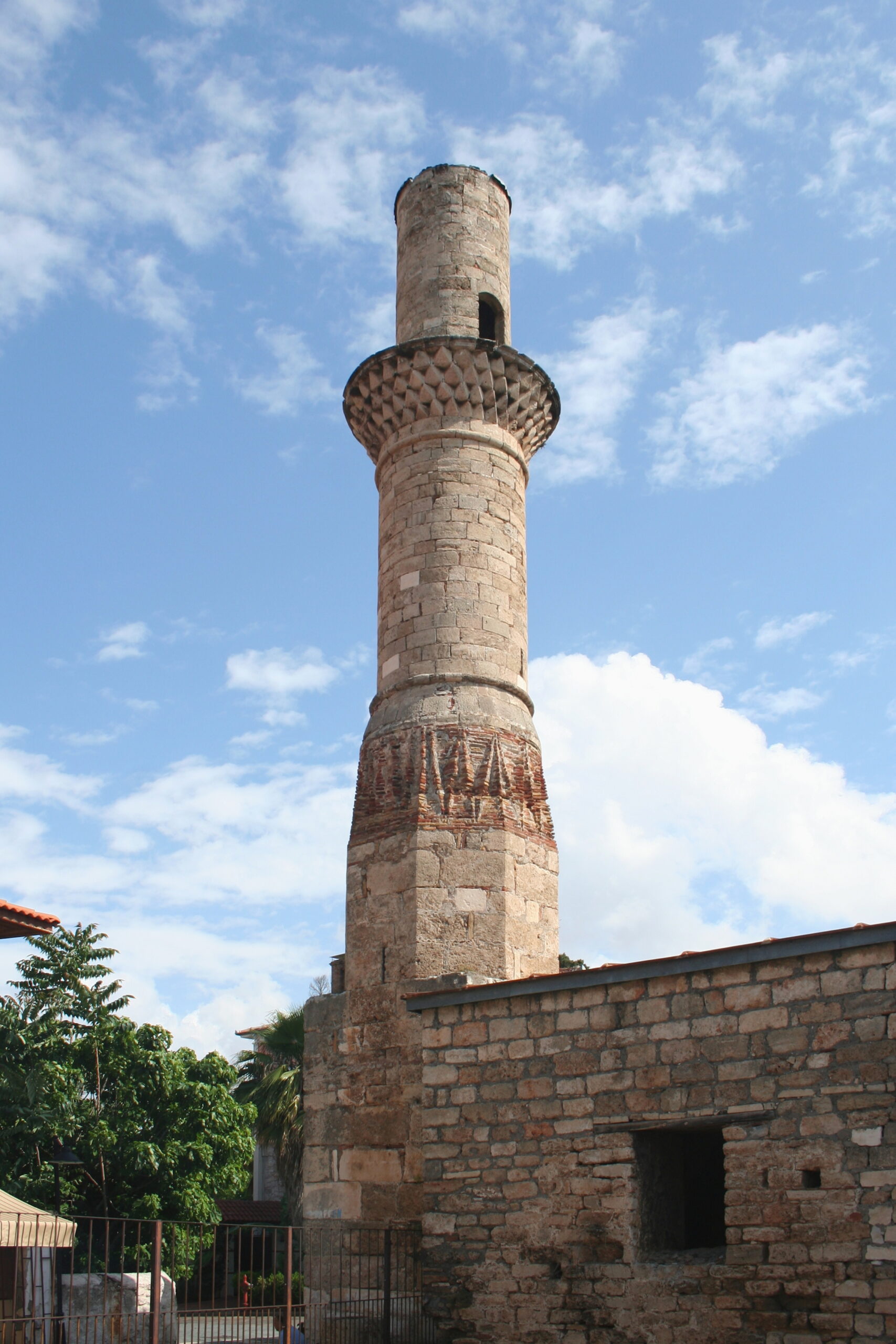
The Kesik Minare, or "Broken Minaret," is a remarkable historical site that reflects the city's layered past. Originally built as a Roman temple in the 2nd century AD, it was later converted into a Byzantine church dedicated to the Virgin Mary in the 5th century. During the Seljuk period in the 13th century, the church was transformed into a mosque, and a minaret was added. The name "Kesik Minare" comes from a fire in the 19th century that partially destroyed the minaret, leaving it truncated. Despite its incomplete state, the Kesik Minare stands as a symbol of Antalya's diverse religious and cultural history, showcasing elements from Roman, Byzantine, and Islamic architecture. Today, it is a poignant reminder of the city's rich and varied heritage, attracting visitors who seek to explore the intertwining stories of different civilizations.
KAS
Republic Square
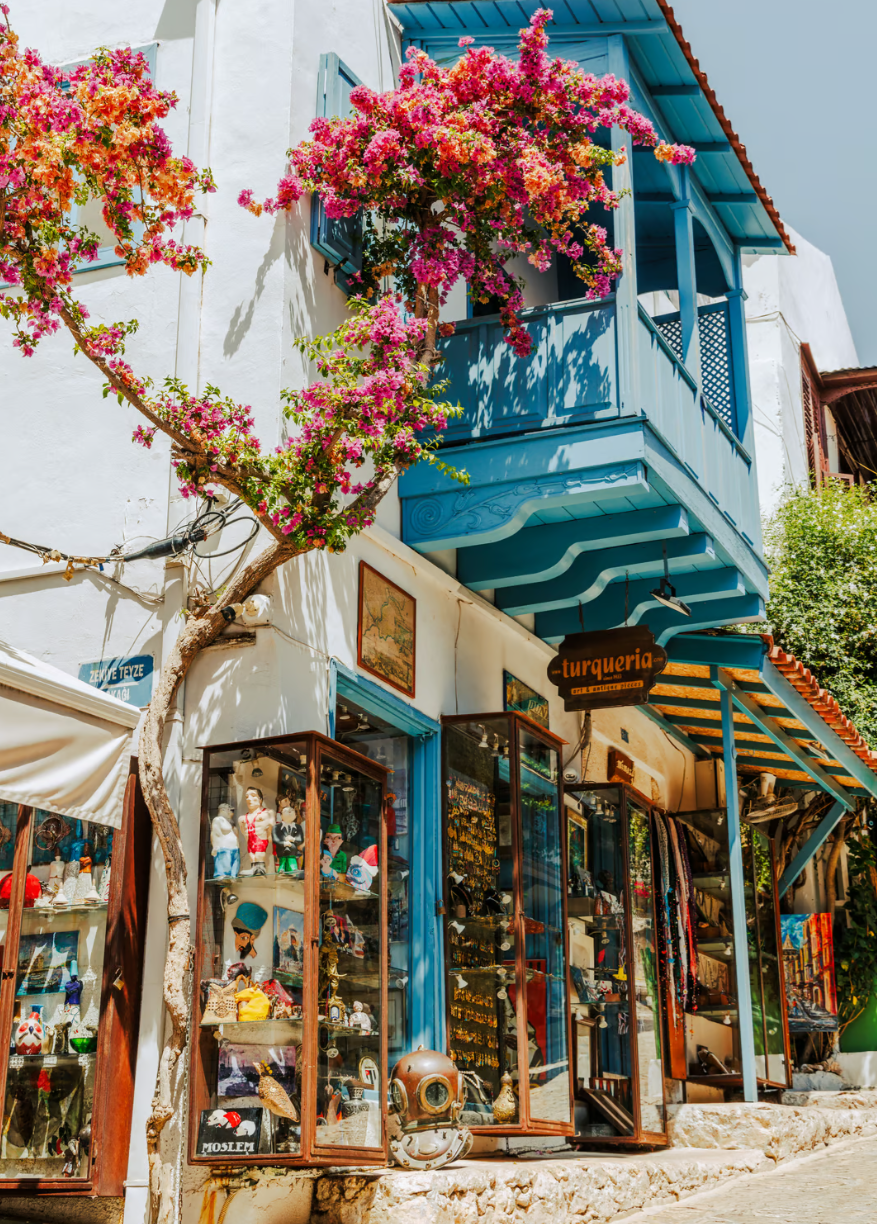
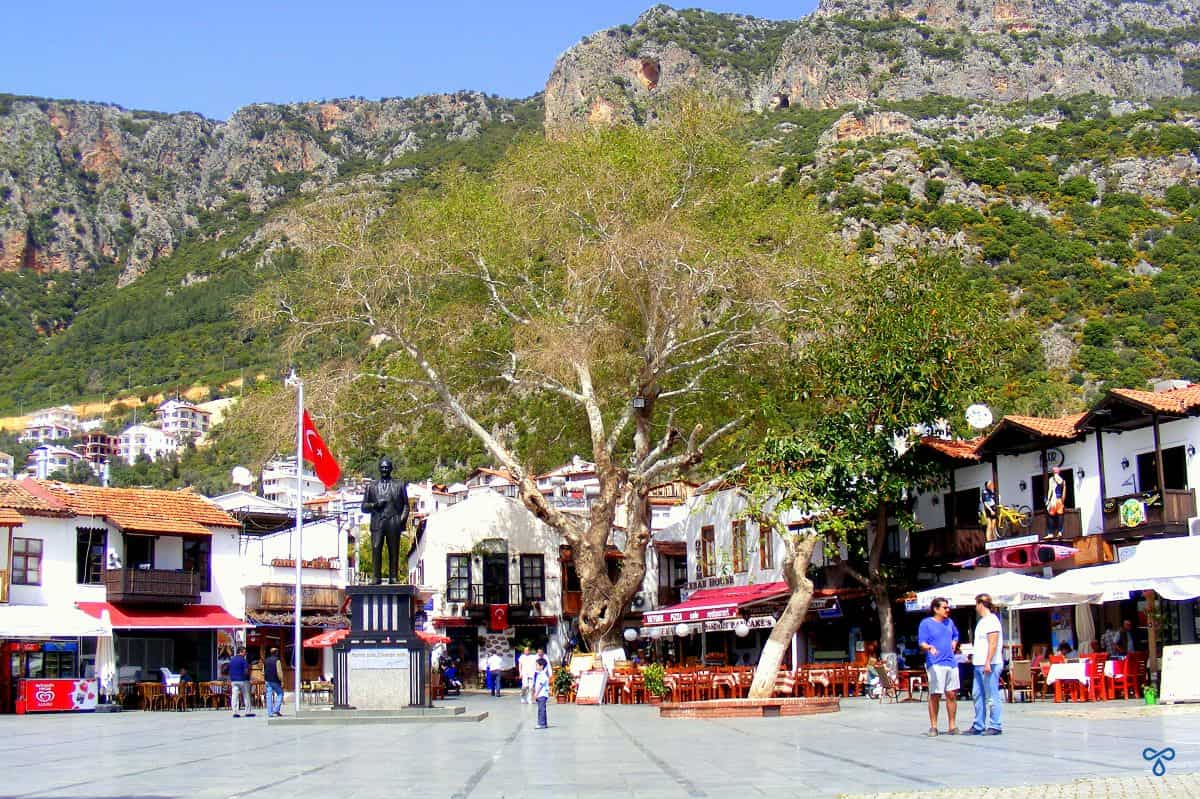
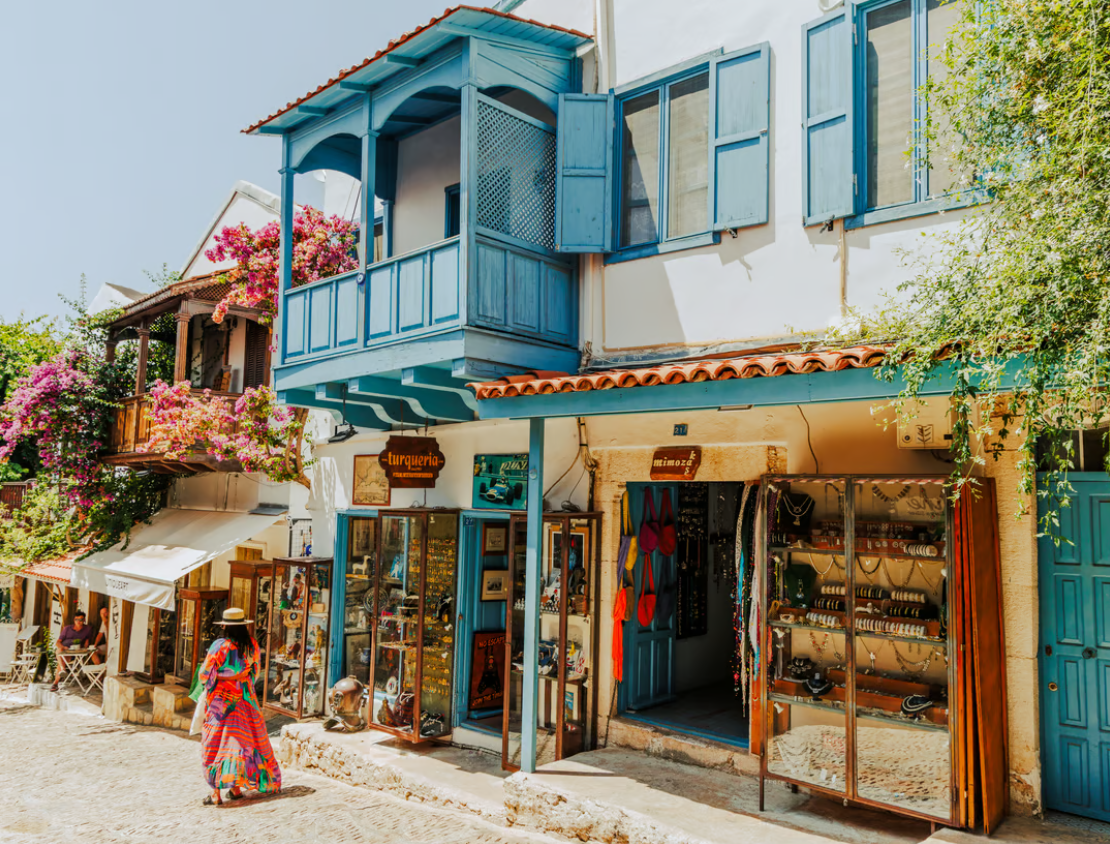
Republic Square (Cumhuriyet Meydanı) is a charming and lively public space that serves as the heart of this picturesque coastal town. Known for its relaxed and welcoming atmosphere, the square is a focal point for both locals and visitors, offering a blend of cultural experiences and scenic beauty.
Üçağız
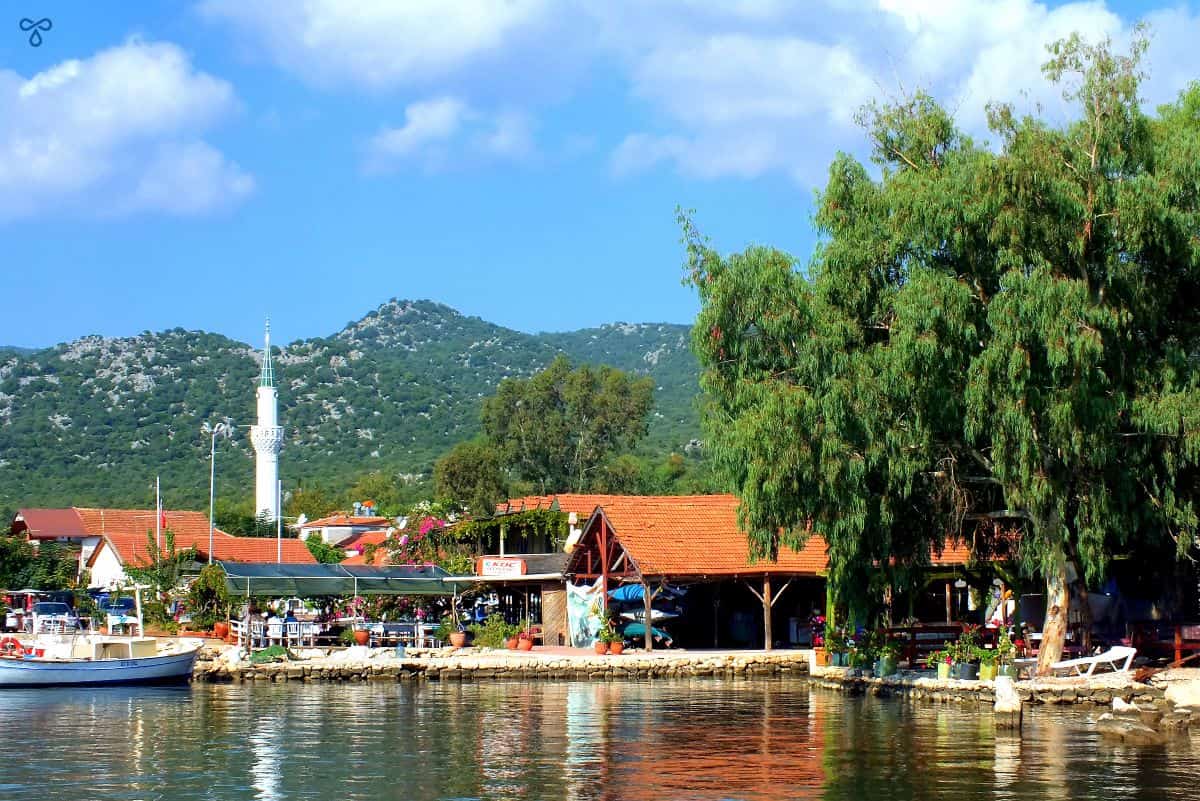
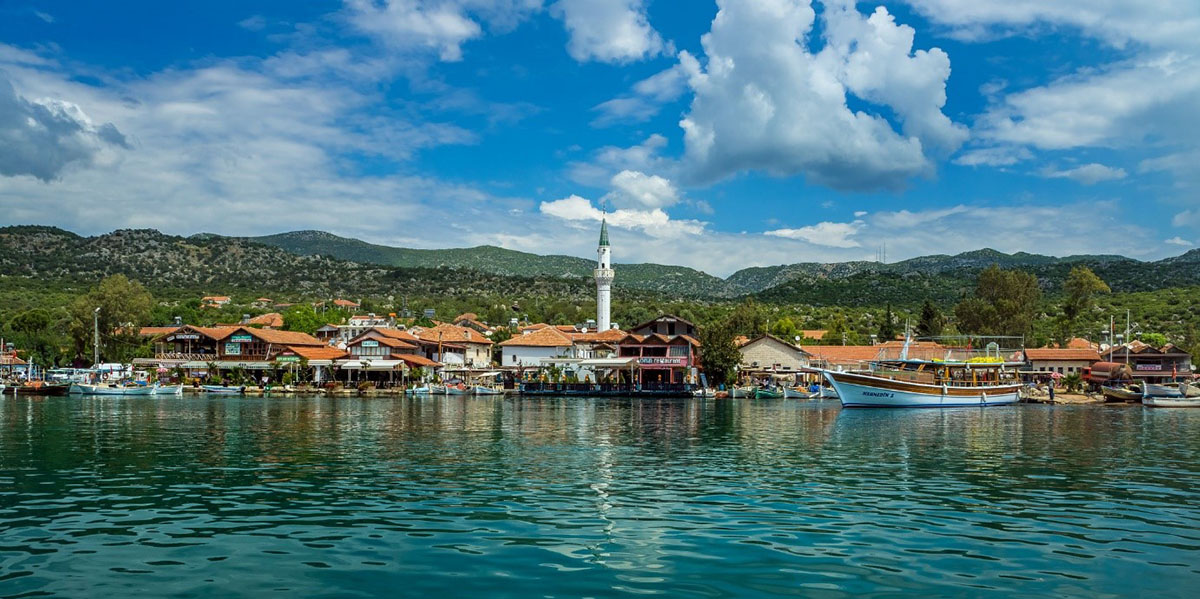
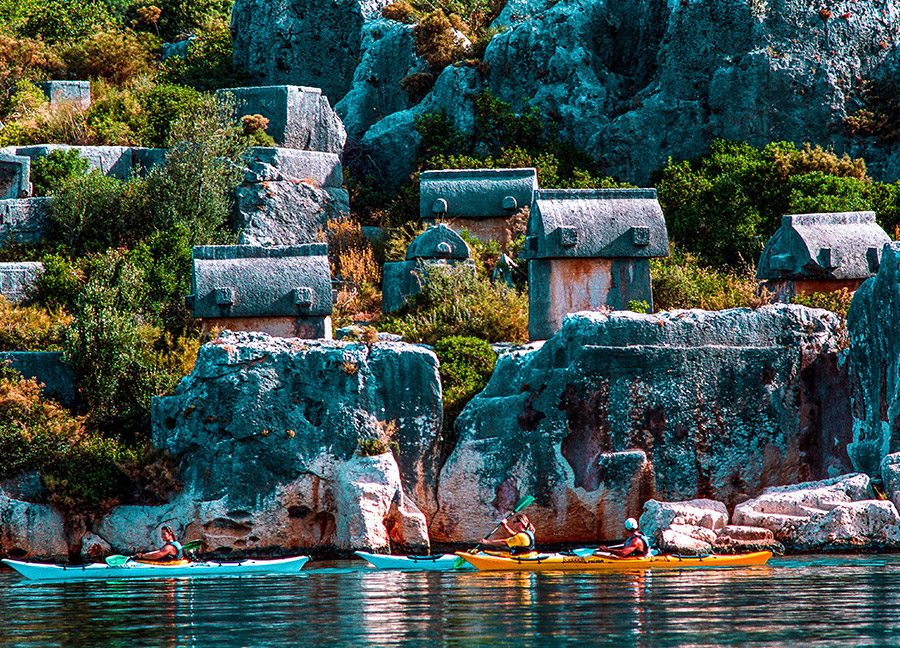
Üçağız, also known as Theimussa in ancient times, is a picturesque village nestled along a serene bay and is known for its rich history, beautiful scenery, and tranquil ambiance. Üçağız is surrounded by the ruins of the ancient Lycian city of Theimussa. Visitors can explore the remnants of ancient tombs, sarcophagi, and ruins scattered around the village, providing a fascinating glimpse into the region's rich past.
Kaleköy (Simena)
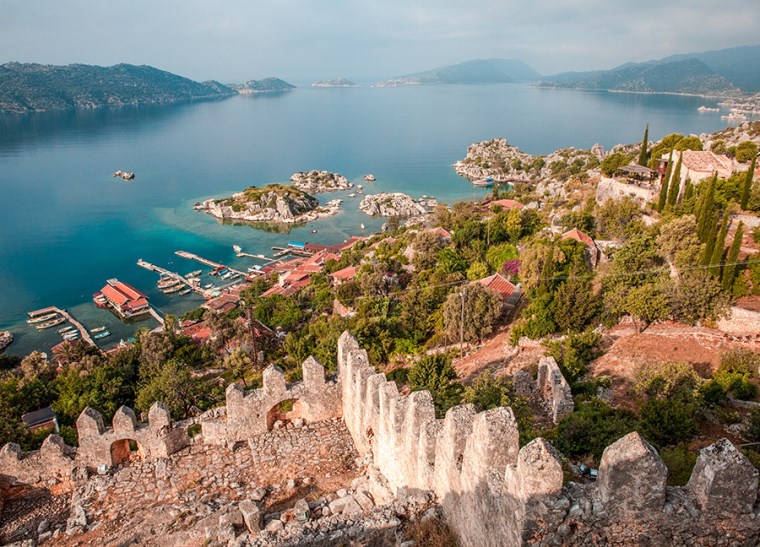
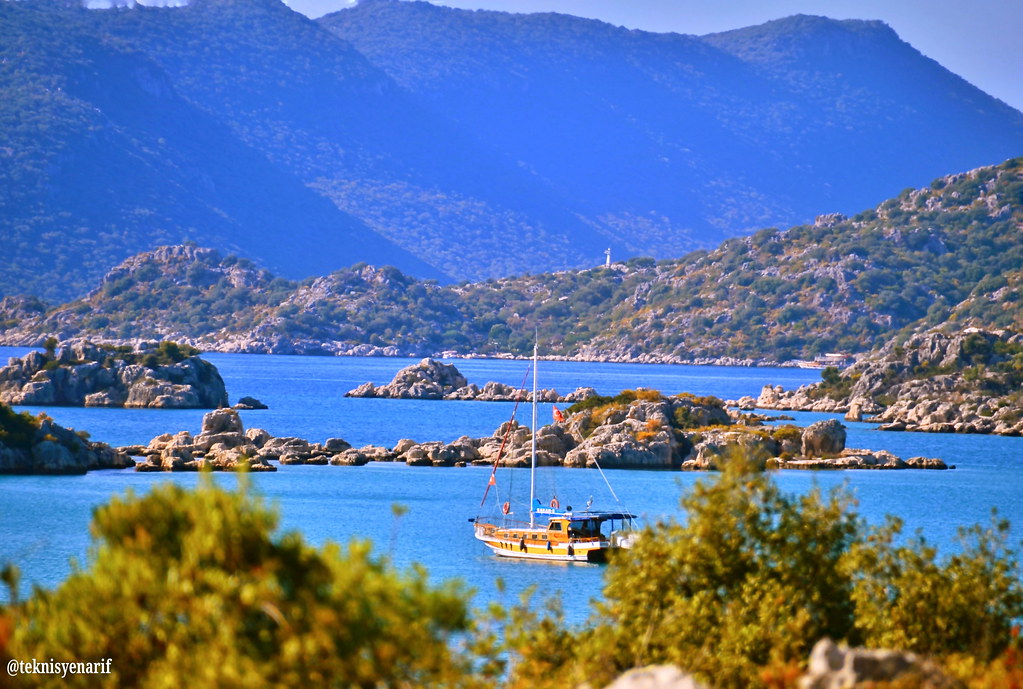
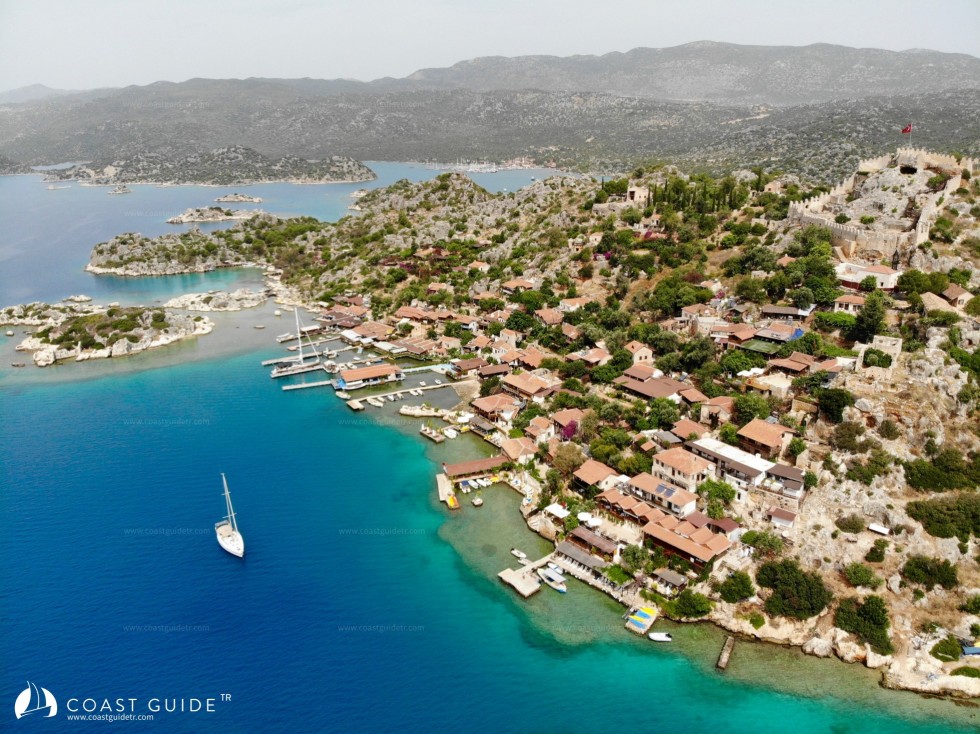
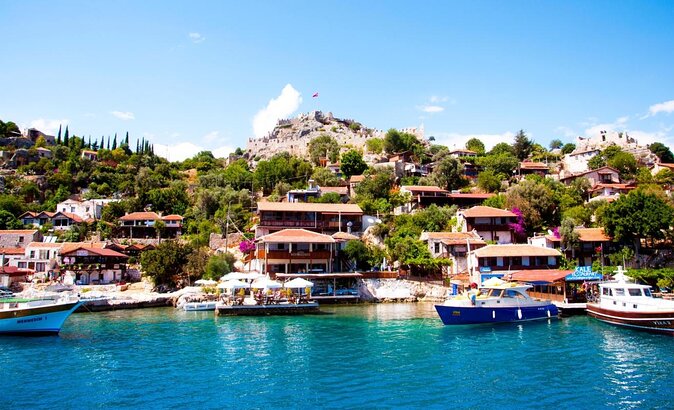
Kaleköy, also known as ancient Simena, is a picturesque village located on the Lycian coast. This charming seaside village is known for its historical ruins, stunning views, and serene atmosphere, making it a popular destination for travelers seeking both cultural exploration and natural beauty.he highlight of Kaleköy is the ancient Simena Castle, perched atop a hill overlooking the village and the turquoise waters of the Mediterranean Sea. The castle, dating back to the 4th century BC, offers panoramic views of the surrounding area, including the Kekova Island and the sunken city. Visitors can explore the ruins of the castle, including its ancient walls and a small theater carved into the rock.
Blue Cave (Photsaliki)
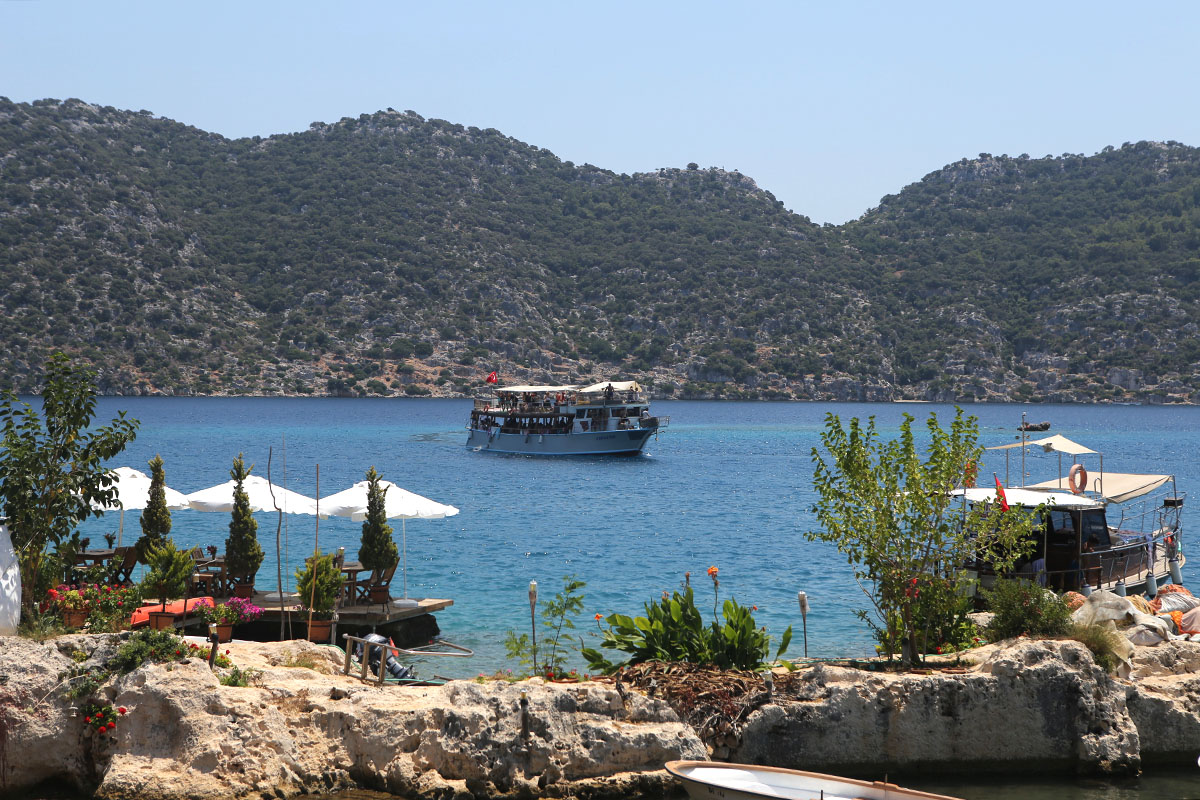
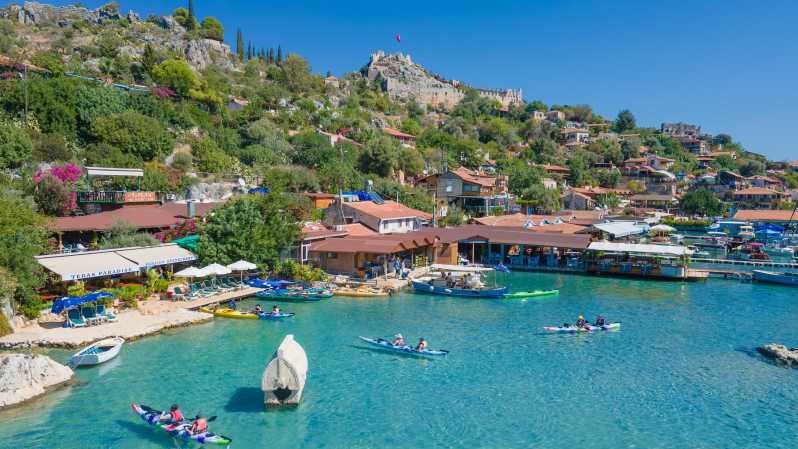
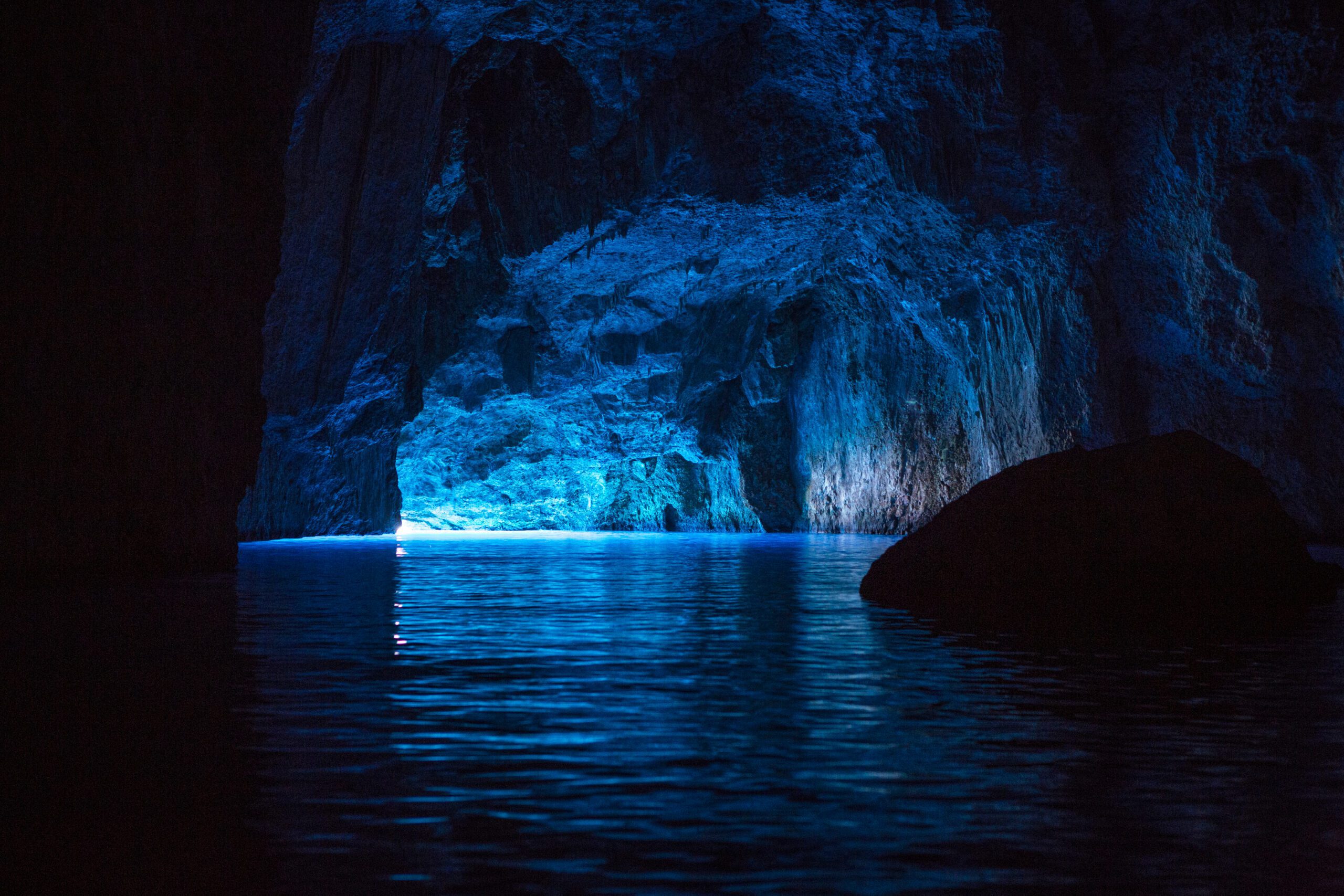
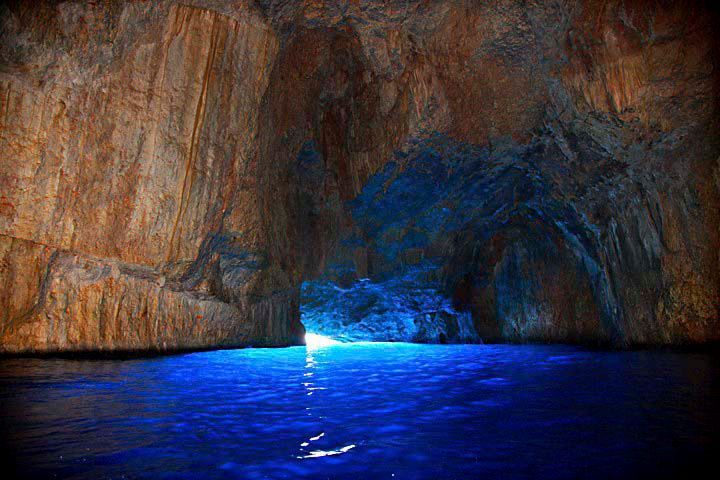
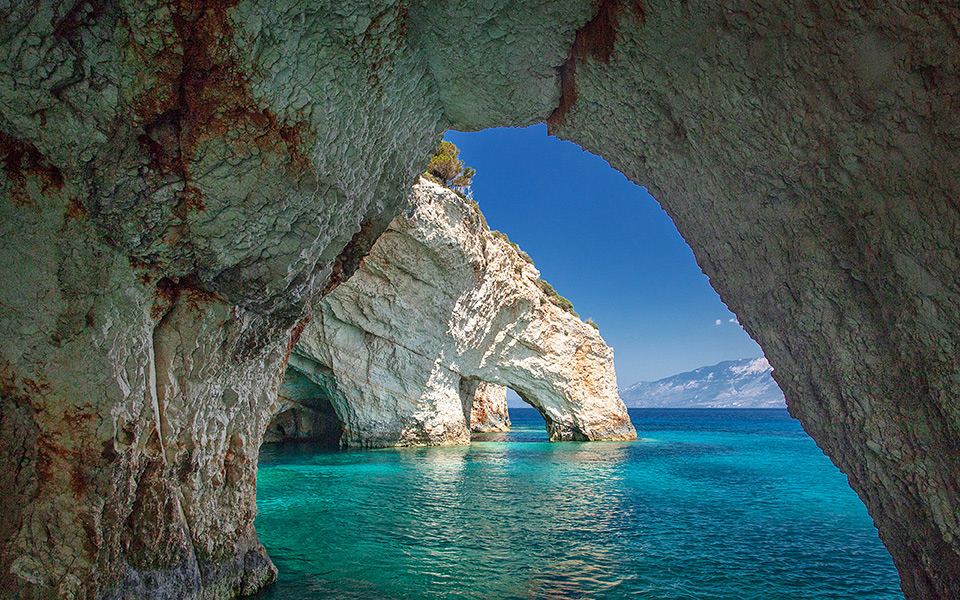
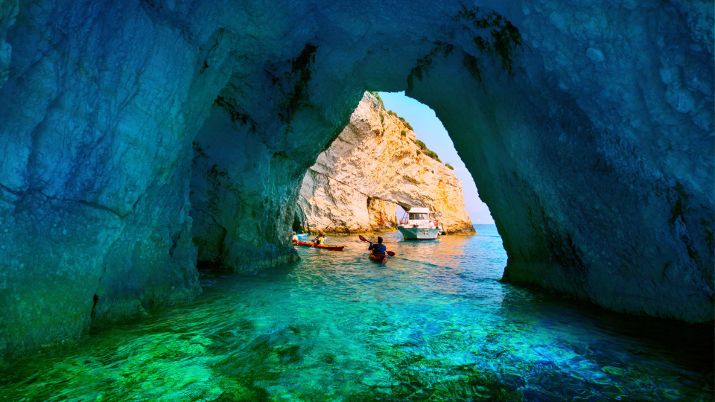
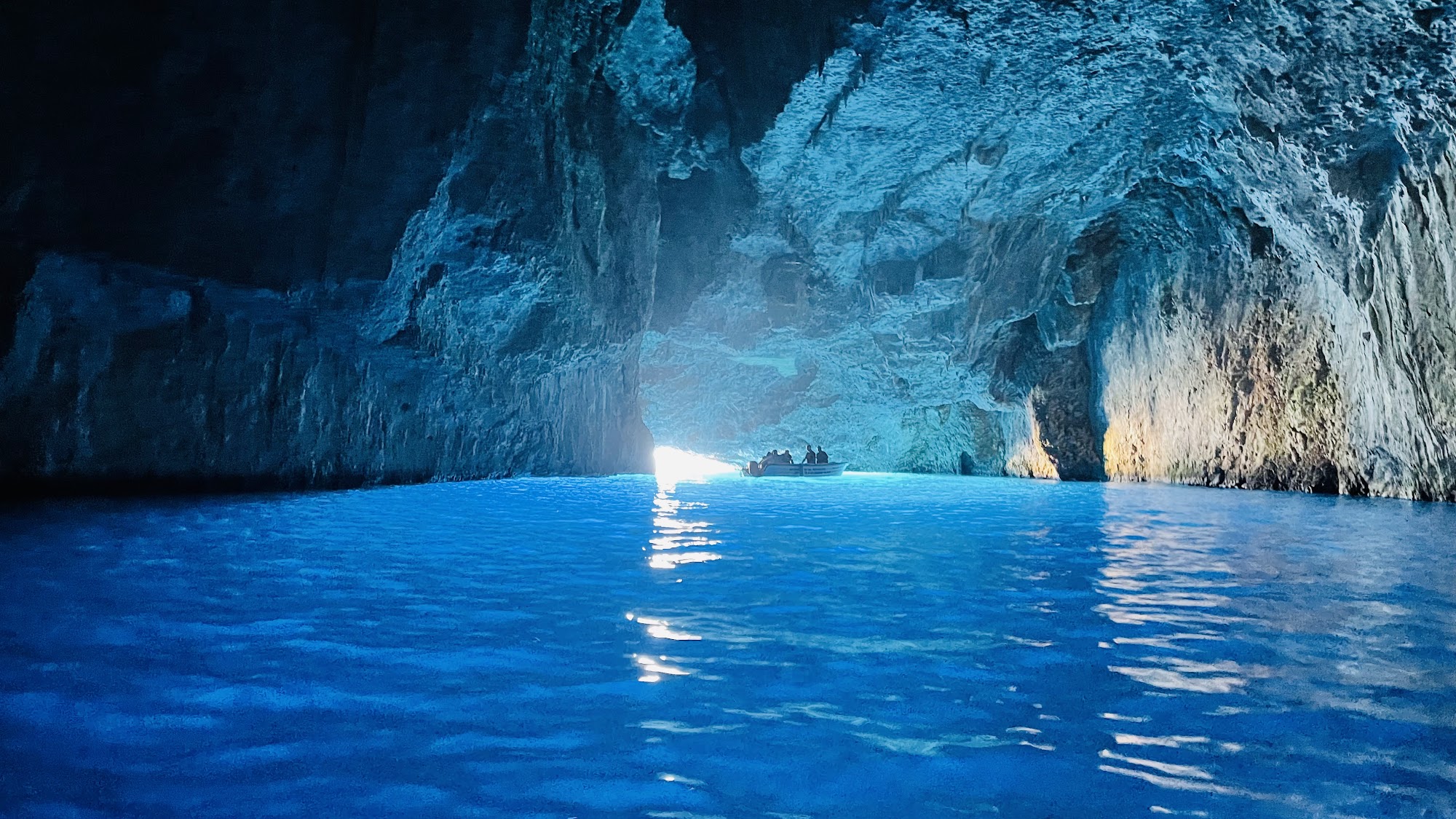
The Blue Cave, known locally as Photsaliki, is a mesmerizing sea cave located on the island of Kastellorizo (Meis) in the Dodecanese archipelago of Greece, close to the Turkish coast near Kaş. This stunning natural wonder is famous for its striking blue waters and ethereal beauty, making it a popular destination for visitors seeking a unique and enchanting experience.
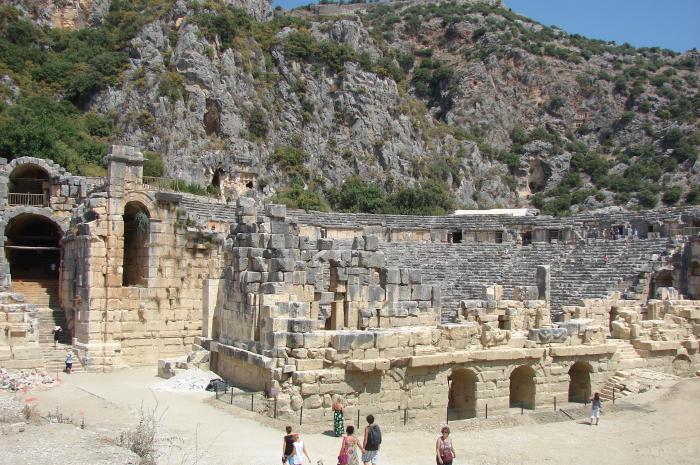
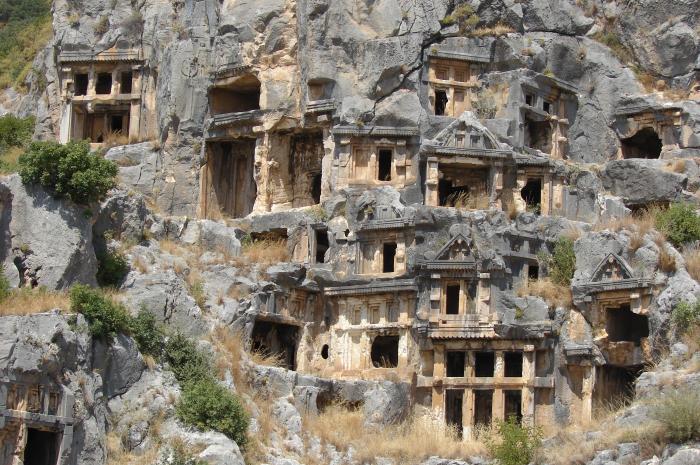
Cliff Tombs (Telmessos)
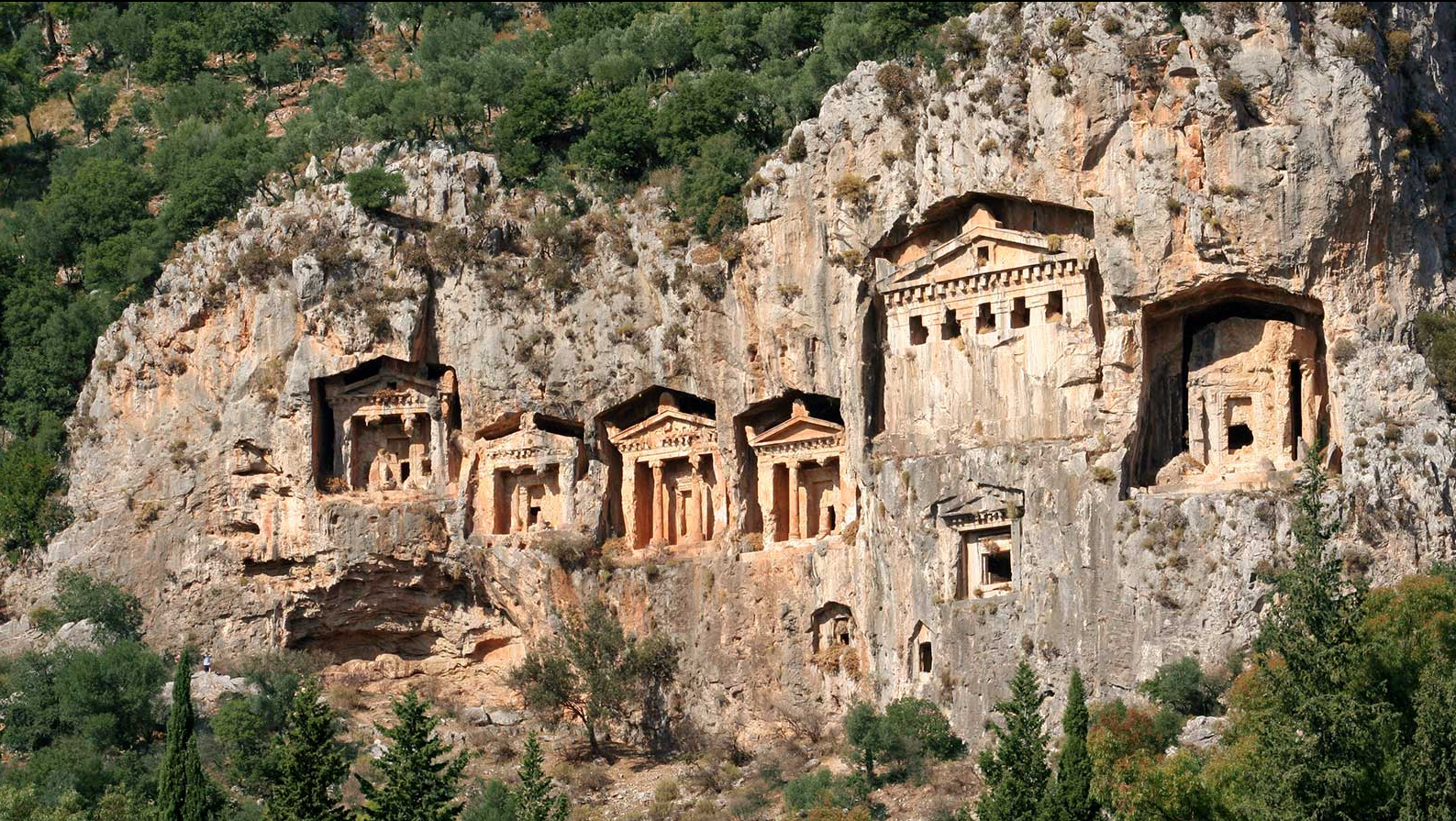
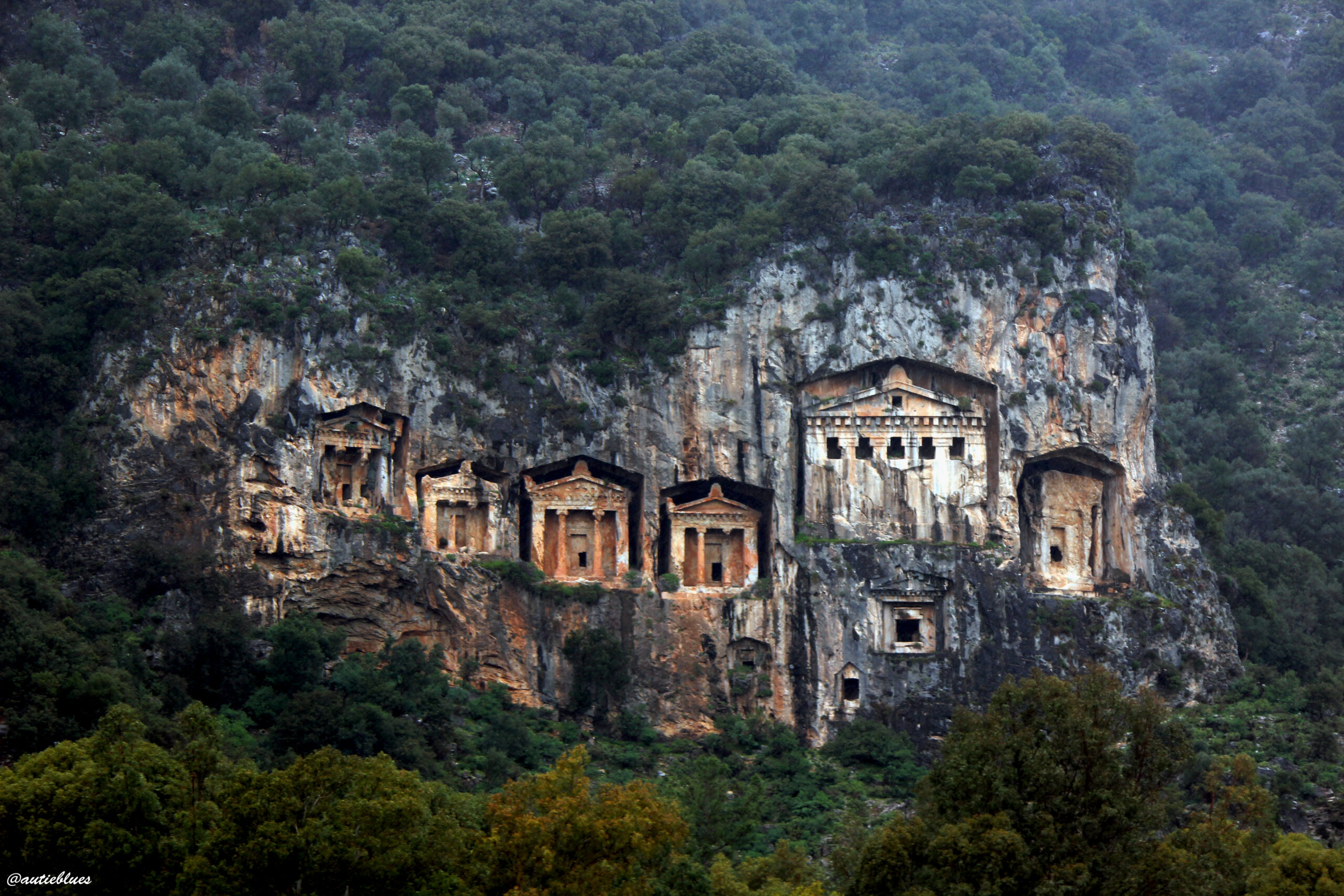
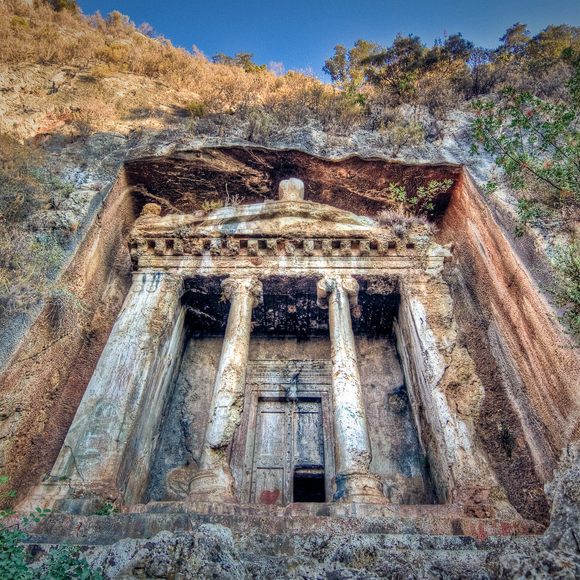
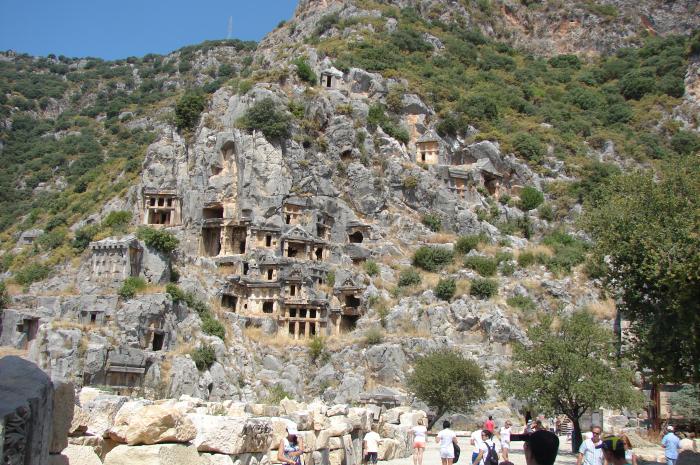
The cliff tombs are remarkable archaeological features carved directly into the rock faces of cliffs. These tombs are a testament to the sophisticated funerary practices and architectural ingenuity of ancient civilizations, particularly the Lycians. These tombs date back to around the 4th century BCE, during the peak of Lycian civilization. They reflect the influence of Greek architecture and the importance of burial practices in Lycian culture. The Lycians believed that their dead would be transported to the afterlife by winged creatures, so the high placement of the tombs was significant.
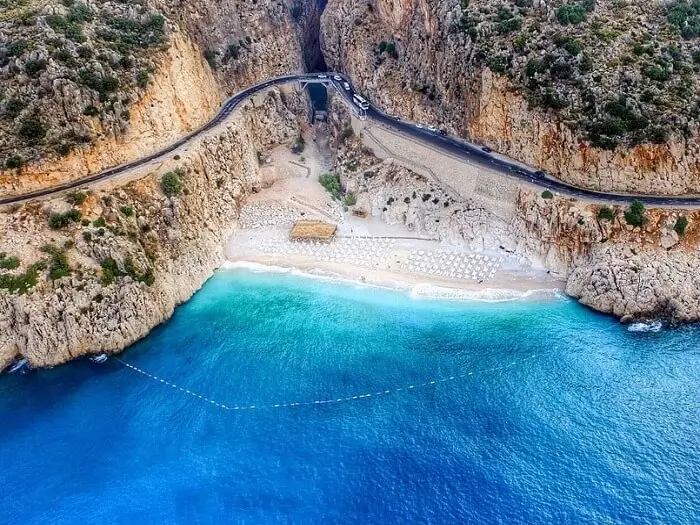
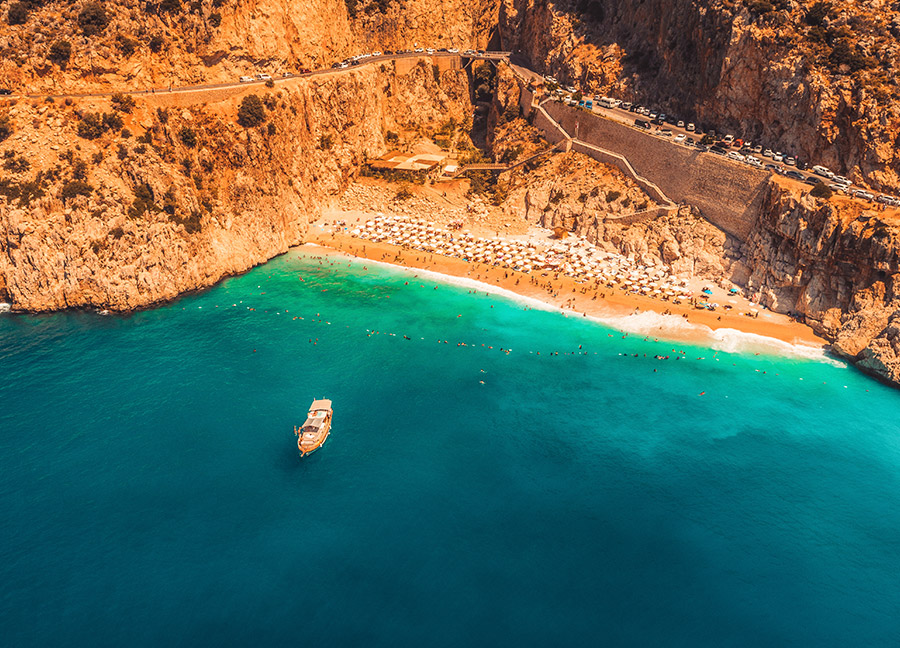
Kekova Island
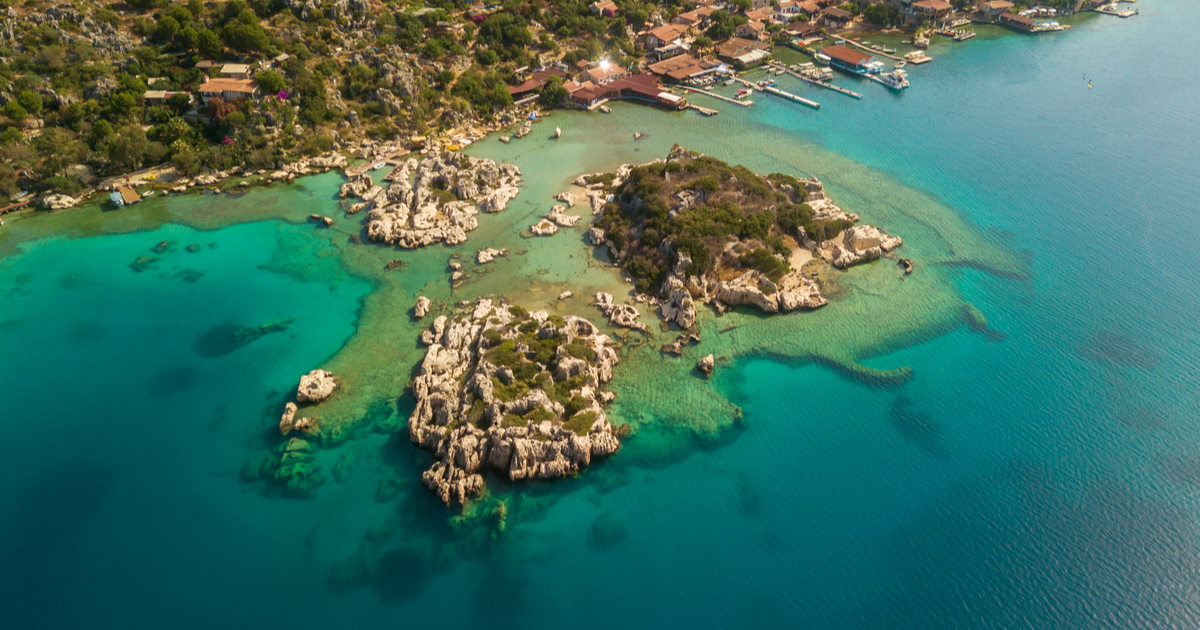
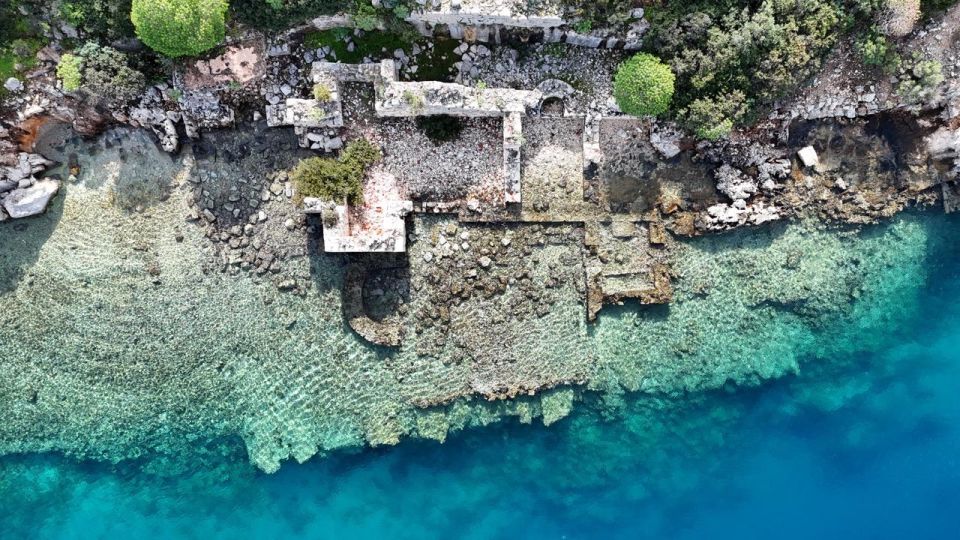
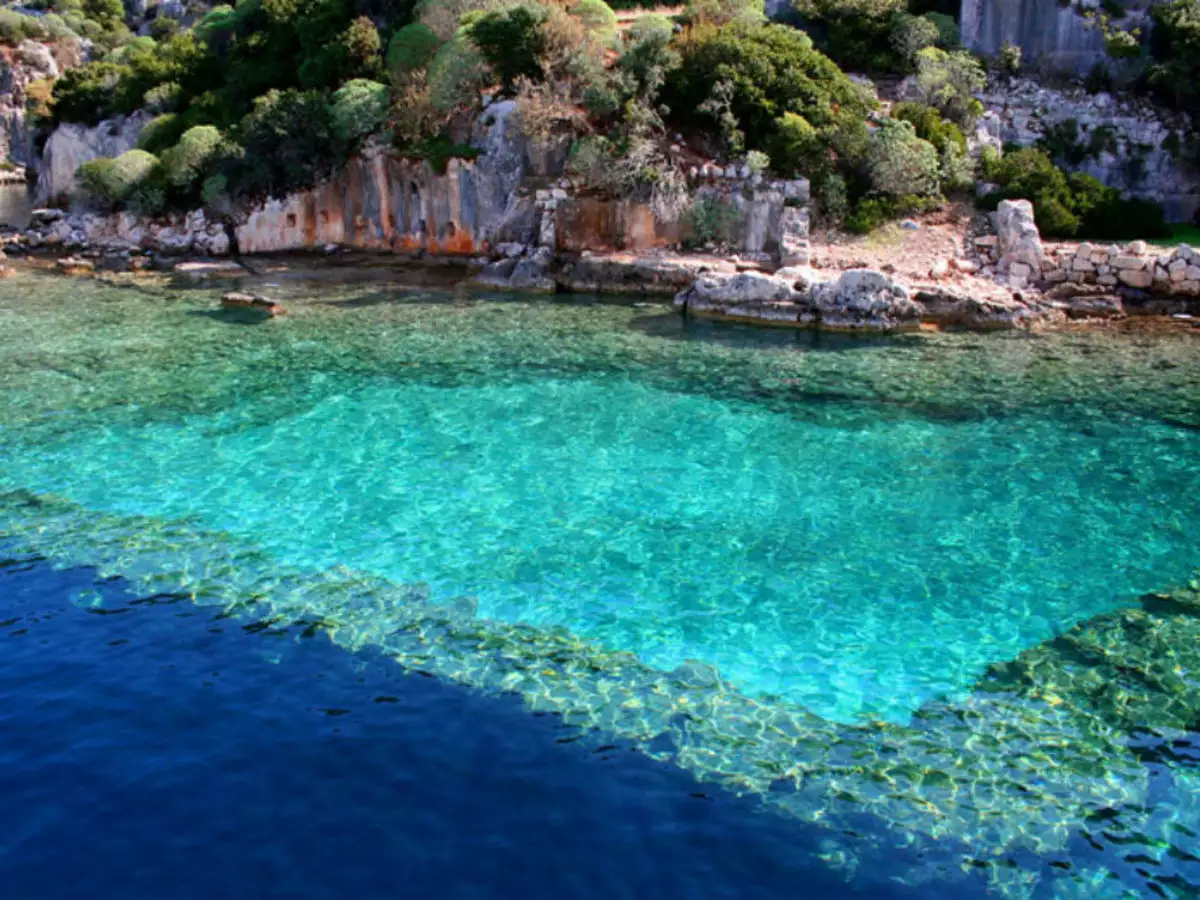
Kekova Island is a captivating destination known for its rich history, stunning natural beauty, and the famous sunken city of Kekova. This small, uninhabited island offers visitors a unique combination of archaeological intrigue and scenic landscapes. The most renowned attraction on Kekova Island is the ancient Lycian city, parts of which were submerged following a series of earthquakes in the 2nd century AD. The ruins of buildings, streets, and staircases can be seen below the crystal-clear waters, creating a fascinating underwater archaeological site. Boat tours with glass-bottom boats or kayaks allow visitors to view the submerged ruins from above the water.
Megisti Island (Kastellorizo)
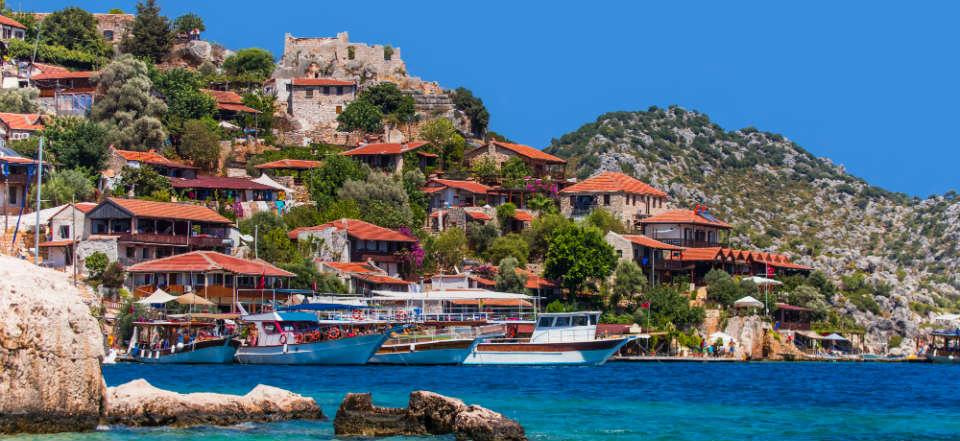
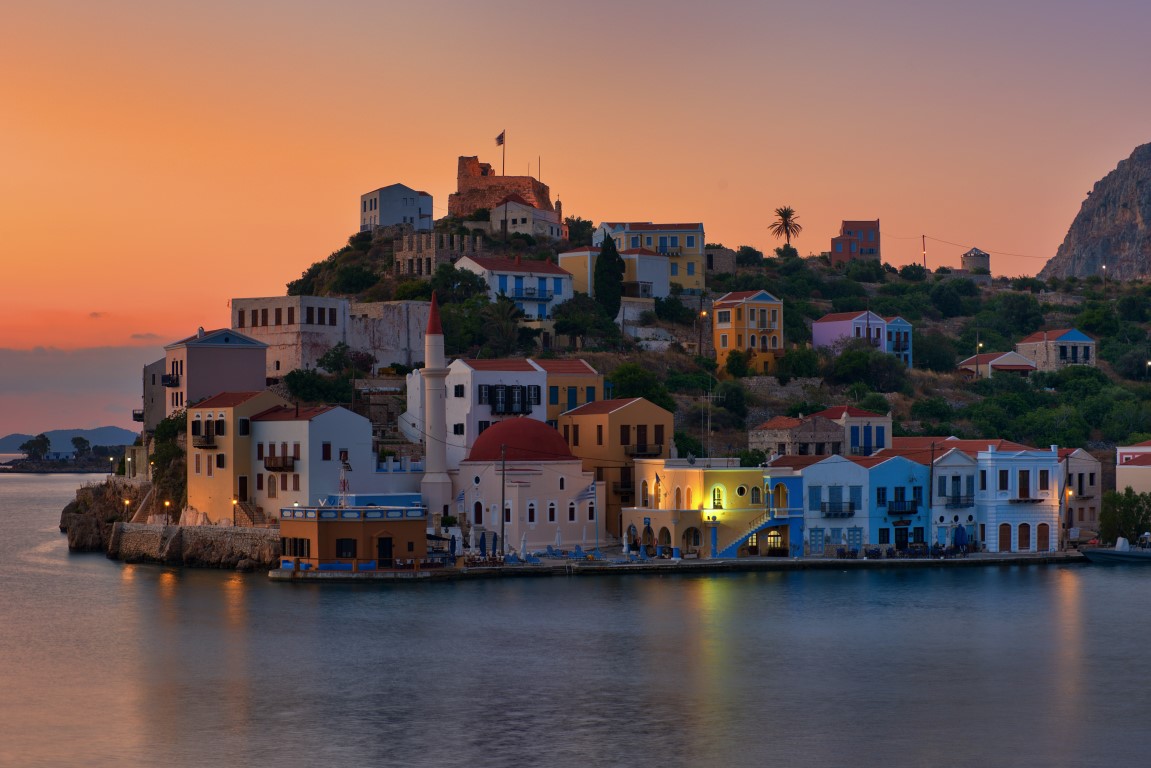
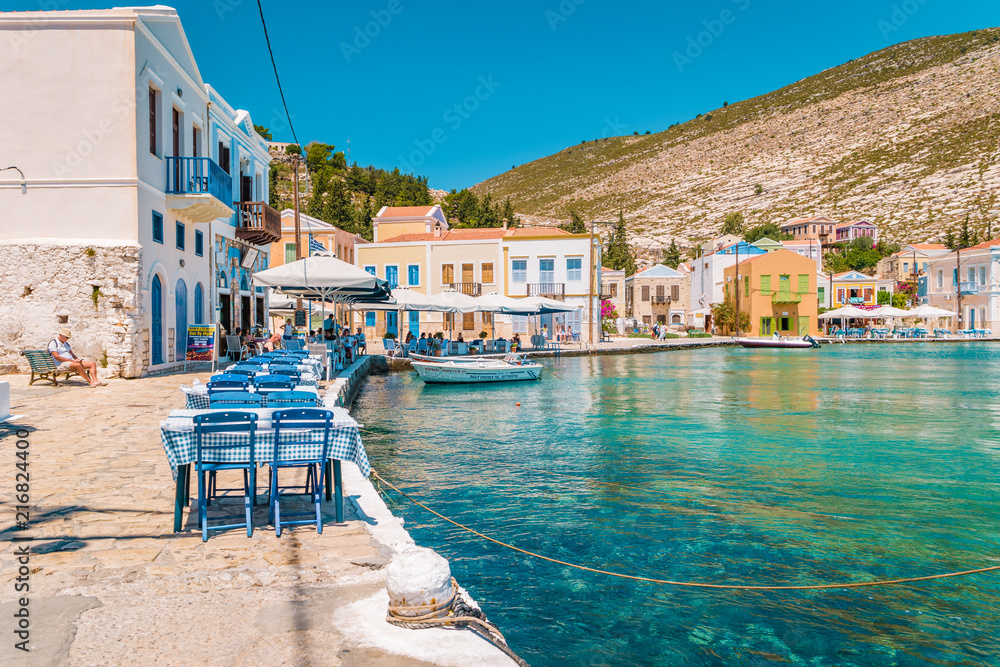
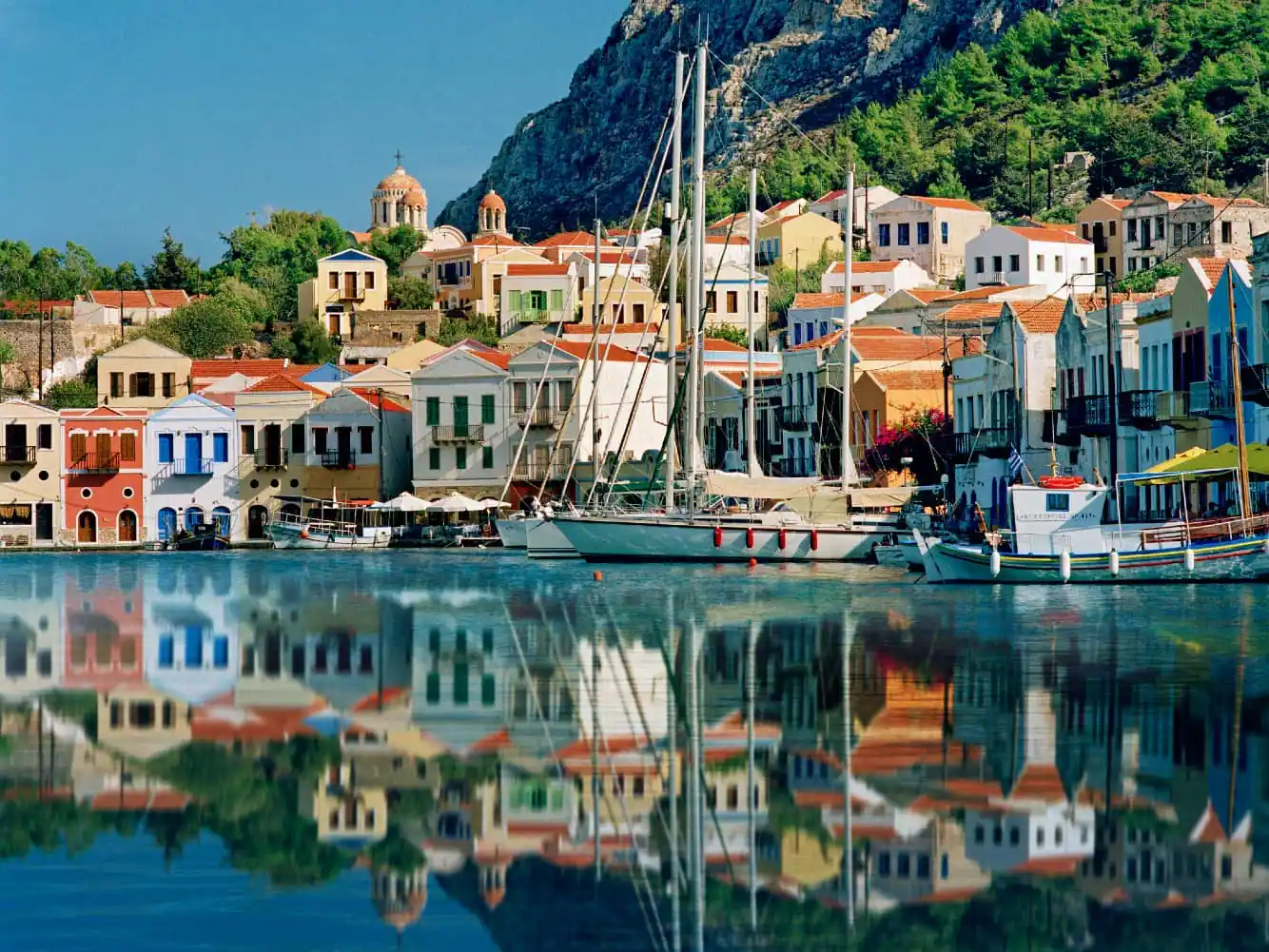
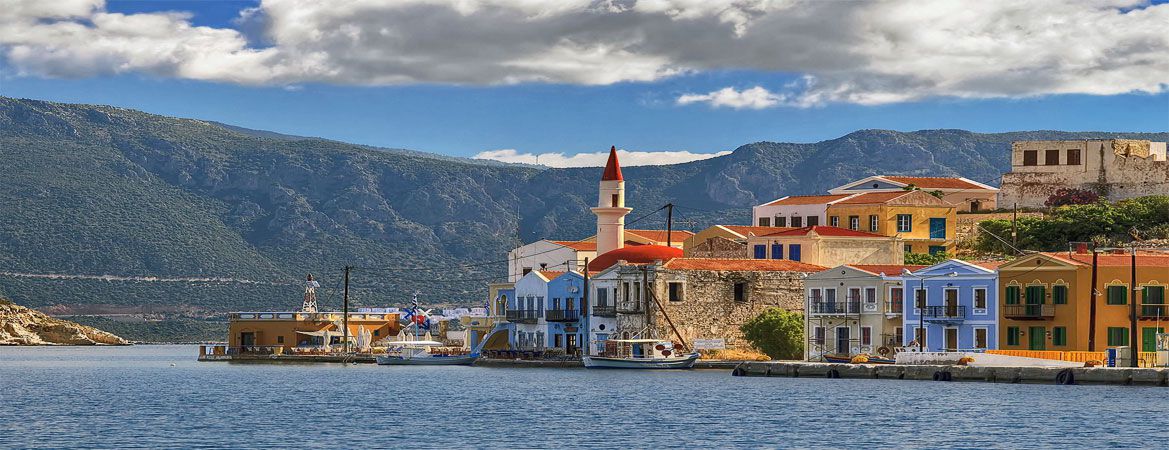
Megisti Island, also known as Kastellorizo in Greek, is a small but historically rich island located in the eastern Mediterranean, just off the southern coast of Turkey near Kaş. This Greek island is renowned for its picturesque harbor, vibrant cultural heritage, and beautiful natural surroundings. Kastellorizo has a rich history dating back to ancient times. Key historical sites include the Castle of the Knights of St. John, which offers panoramic views of the harbor, and the Lycian Tomb, carved into the rock and reflecting the island's ancient past.
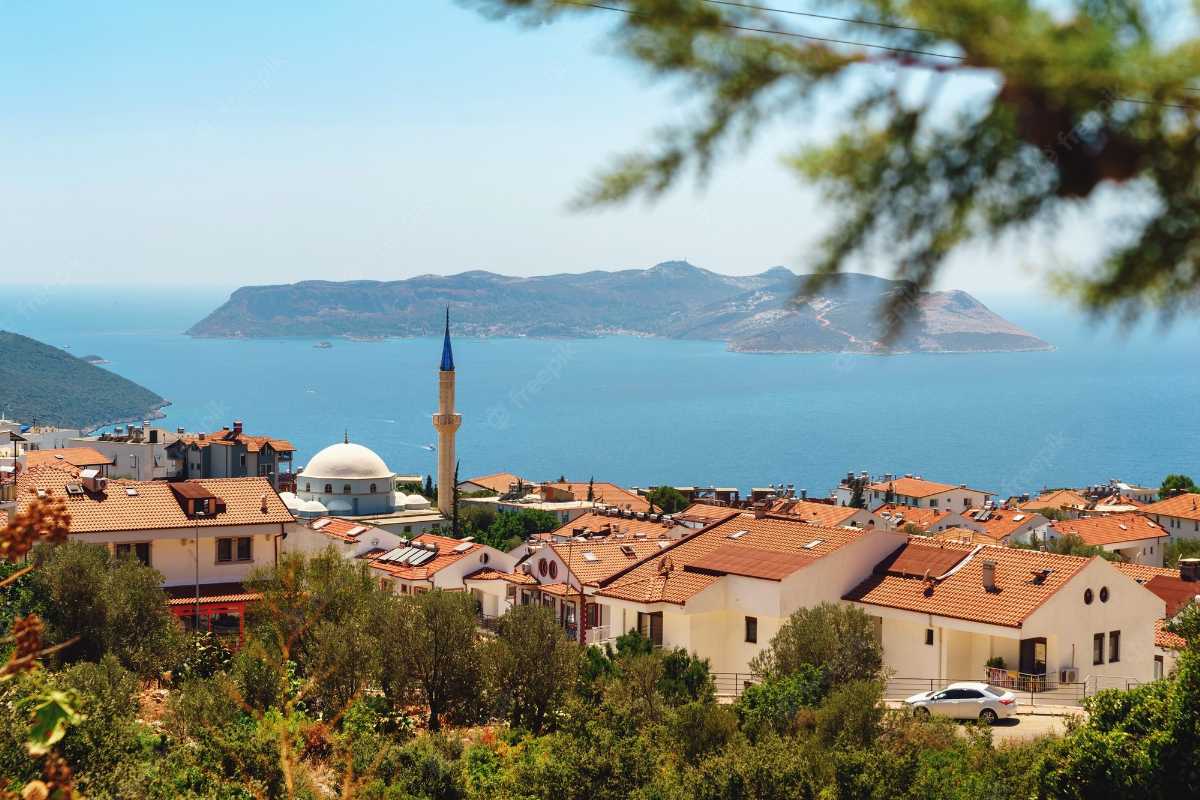
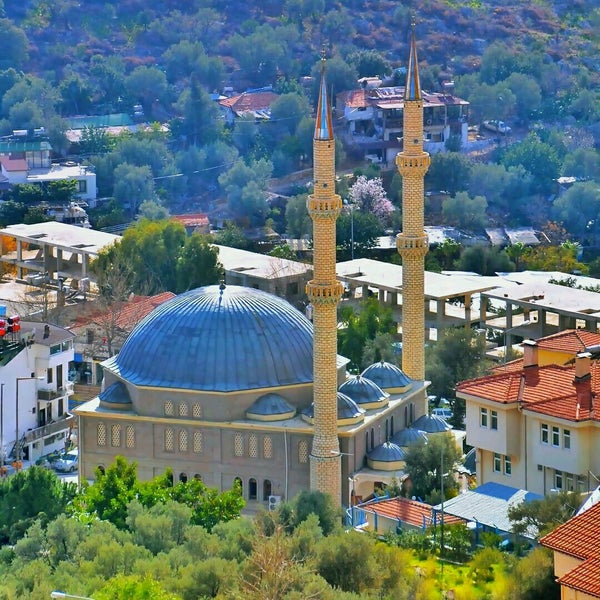
Kas Merkez Mosque
This modern mosque, built in the 20th century, blends traditional Ottoman architectural elements with contemporary design. Its prominent features include a large central dome, a beautifully decorated mihrab, and an elegant minaret that punctuates the skyline of Kaş. The mosque's interior is spacious and welcoming, adorned with intricate tile work and calligraphy that create a serene atmosphere for prayer and reflection. As the main mosque in Kaş, it plays a vital role in the daily religious life of the local Muslim community and serves as a significant cultural landmark for visitors. The Kaş Merkez Mosque not only reflects the town's Islamic heritage but also stands as a testament to the enduring traditions and modern developments in Turkish mosque architecture.
OLUDENIZ
Butterfly Valley
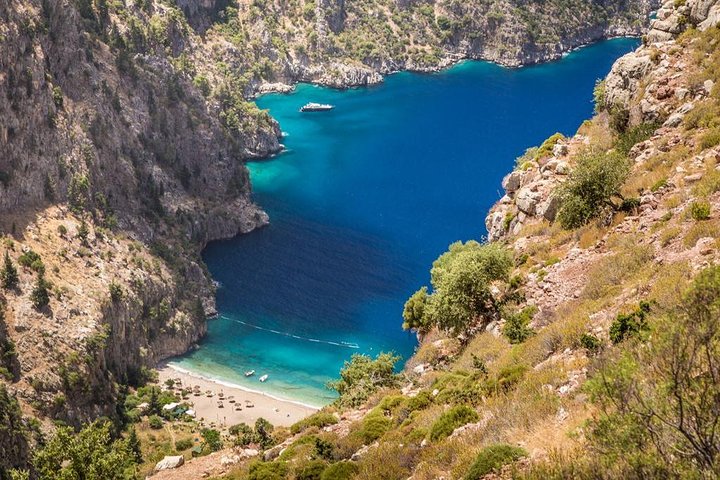
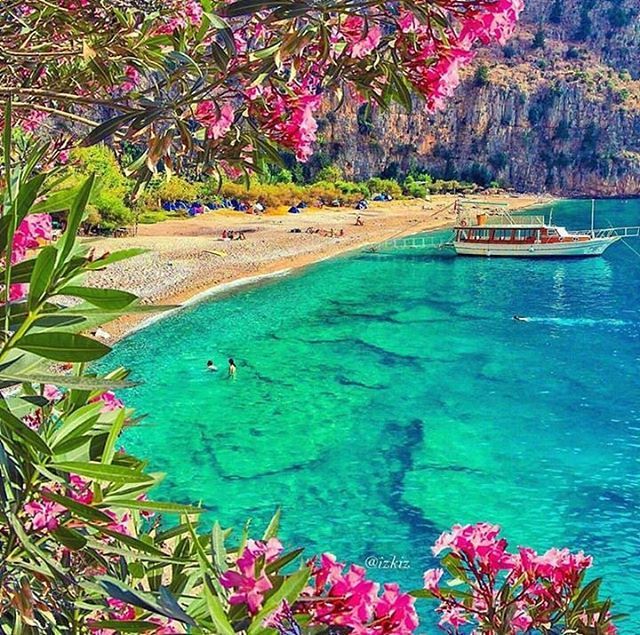
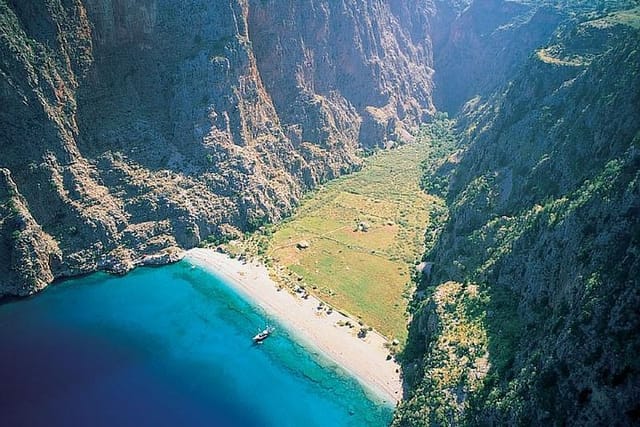
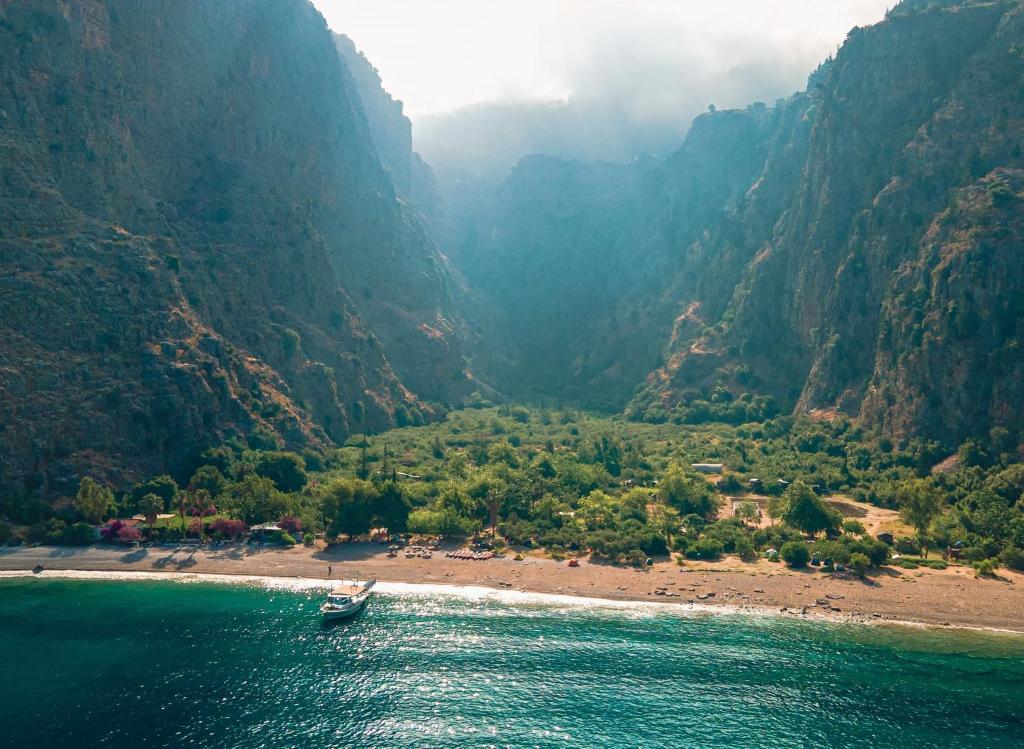
Butterfly Valley (Kelebekler Vadisi) is a stunning natural paradise known for its breathtaking scenery and ecological significance. The valley is named for the diverse species of butterflies that inhabit the area, particularly the Jersey tiger butterfly. Visitors can enjoy a range of activities such as swimming, snorkeling, hiking, and exploring the natural surroundings. The clear waters and rich marine life make snorkeling a popular activity, while the beach provides a perfect spot for relaxation.

Kayaköy Ruins
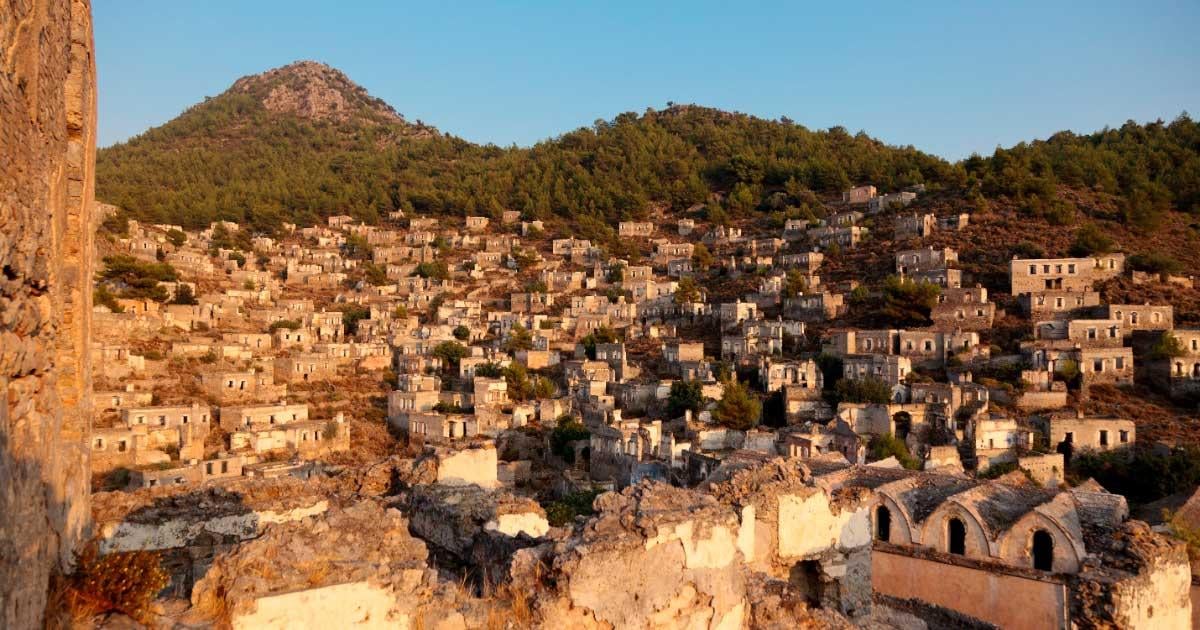
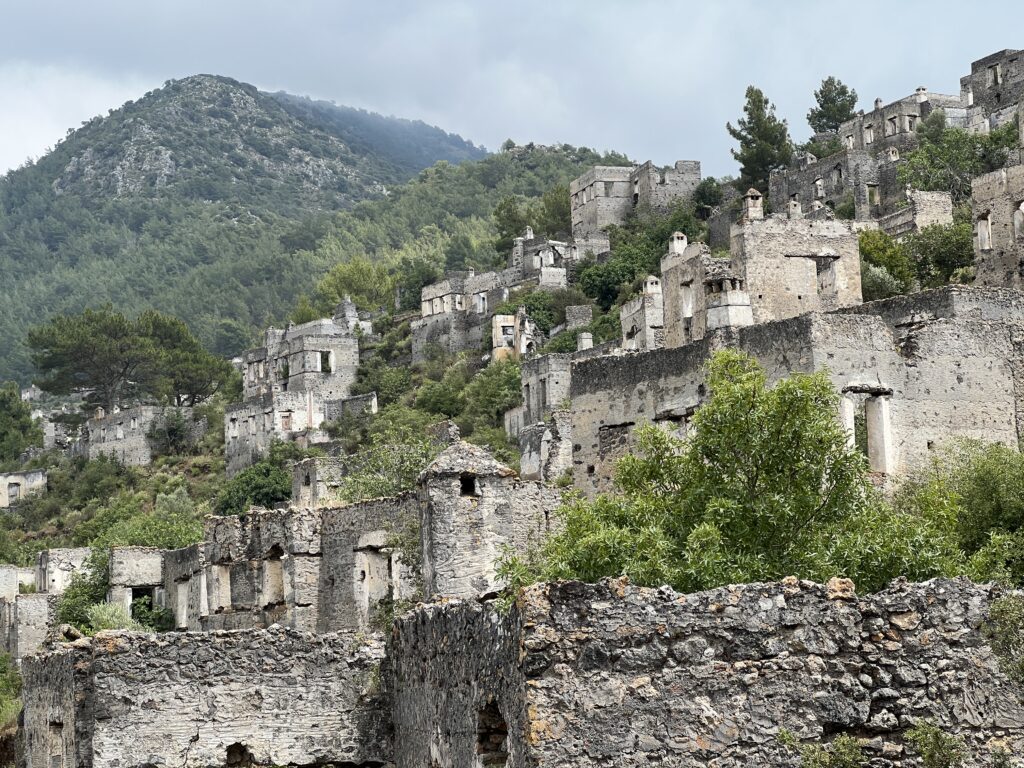
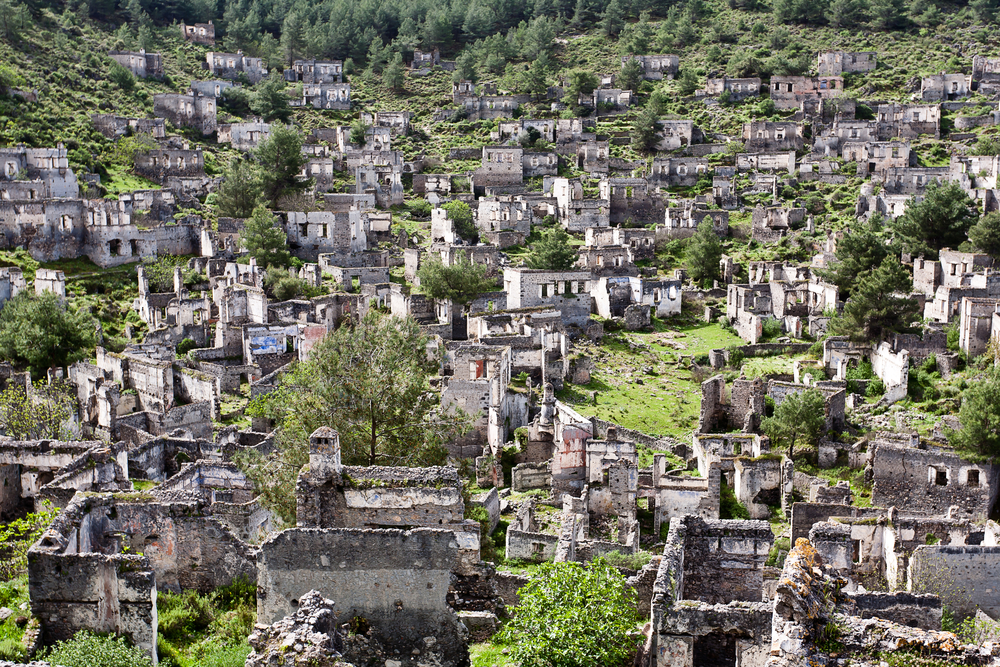
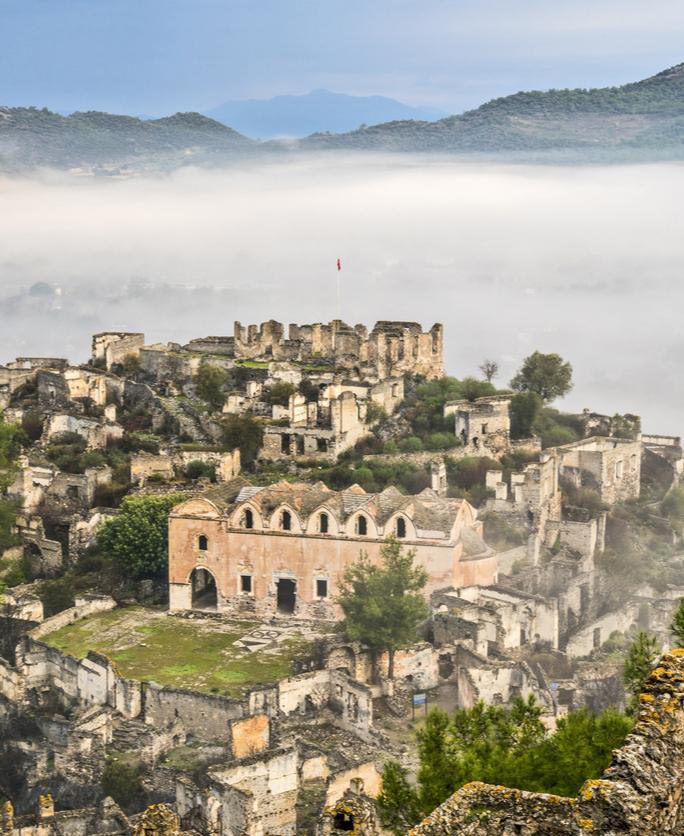
Kayaköy is an intriguing ghost town with a rich and poignant history. Once a thriving Greek village known as Levissi, Kayaköy was abandoned in the early 20th century and now stands as a hauntingly beautiful site of historical ruins. Kayaköy was predominantly inhabited by Greek Orthodox Christians until the population exchange between Greece and Turkey in 1923, which forced the residents to leave. The village has remained largely uninhabited since then, creating an eerie yet fascinating atmosphere.
Kumburnu Beach
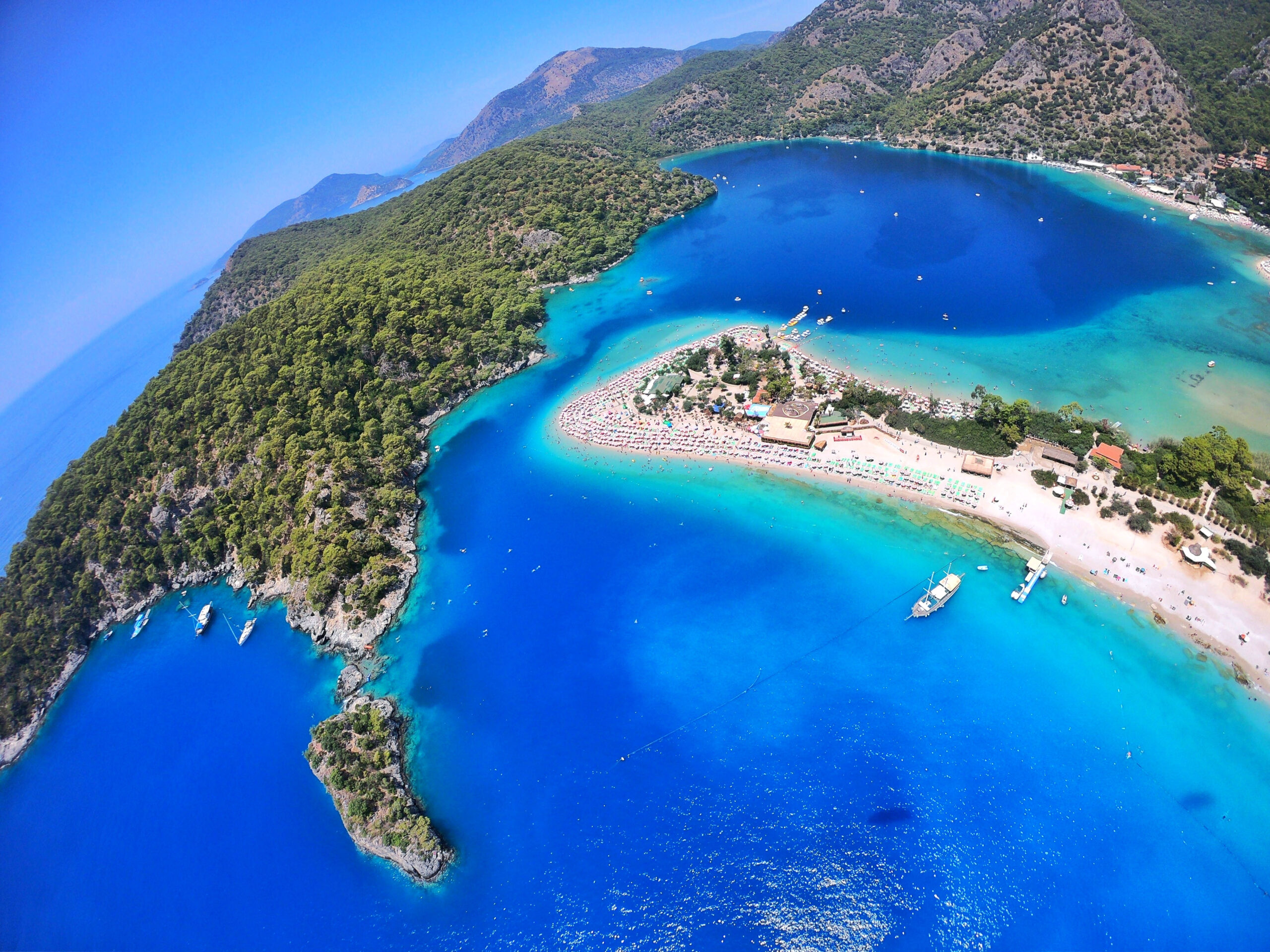
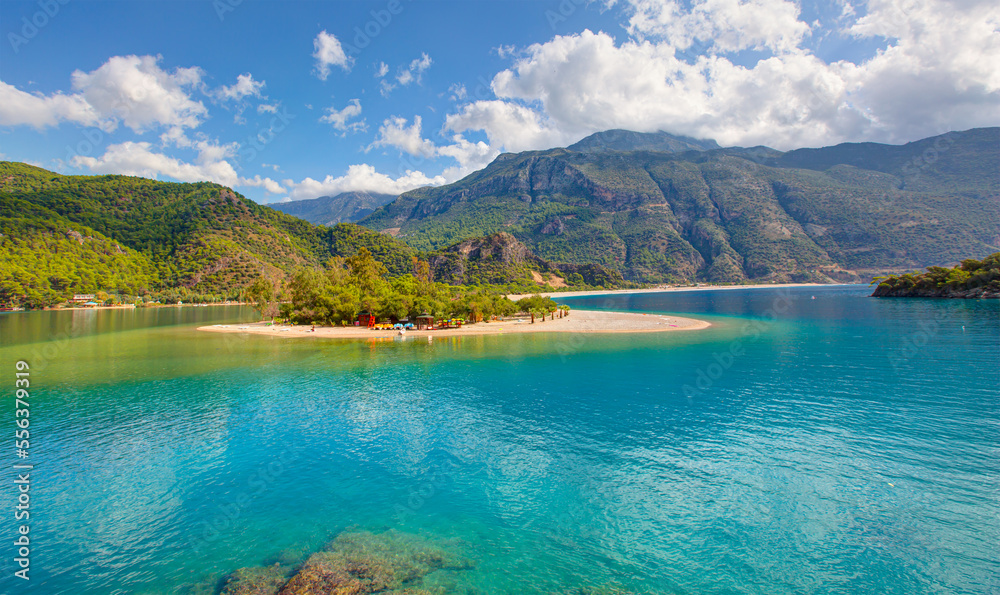
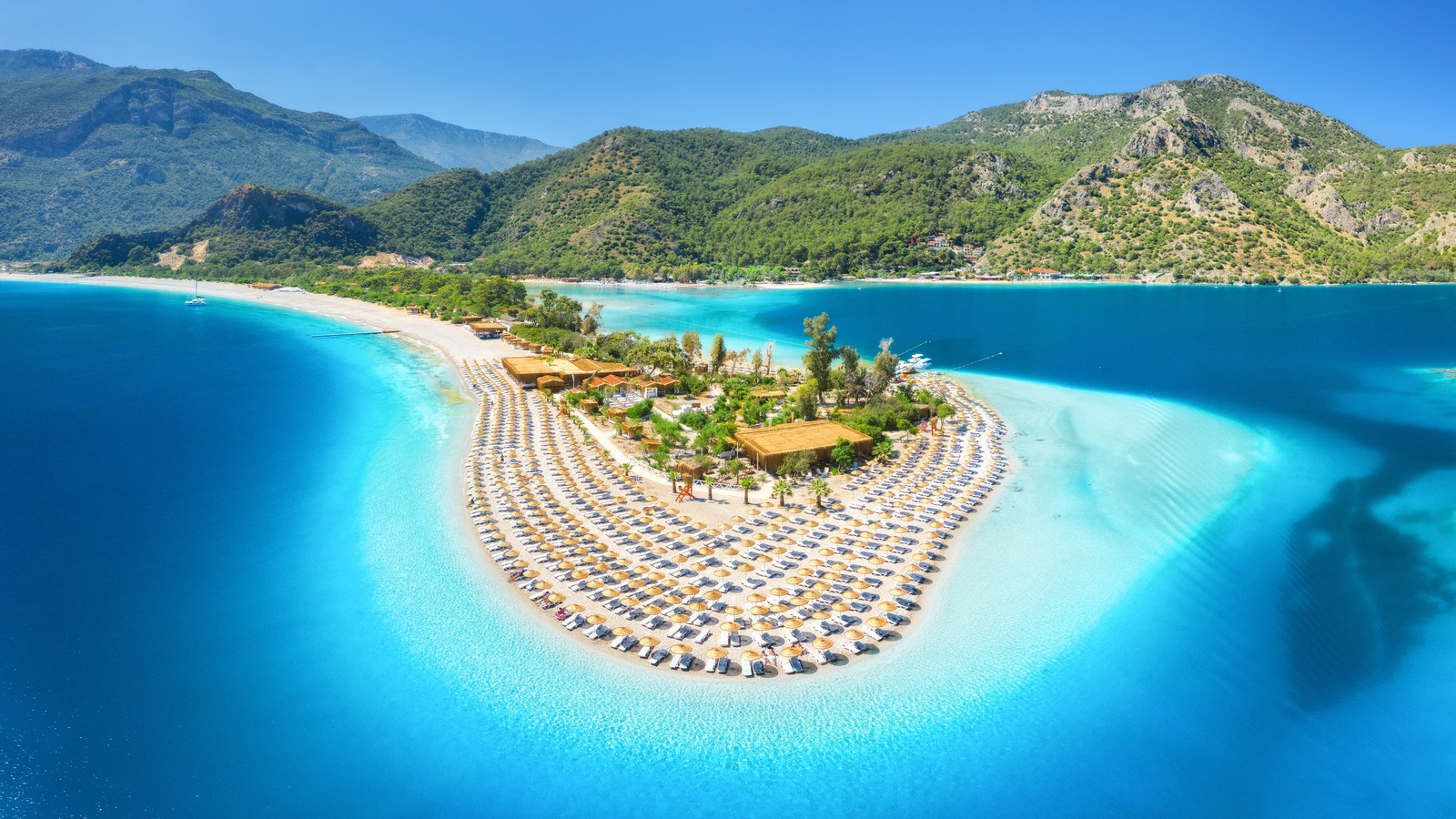
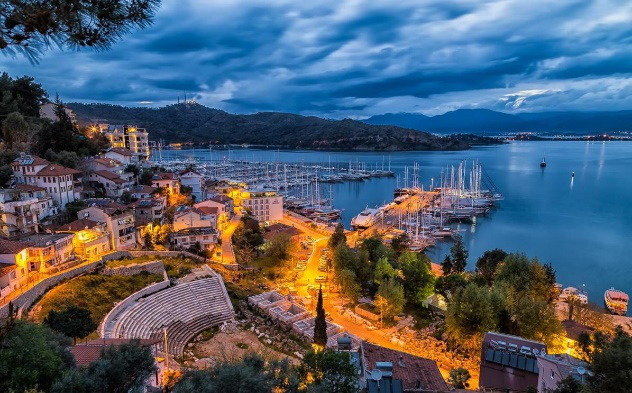
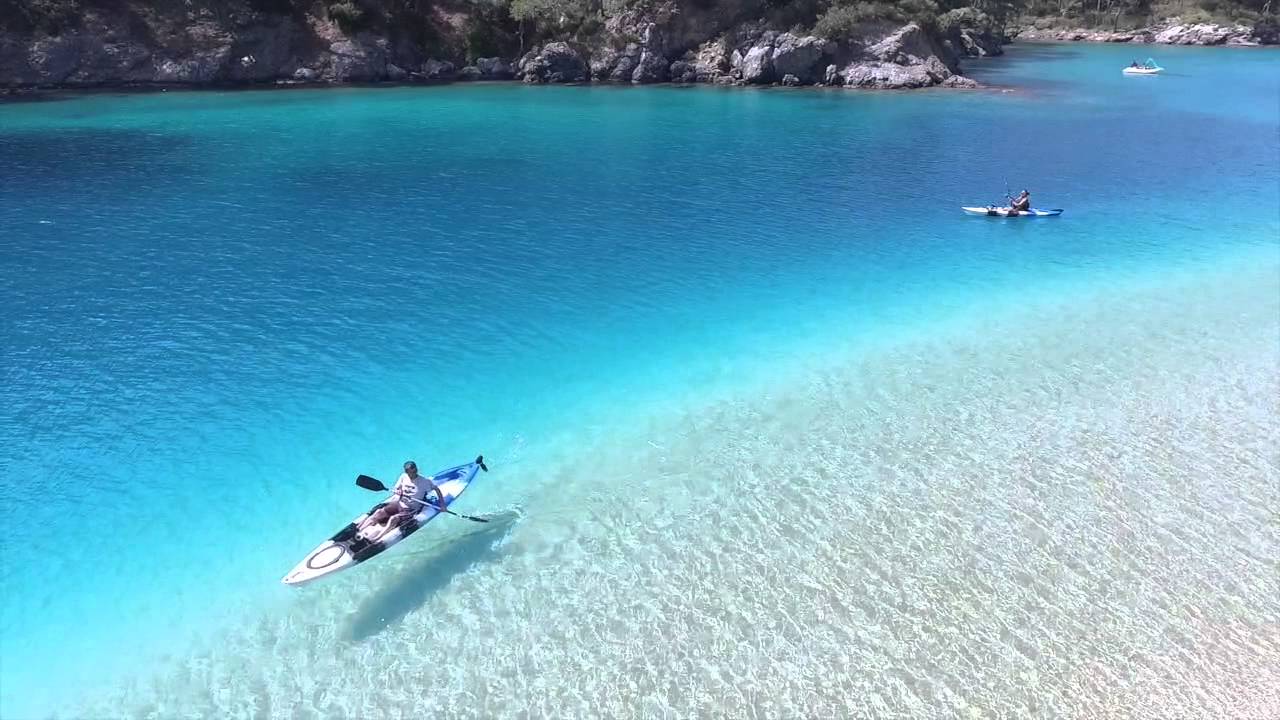
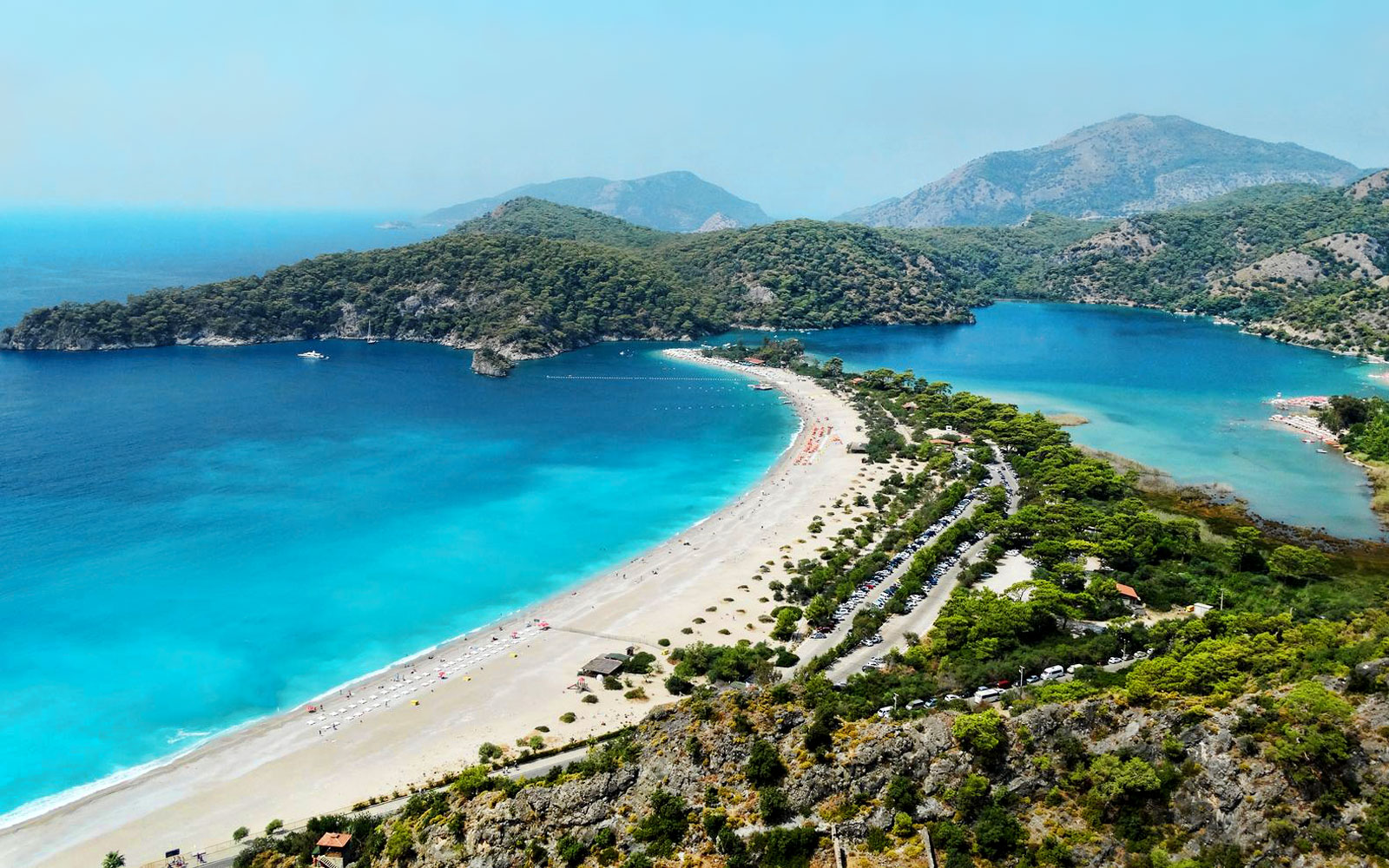
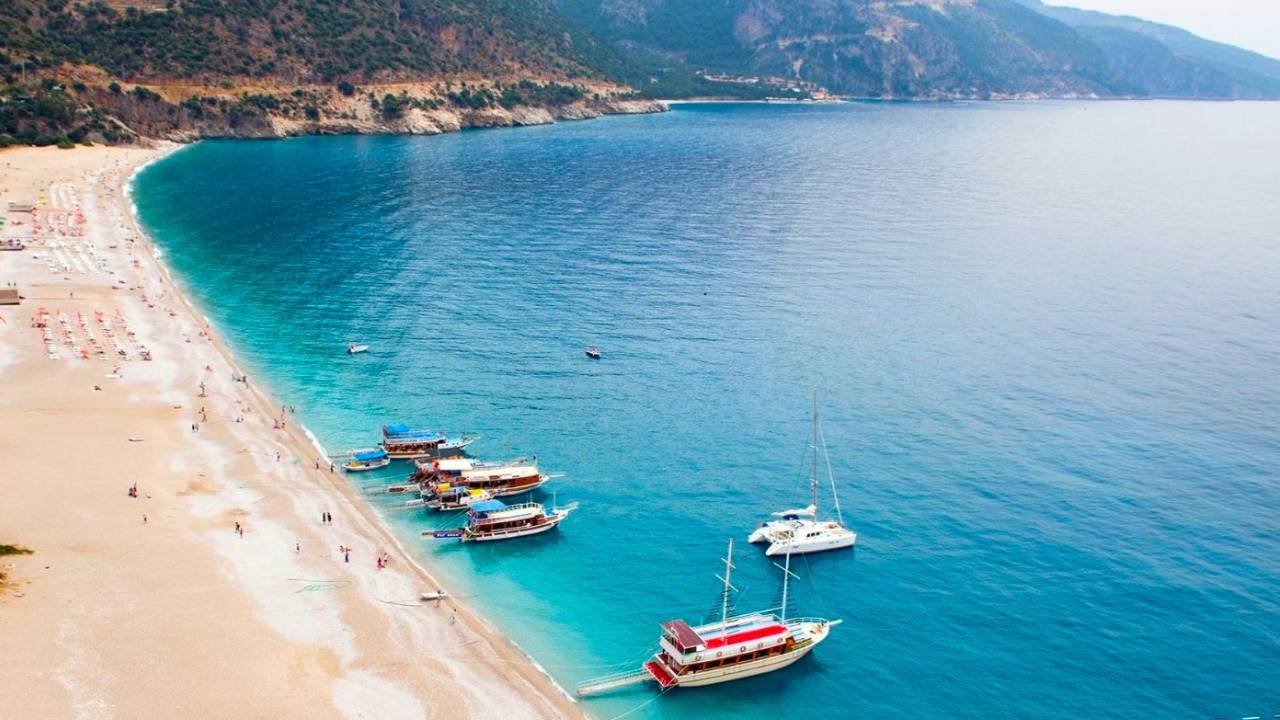
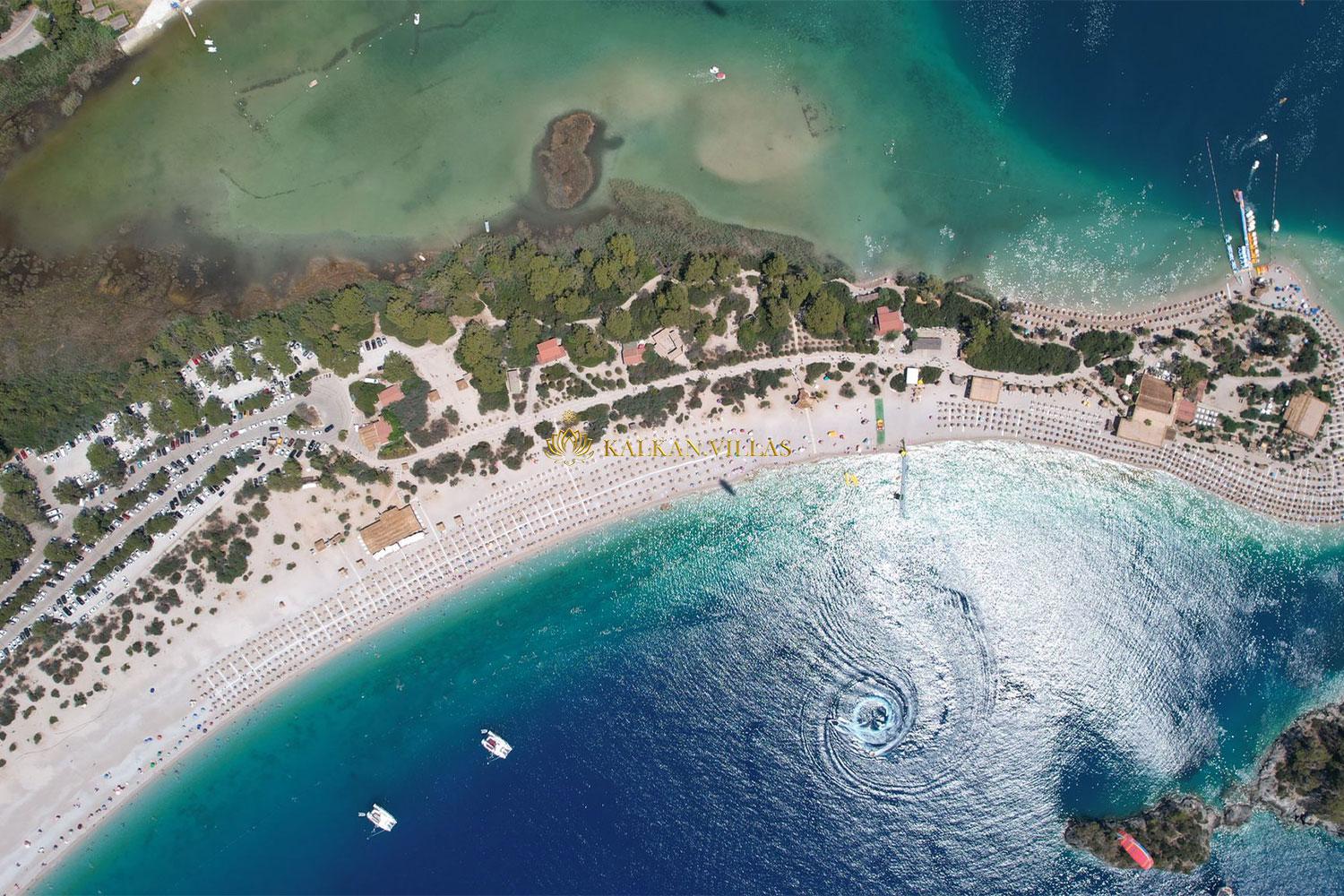
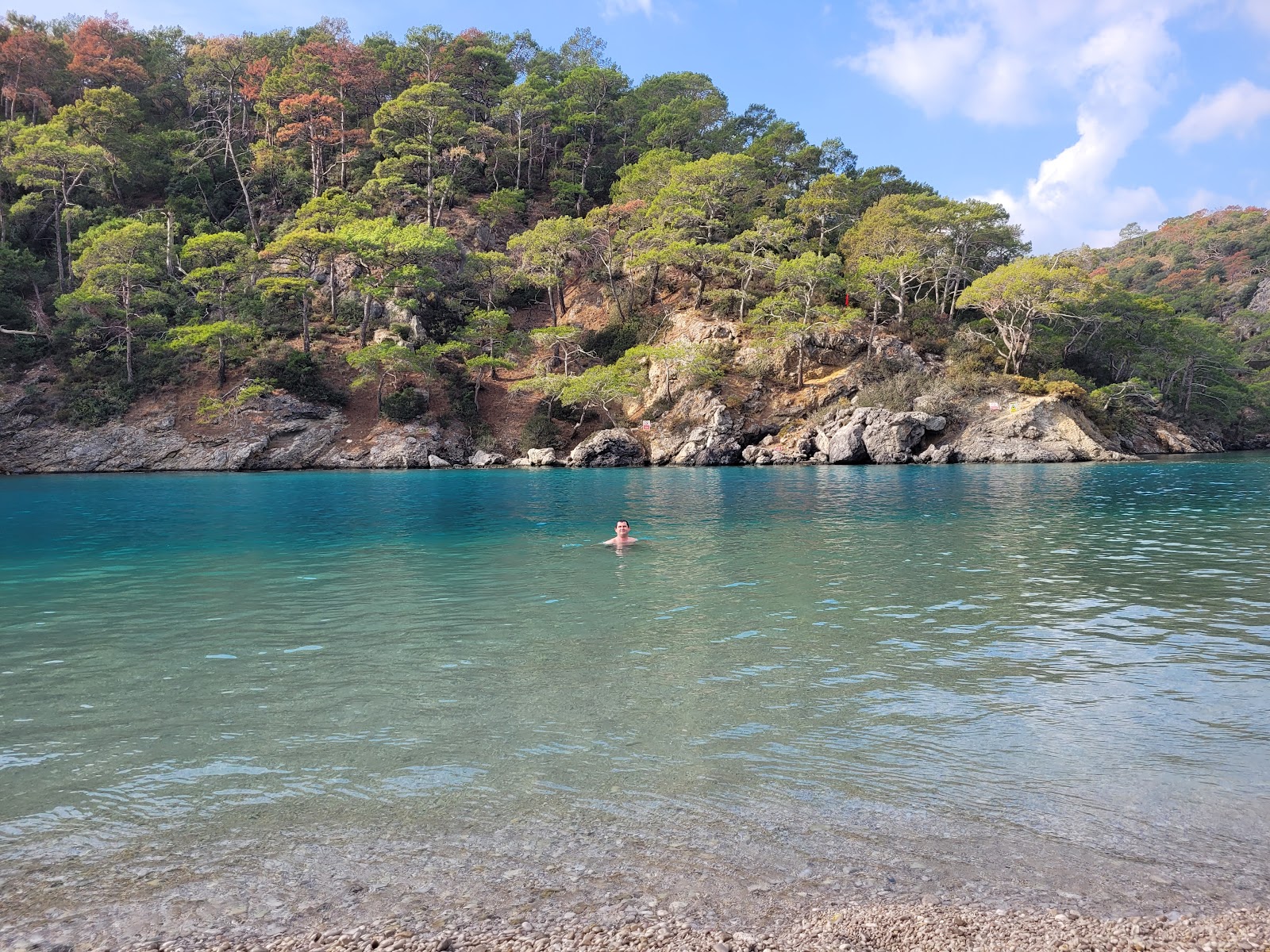
Kumburnu Beach is a stunning and serene beach that forms part of the Ölüdeniz Nature Reserve and National Park. Known for its unique shape and crystal-clear waters, Kumburnu Beach offers visitors a perfect blend of natural beauty and recreational activities. Kumburnu Beach is situated at the narrow spit of land that separates the open sea from the calm waters of the Blue Lagoon. This distinctive geographic feature creates two distinct beach experiences: one facing the open sea with slightly more waves and the other facing the tranquil lagoon with shallow, gentle waters.

BODRUM
Bodrum Castle
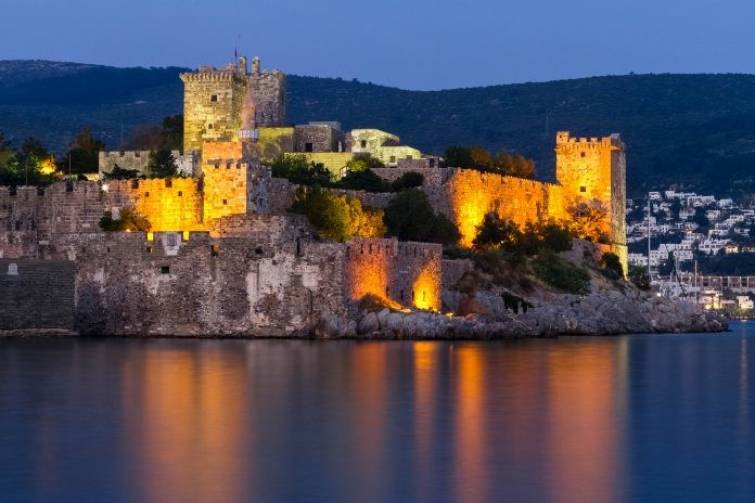
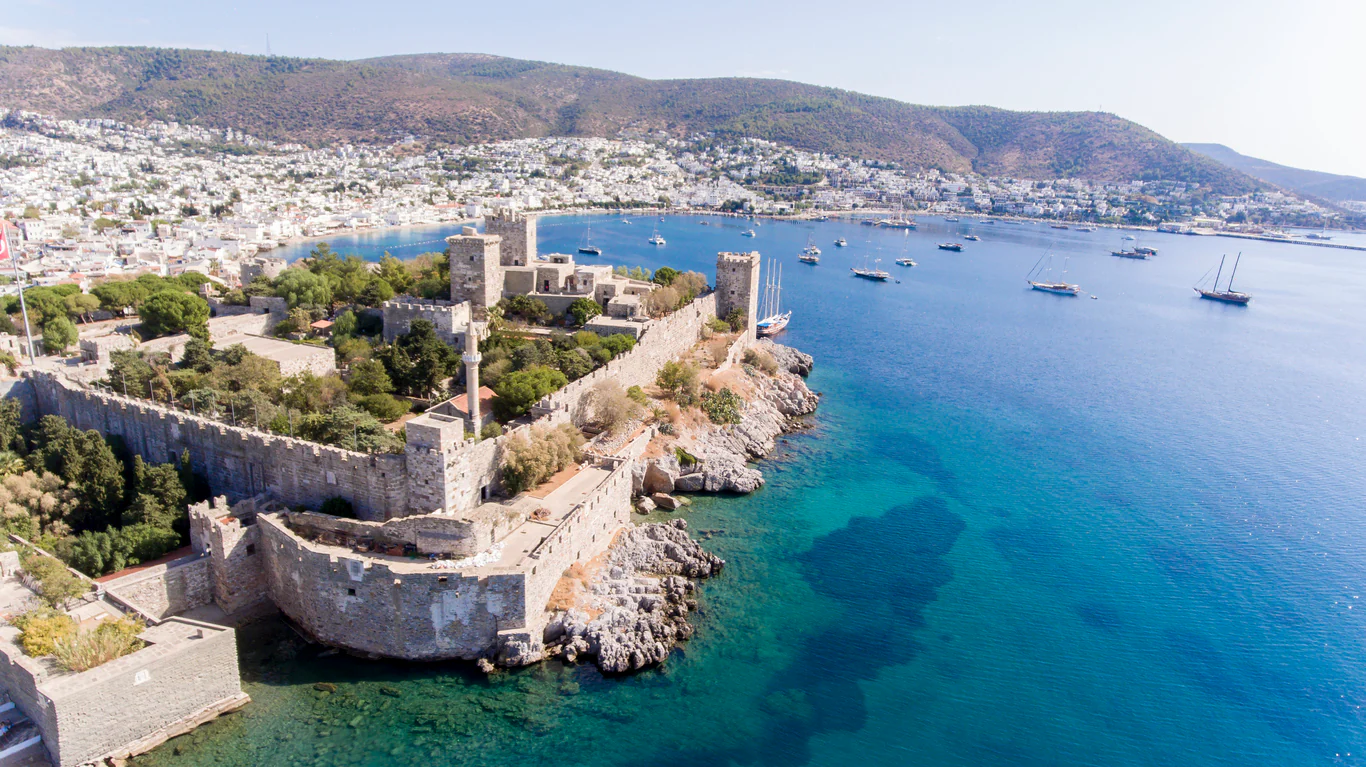
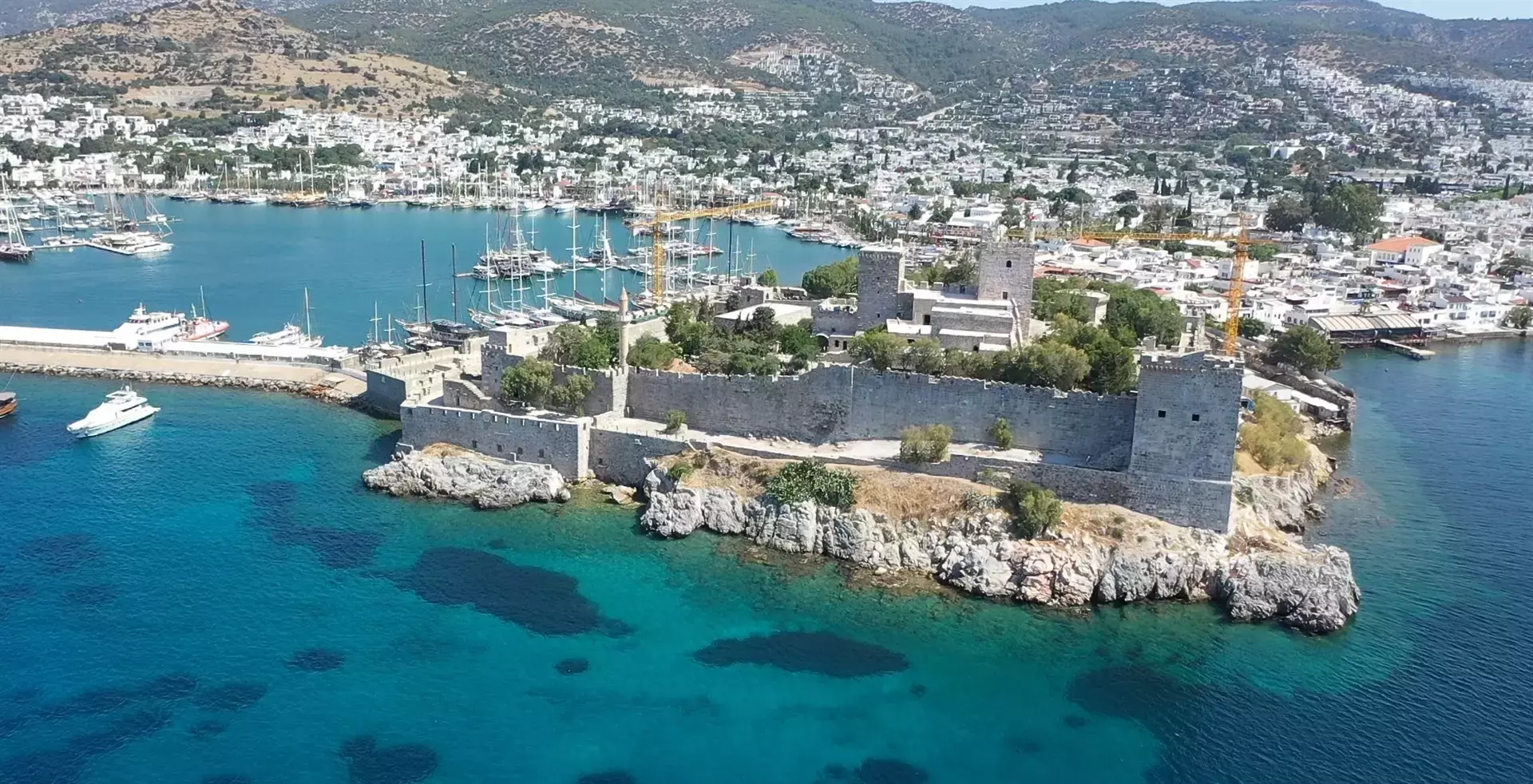
Bodrum Castle, also known as the Castle of St. Peter, is a historical fortress located in the port city of Bodrum, Turkey. Built by the Knights Hospitaller in the early 15th century, the castle was constructed using stones from the nearby Mausoleum at Halicarnassus, one of the Seven Wonders of the Ancient World. The castle served as a stronghold during the Crusades and later as a defensive structure against the Ottoman Empire. Today, it houses the Museum of Underwater Archaeology, showcasing artifacts recovered from ancient shipwrecks in the Aegean Sea, and offers stunning views of Bodrum and the surrounding waters.
Bodrum Sualtı Müzesi
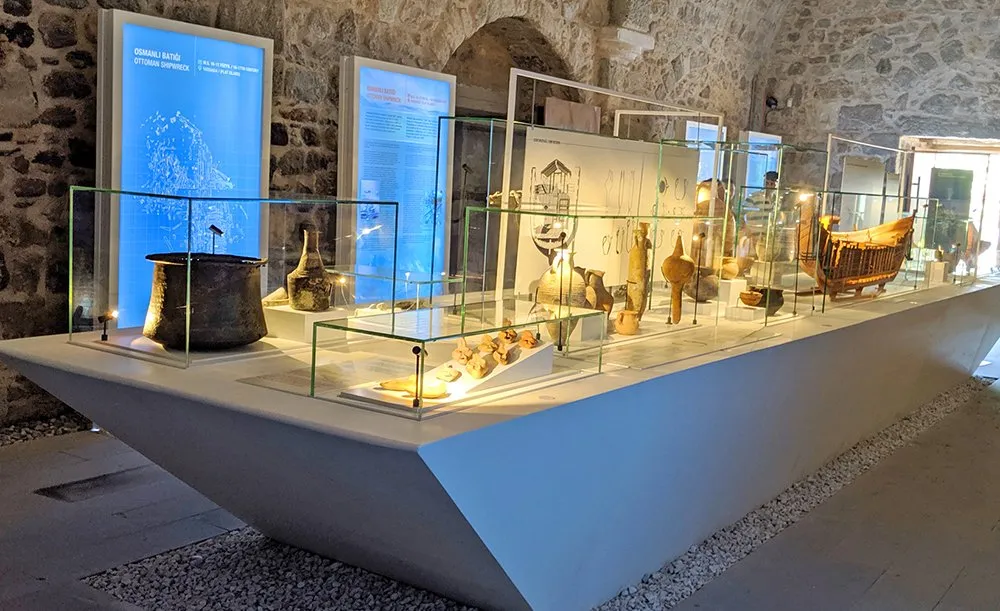
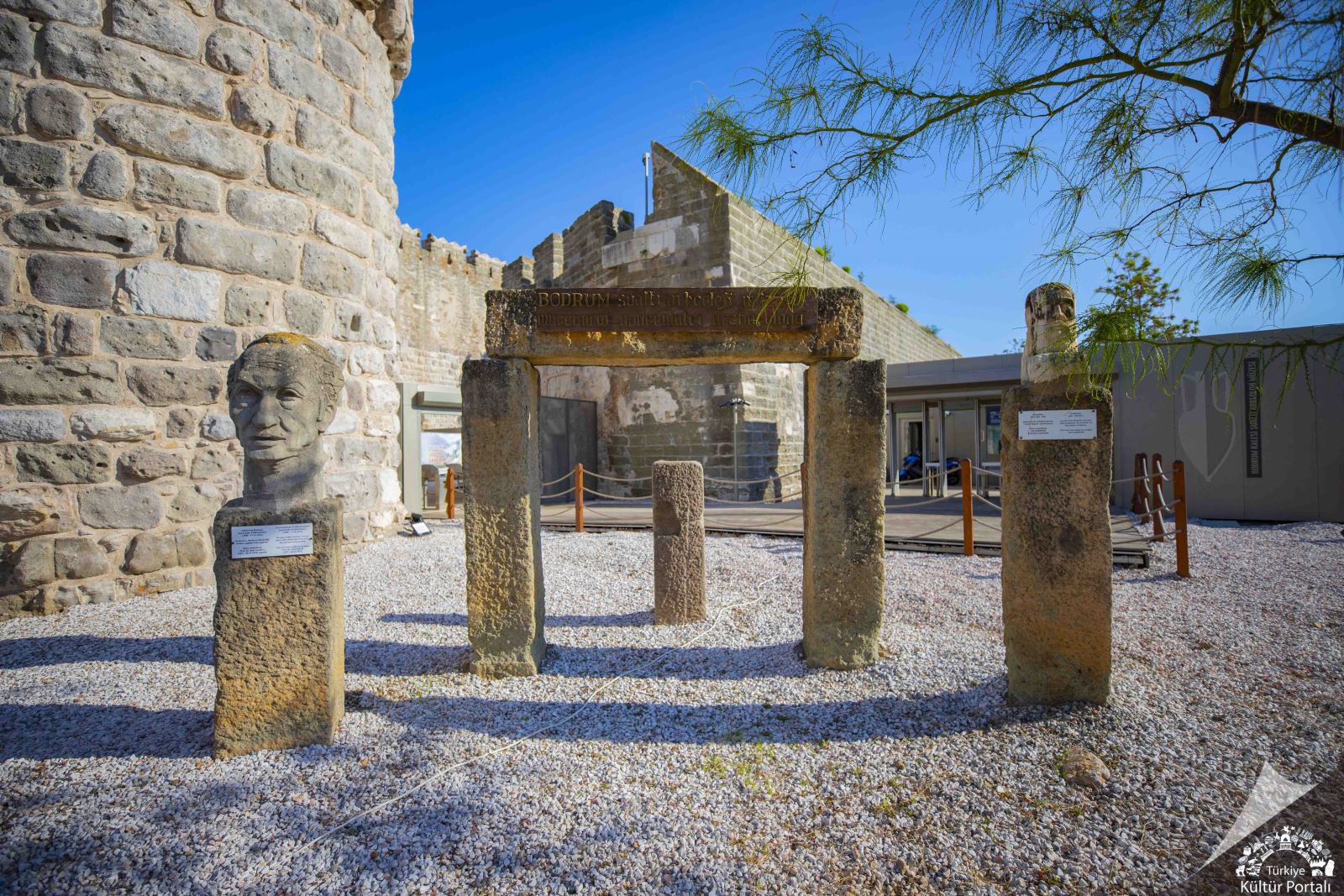
The Bodrum Museum of Underwater Archaeology, located within the historic Bodrum Castle, is one of the most renowned museums of its kind in the world. Established in 1962, the museum is dedicated to showcasing artifacts recovered from shipwrecks in the Aegean Sea, some dating back as far as the Bronze Age. Visitors can explore exhibits featuring ancient shipwrecks, glassware, coins, amphorae, and other relics that offer a glimpse into the maritime history of the Mediterranean region. The museum's extensive collection and its unique underwater archaeological focus make it a fascinating destination for history enthusiasts and tourists alike.
Bodrum Mausoleum
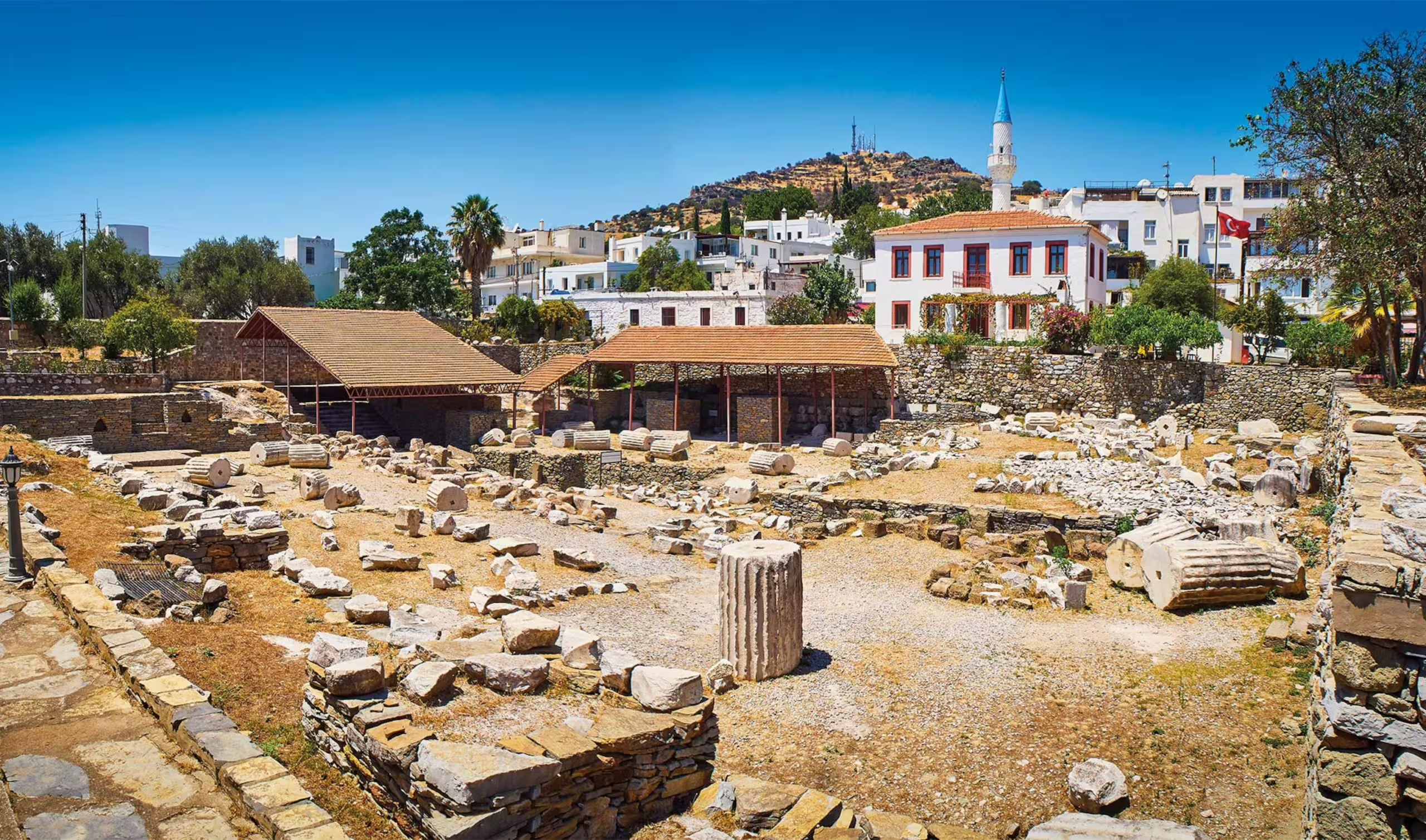
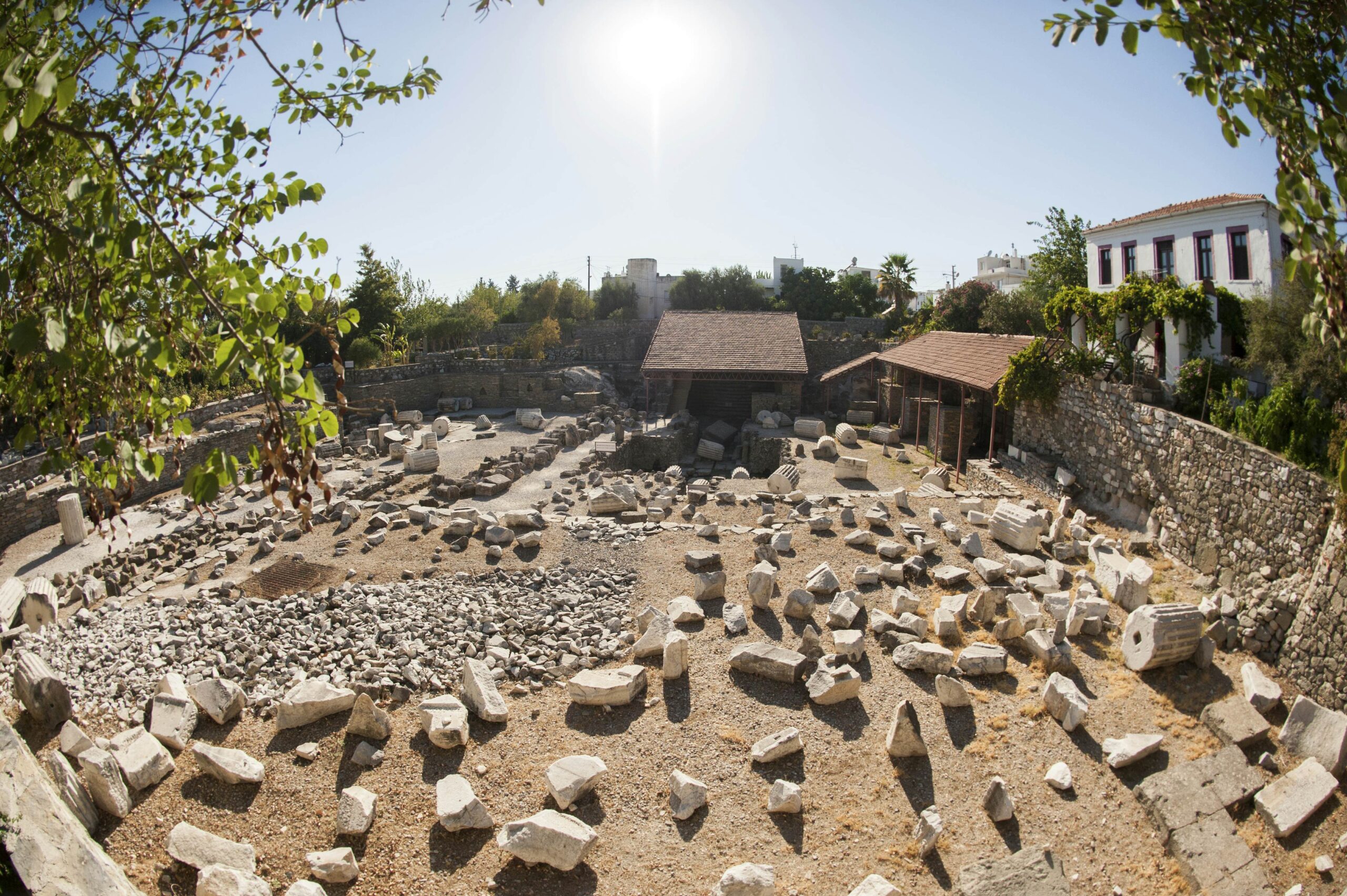
The Bodrum Mausoleum, also known as the Mausoleum at Halicarnassus, built in the 4th century BCE, it was the tomb of Mausolus, a satrap of the Persian Empire, and his wife, Artemisia II. Designed by Greek architects Satyros and Pythius, the mausoleum stood approximately 45 meters tall and was adorned with sculptural reliefs created by four renowned Greek sculptors. Although the structure was destroyed by earthquakes in the Middle Ages, its remnants were later used to build Bodrum Castle. Today, visitors can explore the archaeological site and the ruins, which offer a glimpse into the grandeur and architectural innovation of the ancient world.
Bodrum Ancient Theatre
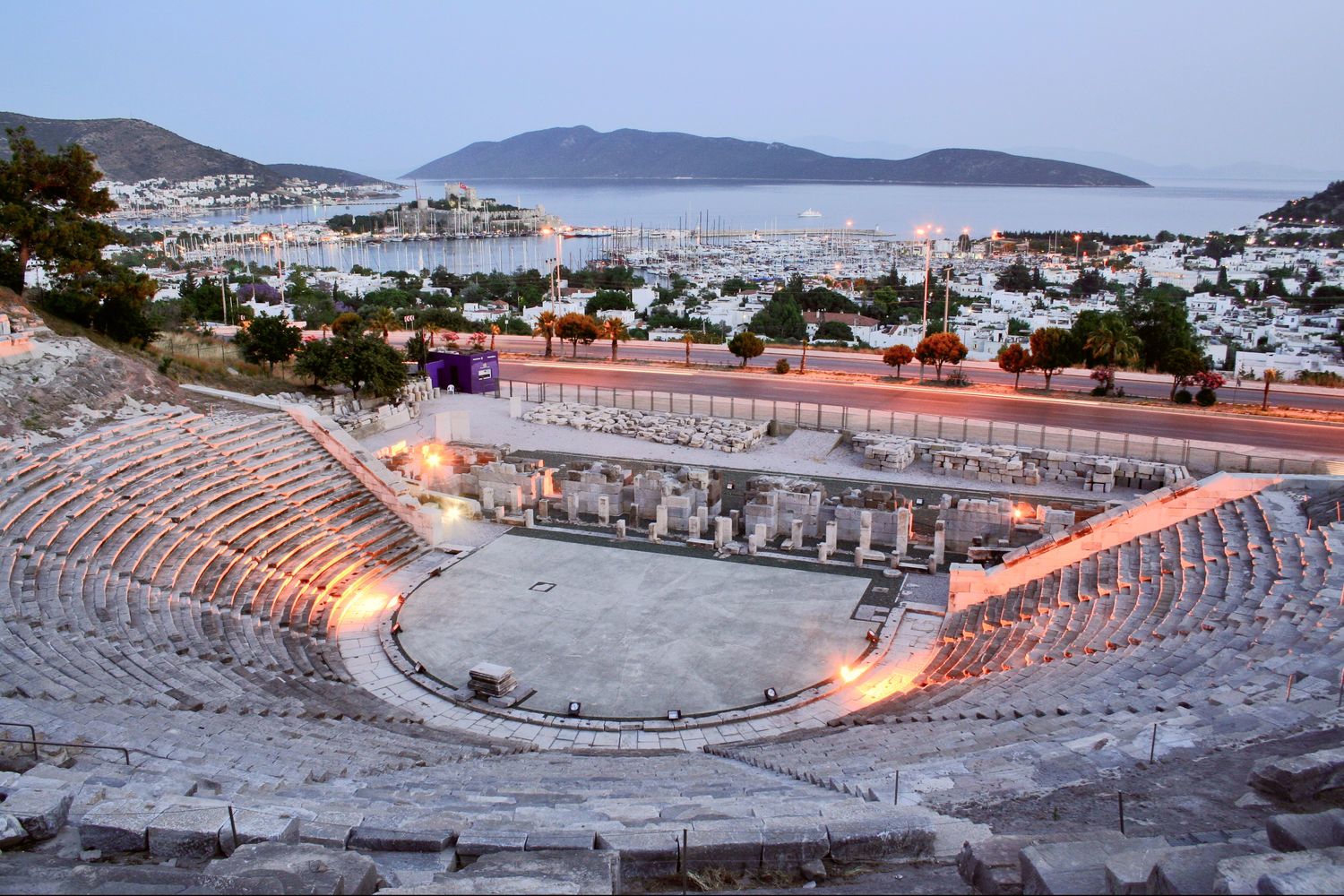
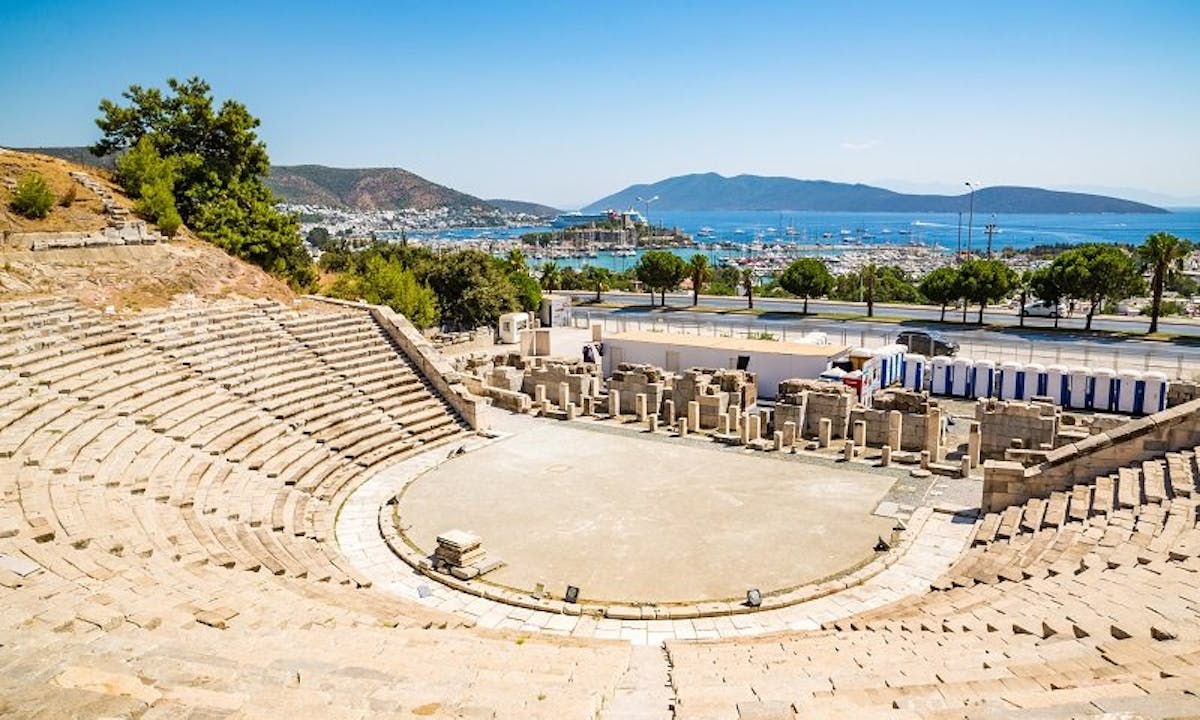
The Bodrum Ancient Theatre is a well-preserved Greco-Roman amphitheater located on the slopes of Bodrum, Turkey. Built during the reign of King Mausolus in the 4th century BCE, the theatre could originally accommodate around 13,000 spectators. It features a semi-circular arrangement with a stone stage and an impressive view overlooking the modern city and the harbor. Used for gladiatorial contests, theatrical performances, and other public events, the theatre showcases the advanced architectural and engineering skills of the ancient Carian civilization. Today, it serves as a venue for cultural performances and concerts, continuing its long-standing tradition as a center for entertainment and social gatherings

Bodrum Beach
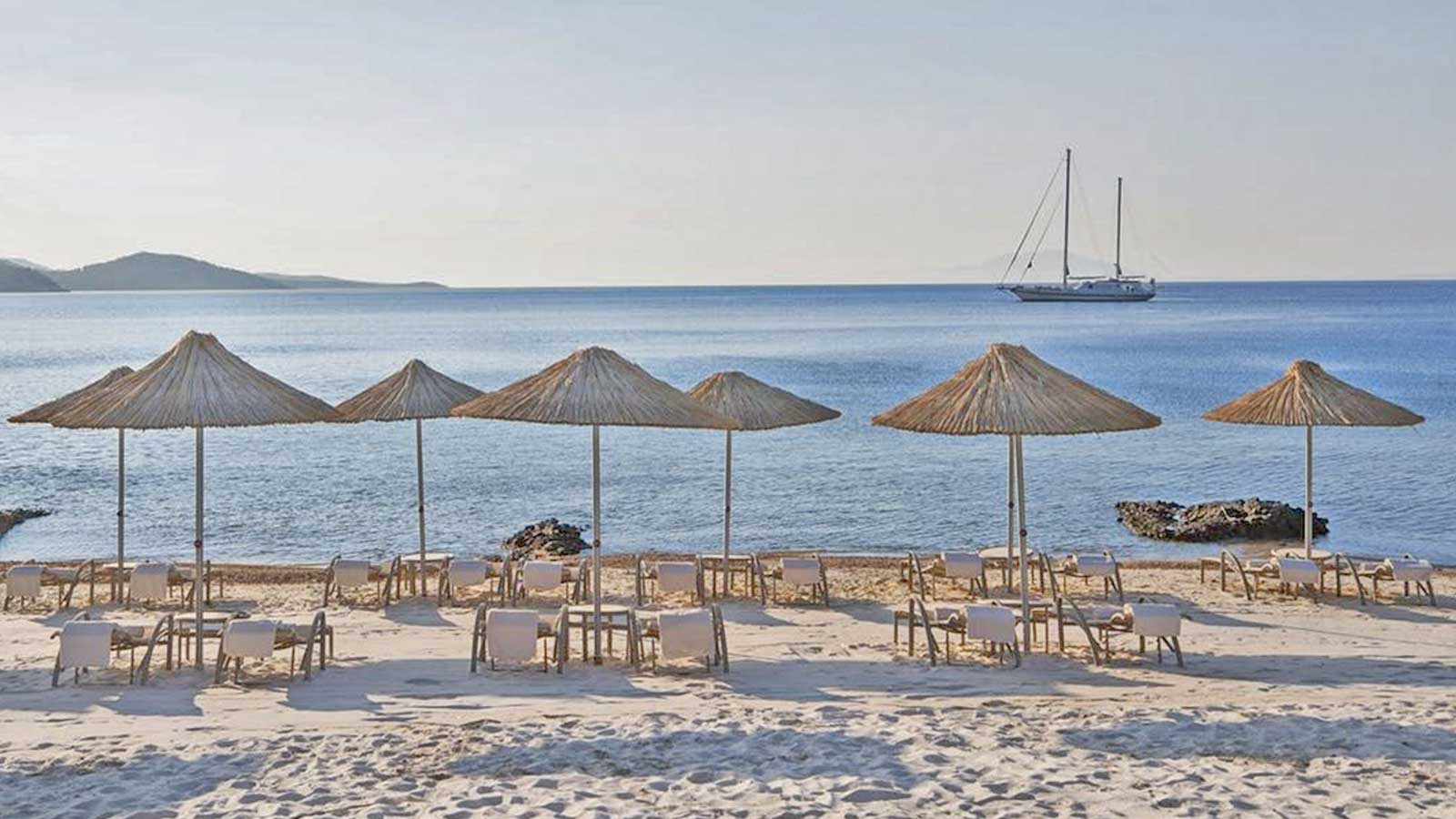
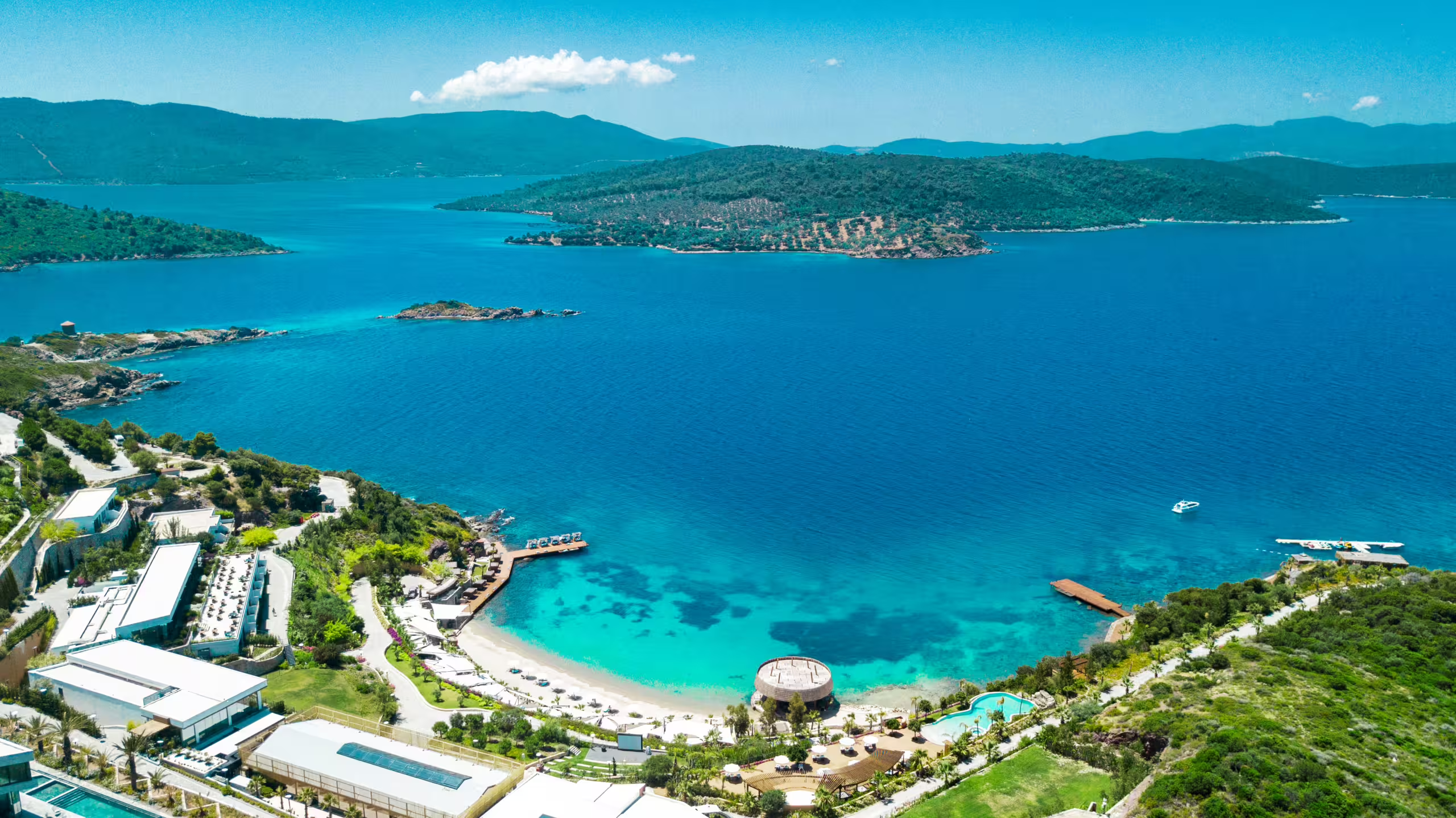
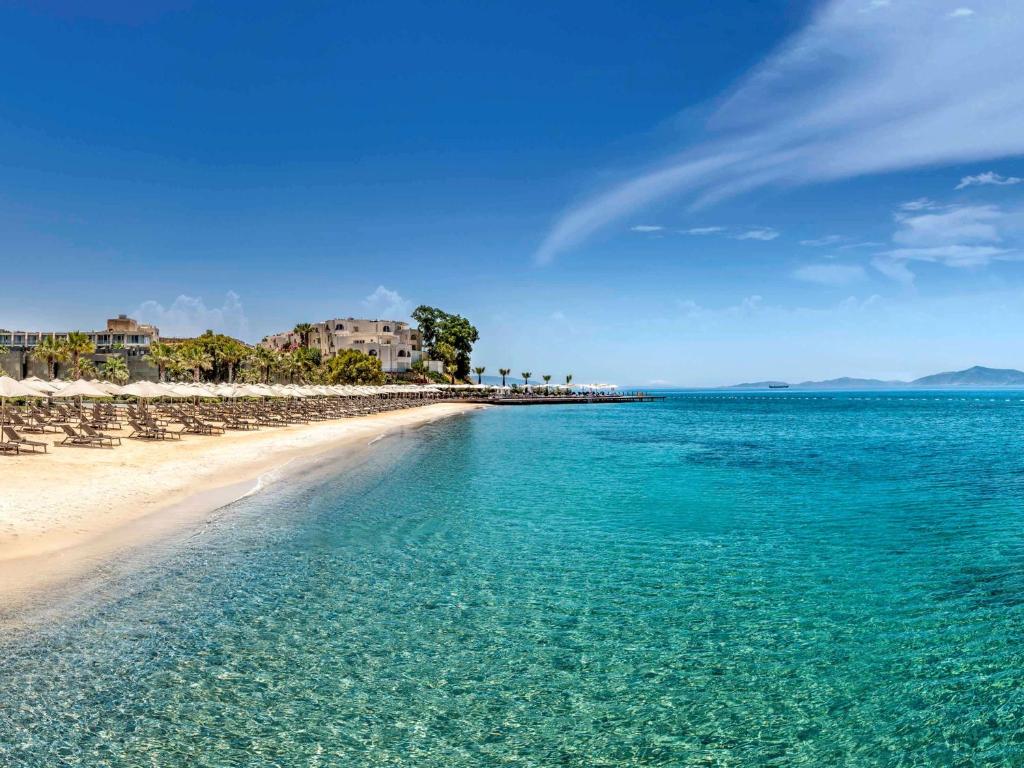
Bodrum Beach, located along the Aegean coastline in the vibrant city of Bodrum, Turkey, is renowned for its crystal-clear waters and lively atmosphere. The beach offers a perfect blend of natural beauty and modern amenities, making it a popular destination for both relaxation and water activities. Historically, the area around Bodrum Beach has been significant since ancient times, serving as a bustling port city known as Halicarnassus. Today, visitors can enjoy a variety of activities such as swimming, sunbathing, and water sports, while also exploring the nearby historical sites, bustling markets, and vibrant nightlife that reflect the city's rich cultural heritage.